
Your Hardwood Floor’s First Line of Defense
Plastic chair glides on hardwood floors are a common concern for homeowners. Here’s what you need to know:
Quick Answer: Are Plastic Chair Glides Safe for Hardwood?
- Hard plastic glides can scratch hardwood surfaces and trap dirt, acting like sandpaper over time.
- Softer plastic options (nylon, PTFE/Teflon) are safer but not ideal.
- Felt glides are the gold standard for superior protection, noise reduction, and preventing floor damage.
- For tile floors, hard plastic glides work well, but hardwood requires softer materials.
Protecting your hardwood floors is about safeguarding a valuable investment. Moving furniture can cause scratches and scuffs that accumulate over time, often unnoticed until the damage is significant. The right chair glides create a protective barrier, allowing smooth, quiet movement and preventing dirt accumulation that can act like sandpaper on your floor’s finish.
Choosing the wrong glide can accelerate floor damage. Understanding which materials protect hardwood is essential. I’m Francisco Romero, owner of Romero Hardwood Floors Inc. With over 15 years in the industry, I’ve seen countless floors damaged by improper chair glides, especially plastic chair glides on hardwood floors. This guide will help you choose correctly to protect your investment.
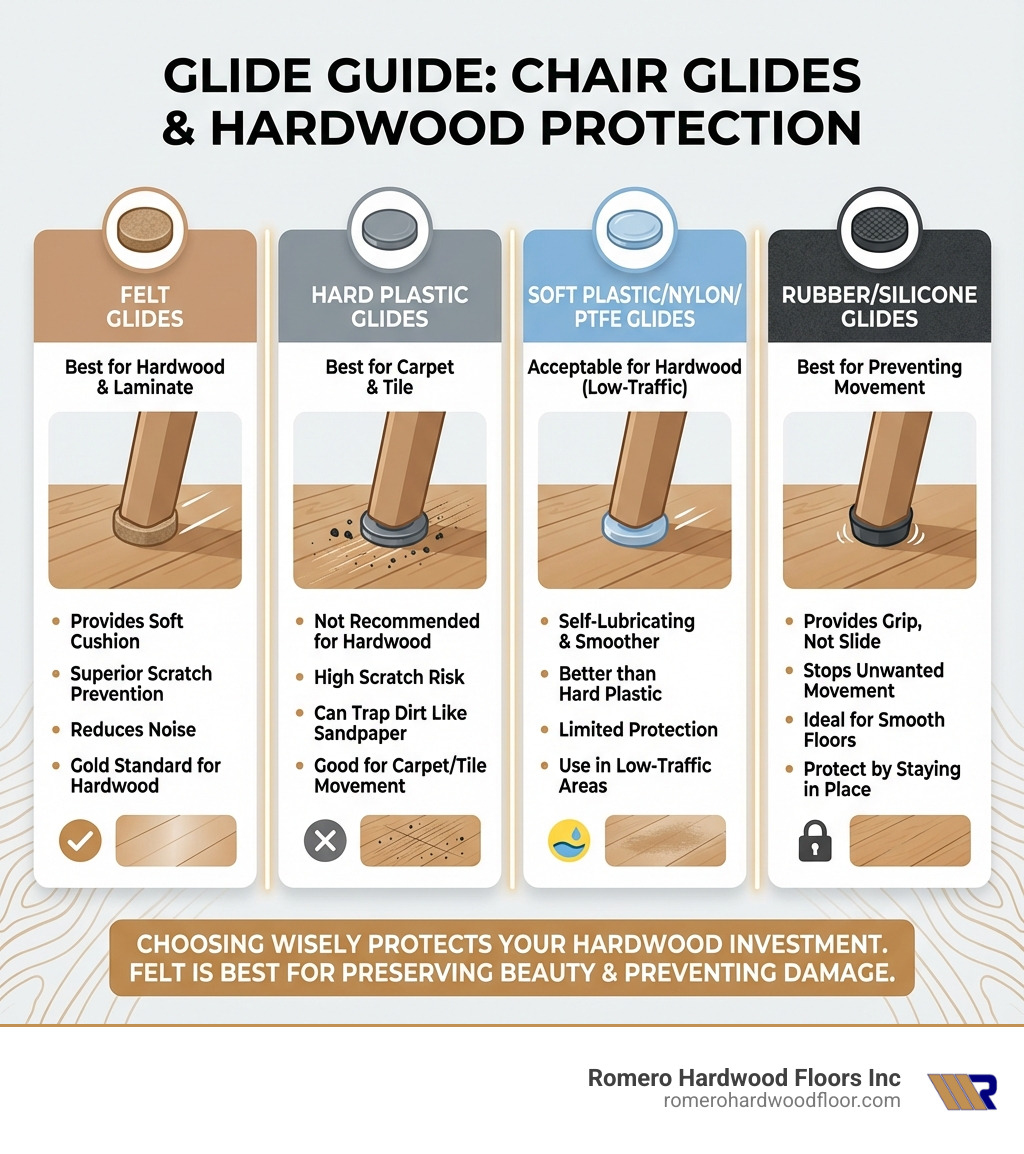
Basic plastic chair glides on hardwood floors glossary:
The Truth About Plastic Chair Glides on Hardwood Floors
Using plastic chair glides on hardwood floors carries inherent risks. While they seem simple, their hard composition can cause long-term damage by scratching the surface and accumulating abrasive particles.
Hard, rigid plastic glides inevitably scratch the softer finish of hardwood floors. Each time a chair moves, the hard plastic scrapes the delicate surface, leading to damage. A more insidious threat is trapped dirt and debris. Grit, dust, and sand get caught under the glides, acting like sandpaper. This “sandpaper effect” dulls the finish, creates micro-scratches, and can lead to deeper gouges.
The risks associated with using hard plastic glides on hardwood include:
- Scratch Creation: The primary and most visible damage.
- Finish Degradation: Constant friction wears down the floor’s protective layer.
- Scuff Marks: Hard plastic can leave unsightly scuff marks.
- Noise Pollution: The harsh sound of plastic scraping against wood indicates damaging friction.
While hard plastic glides can be effective on surfaces like tile or carpet, they are not recommended for delicate hardwood.
| Feature | Felt Glides | Hard Plastic Glides | Soft Plastic (Nylon/PTFE) Glides |
|---|---|---|---|
| Floor Protection | Excellent (prevents scratches and scuffs) | Poor (high risk of scratching and scuffing) | Good (smoother than hard plastic, less scratch risk) |
| Durability | Moderate to High (requires replacement) | High (but damages floor) | High (can be very long-lasting) |
| Noise Level | Low (dampens sound) | High (amplifies scraping sounds) | Moderate to Low (smoother movement) |
| Best Use Case | Hardwood, Laminate, Vinyl | Carpet, Tile, Concrete | Low-traffic hardwood, specific furniture types |
The Hidden Dangers: Why Hard Plastic Scratches Wood
The interaction between hard plastic and a hardwood floor is problematic. Hardwood floors rely on their protective finish to withstand wear. A hard plastic glide concentrates pressure on a small area, and the friction acts like a chisel, carving fine lines into the finish. These lines trap dirt, becoming visible scratches. Constant chair movement with hard plastic chair glides on hardwood floors creates a network of marks that often requires professional refinishing.
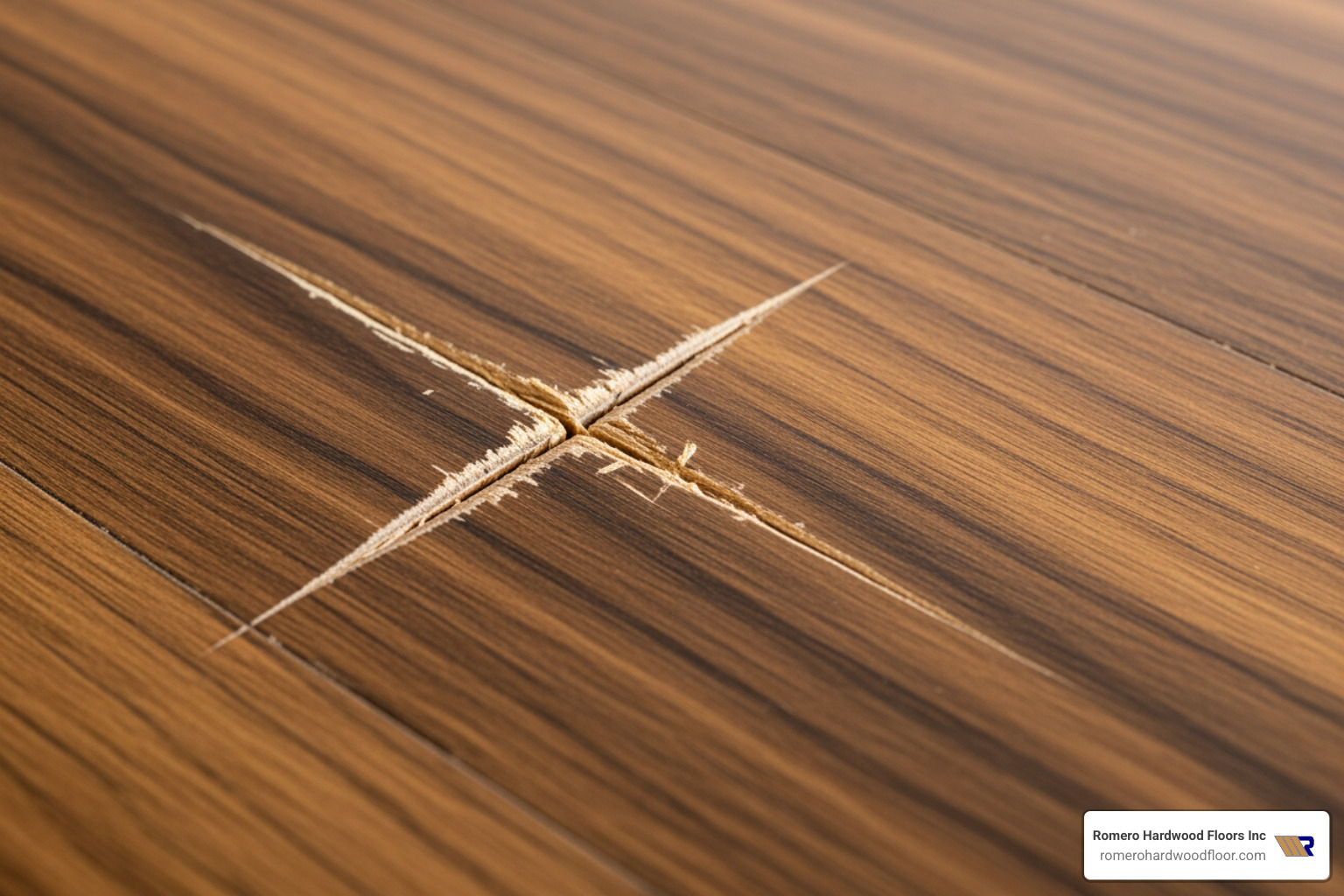
The problem worsens with dirt and grit. Even clean homes have microscopic dust. When caught between a hard plastic glide and the floor, these particles get embedded in the plastic. As the chair moves, the embedded grit acts as an abrasive, grinding away the finish and causing deeper damage over time. This continuous assault degrades the finish, making the wood vulnerable to moisture and spills.
When are plastic chair glides on hardwood floors acceptable?
While we advise against hard plastic chair glides on hardwood floors, some specific types and scenarios can be acceptable. The key is the plastic’s hardness and slipperiness.
- Softer Plastics (Nylon, PTFE/Teflon): Softer, more pliable plastics like nylon or PTFE (Teflon) offer a smoother, lower-friction surface.
- Nylon glides: A better option than hard plastic, nylon is often self-lubricating and provides a smoother surface. Tap-in nylon glides can protect floors from scratches and indentations.
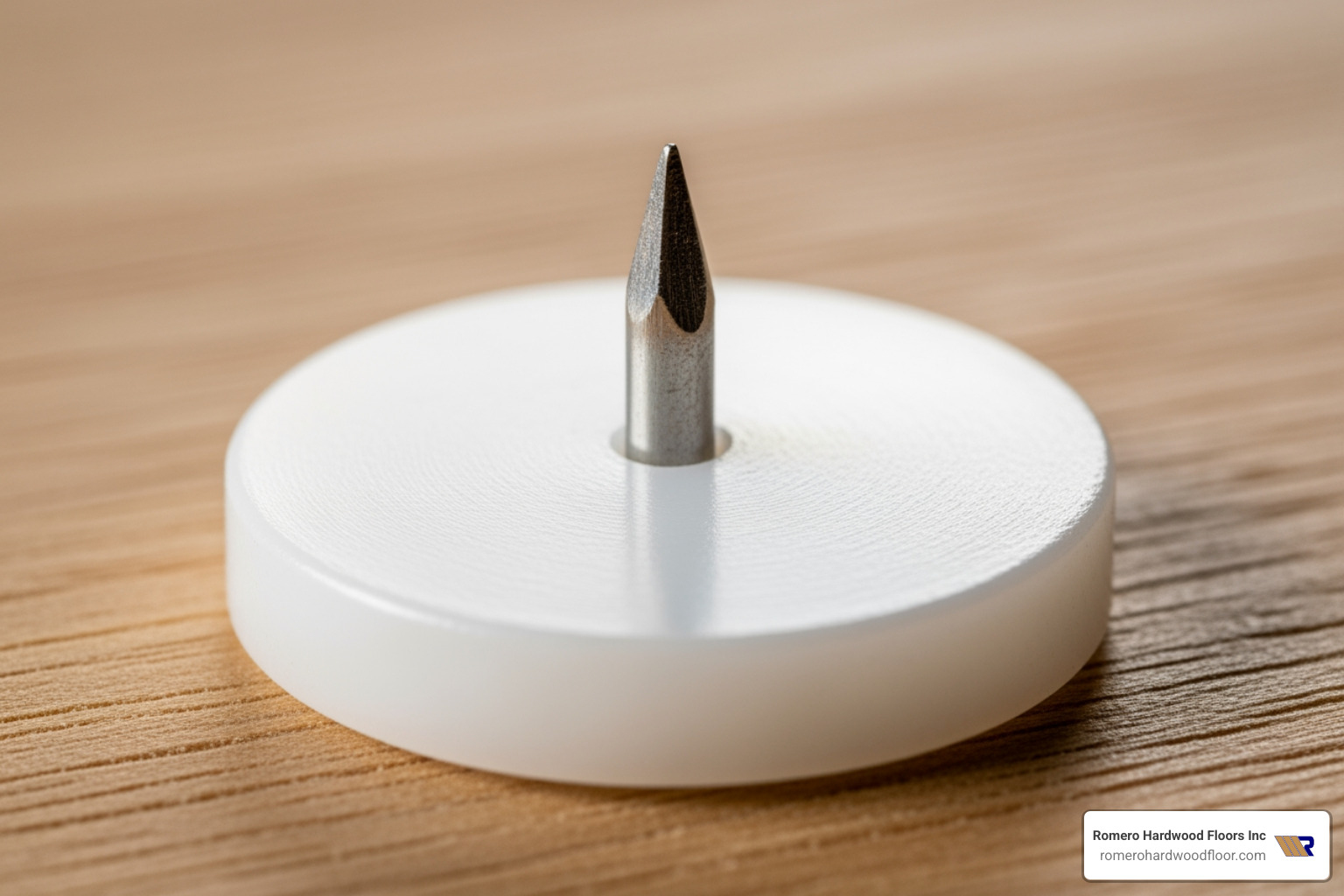
- PTFE (Teflon) sliders: Designed for very low friction, these durable sliders allow furniture to glide easily. They reduce scratch risk compared to hard plastic but lack the cushioning of felt.
Even with these softer plastics, use caution. They don’t protect against trapped grit as well as felt.
- Low-Traffic Areas: If furniture is rarely moved (e.g., a decorative side table), the risk is lower. For frequently moved items like dining or office chairs, even softer plastic glides pose a threat.
- Temporary Solutions: Softer plastic glides can be a temporary, stop-gap solution until you get proper felt glides, but they are not a permanent fix.
In summary, while some plastics are better than others, our recommendation is clear: for ultimate protection, avoid plastic chair glides on hardwood floors whenever possible, especially in high-traffic areas.
The Best Alternatives: Exploring Floor-Friendly Glides
Now that we’ve covered the risks of plastic chair glides on hardwood floors, let’s explore superior, floor-friendly alternatives. These materials offer maximum protection, reduce noise, and ensure smooth movement without damage. The right alternative contributes to your floor’s longevity and appeal. If your floors are already damaged from improper glides, we can help. Learn more about repairing floor damage.
Felt Glides: The Gold Standard for Hardwood Protection
Felt glides are the gold standard for protecting hardwood floors. Their unique properties prevent scratches, reduce noise, and allow furniture to move smoothly. The benefits of felt are numerous:
- Superior Scratch Prevention: Felt provides a soft cushion between the chair leg and your floor, absorbing friction.
- Noise Reduction: Felt dampens the sound of moving furniture.
- Ease of Movement: Felt allows chairs to glide smoothly without effort or fear of damage.
- Durability (when maintained): High-quality felt glides are durable with proper care.
There are several types of felt glides available:
- Adhesive Felt Pads: Simple to install (peel-and-stick), great for lighter furniture. Choose high-quality pads for better longevity.
- Nail-On Glides: A felt pad on a small nail hammered into wooden legs for a secure, durable attachment.
- Tap-On Glides: Similar to nail-on, often combining felt with a plastic/metal base for durability.
- Screw-In Glides: The most robust option, ideal for heavy or frequently moved furniture.
- Snap-On Glides/Caps: Designed to fit over specific chair leg shapes, often with a felt bottom.
- Sled Base Glides: Special felt glides that clip or adhere to sled-style legs.
- Adjustable Felt Levelers: Excellent for furniture on uneven surfaces, providing leveling and floor protection.
When selecting felt glides, consider furniture weight, frequency of movement, and leg type. Choose high-density, thick felt for adequate cushioning. Regularly inspect glides for wear and replace them promptly to maintain protection.
Beyond Felt: Other Protective Options
While felt is our top recommendation, other options can also safeguard your investment.
- Rubber Leg Caps and Silicone Leg Protectors:
- Purpose: These are designed to grip the floor and prevent furniture from moving, unlike felt which promotes sliding. They are excellent for stationary furniture.
- Suitability for Hardwood: Good for preventing movement with a soft, non-abrasive barrier. They don’t allow easy sliding and can leave scuff marks if dragged. They also reduce noise and protect legs from moisture.
- Considerations: Keep them clean to avoid trapped debris. Opt for high-quality silicone or non-marking rubber, as some cheaper products can leave marks.
- Chair Mats:
- Purpose: An excellent solution for high-traffic areas like under office chairs with casters. They provide a durable, sacrificial layer to protect hardwood from friction and rolling.
- Best Material: Polycarbonate is the top choice for hardwood floors. It’s highly durable, transparent, and resists cracking and curling, providing robust protection without hiding your floor. Unlike vinyl, it won’t yellow, crack, or stick to the finish.
- Benefits of Polycarbonate: Durable, transparent, resistant to cracking/curling, and offers heavy-duty protection.
- Considerations: Ensure the mat has a non-slip backing for hard floors to prevent shifting.
By using felt glides for sliding furniture, rubber/silicone for stationary pieces, and polycarbonate chair mats for desk areas, you can achieve comprehensive protection for your hardwood floors.
How to Choose and Install the Perfect Chair Glides
Choosing and installing the right chair glides is a critical step in preserving your hardwood floors. Proper selection, installation, and maintenance ensure effective protection, smooth movement, and lasting performance.
A Step-by-Step Guide to Selecting Your Glides
- Measure Leg Diameter and Identify Leg Shape:
- Use a ruler or caliper to measure the leg’s diameter or width. For angled legs, use glides with a swivel base to keep the pad flat on the floor.
- Match the glide shape (round, square) to the leg for a secure fit. A loose glide can fall off and cause scratches.
- Consider Furniture Weight and Usage:
- For heavy or frequently moved furniture, use robust screw-in or nail-on glides.
- For lighter, less-used pieces, high-quality adhesive pads may suffice.
- For constant movement, like a desk chair, use the most durable glides or consider a chair mat.
- Match Glide to Leg Material:
- Most glides work on wooden legs, with nail-on and screw-in being most secure.
- For metal legs, you may need specific inserts for hollow legs or clip-on pads.
- For angled legs, swivel glides ensure the pad stays flat on the floor.
Selecting the right glides creates a protective interface that will save you future repair costs.
Installation and Maintenance for Lasting Protection
Proper installation and ongoing maintenance are key to effective protection.
- Surface Preparation:
- Thoroughly clean the bottom of the furniture leg, removing old adhesive and debris. For wooden legs, sand any rough spots to create a flat surface.
- Adhesive Application (for peel-and-stick pads):
- Peel the backing and press the adhesive pad firmly onto the clean leg for 30 seconds. Allow the adhesive to cure for a few hours before use.
- Nail-On and Tap-On Installation Tips:
- For wooden legs, drill a small pilot hole to prevent splitting. Gently tap the glide in with a rubber mallet until it is straight and flush with the leg.
- Regular Inspection:
- Periodically inspect glides for wear, such as thinning felt, frayed edges, or embedded grit. Clean the felt surface with a stiff brush or vacuum.
- Replacement Schedule:
- Replace worn-out glides immediately, as a damaged pad can cause scratches. Keep spares on hand for quick replacement.
- Cleaning Glides:
- Periodically wipe felt pads with a damp cloth or vacuum them to remove accumulated dust and dirt.
Following these steps will maximize the life of your glides and keep your hardwood floors protected.
Frequently Asked Questions about Chair Glides
Here are our expert answers to common questions about protecting hardwood floors.
What is the best material for chair glides on hardwood floors?
Felt glides are the best material for chair glides on hardwood floors. They offer superior protection against scratches and scuffs that hard plastic chair glides on hardwood floors can cause. The soft felt cushions the floor, dampens noise, and allows furniture to glide smoothly. While plastic is fine for carpet or tile, felt is the clear winner for hardwood.
How do I keep my chair legs from scratching my hardwood floors?
Keeping your chair legs from scratching your hardwood floors involves a multi-pronged approach:
- Use the Right Glides: This is the most crucial step. Equip all furniture that moves with high-quality felt glides.
- Regular Cleaning: Keep both your floors and your chair glides clean. Dirt and grit trapped under glides can act like sandpaper.
- Lift, Don’t Drag: Encourage everyone to lift chairs slightly when moving them, rather than dragging them.
- Area Rugs: Place area rugs under dining tables or in high-traffic zones for an additional layer of protection.
- Chair Mats: For office chairs with casters, a polycarbonate chair mat is an excellent investment.
What is the best material for a chair mat on a hardwood floor?
The best material for a chair mat on a hardwood floor is polycarbonate. It is exceptionally durable, withstanding pressure from office chair casters without cracking. Unlike vinyl mats that can yellow, polycarbonate remains clear, allowing your floor’s beauty to show through. It also resists cracking and curling at the edges. While vinyl is cheaper, investing in a quality polycarbonate mat is a wise decision for long-term protection in high-use areas.
Protect Your Investment with the Right Choice
The choice of chair glides is crucial for preserving your hardwood floors. The key takeaway is that hard plastic chair glides on hardwood floors pose a substantial risk of scratching and degrading your floor’s finish due to their hardness and tendency to trap grit.
We strongly recommend felt glides for hardwood floor protection. Felt provides a cushioned barrier, reduces noise, and allows smooth movement. For high-traffic desk areas, a durable polycarbonate chair mat offers robust protection.
Taking proactive steps to protect your hardwood floors is about safeguarding a significant investment. By choosing the right glides, installing them correctly, and maintaining them regularly, you ensure your floors remain beautiful and durable for years to come.
At Romero Hardwood Floors Inc., we understand the value of a pristine hardwood floor. From our headquarters in Revere, MA, we proudly serve numerous locations across Massachusetts, including Beverly, Chelsea, Danvers, East Boston, Gloucester, Lynnfield, Malden, Manchester by the Sea, Marblehead, Medford, Melrose, Nahant, Peabody, Reading, Rockport, Salem, Saugus, Somerville, Stoneham, Swampscott, Wakefield, Winchester, and Winthrop. We’ve been enhancing property value with expert flooring solutions since 2006, known for our competitive pricing, punctuality, and guaranteed workmanship.
We believe in empowering our clients with the knowledge to maintain their floors’ beauty. For a comprehensive overview of maintaining your floor’s beauty and durability, explore our complete Hardwood Floor Care Guide. Let us help you create a home environment that is both beautiful and durable.
Like us on Facebook!
