
Professional Hardwood Floor Contractor: Top 5 Expert Tips
For those seeking a professional hard wood floor contractor, knowing what to expect can save time, money, and frustration. Here’s a quick guide to help:
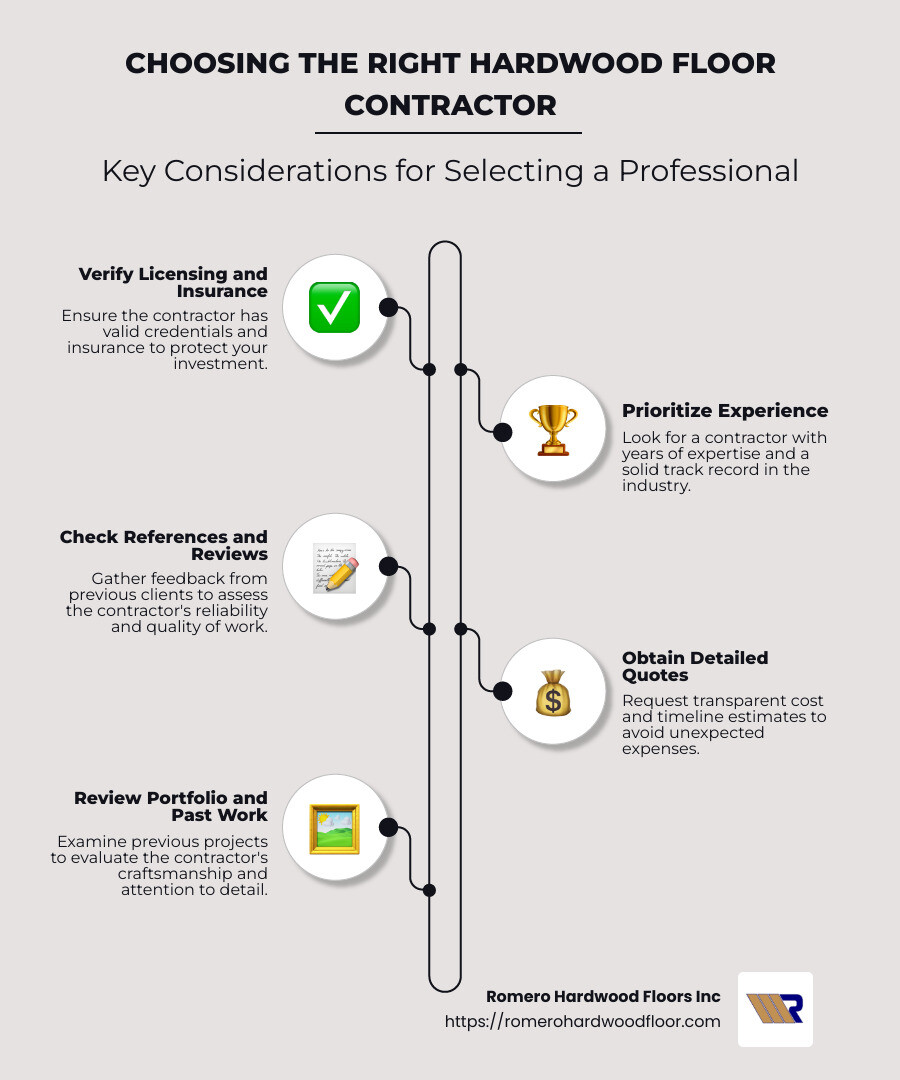
- Licensing and Insurance: Verify the contractor’s credentials.
- Experience: Prioritize those with years of expertise and a solid track record.
- References and Reviews: Seek feedback from past clients.
- Detailed Quotes: Ensure transparency in costs and timelines.
When it comes to flooring solutions, selecting the right contractor is paramount. Hardwood floors are a significant investment that improves your property’s value and aesthetics. Entrusting this to a professional ensures quality, efficiency, and durability in your flooring project. A professional hard wood floor contractor brings specialized skills and equipment, changing your space with elegance and precision.
With 15 years of experience, I’m Francisco Romero, owner of Romero Hardwood Floors Inc. As a professional hard wood floor contractor, I’ve dedicated my career to delivering outstanding hardwood flooring installations across Revere, MA, guaranteeing satisfaction and long-term value.
Easy professional hard wood floor contractor word list:
– cost of hardwood floor installation
– diy hardwood floor installation
– hardwood floor installation patterns
Understanding Hardwood Flooring
Hardwood flooring is a classic choice for many homeowners due to its beauty and durability. Let’s explore the key aspects to consider when choosing hardwood flooring: types of wood, durability, maintenance, and lifespan.
Types of Wood
Hardwood flooring comes in various species, each with unique characteristics:
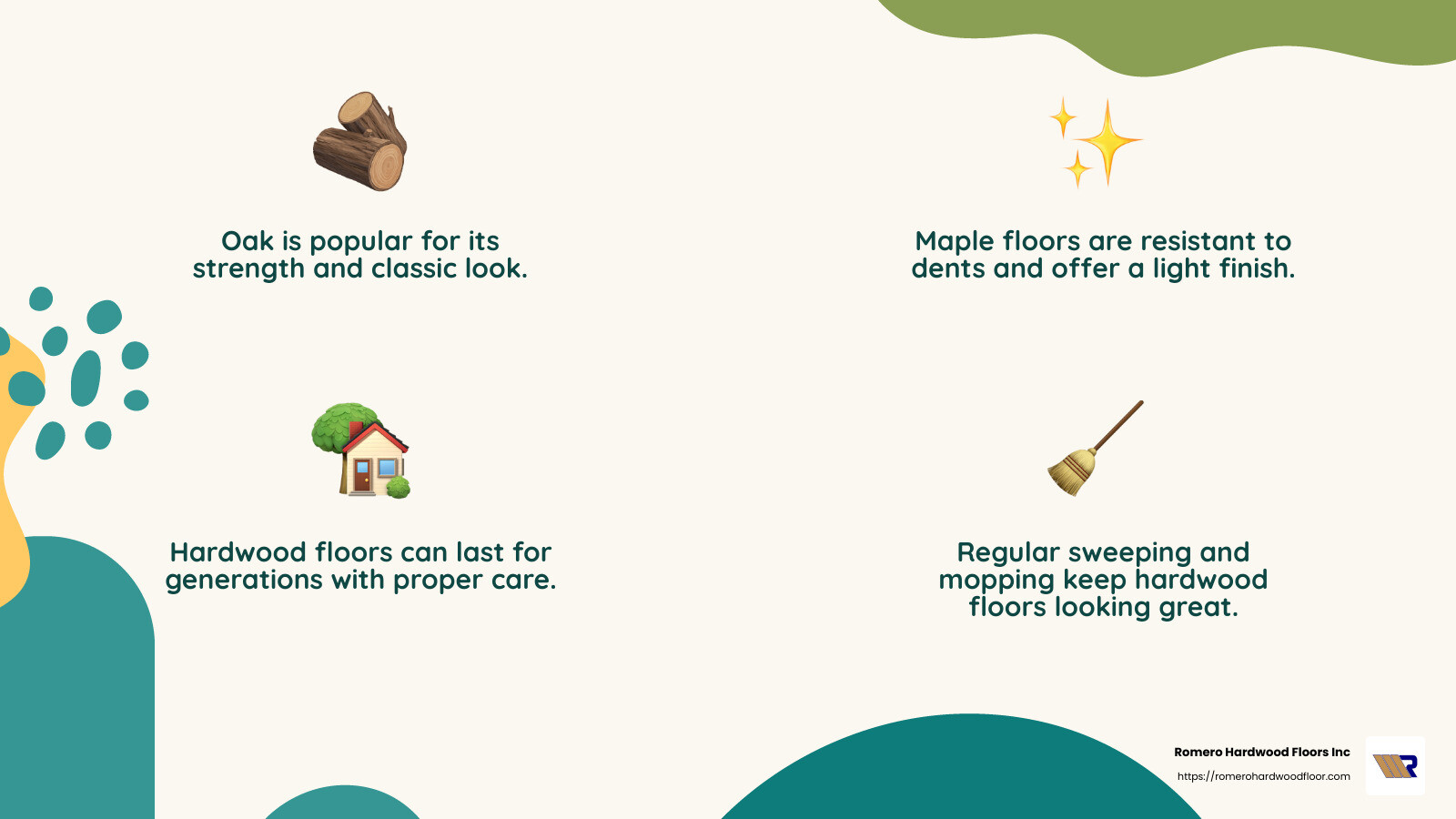
- Oak: Known for its durability and versatility in stains and finishes. It’s a popular choice due to its strength and classic look.
- Maple: Offers a light, natural finish and is harder than oak, making it resistant to dents.
- Cherry: Loved for its rich, deep colors that darken over time. It’s softer than oak or maple, adding a luxurious touch.
- Walnut: Provides a deep, rich color with a smoother grain, perfect for an neat appearance.
- Bamboo: Although technically a grass, bamboo is included due to its sustainability and hardness comparable to traditional hardwoods.
Each type of wood offers different grain patterns and colors, impacting the room’s final look and the wood’s longevity.
Durability
Hardwood floors are renowned for their strength and resilience. High-quality species like oak and maple can withstand heavy foot traffic, making them ideal for high-use areas like entryways and living rooms. Properly maintained hardwood floors can last for decades, often outlasting other flooring options.
Maintenance
One of the benefits of hardwood flooring is its low maintenance. Regular sweeping or vacuuming and occasional mopping with a damp mop keep them looking great. Hardwood floors don’t trap dust, allergens, or pet dander, making them an excellent choice for any room in your home.
Lifespan
The lifespan of hardwood flooring is impressive. With proper care, these floors can last for generations. Unlike carpet or vinyl, which may need replacing every few years, hardwood’s longevity reduces the need for frequent replacement, making it a cost-effective choice in the long run.
In summary, understanding the types of wood, their durability, maintenance requirements, and lifespan is crucial in selecting the right hardwood flooring for your home. This knowledge ensures you make an informed decision that improves the beauty and value of your living space.
Why Hire a Professional Hardwood Floor Contractor?
Choosing to hire a professional hardwood floor contractor is more than just a wise decision—it’s an investment in your home’s future. Here’s why:
Expertise
A professional contractor brings specialized knowledge that ensures your hardwood floors are installed correctly. They understand the nuances of different wood types, installation techniques, and the importance of acclimating wood to your home’s environment. This expertise minimizes the risk of common issues like cupping or buckling due to improper installation.
Consider this: Mahogany Taylor, a general contractor, advises that “investing in professional installation can save you from costly mistakes and ensure a flawless finish that improves your home’s value.”
Quality
The quality of work performed by professionals is usually superior. They have access to high-grade materials and tools that ensure a precise and aesthetically pleasing installation. This attention to detail can significantly impact the final look and durability of your floors. Professionals follow industry standards, such as those set by the National Wood Flooring Association, to deliver results that last.
Time-Saving
Installing hardwood floors is a time-intensive process. It involves preparation, precise cutting, and detailed installation. Professionals can complete the job efficiently because they have the experience and manpower to handle it. This allows you to enjoy your new floors sooner and without the hassle of a drawn-out DIY project.
Cost-Effective
While hiring a contractor might seem costly upfront, it often proves cost-effective in the long run. Hardwood flooring done right lasts for decades, reducing the need for frequent repairs or replacements. Additionally, professionals help avoid costly mistakes that can arise from improper installation, saving you money and stress down the line.
In summary, hiring a professional hardwood floor contractor ensures your floors are installed with expertise, quality, and efficiency. This decision not only saves you time and potential headaches but also improves the beauty and value of your home.
How to Choose the Right Contractor
Selecting the right professional hardwood floor contractor is crucial for a successful flooring project. Here’s how to make an informed choice:
Check Credentials and Certifications
When hiring a contractor, always verify their credentials. Look for valid licenses and certifications that demonstrate their expertise and compliance with industry standards. Reputable contractors often hold certifications from organizations like the National Wood Flooring Association, which ensures they are up-to-date with the latest installation techniques and best practices.
Evaluate Experience and Expertise
Experience matters. Contractors with years in the business have likely encountered a wide range of projects and challenges. Ask about their specialization—do they focus on residential, commercial, or both? A contractor with a proven track record in your type of project can offer valuable insights and solutions.
Read Reviews and Ask for References
Customer feedback is a powerful tool. Online reviews and testimonials provide insight into a contractor’s reliability and quality of work. Look for patterns in feedback regarding punctuality, professionalism, and problem-solving skills. Additionally, request references from past clients to hear about their experiences.
Review Portfolio and Past Work
Examine a contractor’s portfolio to assess the quality and style of their work. A good portfolio showcases a variety of projects, highlighting their attention to detail and ability to meet client expectations. Look for consistency in quality and any specific styles or techniques that align with your vision.
Choosing the right contractor involves thorough research and evaluation. By focusing on credentials, experience, and client feedback, you can ensure your hardwood flooring project is in capable hands.
Questions to Ask Potential Contractors
When hiring a professional hardwood floor contractor, asking the right questions is key to ensuring a successful project. Here are some important queries to consider:
Do They Mix Planks for Color Variation?
Color variation is a crucial aspect of hardwood flooring that can significantly impact the aesthetics of a room. Mixing planks from different boxes can create a natural, varied look that improves the beauty of the wood. Ask your contractor if they mix planks during installation to achieve this effect. This technique helps avoid uniformity and ensures a more authentic look.
Do They Leave Room for Expansion?
Hardwood floors naturally expand and contract with seasonal changes in humidity and temperature. It’s essential to leave expansion gaps around the perimeter of the room to accommodate this movement. Without these gaps, floors may buckle or warp, compromising their structural integrity. Ensure your contractor understands the importance of leaving adequate space for expansion and knows how to calculate it based on your specific environment.
How Do They Handle Cupping and Buckling?
Cupping and buckling are common issues caused by moisture imbalance in hardwood floors. Proper moisture control and sealing techniques are essential to prevent these problems. Ask your contractor how they manage moisture levels during installation. Do they use moisture meters to assess the subfloor and wood before installation? Understanding their approach to moisture management can save you from future headaches.
What Type of Wood Do They Use?
The type of wood used in your flooring project can affect both the appearance and longevity of your floors. Discuss with your contractor the differences between hardwood and engineered wood. Hardwood offers a classic look and can be refinished multiple times, while engineered wood is more stable and resistant to moisture. Additionally, inquire about wood veneers if you’re considering engineered options, as the thickness and quality of the veneer can influence durability and appearance.
By asking these questions, you can gauge a contractor’s expertise and ensure they are well-equipped to handle your hardwood flooring needs. Understanding their approach to key aspects like color variation, expansion, moisture control, and wood types will help you make an informed decision and achieve the best results for your home.
Cost Considerations
Choosing the right professional hardwood floor contractor involves understanding the costs associated with hardwood floor installation. Here, we break down the average costs, factors affecting these costs, and tips to save money.
Average Costs of Hardwood Floor Installation
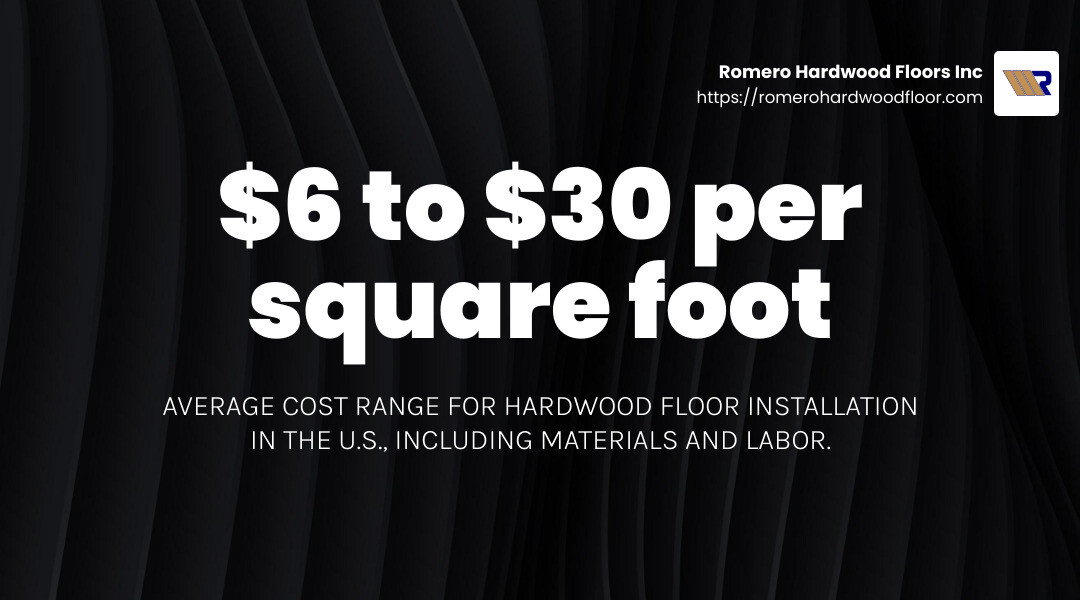
The cost of installing hardwood floors can vary widely. On average, homeowners in the U.S. spend between $6 to $12 per square foot for basic hardwood installation. This includes both materials and labor. For mid-range options, costs typically range from $9 to $18 per square foot, while high-end or exotic hardwoods can cost between $15 to $30 per square foot. These figures can fluctuate based on the specific details of your project and current market rates.
Factors Affecting Installation Costs
Several factors can influence the overall cost of your hardwood floor installation:
- Wood Type: Exotic woods are generally more expensive than domestic options. The choice between solid hardwood and engineered wood also impacts cost.
- Project Size: Larger projects may reduce the cost per square foot but increase the total cost.
- Subfloor Condition: If your subfloor requires leveling or moisture treatment, expect additional costs.
- Labor Costs: The complexity of the installation and the contractor’s experience can affect labor costs.
- Additional Services: Removal of old flooring, baseboard adjustments, or custom finishes can add to the total cost.
Tips for Saving Money
Installing hardwood floors is a significant investment, but there are ways to manage costs effectively:
- Shop Around: Get multiple quotes from different contractors to ensure you’re getting the best price.
- Consider Prefinished Hardwood: Prefinished options can save on labor costs since they arrive already sanded and sealed.
- Choose a Less Expensive Wood: Opt for more affordable woods like pine or bamboo if budget is a concern.
- DIY Options: If you’re handy, consider removing old flooring yourself to save on labor costs.
- Off-Season Discounts: Some contractors offer discounts during slower seasons. It might be worth waiting for these opportunities to save some money.
By understanding these cost considerations, you can plan your budget more effectively and make informed decisions when hiring a professional hardwood floor contractor. This knowledge helps ensure that your investment in new flooring is both beautiful and cost-effective.
Frequently Asked Questions about Professional Hardwood Floor Contractors
How Much Does It Cost to Install Hardwood Floors?
The cost of installing hardwood floors can be a big concern for many homeowners. Generally, the price ranges from $6 to $12 per square foot for basic hardwood installation. This includes both materials and labor. If you’re considering mid-range hardwood, expect to pay between $9 to $18 per square foot. High-end or exotic hardwoods can cost as much as $15 to $30 per square foot.
These costs can vary due to several factors:
- Type of Wood: Choosing between solid hardwood and engineered wood affects cost. Exotic woods are pricier than local varieties.
- Project Size: Larger areas might lower the cost per square foot but increase the overall total.
- Subfloor Condition: Any necessary subfloor repairs or treatments can add to the cost.
- Labor Costs: The complexity of the job and the contractor’s expertise can influence labor expenses.
While some might consider a DIY approach to save on costs, hiring a professional hardwood floor contractor ensures quality and durability, potentially saving money in the long run by avoiding costly mistakes.
How Long Does It Take to Install Hardwood Floors?
The time it takes to install hardwood floors depends on various factors, but typically, a single room can be completed in a day, while a whole house may take several days. Here are some elements that influence the timeframe:
- Project Scope: A larger area will naturally take more time to complete.
- Team Size: More professionals on the job can speed up the process.
- Floor Type: Some floors, like vinyl, can be used right away, while hardwood may need time to acclimate and settle.
Proper preparation is crucial. This includes removing old flooring, cleaning, and leveling the subfloor. These steps ensure a smooth installation process and a lasting finish.
Should I Remove Baseboards When Installing Hardwood Floors?
Removing baseboards before installing hardwood floors is a common question. While it’s not always necessary, doing so can help ensure a cleaner look and proper alignment. Here are some considerations:
- Alignment: Removing baseboards allows for a seamless transition between the floor and walls.
- Expansion Gap: Hardwood floors need room to expand and contract with seasonal changes. Removing baseboards can provide the necessary space for this expansion gap.
- Aesthetic: Reinstalling or replacing baseboards after floor installation can improve the overall appearance.
Discuss these options with your professional hardwood floor contractor to decide what’s best for your specific project. Proper planning and execution can lead to a beautiful and durable hardwood floor that complements your home.
Conclusion
Choosing the right professional hardwood floor contractor is crucial for a successful flooring project. This guide has walked you through the key steps and considerations, from understanding the costs and timelines to knowing what questions to ask potential contractors. By following these guidelines, you can ensure that your hardwood floor installation is smooth, efficient, and meets your expectations.
Final Tips:
- Research Thoroughly: Check credentials, read reviews, and ask for references. A well-informed decision is always the best one.
- Prioritize Quality: While cost is important, the quality of materials and workmanship should never be compromised. Investing in quality now can save you money and hassle later.
- Communicate Clearly: Make sure to discuss all your needs and preferences with your contractor. Clear communication can prevent misunderstandings and ensure your vision is realized.
At Romero Hardwood Floors Inc, we pride ourselves on delivering exceptional service and craftsmanship. With our extensive experience and commitment to customer satisfaction, we are ready to help you improve your home with beautiful hardwood floors. For more information on our services, visit our Hardwood Flooring Contractors page.
By choosing a professional contractor, you not only ensure a high-quality installation but also add lasting value to your home. We hope this guide has been helpful and wish you the best in your hardwood flooring journey!
