
Contractor Grade Wood Floor: #1 Unbeatable Guide
What Makes Contractor Grade Wood Floor Different from Other Grades?
Contractor grade wood floor refers to the lower grades of hardwood flooring that prioritize affordability over appearance uniformity. These grades include more natural character marks, knots, and color variations compared to premium grades.
Quick Answer for Contractor Grade Wood Floor:
- Also called: #2 Common, #3 Common, Rustic, Utility, Builder, or Tavern grade
- Cost: Typically 50% less than Select grade flooring
- Characteristics: More knots, mineral streaks, color variation, shorter boards
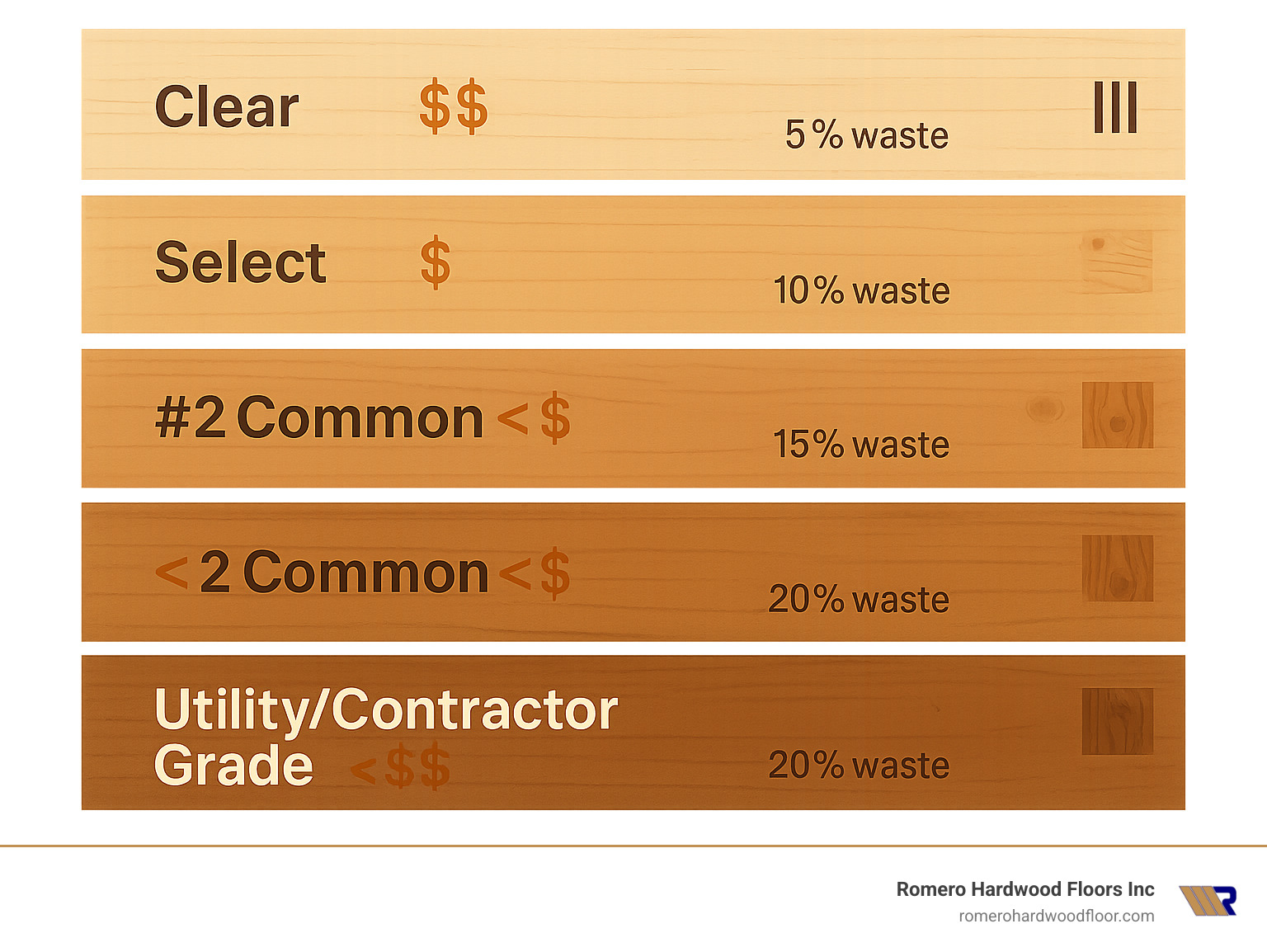
- Waste factor: Plan for 20-25% waste due to defects
- Best for: Budget projects, rustic aesthetics, rental properties
The significant price difference between hardwood floors often comes down to the grading system. Wood flooring grades are about appearance, not structural quality or durability. Simply put, wood with fewer character markings is rarer and therefore costs more.
The reality is simple: contractor grade offers real solid hardwood at a much lower price, but with nature’s full character on display. It features open knots, mineral streaks, color variations, and shorter boards. While some love its personality, others avoid it due to higher waste and installation challenges.
Unlike the uniform perfection of Select grade, contractor grade accepts the raw, unique beauty of wood, including all its imperfections.
I’m Francisco Romero, owner of Romero Hardwood Floors Inc. With over 15 years of experience in the Revere area, I’ve learned that success with contractor grade wood floor projects requires proper planning, realistic expectations, and skilled installation to work around natural defects.
Contractor grade wood floor vocab to learn:
- contractor price for engineered wood flooring
- wood floor installation contractors
- affordable wood flooring contractors
What is “Contractor Grade” Wood Flooring?
Contractor grade wood floor isn’t an official grade but an industry catch-all term for the lower appearance grades of solid hardwood. These grades accept wood’s natural character instead of hiding it.
A common misconception is that lower grade means lower quality. In reality, the grading system is about looks, not strength. A #2 Common board is just as durable as a Select grade board from the same tree, with the same hardness and lifespan. The only difference is the amount of natural character, like knots and mineral streaks.
Think of it this way: Select grade is like a perfectly edited photo, while contractor grade is the unfiltered, authentic version. Both are beautiful, just in different ways.
Manufacturers set their own grading standards, which can be confusing. While the National Wood Flooring Association provides guidelines, standards aren’t universal. A supplier’s “Rustic” grade may vary, but the core characteristics are generally consistent. For more technical details, you can review the official NWFA grading guidelines.
Common Names for Contractor Grade
When shopping, you’ll see various names for this category, all meaning character-rich wood at affordable prices.
#2 Common: This is the most popular type, featuring noticeable knots, color variations, and shorter boards. It’s ideal for getting real hardwood on a budget.
#3 Common (Utility or Tavern Grade): This grade has even more character, with dramatic color differences, larger knots, and some defects like splits. It’s the most affordable solid hardwood, but requires a higher waste factor.
Rustic, Cabin, or Builder Grade: These names emphasize a natural, lived-in look, celebrating knots, mineral streaks, and varied grain patterns.
These grades offer an authentic character and personality that higher, more uniform grades lack.
Lumber Grades vs. Flooring Grades
Lumber grades and flooring grades are not the same, despite sometimes using similar names.
Lumber grades, created for furniture and cabinet makers, assess how much clear wood can be cut from a board.
Flooring grades are different. They assess the board’s appearance as a whole plank on the floor. A characteristic acceptable for furniture might be undesirable for flooring.
Therefore, flooring manufacturers create proprietary grades based on NWFA guidelines, custom for flooring performance. Some offer premium grades from older timber with longer boards and more consistent heartwood.
When buying, focus on flooring-specific grades, as they are designed to meet expectations for a floor’s appearance and budget.
A Guide to Wood Flooring Grades
Wood flooring grades are about aesthetics, not strength. Each grade reflects the tree’s history, offering a different level of character to suit your preferred look.
Graders look for wood characteristics like knots (where branches grew), mineral streaks (from absorbed minerals), and natural color variation between the darker heartwood and lighter sapwood. Other features include wormholes, varying board length (longer in premium grades), and occasional milling imperfections.

Higher Grades: Select, #1 Common, and Clear
For a near-perfect, uniform appearance with minimal knots and consistent color, higher grades are the ideal choice.
Clear Grade: The highest grade, offering the most uniform look with almost no imperfections. It features consistent color, longer boards for fewer seams, and is typically sourced from the tree’s stable heartwood.
Select Grade: A close second, this premium grade has a clean look with only minor imperfections like small pin knots. It has minimal color variation and long boards for an expansive feel.
#1 Common: This grade balances character and uniformity. It has more color variation, small knots, and mineral streaks, offering personality without being overwhelming. Its higher cost reflects this balance.
Understanding Contractor Grade Wood Floor Characteristics
Contractor grade flooring showcases wood’s full character, including every mark and streak from its life.
Significant character is the hallmark. Expect dramatic color variations, even within one board, and common open knots. These features are not defects but signs of authentic wood. Wormholes, dark mineral streaks, and milling imperfections like splits or damaged tongues are also present and require attention during installation.
The shorter average board length results in more seams, creating a busier, traditional look, with boards as short as 8-12 inches.

Here’s how the grades stack up when you’re making decisions:
| Grade | Cost (Relative) | Appearance & Character | Board Length |
|---|---|---|---|
| Clear | Highest | Most uniform, minimal knots/color variation | Longest |
| Select | High | Few imperfections, consistent color/grain | Long |
| #1 Common | Medium-High | Balanced character, small knots | Medium-Long |
| #2 Common | Low-Medium | Significant variation, prominent knots | Shorter |
| #3 Common/Utility | Lowest | Maximum character, open knots, splits | Shortest |
These are average costs based on internet data and not actual costs for Romero Hardwood Floors Inc. Pricing can vary dramatically – while basic contractor grades might start around $1.50 per square foot, premium Clear grades can reach $15+ per square foot depending on the species and supplier.
My 15+ years of experience have taught me that contractor grade is about embracing more character and personality, making your floor unique.
The Pros and Cons of Contractor Grade Flooring
Choosing a contractor grade wood floor means trading uniformity for cost savings and character. Based on my experience in communities like Nahant and Peabody, it’s a great choice for some projects but challenging for others. Contractor grade is an aesthetic choice: it celebrates the natural variations that higher grades conceal.
Advantages: Unbeatable Price and Rustic Charm
The price is unbeatable, offering genuine solid hardwood for a fraction of the cost of premium grades. Based on internet data, prices can range from $1.49 to $6.00 per square foot, making it a very budget-friendly option.
The rustic character is stunning, with dramatic color variations, bold knots, and mineral streaks. This makes it perfect for farmhouse, industrial, or cabin styles, as many clients choose it specifically for its unique personality.
You also get solid hardwood durability. The grade refers to appearance, not structural integrity, so the wood is just as strong and long-lasting as premium grades from the same species.
Disadvantages: High Waste Factor and Inconsistencies
A high waste factor is unavoidable. Plan for 20-25% waste, sometimes more, due to unusable boards with splits, cracks, or missing tongues and grooves. This waste increases the effective cost per square foot.
Inconsistencies can be jarring. Expect dramatic color shifts, open knots that need filling, machine burns, and a mix of long and very short boards.
Installation is more complex. It requires extra time for sorting, cutting around defects, and strategic placement. A skilled approach is crucial, and some defects may require professional Hardwood Floor Repair.
In summary, contractor grade floors can be stunning with proper installation and realistic expectations. It requires patience, skill, and budgeting for waste. Our clients in areas like Revere and Salem who love these floors are those who acceptd their rustic character from the start.
Is a Contractor Grade Wood Floor Right for Your Project?
Choosing a contractor grade wood floor requires matching your budget, style, and practical needs. My 15 years of experience on the North Shore have shown that the ‘right’ floor is about the perfect fit for your situation, not the price tag.
Ask yourself: What is my budget? Do I prefer a rustic or uniform look? Am I prepared for a more complex installation? Being honest about what you want to live with is key, as some homeowners love the rustic charm while others realize they prefer a more consistent look.
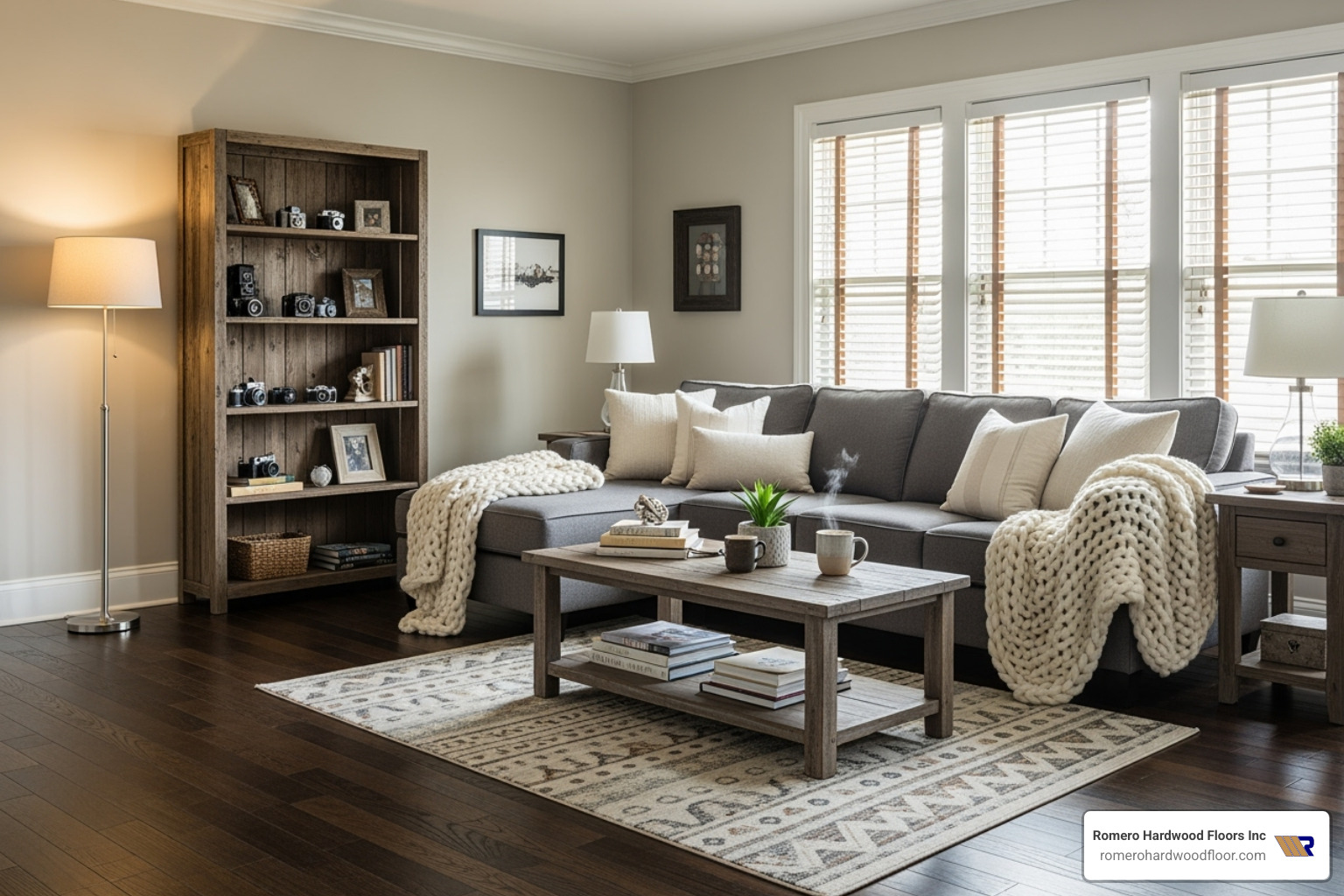
Ideal Applications and Uses
Contractor grade wood floor shines in certain situations:
- Rental properties: The floors are durable, budget-friendly, and the natural character helps hide everyday wear and tear.
- Cabins and cottages: The rustic character creates a timeless, relaxed feel.
- Basements, workshops (with proper moisture control), and low-traffic areas: It provides durability without the premium price.
- Tight budgets: It’s the perfect solution for those who still want real hardwood.
- Specific designs: It’s ideal for rustic, farmhouse, or industrial styles.
What to Know Before Buying a Contractor Grade Wood Floor
Before buying, understand these important considerations:
“As-Is” Policies: Most suppliers sell this grade without returns for appearance-related issues. We ensure our clients understand this to avoid surprises.
Calculating Waste: A 20-25% waste factor is standard, but it’s wise to order more. Running short is a major problem, as a new batch may not match.
Experienced Installer: A skilled Wood Flooring Contractor is crucial. They know how to manage defects, sort boards for color flow, and work with short lengths to create a beautiful, cohesive floor. Inexperience can lead to excessive waste and a poor finish. Our team has the expertise from installations across Stoneham and Wakefield to maximize your investment.
Stain is a secret weapon. Darker stains unify the floor, minimizing color variations. Natural finishes highlight every characteristic, which is great for a truly rustic look. Our Floor Sanding and Varnishing services can help you achieve either look.
Frequently Asked Questions about Contractor Grade Floors
Here are answers to common questions we hear from homeowners in areas like Winchester and Woburn about contractor grade wood floor.
Is contractor grade flooring less durable than higher grades?
No, contractor grade flooring is not less durable. This is a common myth. The grade refers to appearance, not structural strength. A board’s durability is determined by the wood species, not its grade. A contractor grade oak floor has the same Janka hardness rating as a Select grade one.
A floor’s lifespan depends on the wood species, installation quality, finish, and maintenance—not its visual character marks. However, severe defects like large holes or splits must be cut out or repaired during installation, which is why an experienced installer is essential.
How does staining affect the look of contractor grade wood?
Staining can dramatically change the look of a contractor grade wood floor.
Darker stains are very effective at unifying the floor’s appearance. They blend color variations, mineral streaks, and knots, creating a cohesive look.
Conversely, a natural or light stain will highlight every characteristic, which is perfect for achieving an authentic rustic or farmhouse look.
The choice is yours: go dark to tame the variations, or go natural to celebrate them.
Can you refinish a contractor grade wood floor?
Yes, absolutely. Because it’s solid hardwood, a contractor grade wood floor can be refinished, offering the same long-term value as premium grades. It can be sanded and refinished multiple times. Our Hardwood Floor Refinishing service can restore it or give it a completely new look.
Interestingly, refinishing can create a more uniform look as some surface character is sanded away. It also allows you to update the stain color to match new décor. This ability to be refinished means your floor can last for generations, making it a sustainable and cost-effective choice.
Conclusion
Contractor grade wood floor is about making a smart choice that fits your budget and project needs, not about settling for less.
We’ve learned that contractor grade is a catch-all term for lower appearance grades like #2 Common or Rustic. It provides authentic solid hardwood at a budget-friendly price. Its character-rich appearance, with knots and color variations, creates a floor with personality. However, you must plan for a higher waste factor (20-25%+) and hire an experienced installer.
Crucially, contractor grade is not weaker; its durability depends on the wood species, not the grade. It’s just as strong as premium grades, but with more character.
Finishing offers great flexibility. Darker stains can unify the look, while lighter finishes highlight its natural character. As solid hardwood, it can be refinished multiple times, making it a smart long-term investment.
This grade is ideal for rental properties, cabins, basements, and any project seeking authentic charm on a budget. It’s for those who value character over uniformity.
Since 2006, Romero Hardwood Floors Inc. has installed countless contractor grade floors across Massachusetts, from Revere to Salem. We have the expertise to minimize waste and create stunning results.
The bottom line: Contractor grade wood floor is a great path to solid hardwood when you’re on a budget and love wood’s natural, imperfect beauty.
For a flawless result that maximizes the potential of your chosen grade, trust our expert Hardwood Flooring Installation team. We bring guaranteed workmanship, competitive pricing, and the experience to make your contractor grade wood floor look absolutely spectacular.
