
Best Floating Floorboards: Ultimate Guide 2025
Finding the Best Floating Floorboards for Your Home
Choosing the best floating floorboards can transform your home with a smart, versatile, and budget-friendly update. But with so many options, which is right for you?
Here’s a quick look at the top contenders:
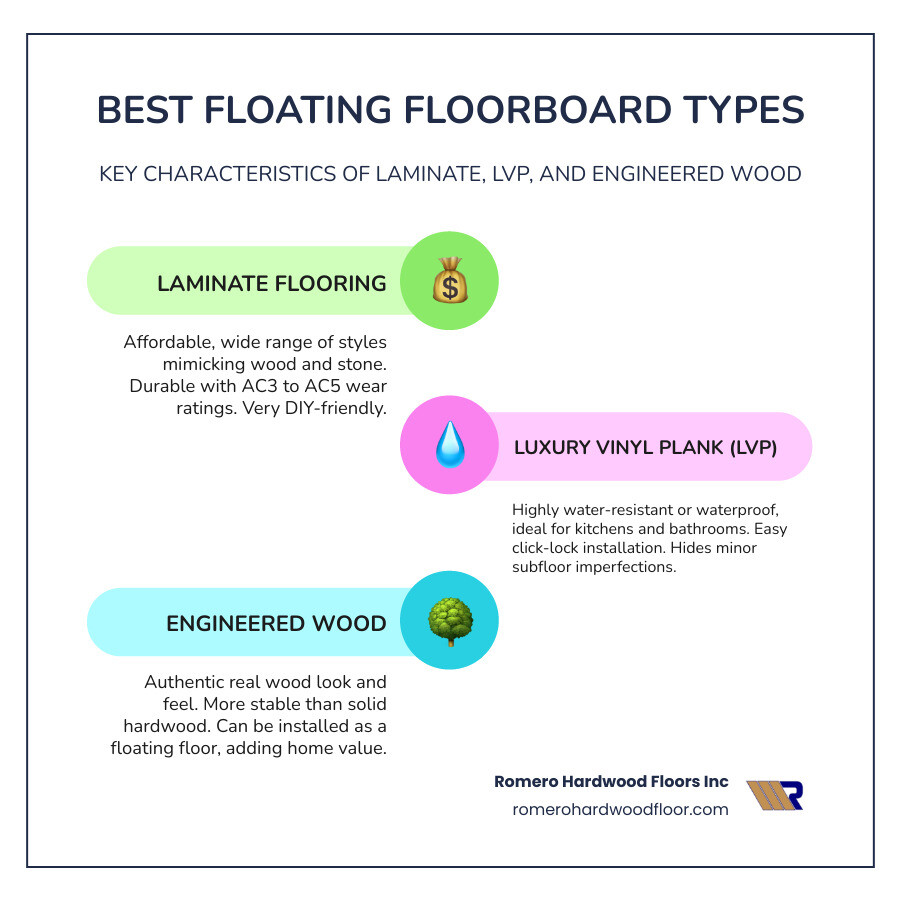
- Laminate Flooring: Known for affordability, durability (AC3-AC5 ratings), and a wide range of styles. Very DIY-friendly.
- Luxury Vinyl Plank (LVP): Highly water-resistant or waterproof, making it ideal for kitchens and bathrooms. It’s durable and easy to install.
- Engineered Wood Flooring: Offers the authentic look of real wood with greater stability. It can be installed as a floating floor and adds significant value to your home.
Floating floors aren’t attached to the subfloor. Instead, planks lock together, creating a surface that “floats” above the existing floor. This makes installation quick, clean, and popular for DIY projects. They can be laid over various surfaces like concrete or old tile.
I’m Francisco Romero, owner of Romero Hardwood Floors Inc. With over 15 years of experience, my passion is helping clients find the perfect flooring solution for their vision and lifestyle. We’re here to guide you through every step.
Relevant articles related to best floating floorboards:
Understanding Floating Floors: Types, Pros, and Cons
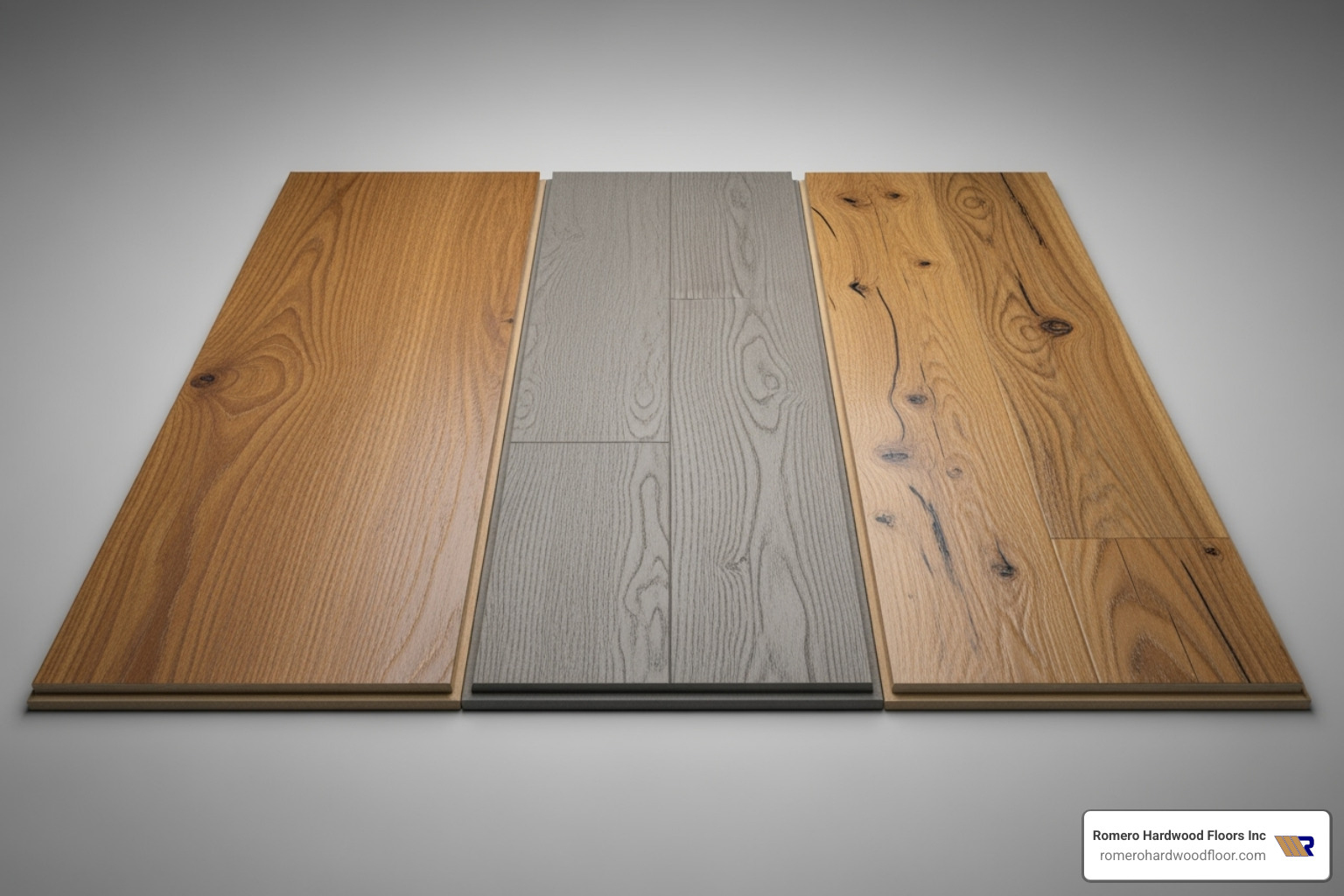
A floating floor isn’t a type of material, but an installation method. Instead of being glued or nailed down, planks connect to each other and “float” over the subfloor. This is usually done with a click-lock system, where planks snap together, or a tongue-and-groove system. The key is that the floor isn’t attached to the subfloor, making installation much easier.
The Main Types of Floating Floorboards
When finding the best floating floorboards, you’ll typically choose from three popular materials:
Engineered Wood: For the genuine beauty of real wood with added stability, engineered wood is a fantastic choice. It has a top layer of real hardwood veneer over a core of plywood or HDF, making it less prone to warping from temperature and humidity changes. It offers an authentic look, comes in many species and finishes, and can add significant value to your home. Learn more about our Engineered Hardwood Flooring options.
Luxury Vinyl Plank (LVP): This popular option realistically mimics wood or stone, often with convincing textures. It’s built in layers, including a durable wear layer and a rigid core (SPC or WPC) that makes it highly water-resistant. The interlocking system allows for quick installation, sometimes with a built-in underlayment.
Laminate Flooring: An affordable and stylish solution, laminate is a multi-layer product known for its durability and resistance to scratches and dents. A high-resolution image layer provides a realistic wood or stone look, protected by a tough wear layer. It’s easy to clean and a great choice for busy households. For more details, see our page on Laminate Wood Flooring.
Advantages and Disadvantages
Choosing floating floorboards means weighing the pros and cons. Here’s a quick comparison:
| Feature | Laminate Flooring | Luxury Vinyl Plank (LVP) | Engineered Wood Flooring |
|---|---|---|---|
| Pros | – Highly affordable | – Exceptionally water-resistant/waterproof | – Authentic real wood look and feel |
| – Wide range of realistic designs | – Very durable and resilient | – More stable than solid hardwood | |
| – Excellent dent and scratch resistance | – Hides minor subfloor imperfections | – Can add significant property value | |
| – DIY-friendly installation (click-lock) | – Quiet underfoot with proper underlayment | – Suitable for underfloor heating | |
| – Easy to clean and maintain | – Easy to clean | – Wide variety of wood species and finishes | |
| Cons | – Can feel “hollow” or noisy underfoot | – Can be more expensive than laminate | – Generally not refinishable (depends on veneer thickness) |
| – Not suitable for high-moisture areas unless waterproof type | – Less rigid than laminate or engineered wood (some types) | – Susceptible to scratches and dents like real wood | |
| – Cannot be refinished | – Cannot be refinished | – Higher cost than laminate or LVP | |
| – Less perceived real estate value than real wood | – Less perceived real estate value than real wood | – Can still be affected by extreme moisture |
The main advantages across all floating floors are DIY-friendliness, cost savings on labor, fast installation, and versatility, as they can often be laid over existing hard surfaces. On the downside, some types can feel or sound hollow underfoot, though a quality underlayment helps significantly. Most floating floors also have limited refinishing options; laminate and LVP cannot be refinished, and engineered wood only can be if the veneer is thick enough. Durability varies by material, so it’s crucial to match the floor type to your room’s needs.
A Buyer’s Guide to the Best Floating Floorboards
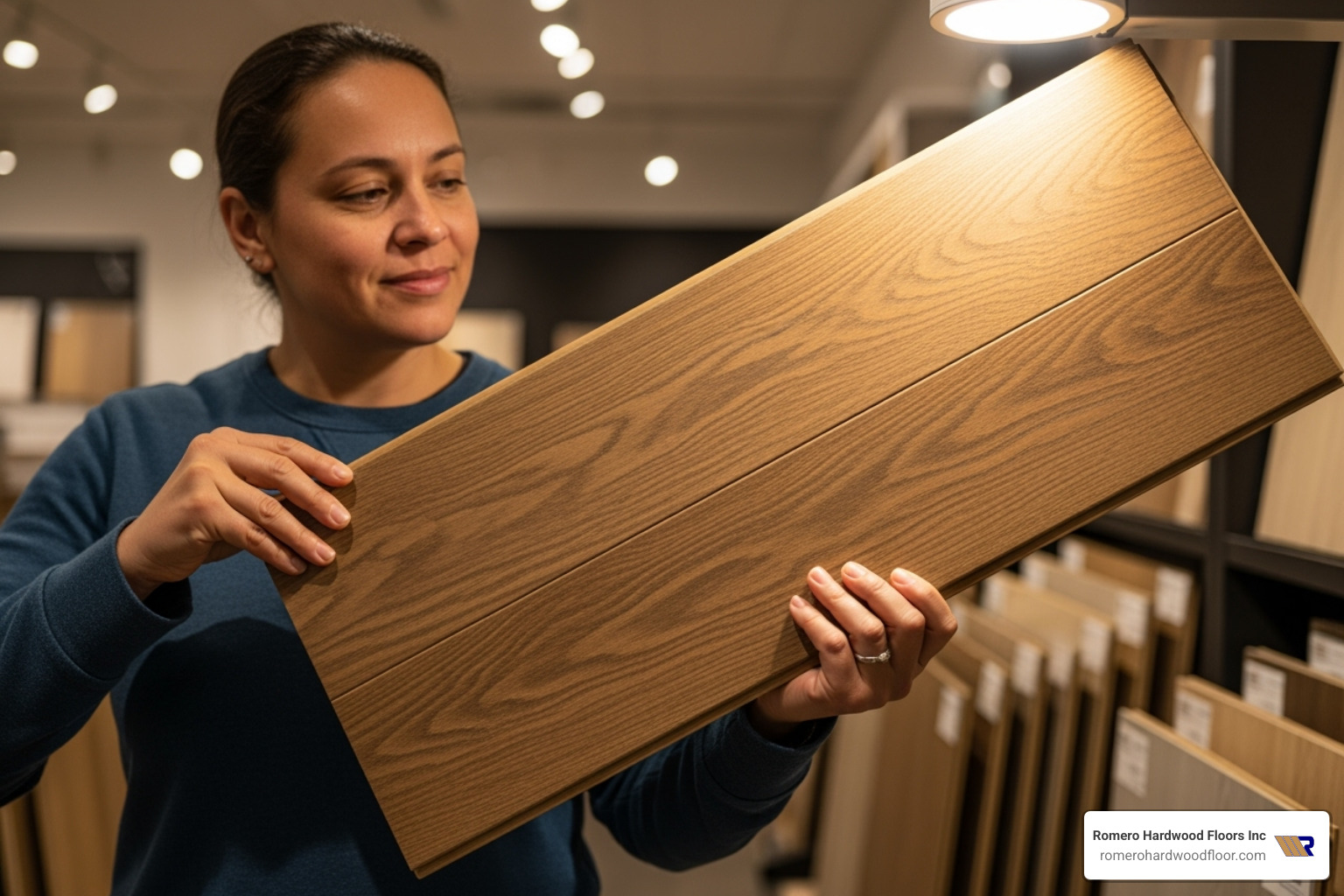
Choosing the best floating floorboards is an exciting decision. It’s about finding a floor that fits your lifestyle, budget, and the specific needs of each room. Consider long-term maintenance, repair costs, and expected lifespan. A busy kitchen has different requirements than a quiet bedroom, and homes with pets or kids need durable flooring that can withstand heavy use.
Key Factors for Choosing the Best Floating Floorboards
To pick the perfect floating floor, consider these key factors:
- Material Type: Choose between laminate, luxury vinyl plank (LVP), or engineered wood, each with unique aesthetics, durability, and costs.
- Thickness: Measured in millimeters (mm), thicker planks (e.g., 7-12mm for laminate, 4-8mm+ for LVP) feel more solid and can hide minor subfloor imperfections.
- Wear Layer & AC Rating: The wear layer (measured in mil for LVP) protects against scratches and stains; 12-20 mil is common for homes. Laminate uses an AC rating (AC1-AC5) for durability; AC3 or AC4 is ideal for most residential use.
- Core Construction: The core determines stability and water resistance. Laminate uses HDF, while LVP often has rigid cores like SPC (Stone Plastic Composite) or WPC (Wood Plastic Composite). Engineered wood uses a plywood or HDF core for stability.
- Finish and Style: For engineered wood, choose between durable UV lacquered or natural UV oiled finishes. Also consider the wood species, color, and texture that best suit your home’s style. Explore our High Quality Laminate Flooring to see the possibilities.
What are the Best Floating Floorboards for High-Traffic Areas?
For high-traffic areas like hallways, kitchens, or commercial spaces, durability is paramount. For laminate, look for a high Abrasion Class (AC) rating. An AC4 or AC5 rating offers superior resistance to scratches, dents, and stains, making it suitable for heavy residential or commercial use.
Luxury Vinyl Plank (LVP) is also an excellent choice, especially with a thick wear layer of 20 mil or more and a rigid core (SPC or WPC). These features make it incredibly resilient to constant foot traffic.
For engineered wood, durability depends on the hardness of the wood species (Janka Hardness Scale) and the veneer thickness. Harder woods like oak handle wear better. While tough, it may show wear faster than high-grade laminate or LVP in extreme-traffic commercial settings. Learn more in our Engineered vs. Solid Hardwood comparison.
Cost, Lifespan, and Warranties
Understanding the financial aspect is crucial. Please note: the costs listed here are average costs we’ve found online and are not the actual prices from Romero Hardwood Floors Inc. We provide competitive pricing customized to your specific project.
Here’s a general idea of average material costs (per square foot):
| Flooring Type | Average Material Costs (per square foot) |
|---|---|
| Laminate Flooring | Approximately $2.70 – $15 |
| Luxury Vinyl Plank (LVP) | Typically $3 – $21 |
| Engineered Hardwood | Generally $5 – $25 |
With proper care, floating floors have a long lifespan. Laminate and LVP can last for many years, while engineered wood can last for several decades. Always check the manufacturer warranties, which often range from 20 to 30 years for quality products, covering manufacturing and finish defects under normal use. Be sure to read the warranty details before purchasing. For more on project costs, see our Engineered Hardwood Flooring Installation Cost guide.
Installation and Maintenance Essentials
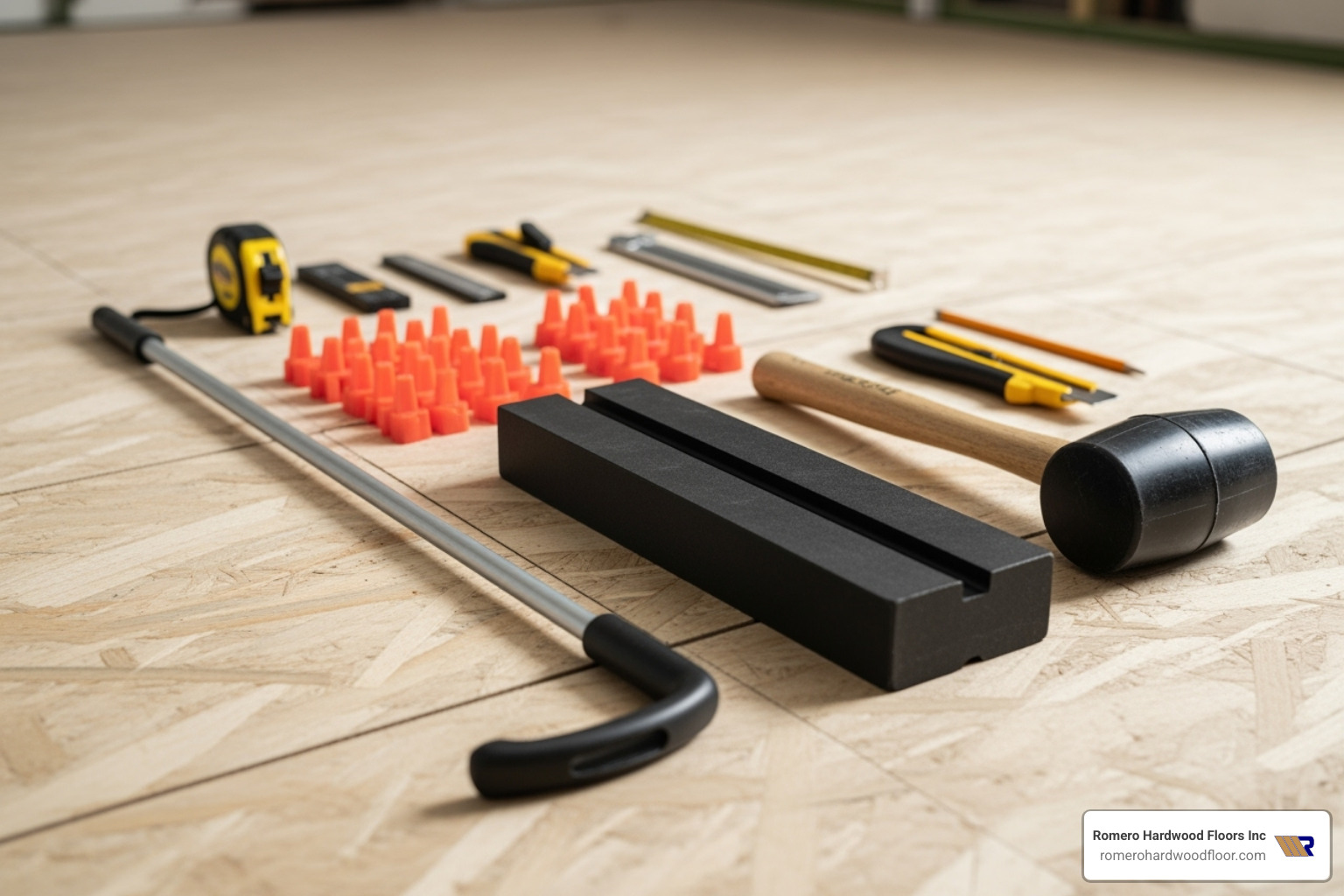
Proper installation and maintenance are key to a long-lasting floating floor. While famous for being DIY-friendly, success starts with careful preparation before the first plank is laid.
Preparing for Installation
Your subfloor is the foundation and must be solid, flat, smooth, clean, and dry. Any dips or bumps greater than 1/8 inch over 6 feet can cause instability and premature wear. Always perform a moisture test, especially over concrete, to prevent warping or mold. Floating floors can often be installed over existing hard surfaces like tile or vinyl, provided they are in good condition. Learn more in our guide on Floating Wood Floor Over Concrete.
An underlayment is a crucial layer between the subfloor and the new flooring. It provides soundproofing to reduce hollow sounds, acts as a moisture barrier, and adds comfort and insulation. Using a quality underlayment is essential for performance, though some LVP products come with it pre-attached.
The Installation Process and Long-Term Care
Once prepped, installation is straightforward. For a visual guide, you can watch a video on laying laminate floors. Start along one wall, clicking planks together. A critical step is leaving expansion gaps (1/4 to 1/2 inch) around the room’s perimeter to allow the floor to expand and contract with humidity changes without buckling. These gaps are covered by baseboards and transition strips, which create a finished look and smooth transitions between flooring types.
To keep your new floor looking its best, follow simple cleaning routines:
- Regular Cleaning: Sweep or dust mop frequently. A vacuum with a soft brush attachment is also great.
- Damp Mopping: Use a well-squeezed-out damp mop for laminate and LVP. Avoid excess water, especially on engineered wood.
- Avoid Harsh Cleaners: Never use abrasive cleaners, wax, or steam cleaners, as they can damage the finish and void warranties.
Repairing planks is often simple with floating floors. For click-lock systems, you can typically un-click planks to reach and replace a damaged one. To prevent scratches, use felt pads on furniture, place area rugs in high-traffic zones, and keep pet nails trimmed.
Frequently Asked Questions about Floating Floorboards
As you consider the best floating floorboards for your home, it’s natural to have questions. Here are some of the most common ones we hear:
Can floating floors be installed in kitchens or bathrooms?
Yes, but the material choice is critical.
- Luxury Vinyl Plank (LVP): This is the best choice for wet areas. Many LVP products are 100% waterproof, so they won’t swell or warp from spills in kitchens, bathrooms, or laundry rooms.
- Water-Resistant Laminate: Traditional laminate is not for wet areas, but many modern products are now labeled “water-resistant” or “waterproof.” These have improved cores and locking systems but always check the manufacturer’s specifications. See our Cheap Waterproof Laminate Flooring for budget-friendly options.
- Engineered Wood: As a real wood product, it is not waterproof. It can be used in kitchens with caution, but spills must be cleaned up immediately. It is generally not recommended for full bathrooms.
Proper installation with expansion gaps and appropriate sealants is crucial in any moisture-prone area.
Can you refinish a floating floor?
In most cases, no. Laminate and LVP cannot be refinished because sanding would destroy the protective wear layer and the design image beneath it. Damaged planks must be replaced individually.
Engineered wood can sometimes be refinished, but it depends entirely on the thickness of its real wood veneer. A veneer of 3mm or more might allow for one or two light sandings, but thinner veneers cannot be sanded. The process can also be risky for a floating installation, so professional expertise is required.
Do floating floors feel different to walk on?
Yes, they can feel and sound different from floors that are glued or nailed down. The slight air gap underneath can sometimes create a “hollow” sound, particularly with laminate.
However, this can be greatly minimized. A high-quality underlayment is key to absorbing sound and providing a more solid feel. Ensuring the subfloor is perfectly level before installation also prevents flexing and noise. Finally, area rugs in high-traffic areas can help absorb sound while protecting your floor. Many modern floating floors, especially rigid core LVP, offer a very stable and comfortable walking surface.
Conclusion
Choosing the best floating floorboards means balancing aesthetics, durability, and cost to find the perfect match for your lifestyle. We’ve explored the main types—laminate, LVP, and engineered wood—and key factors like wear layers, core construction, and proper installation. Understanding these details, from subfloor prep to maintenance, empowers you to make an informed decision that will bring you joy for years.
When you’re ready for a professional installation that guarantees peace of mind, Romero Hardwood Floors Inc. is here to help. With over 15 years of experience serving Revere, MA, and neighboring communities like Beverly, Chelsea, and Danvers, we deliver expert advice, competitive pricing, and guaranteed workmanship that adds lasting value to your home.
Ready to transform your space? Contact us for your hardwood flooring installation needs today!
