
Hardwood Floor Scratch Repair: 10 Best Proven Tips 2024
Hardwood floor scratch repair is a vital topic for homeowners and commercial property managers looking to maintain the beauty and value of their spaces. Scratches can mar the aesthetics of even the most neat wood floors. While hardwood floors add timeless appeal and substantial value to any property, their surfaces are prone to wear and tear. Fortunately, minor scratches can often be addressed easily without the need for professional help.
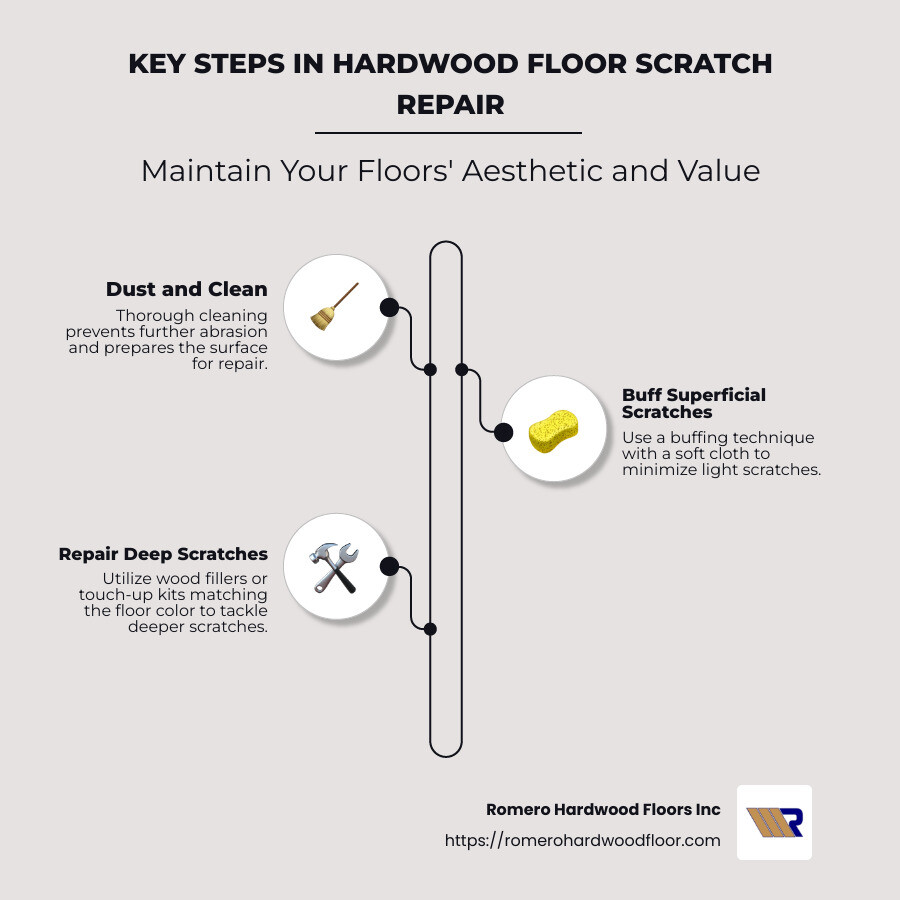
To quickly address hardwood floor scratch repair, keep these points in mind:
- Dust and Clean the area thoroughly to prevent further abrasion.
- Use a buffing technique with a soft cloth for superficial scratches.
- For deeper scratches, consider wood fillers or touch-up kits, ensuring they match your floor’s color.
My name is Francisco Romero, owner of Romero Hardwood Floors Inc., with over 15 years of experience in the hardwood flooring industry. Throughout my career, I have honed my expertise in hardwood floor scratch repair, ensuring that floors not only look beautiful but also last for decades. This guide will help you understand and manage scratch repair to maintain your floors’ aesthetic and value.
Basic Hardwood floor scratch repair vocab:
– Hardwood floor care guide
– Hardwood floor cleaning products
– Hardwood floor restoration services
Why Hardwood Floors Get Scratched
Hardwood floors are a popular choice for their beauty and durability, but they are not immune to scratches. Understanding the main causes of these scratches can help you prevent them in the future.
High-Traffic Areas
Areas like hallways and living rooms see a lot of foot traffic. Over time, this constant movement can wear down the finish and create scratches. To minimize damage, consider using rugs or runners in these high-traffic areas.
Pets
Pets are a beloved part of many families, but their claws can be rough on hardwood floors. Regularly trimming your pet’s nails can help reduce the risk of scratches. Providing scratching posts for cats can also protect your floors.
Furniture Movement
Moving furniture without proper precautions is another common cause of scratches. Always lift furniture instead of dragging it. Use felt pads under furniture legs to prevent scratches when items are moved or used.
Dirt and Debris
Dirt and debris act like sandpaper on hardwood floors. They can scratch the surface as you walk over them. Regular sweeping or vacuuming can help remove these particles and protect your floor’s finish.
Improper Cleaning
Using the wrong cleaning products can damage your hardwood floors. Avoid abrasive cleaners and excessive water, which can strip the finish and leave the wood vulnerable to scratches. Instead, use a cleaner specifically designed for hardwood floors.
By understanding these common causes, you can take steps to protect your hardwood floors from scratches and keep them looking beautiful for years to come.
How to Identify the Type of Finish on Your Hardwood Floor
Knowing the type of finish on your hardwood floor is crucial for effective hardwood floor scratch repair. Different finishes require different care methods. Here’s a simple guide to help you identify what you have:
Water-Based Finishes
Water-based finishes are popular for their clear, non-yellowing appearance. They dry quickly and are low in odor. If your floor has a clear, almost invisible layer, it might be water-based. These finishes are often found in homes where a natural wood look is desired.
Oil-Based Finishes
Oil-based finishes have a warm, amber tint that deepens over time. They are durable and provide a rich look. If your floor has a slightly yellowish hue, it’s likely oil-based. These finishes take longer to dry and have a stronger odor during application.
Wax Coating
A wax coating provides a low-sheen, natural look. If your floor feels soft to the touch and develops a patina over time, it might be wax-coated. Wax finishes are less common today but were popular in older homes.
Varnished Finishes
Varnished floors have a hard, glossy finish. If your floor has a shiny, glass-like appearance, it’s likely varnished. Varnish provides a strong protective layer but can be prone to chipping.
Stained Wood
Stained floors have a color added to the wood before a protective finish is applied. If your floor has a consistent color throughout the grain, it might be stained. Stains can be combined with any of the finishes mentioned above.
Aluminum Oxide Coating
Aluminum oxide finishes are extremely durable and often used in prefinished flooring. If your floor has a very tough, scratch-resistant surface, it could be aluminum oxide. These floors are great for high-traffic areas.
Identifying your floor finish correctly will guide you in choosing the right repair and maintenance methods. Not sure what you have? Test in an inconspicuous area or consult a flooring professional to ensure you’re on the right track.
Cleaning the Area Before Repair
Before diving into hardwood floor scratch repair, clean the area thoroughly. A clean surface not only makes the repair process more effective but also ensures the best results.
Start with a Dust Mop
Begin by sweeping the floor with a dust mop. This step removes loose dirt and dust particles that can scratch the floor further during cleaning. Dust mops are gentle on wood surfaces and help maintain the floor’s finish.
Vacuum the Floor
Next, use a vacuum cleaner to pick up any remaining debris. Make sure to use a vacuum with a hardwood floor setting or a soft brush attachment to avoid scratching the surface. This step is crucial to ensure that no dirt is left behind, as even small particles can interfere with the repair process.
Apply a Hardwood Cleaner
Once the floor is free of dust and debris, it’s time to use a hardwood cleaner. Choose a cleaner specifically designed for wood floors to avoid damage. Apply the cleaner according to the manufacturer’s instructions, usually with a damp mop or cloth. Clean in the direction of the wood grain for best results.
Use a Wax Remover Solution (If Needed)
If your floor has a wax coating, you might need to use a wax remover solution. This step is necessary because wax can prevent repair materials from adhering properly to the wood. Follow the product instructions carefully and ensure the area is completely free of wax before proceeding with the repair.
By following these cleaning steps, you’ll create a pristine surface ready for effective scratch repair. This preparation is key to restoring your hardwood floor’s natural beauty.
DIY Solutions for Light Scratches
Light scratches on hardwood floors can be unsightly, but the good news is they are often easy to fix with simple DIY solutions. Here are some effective methods to tackle those minor blemishes:
Apple Cider Vinegar and Olive Oil
A popular home remedy involves using a mix of apple cider vinegar and olive oil. Combine equal parts of each ingredient in a small bowl. Apply the mixture to the scratch using a soft cloth, rubbing gently to allow the solution to penetrate. Let it sit for a day, then buff it out. This combination helps to reduce the scratch’s visibility and restore the wood’s shine.
Walnut
A surprising yet effective method is using a walnut. The natural oils in walnuts can help blend scratches into the surrounding wood. Simply rub a walnut over the scratch in a circular motion, then let the oil sit for a few minutes. Buff the area with a soft cloth to remove excess oil and improve the wood’s appearance.
Coconut Oil
Similar to walnuts, coconut oil can also be used to minimize the appearance of light scratches. Apply a small amount of coconut oil to the scratch and rub it in with a soft cloth. Let it absorb for a few minutes before buffing the area. Coconut oil nourishes the wood and can help make scratches less noticeable.
Blending Pencil
For scratches that appear lighter than the surrounding wood, a blending pencil can be a quick fix. These pencils are available in various wood tones. Choose one that closely matches your floor color and gently fill in the scratch. Wipe away any excess with a clean cloth. Blending pencils are great for minor scratches and are easy to use.
Finish Restorer
If you have light scratches scattered across a larger area, consider using a finish restorer. These products are designed to refresh the wood’s surface and can help reduce the visibility of scratches. Apply the restorer according to the manufacturer’s instructions, usually with a soft cloth or applicator pad. This method is particularly useful for treating faded finishes alongside scratches.
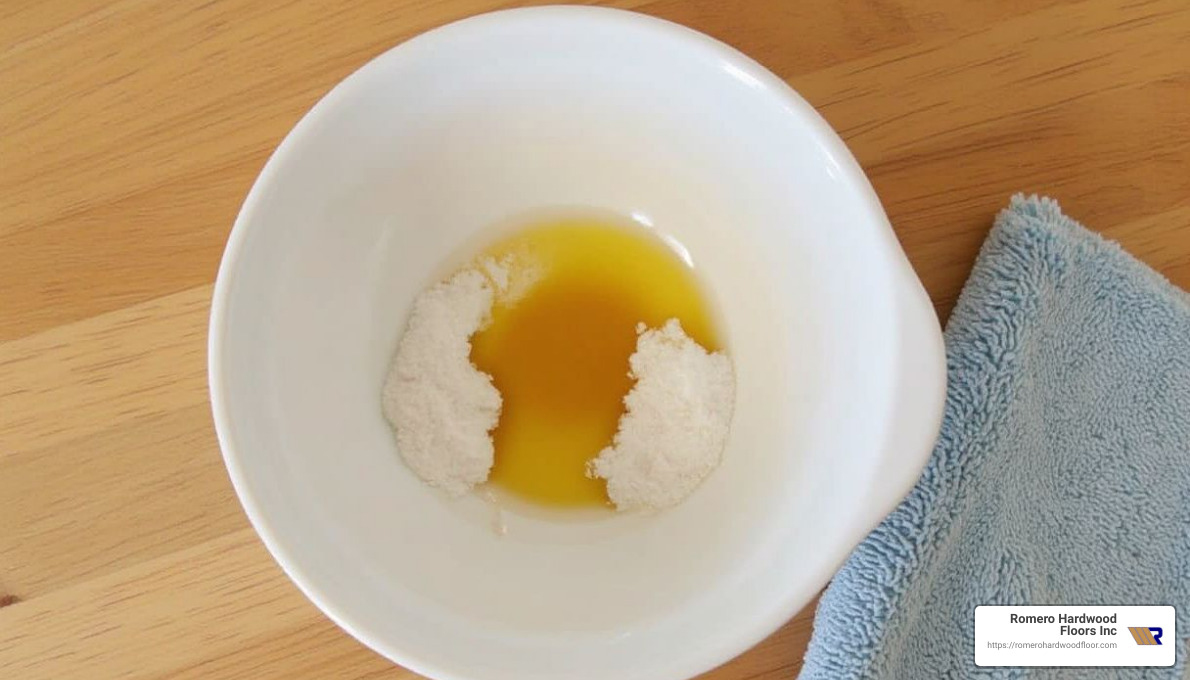
These DIY solutions are not only cost-effective but also easy to implement. With a bit of effort and the right technique, you can significantly improve the appearance of light scratches on your hardwood floors. Next, we’ll explore techniques for tackling medium scratches.
Medium Scratch Repair Techniques
When scratches on your hardwood floor are more than just surface-level but not deep enough to require a full board replacement, medium scratch repair techniques come into play. Here, we’ll explore some practical methods to restore your floor’s beauty.
New Coat of Finish
Applying a new coat of finish is a straightforward way to address medium scratches. This method works best when the scratches are spread out over a larger area. Start by cleaning the floor thoroughly to remove any dust or debris. Next, lightly sand the scratched area with fine-grit sandpaper to smooth out the surface. Apply a coat of finish that matches your existing floor finish, whether it’s water-based or oil-based polyurethane. Allow it to dry completely before walking on it.
Matching Stain
For scratches that have removed some of the floor’s color, using a matching stain can help. First, clean the scratched area and sand it lightly. Choose a stain that closely matches your floor’s color. Apply the stain with a small brush or cloth, focusing only on the scratch itself. Wipe away any excess stain and let it dry. This method helps the scratch blend seamlessly with the surrounding wood.
Finish Restorers
Finish restorers are products designed to refresh and refresh the surface of hardwood floors. They work well for medium scratches that don’t penetrate deeply into the wood. To use a finish restorer, clean the floor and apply the product evenly across the scratched area with a soft cloth or applicator pad. Follow the manufacturer’s instructions for the best results. This technique can also help revive dull areas and restore the floor’s original luster.
Magic Eraser
A Magic Eraser can be a surprisingly effective tool for dealing with medium scratches. These sponges work by gently buffing out surface imperfections. Dampen the Magic Eraser slightly and rub it over the scratch in a circular motion. Be careful not to apply too much pressure, as this might damage the finish. This method is particularly useful for removing scuff marks and minor scratches that haven’t penetrated the finish layer.
By employing these medium scratch repair techniques, you can effectively minimize the appearance of scratches on your hardwood floors. These methods are simple yet effective, allowing you to maintain the beauty and longevity of your floors. Next, we’ll dive into solutions for deeper scratches and gouges.
Deep Scratch and Gouge Repair
When your hardwood floors have deep scratches or gouges, simple fixes won’t do. You’ll need a more comprehensive approach to restore their original beauty. Let’s explore some effective methods to tackle these more serious issues.
Wood Filler
For deep scratches and gouges, wood filler is your go-to solution. It fills the gaps and creates a smooth surface. Start by cleaning the damaged area thoroughly. Apply the wood filler with a plastic putty knife, pressing it firmly into the scratch or gouge. Smooth out the surface and remove any excess filler. Once dry, sand the area lightly to ensure it blends seamlessly with the surrounding floor.
Wood Stain
After using wood filler, applying a wood stain helps match the repaired area to the rest of your floor. Choose a stain that closely matches your floor’s existing color. Use a small brush or cloth to apply the stain over the filled area. Wipe away any excess and allow it to dry completely. This step is crucial to ensure the repair is nearly invisible.
Colored Wood Putty
Colored wood putty is another option for repairing deep scratches. It’s especially useful when the scratch is narrow but deep. Apply the putty with a plastic putty knife, ensuring it’s packed into the scratch. Smooth it out and let it dry. Like with wood filler, you may need to lightly sand the area once the putty is dry to achieve a smooth finish.
Polyurethane Finish
To protect your repair and give it a polished look, apply a polyurethane finish. This finish provides a durable, protective layer that helps prevent future damage. After the wood filler or putty and stain have dried, apply a thin coat of polyurethane with a brush. Allow it to dry completely before using the floor. This step not only seals the repair but also improves the floor’s overall appearance.
By following these steps, you can effectively repair deep scratches and gouges, ensuring your hardwood floor looks as good as new. These methods require a bit more effort but are well worth it for maintaining the charm and longevity of your floors. Up next, we’ll discuss when it’s time to sand and refinish your hardwood floors for a complete makeover.
When to Sand and Refinish
Sometimes, sanding and refinishing are the best ways to bring your hardwood floors back to life. This process removes the old finish, smooths out imperfections, and adds a fresh layer of protection. But how do you know when it’s time to take this step?
Signs You Need to Sand and Refinish
- Widespread Scratches and Wear: If your floor has numerous scratches or dull spots, it’s a sign that the finish is worn down. Sanding and refinishing can restore its original beauty.
- Deep Gouges: For floors with deep gouges or significant damage, sanding down the surface and applying a new finish might be the only solution.
- Water Damage: If parts of your floor have been exposed to water and show signs of warping or discoloration, refinishing can help repair the damage.
- Fading or Discoloration: Over time, sunlight can cause your floor’s color to fade. Refinishing can bring back the vibrant tones.
Floor Sander Rental
For a DIY approach, renting a floor sander is a practical option. These machines can be rented from most home improvement stores. Here’s what you need to know:
- Types of Sanders: Drum sanders are powerful and ideal for large areas, while orbital sanders are easier to control and great for beginners.
- Grit Progression: Start with a coarse grit to remove the old finish and scratches, then progress to finer grits for a smooth surface.
- Technique: Always sand along the grain of the wood, and keep the sander moving to prevent gouging the floor.
Real Wood Floors vs. Engineered Wood Floors
Not all floors are created equal, and the type of wood matters when deciding to sand and refinish.
- Real Wood Floors: Solid hardwood floors can be sanded multiple times, making them ideal for refinishing. They can handle the removal of a few millimeters of wood without compromising their integrity.
- Engineered Wood Floors: These floors have a thin layer of real wood over a plywood base. They can only be sanded once or twice, depending on the thickness of the top layer. Be cautious and consult a professional if unsure.
Sanding and refinishing can transform your floors, making them look brand new. However, it’s a labor-intensive process that requires the right tools and techniques. In the next section, we’ll explore how to prevent future scratches and keep your floors looking pristine.
Preventing Future Scratches
Keeping your hardwood floors looking pristine requires a little foresight and some simple preventative measures. Here’s how you can protect your floors from future scratches and maintain their beauty for years to come.
Use Furniture Pads
Furniture movement is a common cause of scratches. To prevent this, use furniture pads under the legs of chairs, tables, and other heavy items. These pads act as a cushion, preventing direct contact with the floor. They’re inexpensive and easy to apply, making them a smart investment for any home with hardwood floors.
Lay Down Rugs and Runners
High-traffic areas are more prone to wear and tear. Placing rugs and runners in these places can significantly reduce the risk of scratches. Not only do they add a decorative touch, but they also provide a barrier between sharp objects and your floor. Choose rugs with a felt or natural rubber backing to avoid any discoloration or marks.
Trim Pet Nails
Pets are part of the family, but their claws can be tough on hardwood floors. Regularly trimming your pet’s nails can minimize the damage they might cause. For cat owners, providing a scratching post can also help redirect their clawing instincts away from your beautiful floors.
Avoid Abrasive Cleaners
Cleaning is essential, but using the wrong products can harm your floors. Avoid abrasive cleaners that can scratch or dull the finish. Instead, opt for cleaners specifically designed for hardwood floors. These products are formulated to clean effectively without damaging the surface.
Reapply Wood Finish
The finish on your hardwood floor acts as a protective layer. Over time, this finish can wear away, leaving the wood vulnerable to scratches. Reapplying wood finish when necessary helps maintain this protective barrier and keeps your floors looking shiny and new. Remember to match the finish type to your existing one for the best results.
By following these simple steps, you can keep your hardwood floors in excellent condition and reduce the likelihood of scratches. Next, we’ll address some frequently asked questions about hardwood floor scratch repair to help you tackle any issues with confidence.
Frequently Asked Questions about Hardwood Floor Scratch Repair
Can you fix scratches in hardwood floors?
Absolutely! Hardwood floor scratch repair is entirely possible with the right tools and techniques. For deeper scratches, a wood filler can be your best friend. It’s designed to fill in those deep gouges and cracks, making them less noticeable.
To apply, simply use a plastic putty knife to press the filler into the scratch. Once it’s dry, sand it down gently for a smooth finish. Don’t forget to match the color of the wood filler to your floor for a seamless look.
How do you get scratches out of hardwood floors without sanding?
If you’re dealing with light scratches, there’s no need to break out the sandpaper. A simple mixture of apple cider vinegar and olive oil can work wonders. This DIY solution restores the shine and minimizes the appearance of scratches.
Here’s how to do it:
- Mix equal parts apple cider vinegar and olive oil.
- Use a soft cloth to rub the mixture into the scratch.
- Leave it for a few hours or overnight.
- Buff the area gently with a clean cloth.
This method is easy, inexpensive, and surprisingly effective for minor scratches.
Does wood polish remove scratches from floor?
Wood polishes can help reduce the visibility of scratches, but they won’t remove them entirely. Products like Bona Hardwood Floor Polish, Refresh All Floors Restorer, and Lundmark Poly-Pro Tech are designed to improve the floor’s finish, making scratches less noticeable.
These polishes work by adding a thin layer of protection and shine, which can mask minor imperfections. For best results, follow the manufacturer’s instructions and apply the polish evenly across the floor.
Using these methods, you can tackle most scratches and keep your hardwood floors looking their best. Stay tuned for more tips and tricks on maintaining your beautiful floors!
Conclusion
At Romero Hardwood Floors Inc, we understand the beauty and value that hardwood floors bring to your home or commercial space. When scratches and imperfections occur, it’s crucial to address them promptly to maintain the floor’s appeal and lifespan.
While DIY methods can be effective for minor scratches, there comes a point when professional intervention is the best choice. Our team is skilled in hardwood floor scratch repair, ensuring long-lasting results that improve your property’s value. By utilizing professional techniques and high-quality materials, we can restore your floors to their original glory.
Choosing professional repair services not only saves you time and effort but also ensures that the job is done right. Our expertise in matching finishes and repairing deeper gouges means your floor will look seamless and beautiful once again. We take pride in our work and guarantee results that will stand the test of time.
For those looking to invest in the longevity and aesthetics of their hardwood floors, consider reaching out to the experts. Whether it’s a minor touch-up or a complete refinishing, our team is here to help. Trust Romero Hardwood Floors Inc to deliver quality, reliability, and exceptional service.
Ready to improve your floors? Contact us today for a free estimate and find how we can transform your space with expert hardwood floor solutions.
