
Why Choosing the Right Hardwood Floors Installer Matters

A hardwood floors installer is a professional who specializes in the installation, refinishing, and repair of hardwood flooring. When hiring one, look for:
- Licensing and insurance to protect your investment
- Years of experience with both solid and engineered hardwood
- NWFA (National Wood Flooring Association) certifications for industry-standard expertise
- Detailed written estimates including materials, labor, timeline, and warranty
- Strong local references and a portfolio of completed projects
- Proper preparation protocols including moisture testing and subfloor inspection
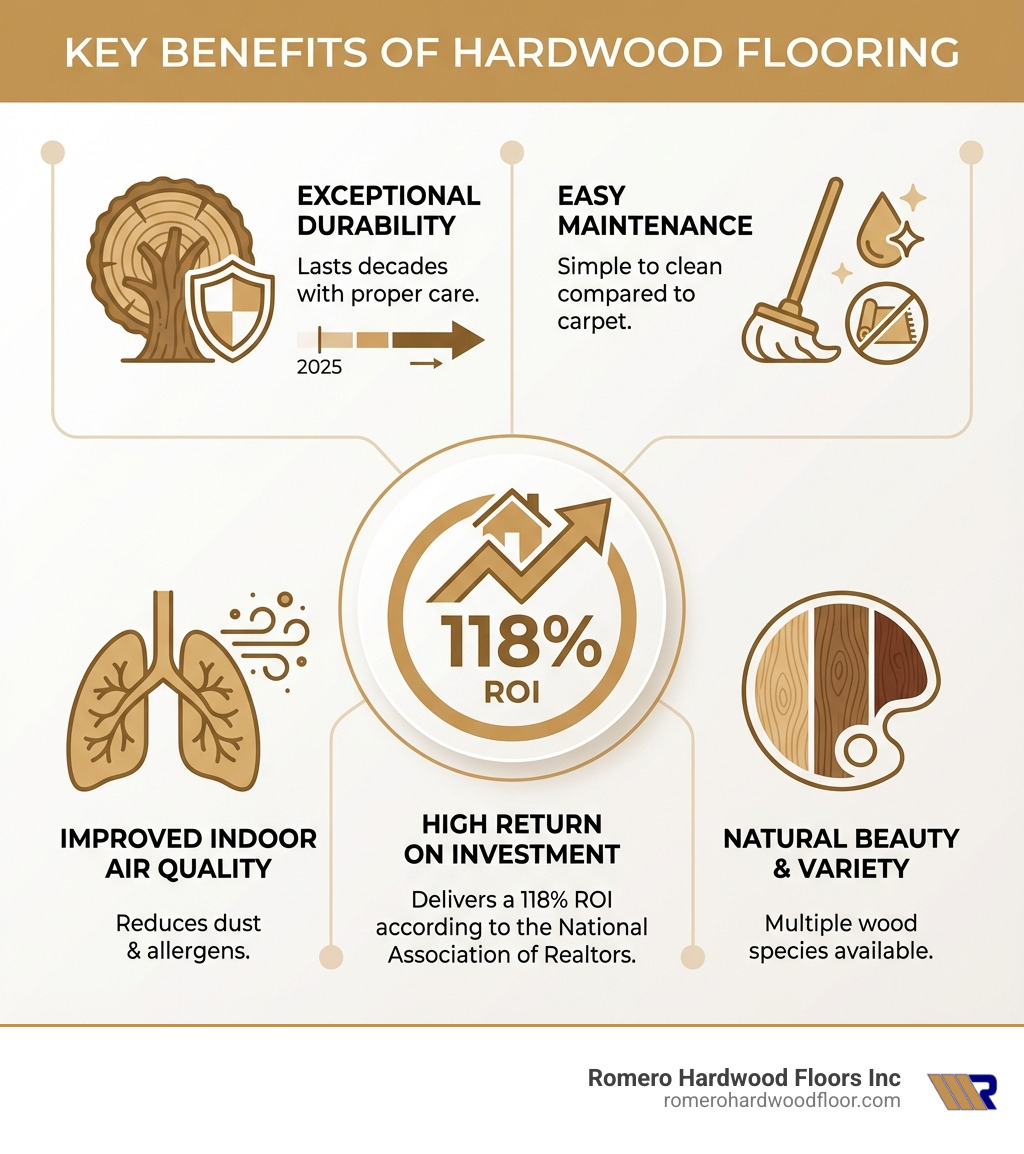
Hardwood flooring is a beautiful aesthetic choice that also offers a significant financial benefit. According to the National Association of Realtors, new hardwood flooring delivers a 118% return on investment. However, this value is only realized with a flawless installation. A poor job can lead to squeaking, gaps, warping, and costly repairs. The difference between a floor that lasts decades and one that fails in a few years often comes down to one decision: who you hire to install it.
This guide will walk you through choosing a hardwood floors installer, from understanding flooring options to asking the right questions. These expert tips will help you avoid costly mistakes and ensure a beautiful, long-lasting result for your home.
As Francisco Romero, owner of Romero Hardwood Floors Inc. with over 15 years of experience, I’ve seen how the right hardwood floors installer can transform a space, while the wrong one can create a nightmare. My goal is to share my knowledge from installing and refinishing thousands of square feet of hardwood so you can make the best decision for your home or commercial property.
Hardwood floors installer further reading:
- engineered hardwood flooring
- hardwood flooring refinishing contractors
- hardwood floor repair contractors
Understanding Your Options: Solid vs. Engineered Hardwood
Before we even talk about installing, let’s chat about what’s going under your feet. The first big decision homeowners face is choosing between solid and engineered hardwood. Both offer the timeless beauty and durability that makes hardwood so appealing, but they have distinct differences that impact their suitability for various spaces and installation methods. Understanding these differences is crucial for making an informed choice for your home in Massachusetts.
Solid Hardwood: The Timeless Classic
Solid hardwood flooring is exactly what it sounds like: a single, solid piece of timber milled from a tree. Each plank is 100% real wood, from top to bottom. This traditional option is celebrated for its classic appeal and the ability to improve any home’s aesthetic, which is why it often contributes to that impressive 118% return on investment we mentioned earlier.
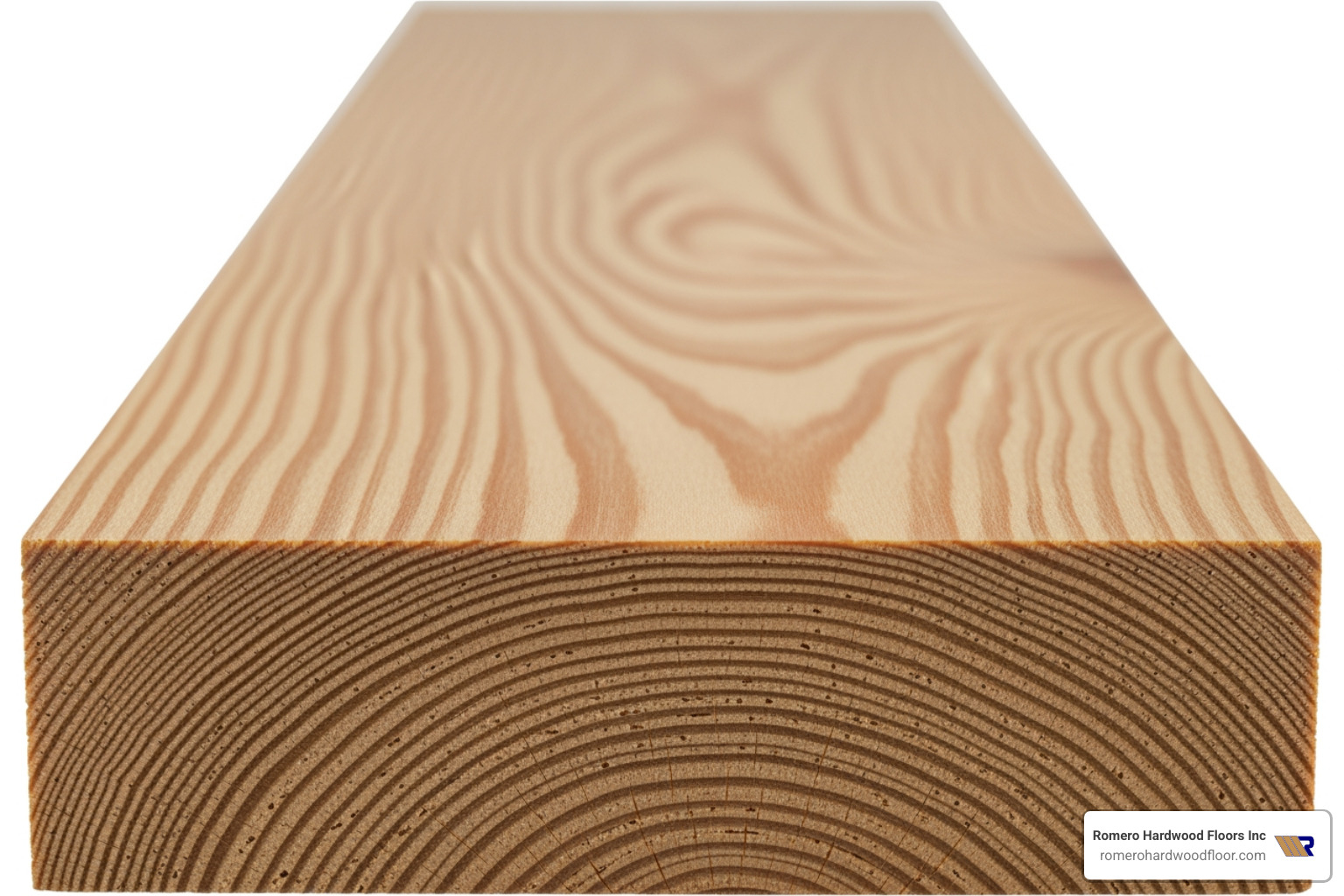
Pros of Solid Hardwood:
- Durability and Longevity: Can last a lifetime or more with proper care.
- Refinishing Potential: Can be sanded and refinished multiple times, allowing for changes in stain color or restoration of the original luster.
- Increases Home Value: Seen as a premium feature by homebuyers, significantly boosting property value.
- Natural Beauty: Each plank has unique grain patterns for an authentic, warm look.
Cons of Solid Hardwood:
- Susceptible to Moisture: Reacts to changes in humidity, making it prone to swelling, cupping, or gapping. Unsuitable for basements or other high-humidity areas.
- Installation Limitations: Requires a wood subfloor. Installation over radiant heating systems is not recommended, as the direct heat can cause warping or damage. Many manufacturers explicitly state that solid hardwood flooring cannot be installed over radiant heat.
- Acclimation Time: Requires a longer acclimation period (often 10-14 days) to adjust to the home’s environment before installation.
Engineered Hardwood: Modern Versatility
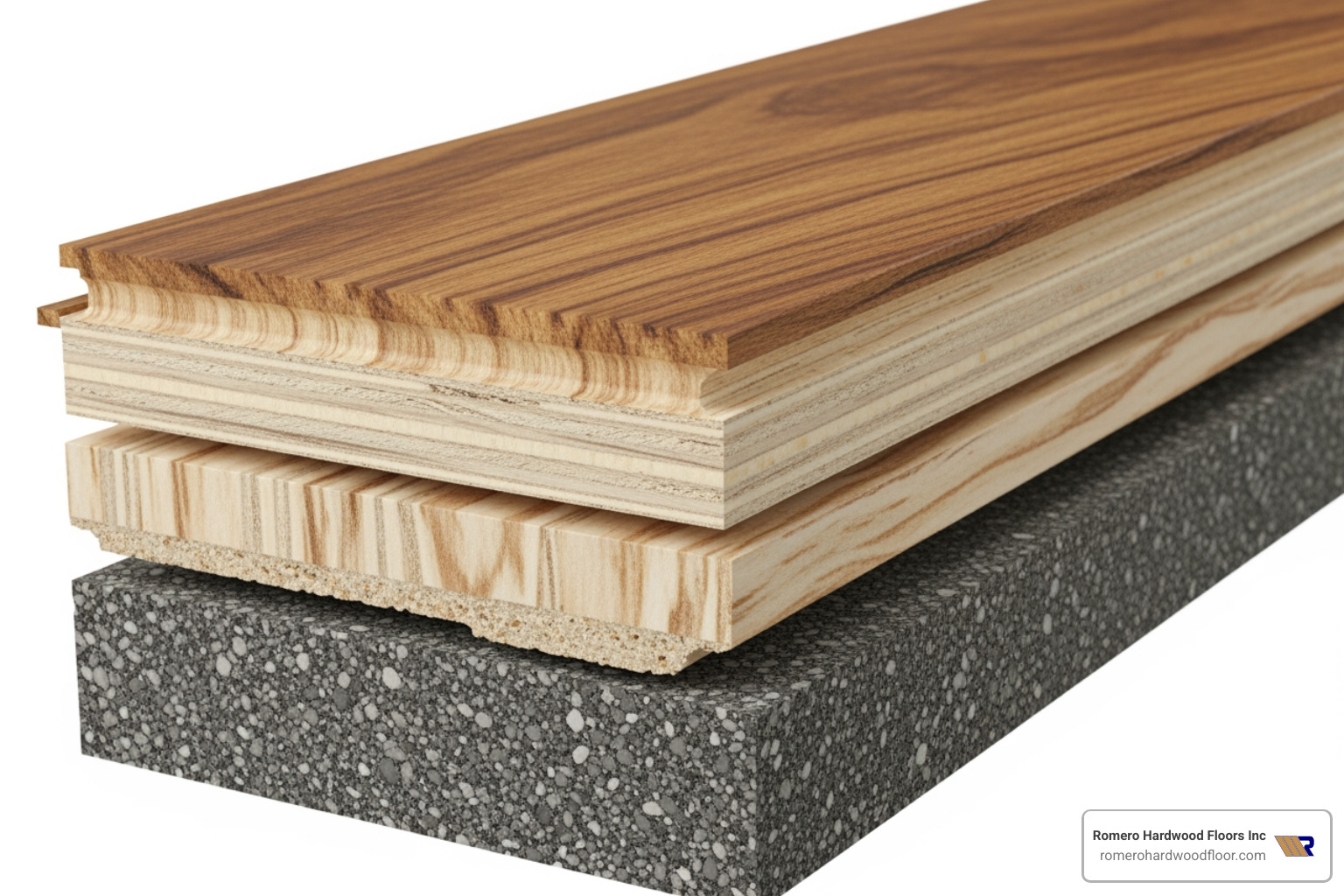
Engineered hardwood flooring is a modern marvel that combines the beauty of real wood with improved stability. Instead of a single piece of wood, it’s constructed with multiple layers. The top layer is a thin veneer of real hardwood, while the core layers are typically made of high-density fiberboard or plywood. This construction makes engineered hardwood incredibly stable and versatile.
Pros of Engineered Hardwood:
- High Moisture Resistance: Layered construction makes it less prone to warping from moisture, a key advantage in humid climates like Massachusetts.
- Installation Flexibility: Can be installed on any level, including basements, and over concrete subfloors or radiant heating systems.
- Versatile Installation Methods: Can be nailed, glued, or floated, offering flexibility for different subfloors.
- Real Wood Aesthetics: The top layer is real wood, providing the same natural beauty as solid hardwood.
Cons of Engineered Hardwood:
- Limited Refinishing: Can only be refinished a limited number of times, depending on the veneer thickness. Some modern, highly durable finishes may not allow for refinishing at all.
- Cost Variability: High-quality options can be as expensive as solid hardwood, but more budget-friendly choices are available.
Key Factors for Your Decision
When weighing your options, we encourage you to consider these factors:
| Feature | Solid Hardwood | Engineered Hardwood |
|---|---|---|
| Cost | Generally higher upfront | Varies; can be more budget-friendly or comparable |
| Durability | Excellent; lasts a lifetime | Excellent; very stable |
| Refinishing Potential | Multiple times | Limited (depends on veneer thickness) |
| Moisture Resistance | Low; susceptible to humidity changes | High; more stable in humid environments |
| Recommended Installation Areas | Above-grade, wood subfloors only | All levels, concrete, basements, radiant heat |
Your home’s unique characteristics, your budget, and your long-term goals should guide your decision. For instance, if you’re planning to stay in your home for many years or prioritize maximizing resale value, solid hardwood might be a worthwhile investment. If you’re looking for a versatile option for a basement or a home in a humid coastal area like Revere or Gloucester, engineered wood offers excellent practical advantages.
The Hardwood Floor Installation Process: What to Expect
Installing hardwood floors is a significant construction project that involves careful planning and execution. It’s not just about “banging boards down,” as some might think! A professional hardwood floors installer follows a series of critical steps to ensure a beautiful, durable, and long-lasting result. Let’s walk through what you can expect when we begin your project.
Pre-Installation Essentials: Setting the Stage for Success
The success of your hardwood floor installation hinges on meticulous preparation. We often say, “A good floor starts with a good subfloor!” Here’s what goes into setting the stage:
- Site Inspection: Before flooring arrives, we conduct a thorough site inspection to ensure the area is enclosed, “wet” work is complete, and HVAC, electricity, and water are operational.
- Subfloor Preparation: Your subfloor must be clean, dry, flat, and sound. We check for flatness (e.g., within 1/4″ in 10 feet for nail-down) and make necessary repairs to create an ideal foundation.
- Acclimation Period: This non-negotiable step allows the wood to adjust to your home’s interior temperature and humidity. Engineered flooring needs at least 72 hours, while solid wood may need 96 hours to 14 days. This prevents warping, gapping, or buckling.
- The Critical Role of Moisture Testing: Moisture is the enemy of hardwood. We test moisture levels during the initial assessment and again on installation day. The subfloor’s moisture content must be within 3% of the flooring’s moisture content (and under 12% overall). We won’t proceed if levels are too high.
- Maintaining Proper Temperature and Humidity: During and after installation, we recommend maintaining a temperature between 60°F and 80°F and relative humidity between 35% and 55% for the long-term health of your floors.
- Industry Installation Guidelines: We strictly adhere to the National Wood Flooring Association (NWFA) Installation Instructions. These gold-standard guidelines ensure a high-quality, lasting installation.
Homeowners also have a vital role in preparation. This includes clearing out rooms, removing all personal belongings and valuables, disconnecting electronics, and covering adjacent areas to protect them from dust and debris. We’ll discuss all these preparations with you during our initial consultation.
Common Installation Methods
The method we choose for your hardwood floor installation largely depends on the type of flooring (solid vs. engineered) and your subfloor. Each method has its own advantages and specific requirements:
- Nail-Down Method: This is the traditional method for solid hardwood and some thicker engineered planks. The flooring is secured directly to a wood subfloor using nails or staples driven through the tongue of each plank, making them invisible once installed. This creates a very stable and durable floor. For wide plank flooring (over 5 inches), we often use a glue-assisted nail-down method for added stability.
- Glue-Down Method: Ideal for engineered hardwood, especially over concrete subfloors. An adhesive is spread onto the subfloor, and the planks are laid directly into it. This creates a very solid feel and can help reduce sound transmission. We use high-quality, manufacturer-recommended adhesives to ensure a strong, lasting bond.
- Floating Floor (Click-Lock): Primarily used for engineered hardwood, this method involves interlocking the planks together without attaching them directly to the subfloor. The entire floor “floats” over an underlayment. This can be a good option for basements or over certain existing hard surfaces. Floating floors are typically pre-finished, meaning no on-site sanding or finishing is required.
Regardless of the method, we always ensure proper expansion space – typically 3/8″ to 3/4″ – around the perimeter of the room and any vertical objects. This allows the wood to naturally expand and contract with changes in humidity without buckling or gapping.
Want to dive deeper into how we bring your hardwood vision to life? Learn more about our installation process.
Installation Timeline & Potential Challenges
The duration of your hardwood floor installation project depends on several factors, including the size of the area, the type of flooring, and the complexity of the job.
- Typical Duration: After acclimation, installation takes 1-4 days depending on project size. Site-finished floors require additional drying time for each coat of stain or finish (typically overnight), plus a 24-hour wait before walking on the final coat.
- Unexpected Issues: Surprises like hidden water damage or structural issues can arise. These may require additional labor and materials, impacting the timeline and cost. We communicate immediately if such issues occur to discuss solutions.
- Furniture Moving Policies: We can often move basic furniture for an additional charge. However, oversized or complex items like pianos or aquariums are typically excluded. Please discuss your needs with us during the estimate.
- Dust and Noise Management: Installation is a construction project that generates dust and noise. We take precautions to contain dust, but some level is unavoidable. We recommend securing valuables and keeping children and pets away from the work area.
- Door Clearance Adjustments: If your new floor is thicker than the old one, doors may need to be trimmed by a carpenter for proper clearance. We assess this during our pre-installation inspection.
How to Hire the Right Professional Hardwood Floors Installer
Choosing the right hardwood floors installer is arguably the most critical decision you’ll make for your flooring project. A skilled professional ensures your investment is protected and your floors look stunning for years to come. But with so many options available, how do you find a true specialist? Let’s break it down.
Local Specialists: The Value of Expertise and Accountability
While some companies offer installation as one of many services, they often contract out the work to independent installers. This can lead to varied service quality and a lack of the personalized touch and direct accountability you get from a local specialist. The direct relationship between you and the expert doing the work is often lost.
This is where local experts, like us at Romero Hardwood Floors Inc., shine. As a company deeply rooted in the Revere, MA, community and serving surrounding areas like Beverly, Chelsea, and Medford, we offer:
- Direct Communication: You’ll work directly with our team, ensuring clear communication and a consistent understanding of your project’s needs.
- Personalized Service: We’re not just another contractor in a large network. We pride ourselves on building relationships and tailoring our services to your unique vision.
- Expertise and Craftsmanship: With over 15 years of experience, we bring a wealth of knowledge and a commitment to craftsmanship that comes from being dedicated hardwood flooring specialists. Our trained estimators know how to spot potential issues that an inexperienced estimator might miss, leading to fairer pricing upfront.
- Local Accountability: Our reputation in the Massachusetts communities we serve (like Lynnfield, Peabody, and Somerville) is everything to us. We stand behind our work, ensuring your satisfaction because our business thrives on local trust and referrals.
What to Look For in a Qualified Hardwood Floors Installer
When you’re ready to invite a hardwood floors installer into your home, here’s a checklist of what to seek out:
- Licensing and Insurance: This is non-negotiable. Ensure the installer is properly licensed and carries comprehensive liability insurance to protect you from accidents or damage.
- Years of Experience: Look for a proven track record. Our team at Romero Hardwood Floors Inc. brings over 15 years of dedicated experience, meaning we’ve successfully handled a wide range of installation challenges.
- Customer Reviews and Portfolio: Ask for references and view a portfolio of their work. Online reviews also provide valuable insights into their reliability and customer service.
- NWFA Certifications: Installers certified by the National Wood Flooring Association (NWFA) are committed to industry best practices, helping prevent common issues like squeaks and gapping.
- Detailed Written Estimates: A professional provides a clear, comprehensive written estimate breaking down all costs, including materials, labor, and subfloor prep, to minimize surprises.
Critical Questions to Ask Your Potential Hardwood Floors Installer
Come prepared with these essential questions to ensure you’re hiring the best hardwood floors installer. A reputable professional will welcome your diligence.
- Who performs the work? Ask if they use their own trained crew or subcontractors. If subcontractors, how do they vet them, and who is ultimately responsible for the work?
- What is your warranty on labor and installation? Understand what’s covered and for how long. Some manufacturers offer extensive product warranties (e.g., 25-year residential, lifetime structural), but you need to know your installer’s guarantee on their workmanship.
- How do you handle subfloor preparation, moisture testing, and acclimation? These are crucial steps. A good installer will explain their process in detail, including how they address uneven subfloors or high moisture readings.
- What is your dust containment process? Installing hardwood can be dusty. Ask about their strategies for minimizing dust and protecting your home.
- What is the payment schedule? Understand the deposit requirements, progress payments, and final payment terms.
- Are you licensed and insured? Always ask for proof of both.
- Can you provide references and a portfolio of similar projects? Seeing their past work and hearing from previous clients is invaluable.
- What is the estimated timeline for the project? Get a clear understanding of when they can start, how long the installation will take, and any drying times needed.
- What are the post-installation care and maintenance recommendations? A good installer will provide guidance on how to care for your new floors to ensure their longevity.
- How do you handle unexpected issues that may arise during installation? Life happens! Understand their protocol for addressing unforeseen problems like subfloor damage or moisture issues, and how it might affect the cost and timeline.
Frequently Asked Questions about Hardwood Floor Installation
We often hear similar questions from homeowners considering hardwood flooring. Here are some of the most common inquiries and our expert answers to help you feel more confident about your project.
Can hardwood be installed over existing flooring?
This depends on the existing floor, but the answer is often “no.” It is generally not recommended to install hardwood over carpet, floating floors, existing glued-down hardwood, or soft surfaces like vinyl. In some cases, engineered hardwood can be floated over very flat, stable ceramic tile. A professional assessment is crucial to determine the best approach, which usually involves removing the old flooring for a proper foundation.
How much does hardwood floor installation cost?
The cost of hardwood floor installation varies widely based on the wood type, project complexity, subfloor condition, and your Massachusetts location.
Please note: The following are average costs based on internet data and not actual quotes for Romero Hardwood Floors Inc. For a precise estimate custom to your project, please contact us directly.
- Labor Costs: Professional labor for hardwood floors installer services can range from $3 to over $15 per square foot, reflecting job complexity and regional rates.
- Material Costs: Hardwood itself can range from $4 to $20+ per square foot.
- Additional Costs: Factor in potential costs for subfloor preparation, old flooring removal, trim, and furniture moving.
Given these variables, it’s crucial to always get a detailed, written estimate from your installer that outlines all aspects of the project.
What maintenance is required after installation?
Proper care will preserve your floor’s beauty for decades. We provide specific guidelines, but general best practices include:
- Regular Cleaning: Sweep with a soft-bristle broom or vacuum with a hard floor attachment to remove abrasive dirt and grit.
- Use Approved Cleaners: Stick to cleaners specifically designed for hardwood floors. Never use harsh chemicals or products that leave a residue.
- Avoid Excess Water: Never wet-mop or use a steam cleaner. Use a lightly dampened cloth for spot cleaning and dry immediately.
- Protect from Scratches: Use felt pads under all furniture and trim pet nails regularly.
- Use Rugs: Place rugs at entryways and in high-traffic areas to minimize wear.
- Control Humidity: Maintain consistent indoor humidity (ideally 35-55%) to prevent gapping or buckling.
- Address Spills Promptly: Wipe up spills immediately to prevent moisture damage.
Proper care is essential for longevity. For more details, see our guide on More on floor care and staining.
Conclusion
Choosing the right material and a skilled hardwood floors installer is the key to a beautiful, long-lasting hardwood floor that improves the value and comfort of your home. From understanding the nuances of solid versus engineered wood to navigating the installation process and asking the right questions, being informed empowers you to make decisions you’ll love for decades.
A professional hardwood floors installer ensures your investment is protected through proper preparation, expert technique, and meticulous finishing. For homeowners and businesses in the Revere, MA area, and surrounding communities like Beverly, Chelsea, Danvers, Gloucester, Lynnfield, Medford, and Salem, a dedicated specialist like Romero Hardwood Floors Inc. provides the guaranteed workmanship your home deserves. We’re here to guide you through every step, ensuring your hardwood flooring project is a seamless and satisfying experience.
