
Engineered Hardwood Floor Refinishing: Top Guide 2024
Engineered hardwood floor refinishing is an excellent way to rejuvenate your flooring without the expense of a full replacement. This process involves enhancing the floor’s surface through sanding, staining, and sealing, which restores its original shine and extends its lifespan. Here are some key benefits:
- Improves appearance: Refinishing revitalizes worn and dull floors.
- Increases durability: Protects against wear and tear.
- Cost-effective: More affordable than replacing the entire floor.
- Improves property value: Aesthetically pleasing floors can boost home and commercial property value.
A successful refinishing job can transform your living or workspace, making an immediate impact.
My name is Francisco Romero, and I have dedicated over 15 years to mastering the craft of engineered hardwood floor refinishing. With a steadfast commitment to quality, I have assisted numerous homeowners and businesses in maintaining and enhancing their floors, ensuring they remain durable and beautiful for years to come.
Understanding Engineered Hardwood Floors
Engineered hardwood floors are a popular choice for many homeowners due to their unique construction and versatility. Unlike solid hardwood, engineered hardwood is made up of multiple layers, each serving a specific purpose.
Construction and Layers
The construction of engineered hardwood involves a top layer of real hardwood veneer. This gives it the authentic look of solid wood. Beneath this veneer, you’ll find several layers of plywood or high-density fiberboard. These layers are glued together in a cross-grain pattern, which adds stability and reduces the risk of warping.
Durability
The layered construction of engineered hardwood makes it more resistant to changes in temperature and humidity compared to solid wood. This means it’s less likely to expand or contract, making it suitable for areas like basements or kitchens where moisture levels can fluctuate. Durability is one of its key advantages, and with proper care, engineered hardwood can last for decades.
Appearance
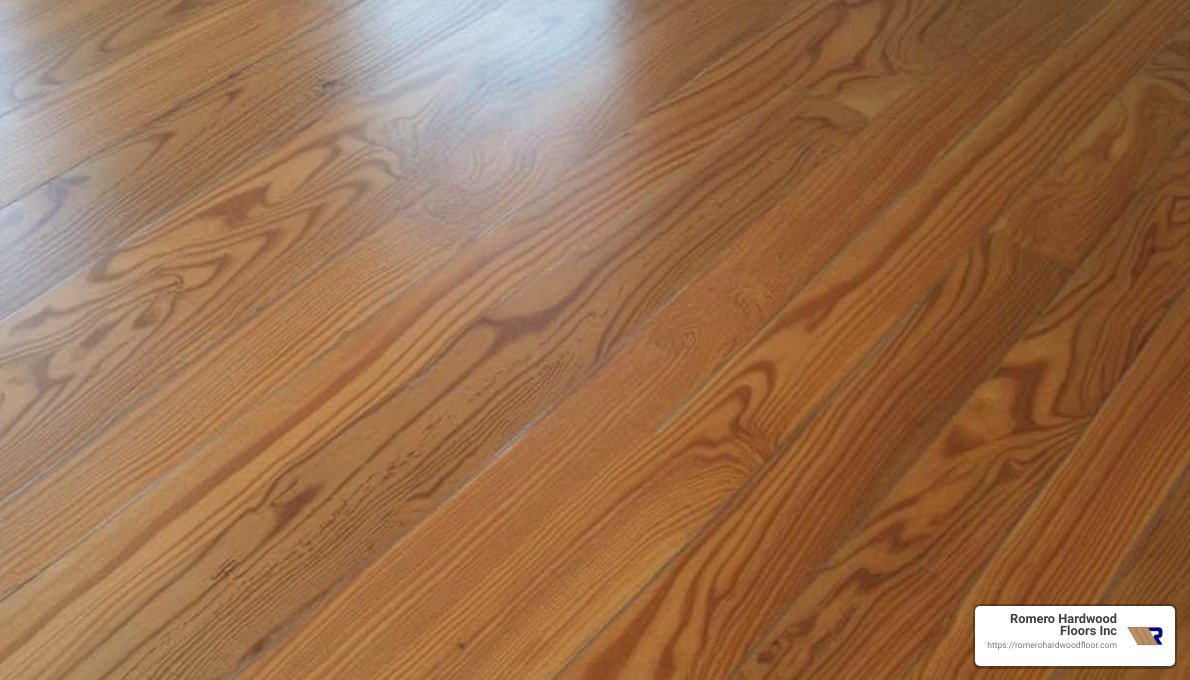
In terms of appearance, engineered hardwood offers the same aesthetic appeal as solid wood. The top veneer layer can be made from various wood species, allowing for a wide range of colors and grain patterns. This means you can achieve the look of oak, maple, or any other wood species you desire. Plus, the finish applied to the veneer can improve the wood’s natural beauty, providing a polished and sophisticated look.
Engineered hardwood floors are not only visually appealing but also practical. They offer a balance between the elegance of solid wood and the resilience needed for everyday life.
By understanding how engineered hardwood floors are constructed and the benefits they offer, you can make an informed decision about whether they are the right choice for your home or business.
Engineered Hardwood Floor Refinishing
Refinishing engineered hardwood floors is a great way to restore their original beauty and extend their lifespan. The process involves several steps, including sanding, staining, and sealing, which can refresh even the most worn-out floors.
When to Refinish
Knowing when to refinish your engineered hardwood floors is crucial. Look for signs of wear such as scratches, dullness, or discoloration. If you notice these signs, it might be time to consider refinishing. However, unlike solid hardwood, engineered floors can only be refinished a limited number of times due to their thin veneer layer. Generally, you can refinish them once or twice, depending on the thickness of the veneer.
Frequency of refinishing depends on the amount of foot traffic your floors experience. In high-traffic areas, you might need to refinish every 5-10 years. In less-used areas, the interval can be longer. Regular assessment of your floors will help you determine the right time for refinishing.
Tools and Materials Needed
Refinishing engineered hardwood floors requires specific tools and materials to ensure a professional finish.
Sanders
A sander is essential for removing the old finish and smoothing the surface. A drum sander is commonly used for this task. It’s important to use the right grit of sandpaper: start with a coarse grit to remove the finish and move to finer grits for smoothing.
Stains
Once sanded, you can apply a stain to improve the wood’s color. Choose a stain that complements your room’s decor. Stains come in a variety of colors, allowing you to customize the look of your floors. Applying the stain evenly is key to achieving a uniform appearance.
Sealants
Finally, a sealant is applied to protect the floor from moisture and wear. Sealants can be water-based or oil-based. Water-based sealants dry quickly and have a low odor, while oil-based options are more durable and improve the wood’s grain. Choose a sealant that suits your needs and follow the manufacturer’s instructions for application.
By using the right tools and materials, you can achieve a beautiful finish that protects your investment in engineered hardwood floors. The refinishing process, when done correctly, can transform worn-out floors into stunning focal points of your home.
Step-by-Step Guide to Refinishing
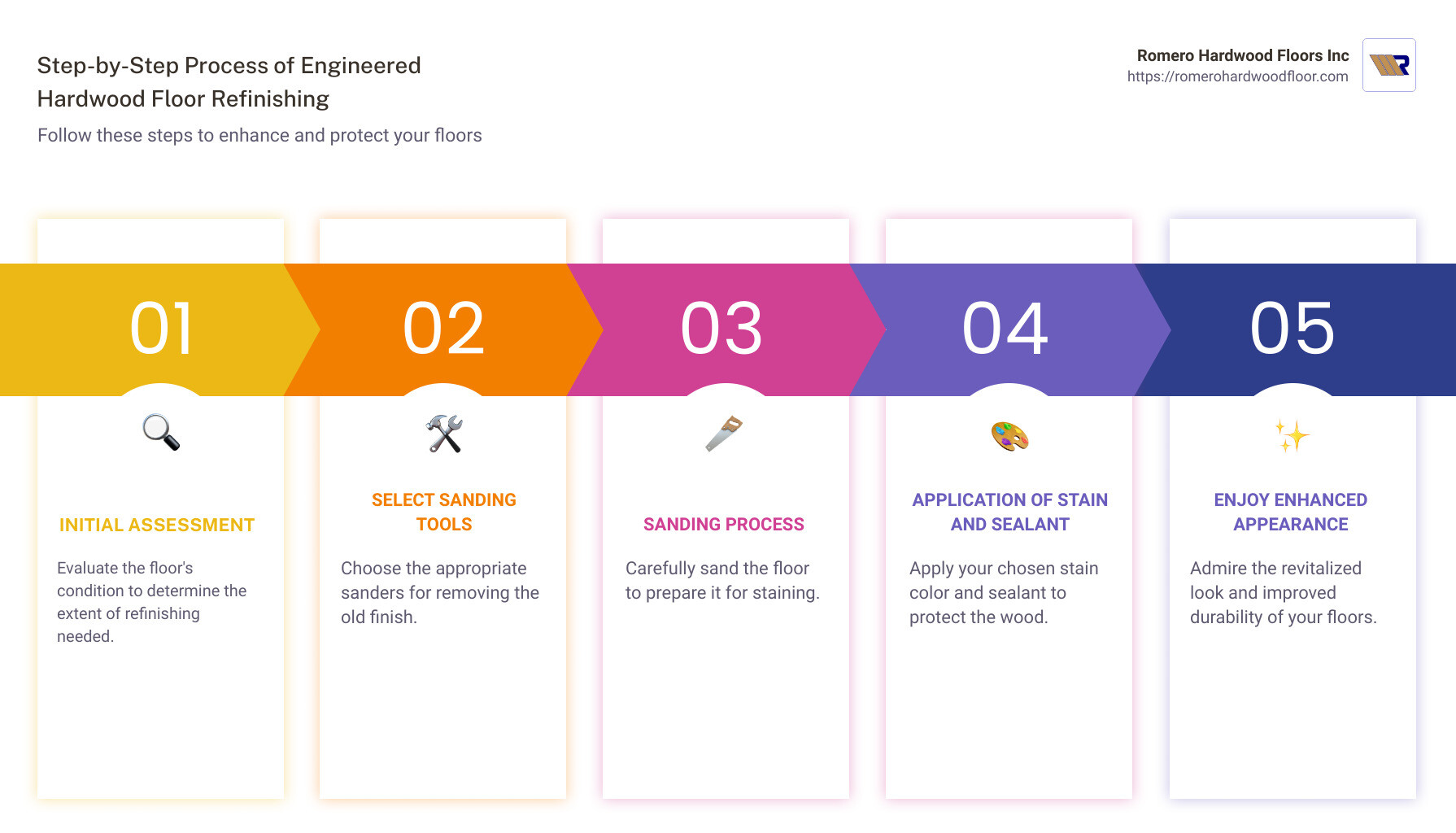
Refinishing engineered hardwood floors is a meticulous process that, when done right, can breathe new life into your floors. Let’s break down the steps involved to ensure you achieve a professional finish.
Preparing the Floor
1. Cleaning and Repairs
Before you start, clear the room of all furniture and rugs. Sweep and vacuum the floor to remove any dust and debris. This ensures that no dirt gets trapped during the refinishing process.
Inspect the floor for any damage. Repair any loose boards or fill in gaps with wood filler. This step will make the sanding process smoother and more effective.
2. Safety Precautions
Safety first! Wear a dust mask, goggles, and ear protection. Cover vents and doorways with plastic sheeting to prevent dust from spreading to other areas of your home. Make sure the room is well-ventilated.
Sanding Techniques
1. Grit Selection
Start with a coarse grit sandpaper (around 40-60 grit) to remove the old finish and any deep scratches. Progressively move to medium (80-100 grit) and then fine grit (120-220 grit) to smooth the surface. This gradual progression ensures a smooth finish.
2. Sanding Direction
Always sand in the direction of the wood grain. This prevents scratches that can be difficult to remove. Use a drum sander for the main areas and an edging sander for corners and edges.
3. Dust Control
Keep the area clean by using a vacuum or dust extractor after each sanding pass. This minimizes dust and makes the next sanding step more effective.
Staining and Sealing
1. Color Options
Choose a stain color that complements your home’s decor. Darker stains can hide imperfections, while lighter stains can make a room feel larger.
2. Application Methods
Apply the stain evenly using a brush or roller. Work in small sections, using long, even strokes to avoid blotches. Allow the stain to penetrate the wood as per the manufacturer’s instructions, then wipe off any excess with a clean cloth.
3. Drying Time
After staining, let the floor dry completely. This can take anywhere from a few hours to a day, depending on the product used and the room’s humidity.
4. Sealing
Once the stain is dry, apply a sealant to protect the floor. Water-based sealants dry quickly and have low odor, while oil-based sealants offer more durability and improve the wood grain. Apply the sealant evenly and allow it to dry completely before moving furniture back in.
By following these steps, you can transform your engineered hardwood floors into a stunning feature of your home. Proper preparation, careful sanding, and thoughtful staining and sealing are key to a successful refinishing project.
Frequently Asked Questions about Engineered Hardwood Floor Refinishing
Can all engineered hardwood floors be refinished?
Not all engineered hardwood floors can be refinished. The ability to refinish depends on the thickness of the top veneer layer. Typically, engineered hardwood with a veneer thickness of at least 3 millimeters can be safely refinished. Thinner veneers might not withstand the sanding process, which is crucial for removing the old finish and preparing the surface for a new one. Before proceeding with refinishing, assess the veneer thickness to avoid damaging your floor. If you’re unsure, consulting with a professional can provide clarity and help you make an informed decision.
How long does the refinishing process take?
The refinishing process for engineered hardwood floors generally takes three to seven days, depending on several factors. The size of the floor, the condition of the existing finish, and the type of stain and sealant used all influence the timeline. Sanding and staining might be completed in a day or two, but drying times for stains and sealants add to the duration. For instance, sealants require adequate drying time to ensure durability and a flawless finish. Patience during the drying phase is key to achieving long-lasting results.
What is the cost of refinishing engineered hardwood floors?
Refinishing engineered hardwood floors is typically more cost-effective than replacing them. On average, the cost ranges from $2 to $5 per square foot, depending on factors like the complexity of the job, the type of finish chosen, and your location. This is significantly less than the cost of installing new hardwood floors, which can average around $4,200. By opting for refinishing, homeowners can restore the beauty of their floors without the hefty investment of a full replacement. It’s a smart choice for those looking to refresh their space while keeping costs manageable.
Conclusion
Refinishing engineered hardwood floors is a fantastic way to breathe new life into your home without the expense of a full replacement. At Romero Hardwood Floors Inc, we pride ourselves on offering expert services that ensure your floors look stunning and last for years to come. Our team, based in Revere, MA, is dedicated to enhancing the value of your property through our specialized flooring solutions.
Why Choose Us?
With over 15 years of experience, we understand the nuances of engineered hardwood floor refinishing. Our process is meticulous, using environmentally-friendly products and state-of-the-art technology to deliver a finish that is both beautiful and durable. We take the time to assess each floor’s unique needs, ensuring that the veneer thickness is suitable for refinishing and that every step, from sanding to sealing, is executed with precision.
Our commitment to quality and customer satisfaction is best. We work closely with you to choose the right stain and finish that complements your home’s aesthetic, ensuring that your floors not only look great but also contribute to the overall value of your property.
Value Improvement
Refinishing your engineered hardwood floors with Romero Hardwood Floors Inc is more than just a cosmetic upgrade. It’s an investment in your home’s future. Well-maintained hardwood floors are a sought-after feature that can increase your property’s value and appeal to potential buyers. Our refinishing services improve the durability and appearance of your floors, making them a standout feature in any room.
Ready to transform your home with our expert refinishing services? Learn more about our engineered hardwood flooring solutions and see how we can help you achieve the perfect finish for your floors.
Choose Romero Hardwood Floors Inc for your refinishing needs, and experience the difference that expert craftsmanship and dedication to quality can make.
