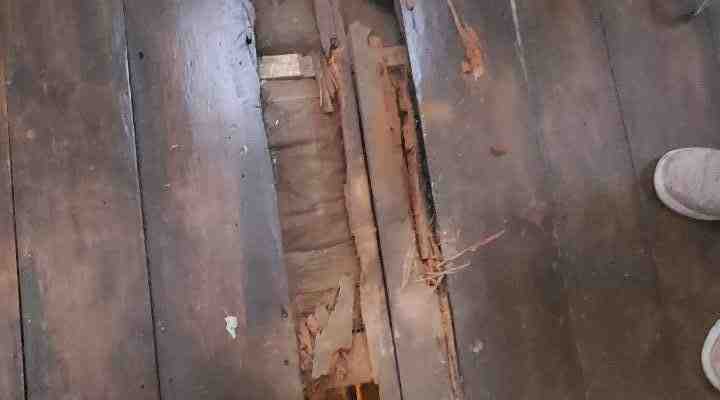
Hardwood Floor Repair Contractors: Top 5 Experts in 2024
Introduction
When it comes to maintaining the beauty and value of your home, finding reliable and skilled hardwood floor repair contractors is crucial. Whether you’re dealing with a few scratches, gaps, or more significant damage, investing in professional hardwood floor repair can enhance both the aesthetic appeal and monetary value of your property.
Let’s address the essentials right away:
- Importance of Repair: Regular repair and maintenance extend the life of your hardwood floors, making your home look well-kept and inviting.
- Value Enhancement: Well-maintained floors significantly increase the overall market value of your home, appealing to potential buyers and guests alike.
By focusing on these two key aspects, you can keep your floors looking pristine and ensure a higher value for your home in the long run.
Simple Infographic: The visual representation illustrates the importance of hardwood floor repair and its impact on home value and longevity. It uses icons to show cost savings, aesthetic improvement, and property value uplift.
Understanding Hardwood Floor Damage
Hardwood floors are a great addition to any home, but they can suffer from various types of damage over time. Understanding these issues can help you know when it’s time to call in the professionals.
Types of Damage
Scratches and Scuffs: These are the most common types of damage. They occur from everyday activities like moving furniture or pets running around. While minor scratches can add character, deep scratches might need professional repair.
Water Damage: This can be a homeowner’s worst nightmare. Water can cause the wood to swell, warp, or even rot. Common sources include spills, leaks, and high humidity.
Stains: Spills from liquids like wine or coffee can leave permanent marks if not cleaned promptly. These stains can penetrate the wood, making them difficult to remove.
Gaps and Cracks: Over time, wood can shrink or expand due to changes in humidity. This can cause gaps between the boards or even cracks in the wood itself.
Common Issues
Cupping and Crowning: Cupping happens when the edges of a board are higher than its center, often due to moisture imbalance. Crowning is the opposite, where the center is higher than the edges, usually from moisture on the surface.
Buckling: This is a more severe form of water damage where the wood lifts from the subfloor. It’s often due to prolonged exposure to water or high humidity.
Discoloration: Sunlight can cause wood to fade over time. This is especially common in rooms with large windows and lots of natural light.
Signs of Wear
Dullness: If your floors have lost their shine, it’s a sign that the finish layer is wearing thin. This makes the wood more susceptible to scratches and stains.
Soft Spots: These indicate that the wood may be rotting, often due to water damage. It’s crucial to address this issue immediately to prevent further damage.
Uneven Surface: If you notice that some boards are higher or lower than others, it could be due to underlying issues like a damaged subfloor or improper installation.
Squeaking: While some squeaking is normal, consistent squeaking in specific areas can indicate that the floorboards are loose or the subfloor is damaged.
Understanding these types of damage, common issues, and signs of wear can help you maintain the beauty and longevity of your hardwood floors. If you notice any of these problems, it’s best to consult a hardwood floor repair contractor to assess the situation and recommend the best course of action.
Simple Infographic: The visual representation illustrates the common types of hardwood floor damage and signs of wear. It uses icons to show scratches, water damage, gaps, and discoloration, making it easy to identify these issues in your own home.
Choosing the Right Hardwood Floor Repair Contractors
Selecting the right hardwood floor repair contractor is crucial for ensuring your floors are repaired correctly and efficiently. Here are key factors to consider when making your choice:
Evaluating Contractor Credentials
Experience: Look for contractors with experience in hardwood floor repair. Experienced contractors are more likely to understand the nuances of different wood types and repair techniques. For instance, a homeowner on Reddit recommended Amber Flooring for their expertise in matching “matchstick” style flooring, highlighting the importance of experience.
Licensing: Ensure the contractor is licensed to perform flooring installations and repairs. A valid license means the contractor adheres to local building codes and regulations. You can verify licenses through your state’s licensing board.
Insurance: Verify that the contractor has both liability and workers’ compensation insurance. This protects you from being liable for any accidents or damages that occur during the repair process.
Certifications: Look for certifications from professional associations like the National Wood Flooring Association (NWFA). These certifications indicate that the contractor has undergone specialized training and adheres to industry standards.
Importance of Local Experience
Understanding Regional Wood Types: Local contractors are familiar with the types of wood commonly used in your area and how they react to the local climate. For example, in the East Bay, quarter-sawn oak is a popular choice for its durability and aesthetic appeal. A contractor with local expertise can better match and repair your existing flooring.
Climate Considerations: Local contractors understand how the regional climate affects hardwood floors. They can recommend the best repair techniques and materials to ensure your floors hold up against local weather conditions. For instance, they might suggest specific finishes that perform well in your climate.
Simple Infographic: The visual representation shows the essential credentials to look for in a hardwood floor repair contractor: Experience, Licensing, Insurance, and Certifications. It uses checkmarks and icons to make the information easily digestible.
By evaluating these factors, you can choose a contractor who will provide high-quality repairs and ensure the longevity of your hardwood floors. Up next, we’ll discuss the cost considerations for hardwood floor repair, helping you budget effectively for your project.
Cost Considerations for Hardwood Floor Repair
When to Repair vs. Replace
Average Costs
The cost of repairing hardwood floors can vary widely. On average, homeowners spend around $5,750 for hardwood floor installation. Simple repairs might cost as little as $3 per square foot, while more extensive jobs involving exotic woods or detailed designs can be significantly higher. For instance, the total project cost for 620 square feet of maple floor was approximately $2,400, including five days of labor.
Factors Influencing Cost
Several factors can affect the total cost of your hardwood floor repair:
- Type of Wood: Exotic woods like teak are more expensive than common woods like oak or maple.
- Extent of Damage: Minor scratches are cheaper to fix than deep gouges or water damage.
- Labor Costs: Labor rates vary by region. Urban areas with a high cost of living typically have higher labor costs.
- Preparation Work: If your subfloor needs repair, this will add to the overall cost.
Budgeting Tips
To budget effectively, consider these tips:
- Get Multiple Quotes: Always get at least three quotes from different contractors to compare prices.
- DIY Prep Work: If possible, remove old flooring yourself to save on labor costs.
- Plan for Contingencies: Set aside an extra 10-15% of your budget for unexpected issues, like subfloor repairs.
Repairing your hardwood floors is often more cost-effective than replacing them. Refinishing can cost between $1,000 and $3,000, while new installations can go up to $5,750 or more. This makes refinishing an attractive option if your floors are structurally sound but just need a facelift.
Longevity
Refinished floors can last for decades with proper care. For example, a homeowner in San Francisco successfully revitalized their 100-year-old oak floors, significantly enhancing the home’s historic charm and market value.
Aesthetics
Refinishing can also give you the opportunity to change the look of your floors. You can choose a new stain color or finish to match your updated decor. This flexibility allows you to keep your existing floors while giving your home a fresh, new look.
By understanding these cost considerations, you can make an informed decision about whether to repair or replace your hardwood floors. Up next, we’ll discuss how to maintain your hardwood floors post-repair to ensure they stay beautiful for years to come.
How to Maintain Your Hardwood Floors Post-Repair
Best Practices for Long-Term Care
After investing in hardwood floor repairs, maintain them properly to keep them looking beautiful and extend their lifespan. Here are some best practices for long-term care:
Regular Maintenance
- Sweeping and Vacuuming: Dust and dirt can scratch your hardwood floors. Sweep or vacuum regularly using a soft-bristle broom or a vacuum with a hardwood setting.
- Mopping: Use a damp mop with a mild cleaner specifically designed for hardwood floors. Avoid using excess water as it can damage the wood.
Preventative Measures
- Use Rugs and Mats: Place rugs or mats at entrances to trap dirt and moisture before it reaches your floors.
- Furniture Pads: Attach felt pads to the legs of your furniture to prevent scratches when moving them.
Cleaning Tips
- Immediate Spill Cleanup: Blot spills immediately with a dry, absorbent cloth to prevent water damage.
- Avoid Harsh Cleaners: Stick to cleaners designed for hardwood floors. Avoid using harsh chemicals or abrasive cleaners that can damage the finish.
Protective Coatings
Applying a protective coating can help extend the life of your hardwood floors. Here are some options:
- Water-Based Finishes: These are environmentally friendly, dry quickly, and don’t yellow over time. They maintain the wood’s natural color while offering excellent durability.
- Oil-Based Finishes: These give a rich look and are very durable but take longer to dry and emit more odor.
Humidity Control
Wood floors can expand and contract with changes in humidity. To maintain their integrity:
- Use a Humidifier: In dry months, use a humidifier to keep the air moist and prevent the wood from drying out and shrinking.
- Dehumidifier: In humid months, a dehumidifier can help prevent the wood from absorbing too much moisture and swelling.
By following these best practices for regular maintenance, preventative measures, and proper cleaning, you’ll ensure your hardwood floors remain in top condition for years to come.
Next, we’ll address some frequently asked questions about hardwood floor repair to help you manage expectations and maintenance post-repair.
Frequently Asked Questions about Hardwood Floor Repair
Is it cheaper to repair or replace hardwood floors?
Deciding between repairing or replacing hardwood floors depends on several factors. Repairing is generally cheaper if the damage is minor, such as small scratches or gaps. For example, fixing squeaky floors can cost between $200 and $1,000 depending on the cause . However, if the damage is extensive—like deep gashes, warping, or significant water damage—replacing might be more cost-effective in the long run.
Can damaged wood floors be repaired?
Yes, many types of damage to wood floors can be repaired. Common issues like scratches, dents, and even some water damage can often be fixed by sanding, staining, and applying a protective finish. If boards are warped or heavily damaged, they can be replaced individually. For instance, Romero Hardwood Flooring specializes in residential hardwood floor repair and can handle everything from minor scratches to large-scale restorations .
How do you fix a hardwood floor that is coming up?
If your hardwood floor is coming up, it could be due to moisture issues, poor installation, or even the natural expansion and contraction of the wood. Here’s a simple process to fix it:
- Identify the Cause: Determine why the floor is lifting. Check for moisture issues or gaps in the subfloor.
- Remove Affected Boards: Carefully remove the damaged or lifted boards.
- Fix the Subfloor: Ensure the subfloor is level and dry. Repair any damage or unevenness.
- Reinstall Boards: Replace the boards, ensuring they fit snugly. Use wood glue and nails to secure them.
- Sand and Finish: Sand the repaired area to blend with the rest of the floor, then apply a finish to protect it.
For a professional touch, contacting a hardwood floor repair contractor like Romero Hardwood Floors Inc. ensures the job is done correctly and efficiently .
Next, let’s dive into the cost considerations for hardwood floor repair to help you budget for your project.
Conclusion
Choosing the right contractor for your hardwood floor repair is crucial. At Romero Hardwood Floors Inc, we pride ourselves on delivering top-notch service, quality craftsmanship, and customer satisfaction.
Why Choose Romero Hardwood Floors Inc?
1. Expertise and Experience
With over a decade of experience, our team knows hardwood floors inside and out. We handle everything from minor repairs to major restorations. Our specialists are trained to address various types of hardwood floor damage, ensuring your floors look as good as new.
2. Customer Satisfaction Guarantee
Our clients’ satisfaction is our top priority. Richard M., a satisfied customer, said, “Fantastic service all around. On time and on budget. Great work ethic and service by the flooring installers which included their attention to detail and their cleanliness. New floors look fantastic and extremely satisfied with everything. Would highly recommend!” This commitment to excellence is what sets us apart.
3. Comprehensive Services
We offer a full range of services including installation, repair, and refinishing. This means you don’t have to juggle multiple contractors. We handle everything, ensuring a seamless and stress-free experience.
4. Local Expertise
Understanding local wood types and climate considerations is key to providing the best service. Our team is well-versed in the unique challenges presented by different environments, ensuring your floors not only look great but also stand the test of time.
Contact Us
Ready to give your hardwood floors the care they deserve? Contact us today to schedule a consultation or to get a quote. Visit our service page for more details.
Romero Hardwood Floors Inc
Phone: (555) 123-4567
Email: info@romerohardwoodfloors.com
Choosing Romero Hardwood Floors Inc means choosing quality, reliability, and peace of mind. Let us help you transform your space with beautiful, durable hardwood floors.
For more information or to schedule a consultation, please visit our service page.