
Hardwood floors versus laminate: Top 9 Powerful Pros & Cons
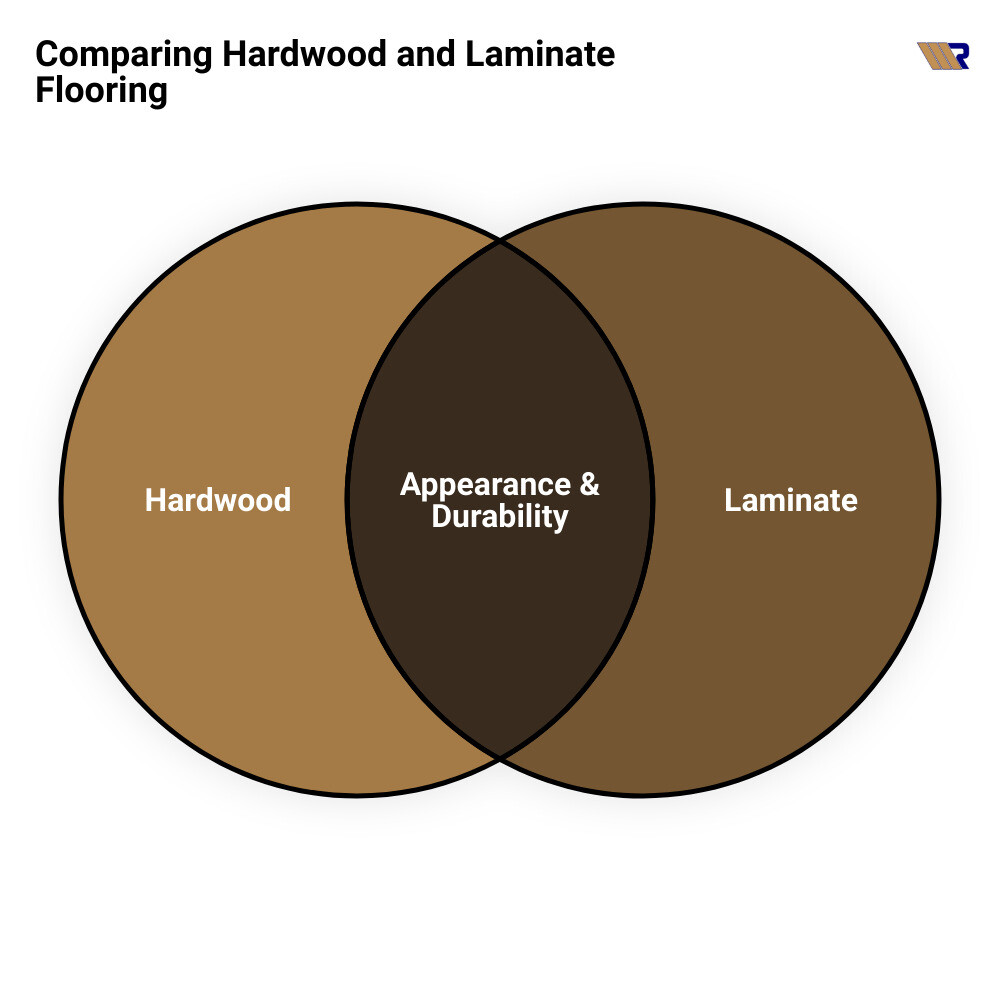
When comparing hardwood floors versus laminate, making the right choice is essential for both appearance and practicality. Here’s a quick overview to help you with your decision:
- Hardwood Floors vs Laminate
- Appearance: Hardwood is natural and unique, while laminate mimics wood with repeating patterns.
- Durability: Hardwood is long-lasting and can be refinished; laminate is cheaper and resistant but harder to repair.
- Moisture Resistance: Hardwood is sensitive to water; laminate is more water-resistant.
- Installation & Cost: Laminate is DIY-friendly and affordable; hardwood is pricier but offers a high return on investment.
With these factors in mind, choosing between hardwood and laminate depends on your specific needs, aesthetics, and budget.
I’m Francisco Romero. With over 15 years of experience in the flooring industry, I understand the nuanced differences between hardwood floors versus laminate. My team and I at Romero Hardwood Floors Inc. have guided numerous homeowners in Revere, MA, in making decisions that improve both the value and feel of their spaces.
Quick Hardwood floors versus laminate definitions:
– Benefits of hardwood floors
– Best hardwood flooring options
– Hardwood floors scratch resistant
Appearance
When it comes to appearance, the choice between solid hardwood and laminate flooring is significant. Each offers a distinct look and feel, suited to different preferences and needs.
Solid Hardwood
Solid hardwood flooring is often considered the gold standard for natural beauty. Each plank is unique, showcasing the wood’s natural grain patterns. These patterns add rich character and depth to any room, making hardwood a premium choice for those who appreciate authenticity.
Hardwood’s natural look is unparalleled. Whether it’s oak, maple, or cherry, each species brings its own charm. The wood’s texture and color variations create a dynamic, warm atmosphere that’s hard to replicate with synthetic materials.

Laminate
Laminate flooring, on the other hand, offers a photorealistic wood-like appearance. Thanks to advanced printing technology, laminate can mimic the look of real wood remarkably well from a distance. It’s a budget-friendly option for those who want the aesthetic of wood without the cost.
However, laminate does have repeating patterns. This can sometimes make it look less natural, especially when viewed up close. Careful installation can help minimize this effect by mixing up the boards to avoid noticeable repetition.
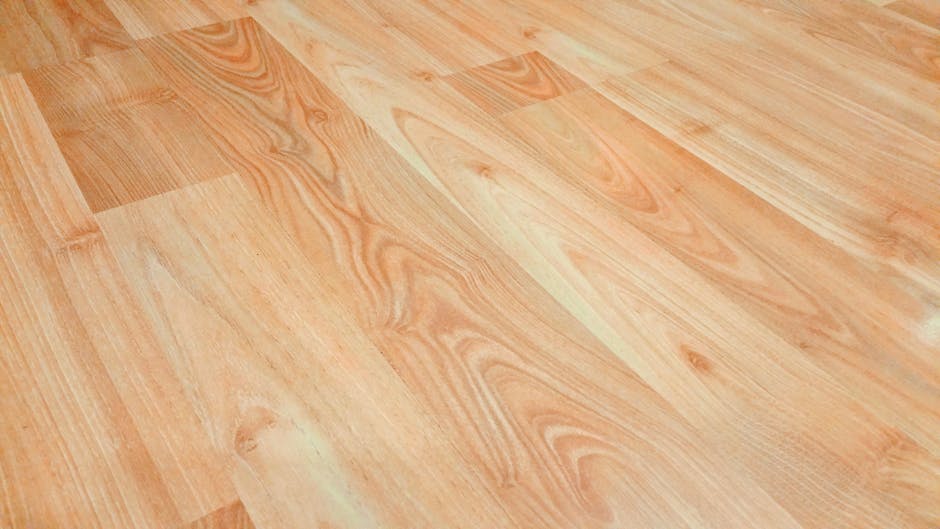
In summary, solid hardwood provides a unique, authentic look with its natural grain patterns, while laminate offers a cost-effective, wood-like appearance with photorealistic designs. Your choice will depend on whether you value the natural beauty and uniqueness of hardwood or the affordability and versatility of laminate.
Durability and Maintenance
When deciding between hardwood floors versus laminate, understanding their durability and maintenance needs is key. Both have their strengths and weaknesses, which can impact your decision.
Solid Hardwood
Solid hardwood floors are known for their long-lasting nature. With proper care, they can last for decades, even up to 100 years. One of the biggest advantages of hardwood is that it can be refinished multiple times. This means that if your floors get scratched or worn, you can sand them down and apply a new finish to make them look like new again. This ability to refinish makes hardwood a repairable choice, adding to its longevity.
However, hardwood does have its downsides. It is more susceptible to scratches from things like pet claws or moving furniture. Regular maintenance, like sweeping and using rugs in high-traffic areas, can help protect the surface. But the good news is, even if it gets scratched, it can be repaired through refinishing.
Laminate
Laminate flooring is often praised for being scratch-resistant. It has a tough wear layer that protects it from everyday wear and tear. This makes it a great option for homes with kids or pets, where scratches are more likely. However, if laminate does get damaged, it cannot be refinished like hardwood. Instead, the damaged boards need to be replaced, which can be a drawback if you’re looking for a long-term solution.
Laminate floors have a lifespan of about 15 to 25 years. While this is shorter than hardwood, it is still a respectable lifespan, especially given its lower cost. Regular cleaning with a dry or slightly damp mop will help maintain its appearance over the years.
Solid hardwood offers exceptional durability with the ability to be refinished, making it a long-lasting and repairable choice. Laminate, on the other hand, provides a scratch-resistant surface at a lower cost but may require board replacement if damaged. Your choice should reflect your lifestyle and how much maintenance you’re willing to commit to.
Water and Heat Resistance
When considering hardwood floors versus laminate, it’s crucial to understand how each material handles water and heat. These factors can significantly impact the longevity and performance of your flooring, especially in areas prone to moisture or temperature fluctuations.
Solid Hardwood
Solid hardwood flooring is beloved for its natural beauty, but it does have its vulnerabilities, especially when it comes to moisture. Hardwood is moisture-sensitive, which means it can absorb water and swell. This can lead to warping or buckling, particularly in areas like kitchens or bathrooms where spills are common. Therefore, it’s best to avoid installing hardwood in high-moisture areas.
In terms of heat, hardwood can be affected by radiant heating systems. The heat can cause the wood to expand and contract, potentially leading to gaps or cracks over time. It’s essential to ensure that your hardwood is properly acclimated to the room’s temperature and humidity levels before installation to minimize these effects.
Laminate
Laminate flooring, on the other hand, is designed to be water-resistant. While not completely waterproof, many laminate options offer excellent resistance to moisture, making them a better choice for areas like kitchens and basements. However, it’s important to prevent water from seeping into the seams, as prolonged exposure can cause the core material to swell.
Laminate also holds up well against heat. It can be installed over radiant heating systems without the risk of expansion and contraction that affects hardwood. This makes laminate a versatile option for various climates and rooms with temperature changes.
In summary, if you’re looking for a flooring option that can handle moisture and heat more effectively, laminate is generally the better choice. It offers water-resistant properties and can withstand temperature changes without damage, making it suitable for high-moisture areas and over radiant heating systems. Solid hardwood requires more careful consideration and maintenance to prevent damage from moisture and heat, which could affect its longevity and appearance.
Installation
When deciding between hardwood floors versus laminate, consider how each type of flooring is installed. This can impact not only the initial cost but also the complexity and time required.
Solid Hardwood
Installing solid hardwood flooring is a complex task best left to professionals. The process involves precise measurements, cutting, and fitting of planks, which are then nailed or stapled to the subfloor. This requires specialized tools like floor nailers and saws.
Professional installation is recommended for hardwood because it ensures the flooring is laid correctly, minimizing potential issues like uneven surfaces or gaps. Professionals also handle subfloor preparation and acclimation of the wood, which is crucial to prevent future warping or buckling due to temperature and humidity changes.
While the upfront cost of professional installation is higher, it can save you headaches down the line and increase the longevity of your hardwood floors.
Laminate
Laminate flooring is much more DIY-friendly. It features a click-lock system that allows the planks to snap together easily, creating a floating floor that doesn’t require nails or glue. This makes laminate a popular choice for homeowners looking to save on installation costs.
The simplicity of the click-lock mechanism means that most people can install laminate flooring with basic tools like a saw and a tapping block. There’s no need for heavy equipment, and the process can often be completed over a weekend.
While professional installation is still an option for those who prefer it, the ease of DIY installation makes laminate an attractive option for those on a budget or with a knack for home improvement projects.
In conclusion, if you’re looking for a straightforward installation process, laminate flooring is the way to go. Its DIY-friendly nature and click-lock system make it accessible for most homeowners. On the other hand, solid hardwood requires professional expertise to ensure a flawless finish, making it a more complex and costly option upfront.
Cost
When choosing between hardwood floors versus laminate, cost is a major factor to consider. Let’s break down the expenses and long-term value of each option.
Solid Hardwood
Solid hardwood flooring is known for its higher cost. Prices typically range from $5 to $10 per square foot, including materials and installation. This makes it one of the more expensive flooring options available. However, the long-term investment can be worthwhile. Hardwood floors can last 50 to 100 years with proper care, significantly increasing a home’s resale value. They are also considered a premium material, often providing a high return on investment (ROI) of up to 70-80%.
The initial expense is higher due to the cost of the wood itself and the need for professional installation. But, the durability and ability to refinish hardwood multiple times mean it can outlast other flooring types, making it a valuable investment for those planning to stay in their homes for a long time.
Laminate
Laminate flooring offers a more affordable option, with prices ranging from $1 to $3 per square foot. Even high-end laminate can be found for $10 to $12 per square foot. The cost-effective nature of laminate makes it accessible for homeowners on a budget.
Laminate is also known for its ease of installation, often allowing for DIY projects, which can further reduce costs. While laminate doesn’t last as long as hardwood, it can still offer a lifespan of 15 to 25 years. This makes it a suitable choice for those who may not be in their homes for decades or who want to save money upfront.
In summary, if budget is a primary concern, laminate flooring is a more economical choice. It provides a wood-like appearance at a fraction of the cost. For those looking at long-term value and willing to invest more initially, solid hardwood offers durability and a higher return on investment.
Resale Value
When it comes to resale value, flooring choices can significantly impact how potential buyers perceive a home. Let’s explore how hardwood floors versus laminate stack up in terms of home value, return on investment (ROI), and buyer preferences.
Solid Hardwood
Solid hardwood flooring is often seen as a premium material. It is highly sought after by homebuyers due to its natural beauty and durability. Many real estate professionals agree that homes with hardwood floors sell faster and at higher prices. The timeless appeal of hardwood floors can be a major selling point.
In terms of ROI, solid hardwood is a top performer. It can offer a return of 70-80%, which is among the highest for flooring options. This makes it a smart investment for homeowners looking to boost their property’s value. Buyers often prefer homes with hardwood floors because they can be refinished multiple times, ensuring longevity and maintaining their good looks.
Laminate
Laminate flooring, while budget-friendly, offers a more moderate ROI compared to hardwood. It is considered a good option for low- to mid-range priced homes. While it doesn’t add as much value as hardwood, high-quality laminate in good condition can still appeal to budget-conscious buyers looking for a durable and low-maintenance option.
Laminate can improve a home’s appearance, but it is generally not seen as a high-value feature by buyers. It offers a reasonable compromise between cost and aesthetics, making it suitable for homeowners who want to improve their home’s look without a large investment.
In summary, if maximizing resale value is a priority, solid hardwood is the better choice. It offers a high ROI and is favored by buyers. Laminate flooring can still be a viable option for those on a budget, providing a decent return and appealing to buyers seeking affordability.
Comfort and Sound
When considering comfort and sound in your flooring choice, both hardwood and laminate offer distinct experiences. Let’s break down what you can expect from each.
Solid Hardwood
Solid hardwood flooring is renowned for its warmth and natural feel underfoot. It absorbs sound well, reducing noise levels in your home. This makes it a great choice for bedrooms and living areas where a quiet atmosphere is desired.
- Underfoot Feel: Hardwood provides a warm, solid feel that many find comforting.
- Sound Absorption: Its dense nature helps in absorbing sound, minimizing echoes and noise transmission.
- Insulation: Hardwood offers some insulation, adding to the coziness of your space.
Laminate
Laminate flooring, on the other hand, is known for being soft underfoot due to its cushioned underlayment. However, it can be noisier than hardwood.
- Underfoot Feel: While softer, laminate can feel a bit more artificial compared to hardwood.
- Noise Levels: Laminate tends to transmit sound more, which can lead to a hollow noise when walked on. Using an acoustic underlayment can help reduce this.
- Insulation: While it doesn’t provide as much natural warmth as hardwood, laminate can still offer a comfortable surface with the right underlayment.
In summary, if you prioritize a warm, quiet environment, solid hardwood is your best bet. For a softer feel and affordability, laminate can work well, especially with added soundproofing measures.
Frequently Asked Questions about Hardwood Floors versus Laminate
Which is better, hardwood or laminate?
Choosing between hardwood and laminate often depends on your priorities. If durability and long-term value are at the top of your list, hardwood is the way to go. It offers a timeless look and can be refinished multiple times, making it a long-lasting investment. Hardwood floors are also known for increasing property value more than laminate.
However, if you’re on a budget and want something easier to install, laminate might be better for you. Laminate flooring is affordable and DIY-friendly, thanks to its click-lock installation system. It’s also more resistant to scratches, making it a practical choice for homes with pets or children.
What are the disadvantages of laminate flooring?
While laminate flooring offers many benefits, it does have some downsides:
- Moisture Sensitivity: Laminate is prone to moisture damage. Unlike hardwood, it can’t be refinished if damaged. Instead, individual boards must be replaced.
- Sound and Feel: It can sound hollow and feel less natural underfoot compared to hardwood. Adding an acoustic underlayment can help reduce noise.
- Aesthetic Limitations: Laminate mimics wood but often has repeating patterns, which can look less authentic than the unique grain of real wood.
Does laminate wood flooring increase home value?
Yes, laminate flooring can increase home value, especially if it replaces old or damaged flooring. However, it’s important to note that hardwood floors generally offer a higher return on investment. If you’re planning to sell your home, hardwood may attract more potential buyers due to its premium appeal.
In conclusion, consider your budget, lifestyle, and long-term goals when choosing between hardwood floors versus laminate. Both options have their advantages, but understanding their differences will help you make the best decision for your home.
Conclusion
Choosing between hardwood floors versus laminate boils down to understanding your priorities and how each option aligns with them. Both materials offer unique benefits, but they cater to different needs and preferences.
Hardwood is a classic choice, known for its timeless beauty and ability to improve home value. Its natural patterns and warmth make it a desirable option for many homeowners. Hardwood floors can be refinished multiple times, ensuring they last for decades. However, they come with a higher initial cost and require professional installation, which adds to the expense. If you’re looking for a long-term investment and aim to boost your property’s resale value, hardwood is a solid choice.
Laminate, on the other hand, is a budget-friendly alternative that offers ease of installation and maintenance. It’s scratch-resistant and can handle high foot traffic, making it ideal for busy households. While it can’t match the elegance of real wood, high-quality laminate can mimic the appearance of hardwood at a fraction of the cost. It’s a practical option if you’re looking to renovate on a budget or need a DIY-friendly project.
At Romero Hardwood Floors Inc, we understand that choosing the right flooring is a significant decision. Our expertise in hardwood floor installation ensures that you receive high-quality service custom to your needs. Whether you’re drawn to the enduring appeal of hardwood or the practicality of laminate, we’re here to help you make the best choice for your home.
The decision between hardwood and laminate should reflect your lifestyle, budget, and long-term goals. By weighing the pros and cons of each, you can select a flooring solution that aligns with your vision and improves the beauty and functionality of your space.
