
High strength adhesive: Top 4 Powerful Bonds
Why High Strength Adhesives Are Changing the Game
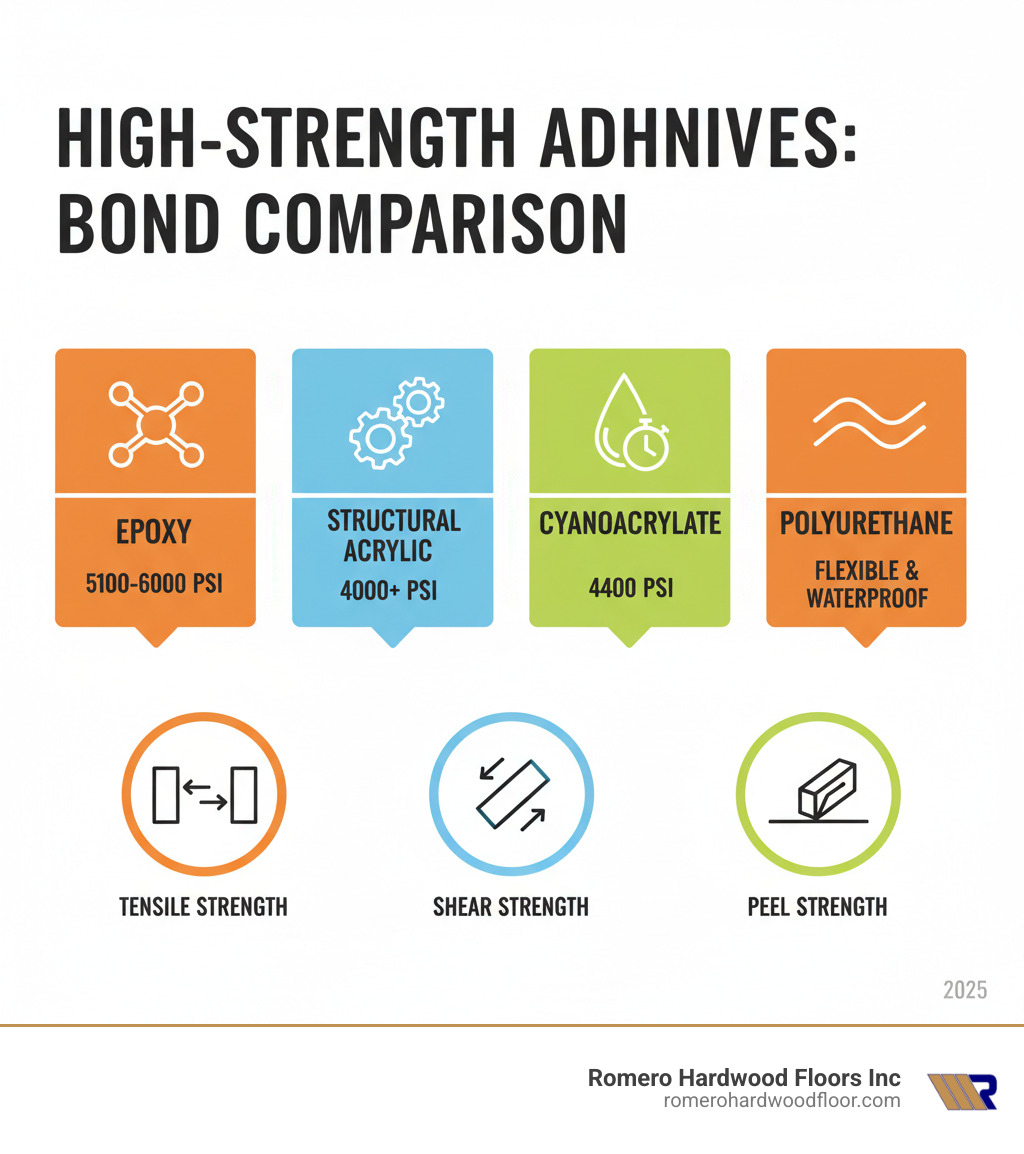
High strength adhesive has revolutionized how we bond materials in construction and manufacturing. These powerful bonding agents deliver tensile strengths ranging from 2,900 PSI to over 6,000 PSI, often replacing traditional mechanical fasteners like screws, bolts, and welds.
Top High-Strength Adhesive Types:
- Epoxies: 5,100-6,000 PSI (single-component), best for metal bonding
- Structural Acrylics: 4,000+ PSI, excellent for dissimilar materials
- Cyanoacrylates: Up to 4,400 PSI on steel, instant cure times
- Polyurethanes: Flexible bonds, waterproof, ideal for construction
The strongest adhesives offer several key advantages over mechanical fasteners. They distribute stress across the entire bond area instead of concentrating it at specific points. This creates smoother surfaces, eliminates corrosion between dissimilar metals, and often reduces overall weight.
Modern high strength adhesives also cure faster than ever before. Some modern construction adhesives hold in just 30 seconds, while cyanoacrylates reach handling strength in 5-10 seconds. This speed boost has made adhesives practical for production environments where time matters.
Understanding the Power Players: Types of High-Strength Adhesives
Think of high strength adhesive as the superhero of the bonding world. These aren’t your typical household glues – they’re engineered marvels that can hold together everything from skyscrapers to spacecraft. Understanding what makes them tick involves diving into their chemical families and how they transform from liquid to rock-solid bond.
The magic happens through different curing mechanisms. Some adhesives are like patient workers, slowly hardening when exposed to air or moisture. Others are more like sprinters, needing a catalyst or heat to spring into action immediately. These differences aren’t just technical details – they determine how fast you can work, how strong the final bond will be, and whether the adhesive fits your specific project needs.
In our flooring work, these distinctions can make the difference between a floor that lasts decades and one that fails within months. Each type brings its own key properties to the table, from chemical resistance to flexibility to sheer holding power.
Epoxies: The Strength Champions
When you absolutely, positively need the strongest bond possible, epoxies step up to the plate. These powerhouses are the heavyweight champions of the adhesive world, especially when it comes to bonding metals and creating joints that need to withstand serious punishment.
Single-component epoxies are the patient perfectionists of the group. They sit quietly until you apply heat, then transform into bonds with incredible tensile strength – we’re talking 5,100 to 6,000 psi. That’s strong enough to hold a car hanging from a bond the size of a quarter! These heat-cure formulas also bring exceptional chemical resistance and temperature resistance to the table. If you ever need to remove them, you’ll need to heat things up to over 480°F – they don’t give up easily.
Two-component epoxies are more like the friendly neighbors of the epoxy family. Mix the resin and hardener together, and they cure right at room temperature without any fuss. While their tensile strength ranges from 2,900 to 4,400 psi – slightly less than their single-component cousins – they’re much easier to work with. You can still remove them with heat, but only need to reach about 250°F.
Both types offer fantastic resistance to chemicals, impacts, and peeling forces. They’re perfect when you need a bond that’s going to last through whatever life throws at it. For more details about how we use these robust adhesives in our work, check out more info about our hardwood floor installation process.
Structural Acrylics: The Versatile Bonders
If epoxies are the strong, silent types, structural acrylics are the social butterflies who get along with everyone. These adhesives excel at bonding dissimilar materials – think metals to plastics, or any combination that would normally refuse to stick together.
With tensile strength exceeding 4,000 psi, structural acrylics pack serious power while offering something epoxies often can’t: speed. Their fast cure times mean you can handle parts quickly, keeping projects moving along at a good clip.
What makes structural acrylics truly special is their ability to bond low surface energy materials – those slippery plastics that seem to reject every other adhesive. They’re particularly ideal for metals and plastics, making them a go-to choice when you’re working with mixed materials that need to move as one unit.
Cyanoacrylates (Super Glues): The Instant Grabbers
Cyanoacrylates are the speed demons of the adhesive world. Most people know them as “super glue,” but professional-grade versions are far more capable than the little tubes you find at the hardware store.
These adhesives cure extremely fast – we’re talking seconds, not minutes or hours. Despite their reputation for small fixes, high-quality cyanoacrylates can achieve impressive strength. On steel, top-performing grades can reach up to 4,400 psi, which puts them in serious high strength territory.
The secret to cyanoacrylates’ success lies in tight-fitting parts. They work best when there’s minimal gap between surfaces, creating bonds that can handle significant stress. They’re perfect for precision bonding and those moments when you need an immediate grab.
For small flooring repairs and detail work, cyanoacrylates can be incredibly useful. If you’re dealing with minor damage, learn how to repair small chips in wooden floors using the right precision adhesive techniques.
Polyurethanes: The Flexible Force
While other adhesives focus on pure strength, polyurethanes bring something equally valuable to the table: the ability to bend without breaking. These adhesives create bonds that can flex, stretch, and absorb impacts while maintaining their integrity.
Flexibility and impact resistance are polyurethanes’ calling cards. They excel in situations where materials expand and contract with temperature changes, or where vibration and movement are constant factors. Their waterproof properties make them invaluable in construction and outdoor applications.
Polyurethanes cure by reacting with moisture in the air, gradually building strength over time. This makes them particularly well-suited for construction and automotive applications where environmental exposure is a given.
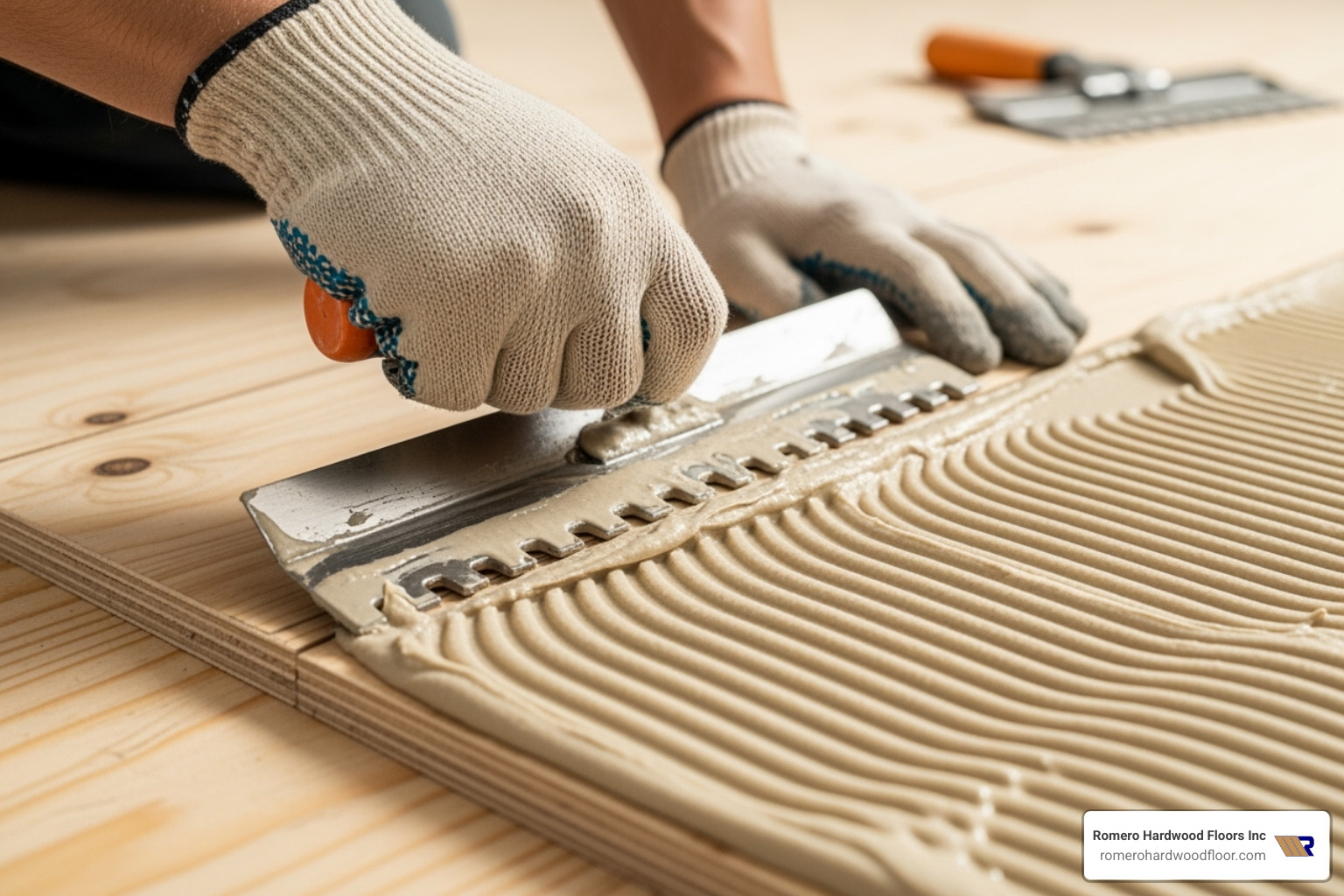
In flooring work, polyurethanes shine when we need a strong bond that can accommodate substrate movement. They’re perfect for challenging installations like gluing solid hardwood floors to concrete, where the adhesive must handle the different expansion rates of wood and concrete while maintaining a rock-solid connection.
By the Numbers: Comparing High-Strength Adhesive Performance
Numbers don’t lie, and when it comes to high strength adhesive selection, the data tells a compelling story. Understanding how these powerful bonding agents stack up against each other in real-world metrics helps you make smarter choices for your projects. Let’s explore the performance data that really matters.
The beauty of modern adhesive technology lies in the variety of options available. Each type of high strength adhesive brings something unique to the table, whether that’s lightning-fast cure times or best durability. As someone who’s worked with countless adhesives over the years, I can tell you that matching the right adhesive to your specific needs makes all the difference between a job that lasts and one that fails.
Strength vs. Speed: A Head-to-Head Look
When comparing adhesive performance, three key factors stand out: tensile strength, cure time, and application method. Each adhesive type excels in different areas, creating a fascinating trade-off between power and practicality.
| Adhesive Type | Tensile Strength (PSI) | Cure Time (to handling strength) | Application Method | Key Advantage |
|---|---|---|---|---|
| Epoxies | 2,900-6,000 | Hours to Days | Cartridge, Tube, Bulk | Highest overall strength, chemical & temperature resistance |
| Structural Acrylics | 4,000+ | Minutes | Cartridge, Tube | Bonds dissimilar materials, fast cure, impact resistance |
| Cyanoacrylates | Up to 4,400 (on steel) | Seconds | Small Bottle, Applicator | Instant grab, precision bonding |
| Polyurethanes | Varies (often 1,000-3,000+) | Minutes to Hours | Cartridge, Tube, Bulk | Flexibility, impact resistance, waterproof, good for dynamic loads |
Note: Tensile strength values are approximate and can vary significantly based on specific product formulation and substrate.
Epoxies dominate the strength category, particularly single-component versions that can reach an impressive 6,000 PSI. However, this power comes with patience – you’ll wait hours or even days for full cure. Structural acrylics offer the sweet spot for many applications, delivering over 4,000 PSI strength while curing in minutes rather than hours.
For instant gratification, cyanoacrylates can’t be beat. They grab in seconds and reach remarkable strength on the right substrates. Polyurethanes might not win the strength contest, but their flexibility and waterproof properties make them invaluable for dynamic applications where movement is expected.
To Spray or Not to Spray?
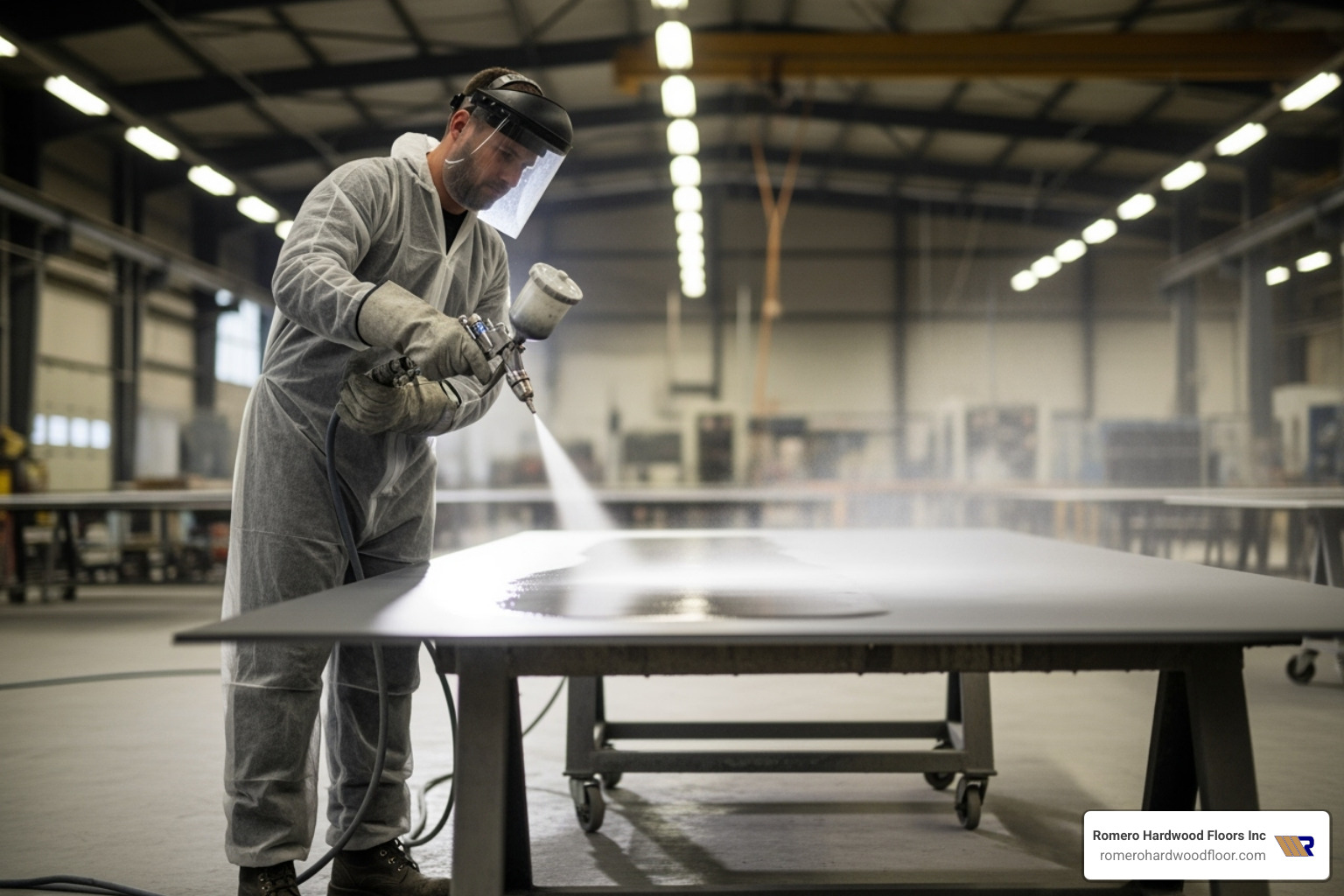
The application method you choose can make or break your project’s efficiency and final bond quality. Traditional cartridge and tube applications offer precision control and excellent gap-filling capabilities, while spray adhesives revolutionize how we handle large surface areas.
Spray adhesives shine when you need to cover substantial areas quickly and evenly. For example, high-solids content spray adhesives provide excellent initial grab and can cover more square footage. A variable-width spray pattern allows for adjustable coverage based on project needs, and some can handle temperatures up to 130°F without breaking a sweat.
The speed advantage of spray application is hard to ignore. Where traditional methods might require careful bead placement and spreading, spray adhesives deliver uniform coverage in a fraction of the time. This makes them ideal for large panels, insulation work, and broad construction applications.
Traditional cartridge and tube methods still have their place, especially when precision matters. Some heavy-duty construction adhesives prove that conventional application methods pack serious punch – holding in just 30 seconds while handling temperature extremes from -40° to 200°F. These methods excel at gap-filling, structural bonding, and applications requiring exact placement.
The choice between spray and traditional application ultimately depends on your project’s specific demands. Large surfaces and speed requirements favor spray methods, while precision work and heavy structural loads call for traditional application techniques.
Finding Your Perfect Match: How to Select a High Strength Adhesive
Choosing the right high strength adhesive feels a bit like matchmaking – you need to find the perfect chemistry between your project’s needs and the adhesive’s strengths. After 15+ years in the flooring business, I’ve learned that the strongest adhesive isn’t always the best choice. Sometimes you need flexibility over raw power, or speed over ultimate strength.
The secret lies in understanding what your project truly demands. Think of it this way: you wouldn’t wear hiking boots to a wedding, and you shouldn’t use a rigid epoxy where you need a flexible polyurethane bond.
Key Factors for Your Project
Every successful adhesive selection starts with three fundamental questions that I ask on every flooring project.
First, what materials are you bonding? The substrate compatibility makes or breaks your bond. Metal-to-metal connections often call for epoxies with their superior strength and chemical resistance. Plastic bonding, especially those tricky low-surface-energy materials, might need structural acrylics that specialize in difficult surfaces. Wood applications can work beautifully with polyurethanes that flex with the material’s natural movement. Porous surfaces like concrete require adhesives that can penetrate and create mechanical bonds, while non-porous surfaces need adhesives that excel at surface adhesion.
Second, what forces will challenge your bond? Understanding the difference between tensile stress (straight pulling apart), shear stress (sliding forces), peel strength (edge lifting), and impact resistance (sudden shocks) helps you choose wisely. A cyanoacrylate might give you incredible tensile strength on steel but poor peel resistance. An epoxy could handle heavy loads but crack under impact where a flexible polyurethane would absorb the shock.
Third, how does your application process work? Cure time requirements vary dramatically – sometimes you need that 30-second grab of construction adhesives, other times you can wait hours for maximum strength. Gap-filling needs matter too; some adhesives work only on tight-fitting parts while others bridge significant gaps. The application method itself, whether precision dispensing or broad coverage, influences your choice.
These factors work together like ingredients in a recipe. When we’re selecting adhesives for flooring projects, we consider all three simultaneously. If you’re planning a flooring project, Read our guide on choosing the best hardwood flooring to understand how material choices affect adhesive selection.
The Impact of Environment on Your High Strength Adhesive
Environmental conditions can transform a perfect high strength adhesive into a complete failure. I’ve seen beautiful installations fail because someone ignored the environment where the bond would live and work.
Temperature extremes test every adhesive differently. Most construction adhesives handle impressive ranges – some work from -40°F to 200°F – but others have much narrower comfort zones. Hot climates, cold storage areas, or applications near heat sources like furnaces demand temperature-resistant formulations. This becomes critical in specialized applications like engineered wood with underfloor heating, where adhesives face constant thermal cycling that can weaken bonds over time.
Moisture and chemical exposure separate the tough adhesives from the pretenders. Waterproof bonds resist humidity, occasional water contact, and even submersion. Chemical resistance protects against cleaning products, automotive fluids, or industrial solvents that might contact the bonded area. Some adhesives excel in one area but fail in another – knowing your exposure helps you choose correctly.
UV exposure from sunlight gradually breaks down many adhesives, causing them to become brittle and lose strength. Outdoor applications or areas with significant sun exposure need UV-stable formulations that maintain their properties despite constant light bombardment.
The environment doesn’t just affect performance – it affects safety and application too. Poor ventilation areas might require low-VOC formulations, while outdoor work might demand adhesives that cure despite humidity or temperature variations.
Understanding these environmental factors ensures your high strength adhesive creates bonds that last years, not months, regardless of what nature throws at them.
Safety First: Best Practices for Handling Adhesives
Working with high strength adhesive is like handling any powerful tool – it requires respect and proper technique. Over my years in the flooring business, I’ve seen what happens when safety shortcuts are taken, and trust me, it’s never worth the risk. These adhesives are incredibly effective, but their strength means we need to treat them with the care they deserve.
The good news? With the right precautions, high strength adhesive products are perfectly safe to use. Whether you’re a weekend DIYer or a seasoned professional, following these guidelines will keep you safe while getting excellent results.
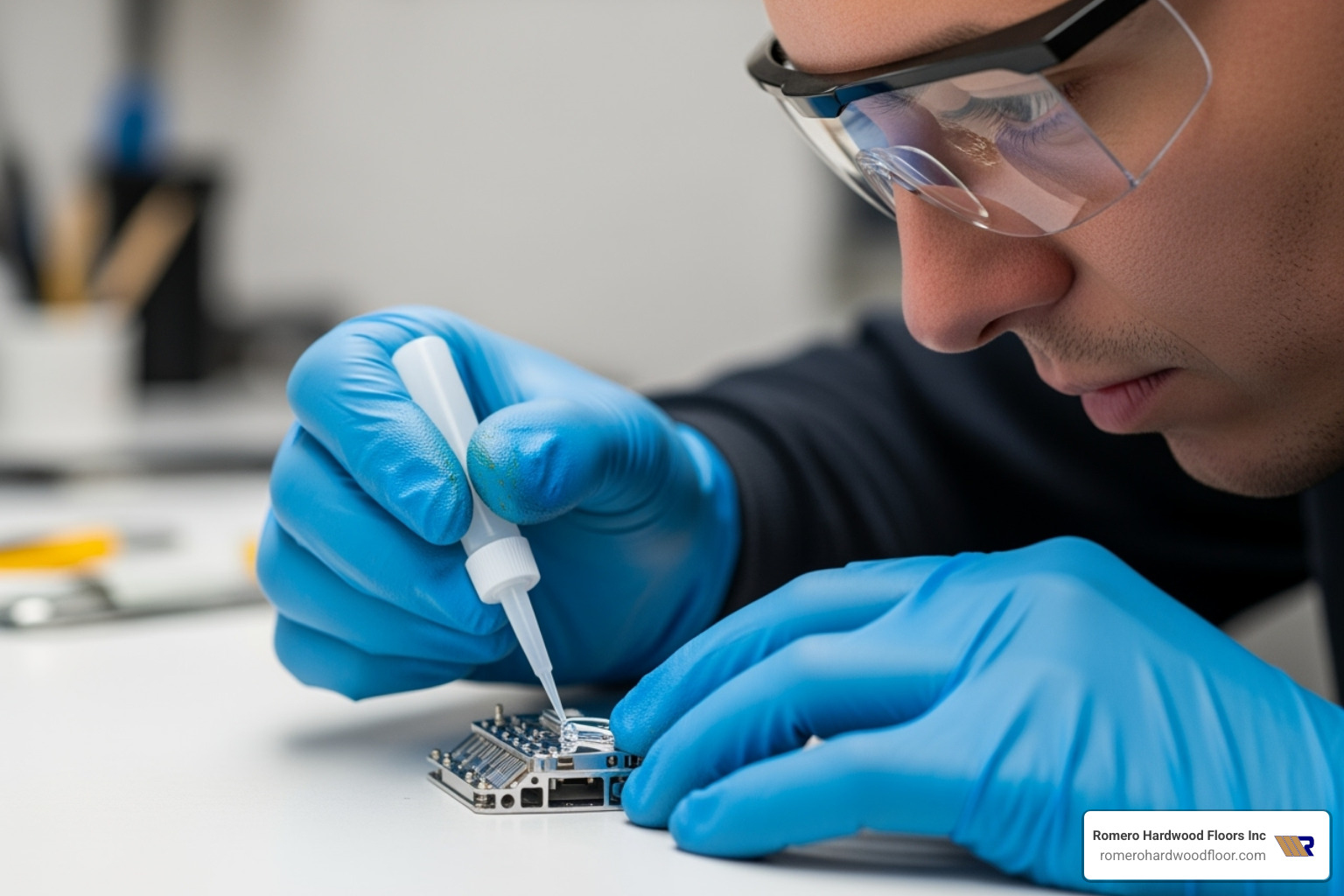
Personal Protective Equipment (PPE)
Think of PPE as your armor against adhesive mishaps. I always tell my crew that the few extra seconds it takes to gear up properly can save hours of discomfort – or worse.
Gloves are absolutely essential when working with any high strength adhesive. Many of these products can irritate your skin or bond instantly to it. Nitrile gloves work great because they resist most adhesive chemicals. If adhesive does get on your skin despite your gloves, don’t panic. Wipe off as much as possible with a dry cloth, then wash thoroughly with soap and warm water.
Safety glasses protect your eyes from splashes and fumes. Adhesive in your eyes is no joke, and it’s such an easy thing to prevent. Even if you’re just doing a small repair, those safety glasses are worth wearing.
Proper ventilation is your invisible shield against harmful fumes. Many adhesives release volatile organic compounds (VOCs) as they cure. Always work in a well-ventilated area, or better yet, use a fan to keep air moving. For bigger projects or industrial settings, consider consulting with a safety professional about your specific workspace needs.
Surface Preparation and Application
Here’s something I’ve learned after thousands of installations: the strongest high strength adhesive in the world won’t help you if your surfaces aren’t properly prepared. It’s like trying to paint over dirt – it might stick temporarily, but it won’t last.
Clean surfaces are non-negotiable. Remove all dirt, grease, oil, and loose debris before applying any adhesive. I’ve seen bonds fail simply because someone skipped this step. Some adhesives can handle slightly damp surfaces, but clean is always required.
Following manufacturer instructions isn’t just a suggestion – it’s the difference between success and failure. Every adhesive has its own personality. Pay attention to application temperature, mixing ratios for two-component systems, and timing requirements. Using fresh adhesive within its shelf life and staying within temperature limits can make or break your project.
Understanding cure times requires patience. Yes, some adhesives grab instantly, but that doesn’t mean they’re at full strength. Take construction adhesives that hold in 30 seconds – they still need 24 hours to cure properly, and thick applications might need 48-72 hours. Rushing this process is like pulling a cake out of the oven too early. It might look ready, but it’s not.
Understanding VOCs and Your Health
Volatile Organic Compounds might sound scary, but understanding them helps you make better choices for your health and indoor air quality.
VOC-compliant products meet specific standards for low emissions. Many modern high strength adhesive options now contain less than 2% VOCs, which is a huge improvement over older formulations. These products are especially important for indoor projects where air quality matters.
Low-odor formulas are more than just pleasant to work with – they typically indicate lower chemical emissions. If you can barely smell the adhesive, that’s usually a good sign for your health and comfort.
Indoor air quality becomes especially important in homes and offices where people spend lots of time. This is why we’re committed to using products that won’t compromise the air you breathe, similar to our approach with non-toxic floor finishes.
By taking these safety measures seriously, you’ll not only protect yourself but also ensure your adhesive bonds perform exactly as intended. After all, the best high strength adhesive job is one that’s both strong and safely completed.
The Future is Sticky: Innovations in Adhesive Technology
The world of high strength adhesive is evolving faster than ever before. As someone who’s been in the flooring business for over 15 years, I’ve watched adhesive technology transform from basic bonding agents to sophisticated chemical marvels. Today’s innovations aren’t just about sticking things together—they’re about creating smarter, stronger, and more environmentally responsible solutions.
What excites me most is how these advances directly benefit our installations. The adhesives we use today would have seemed like science fiction just a decade ago. They cure faster, hold stronger, and adapt to challenging conditions in ways that make our work more reliable and our customers’ floors more durable.
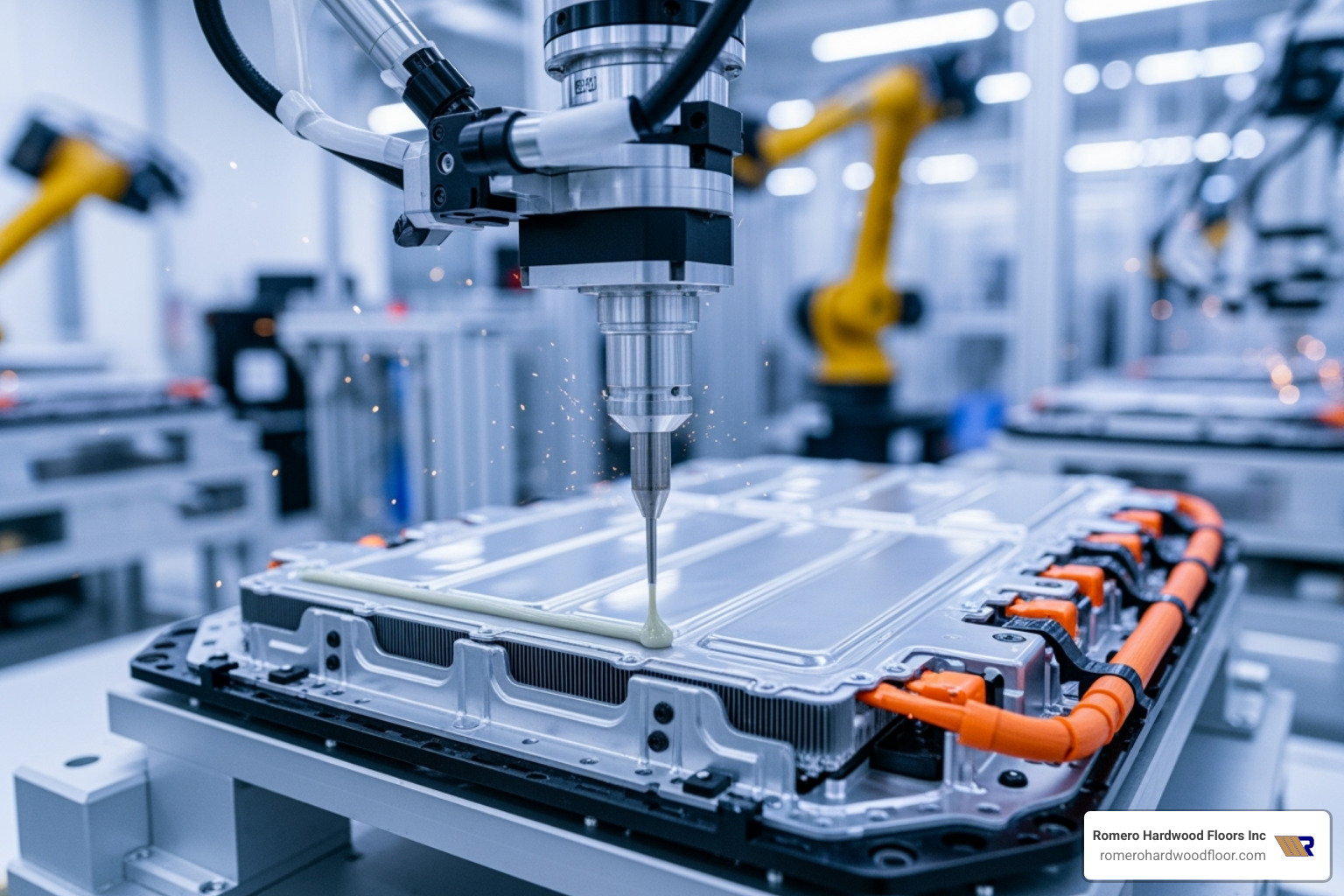
Smarter, Stronger, Greener Bonds
The most exciting development I’ve witnessed is the rise of hybrid adhesives, particularly Silyl Modified Polymers (SMPs). These game-changers combine the best features of different adhesive families. Instead of choosing between strength or flexibility, you get both. Products using SMP technology offer incredible instant grab while maintaining the flexibility needed for real-world applications where materials expand and contract.
These hybrid formulations solve problems we’ve wrestled with for years. Traditional adhesives often forced us to compromise—strong but brittle, or flexible but weak. Modern high strength adhesive formulations eliminate that trade-off entirely.
Improved flexibility and strength go hand in hand in today’s advanced adhesives. We’re seeing products that maintain their bond integrity across extreme temperature ranges, from -60°C to 120°C. This matters tremendously in flooring applications where seasonal temperature changes can stress adhesive bonds. These new formulations remain elastic enough to accommodate material movement while providing the structural strength needed for long-term performance.
The push toward eco-friendly formulations has revolutionized our industry practices. Modern adhesives achieve remarkable performance while dramatically reducing environmental impact. We’re seeing more water-based and solvent-free options that don’t sacrifice strength for sustainability. Many now feature nonflammable properties and meet strict environmental compliance standards, making them safer for both installers and occupants.
Adhesives for electronics and advanced composites represent another frontier that’s influencing our work. While we might not be bonding spacecraft components, the technology developed for these demanding applications trickles down to construction-grade products. These innovations mean better adhesion to modern flooring materials and improved resistance to the electronic interference from today’s smart homes.
The beauty of these advances is their practical impact. Faster cure times mean quicker project completion. Better environmental resistance means fewer callbacks. Improved flexibility means installations that last longer and perform better over time. These innovations showcase where the industry is heading, promising even more capable solutions for specialized applications.
Conclusion
Selecting the right high strength adhesive isn’t just about grabbing the strongest product on the shelf—it’s about understanding your project’s unique needs and matching them with the perfect bonding solution. Throughout this guide, we’ve journeyed through the impressive world of these powerful adhesives, finding how epoxies deliver best tensile strength, structural acrylics excel at bonding tricky materials, cyanoacrylates provide instant results, and polyurethanes offer flexible durability.
The key to success lies in considering those critical factors we discussed: what materials you’re bonding, the stresses your project will face, and the environmental conditions it must endure. A high strength adhesive that works beautifully in a climate-controlled workshop might struggle outdoors, just as an adhesive perfect for metal bonding might not be the best choice for wood or concrete.
What excites me most about the adhesive industry is how rapidly it’s evolving. The innovations we’re seeing today—from hybrid chemistries that combine the best of multiple adhesive families to eco-friendly formulations that protect both performance and our planet—mean that tomorrow’s bonding challenges will have even better solutions.
For specialized applications like flooring, professional expertise becomes crucial. At Romero Hardwood Floors Inc., we’ve spent over 15 years learning which adhesives work best for different substrates, environmental conditions, and installation methods. Our commitment to using industry-leading high strength adhesive products, combined with proper surface preparation and application techniques, ensures that every floor we install stays beautiful and structurally sound for decades.
Whether you’re tackling a DIY project or planning a major installation, the right adhesive choice today saves you headaches tomorrow. To dive deeper into flooring-specific bonding solutions, explore our comprehensive guide on Engineered Wood Floor Adhesive, where we share the professional insights that make all the difference.
Like us on Facebook!
