
How much does it cost to install hardwood floors: Top 3 Budgeting Tips
How much does it cost to install hardwood floors? This is often one of the first questions homeowners have when considering upgrading to hardwood. In today’s market, you can expect to pay anywhere from $6 to $12 per square foot for basic hardwood installation. Prices climb to $9 to $18 for mid-range options and may soar to $15 to $30 per square foot for high-end or exotic woods. While quotes can vary based on material choice and job complexity, an average estimate for 1,000 square feet falls between $6,000 and $12,000.
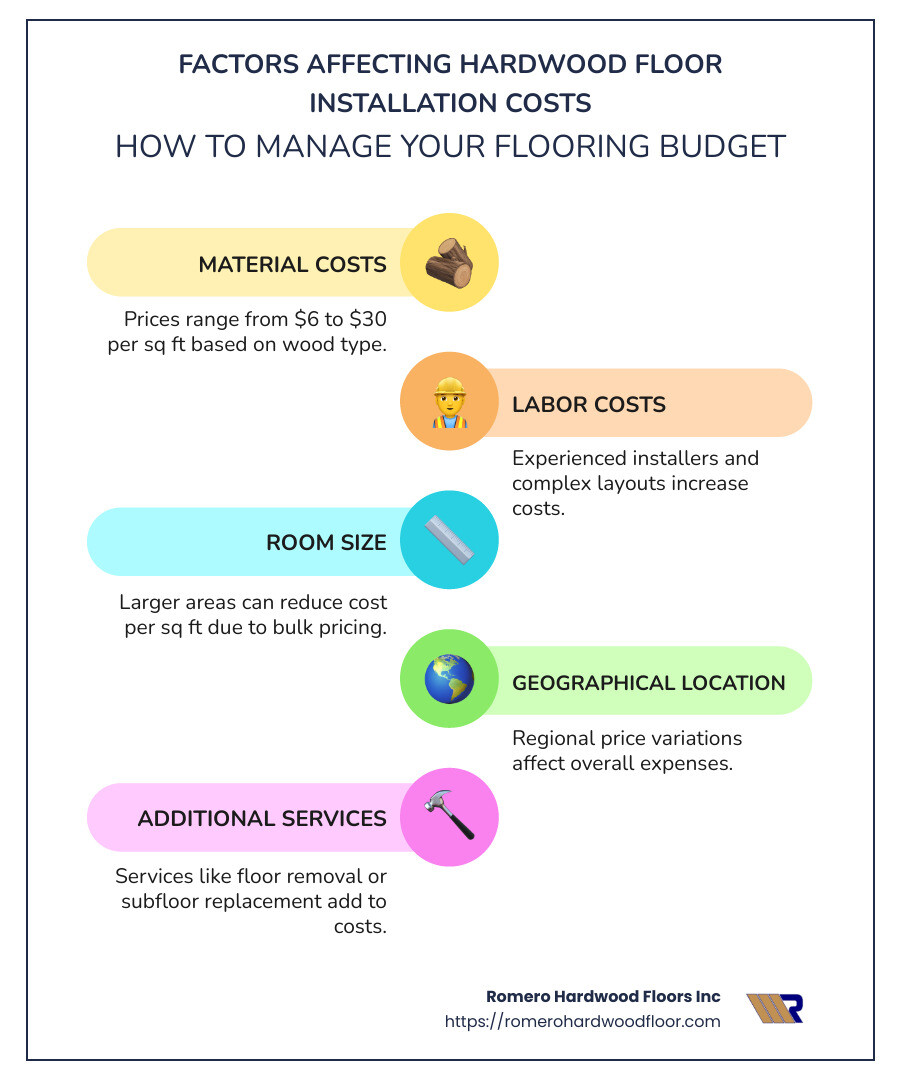
When planning your hardwood flooring project, several factors come into play. The type of wood, room size, labor costs, and geographical location all impact the overall expense. Understanding these factors and budgeting wisely can help you manage costs effectively.
I’m Francisco Romero, with over 15 years of experience in hardwood flooring. I’ve worked extensively to provide clients with durable, beautiful floors that fit their budgets. As the owner of Romero Hardwood Floors Inc., I aim to make your flooring project seamless and valuable.
How much does it cost to install hardwood floors word roundup:
– diy hardwood floor installation
– engineered hardwood flooring installation
– hardwood floor installation patterns
Understanding Hardwood Flooring Costs
When it comes to installing hardwood floors, understanding the costs involved is crucial. From the cost per square foot to the type of wood, several factors influence the final price. Let’s break it down.
Cost Breakdown by Area Size
The size of the area you’re looking to cover plays a significant role in determining the cost. Here’s a quick look at how the price varies based on square footage:
- 500 sq ft: Expect to pay between $3,000 and $6,000.
- 1,000 sq ft: Costs range from $6,000 to $12,000.
- 1,500 sq ft: Prices can be anywhere from $9,000 to $18,000.
- 2,000 sq ft: The cost jumps to between $12,000 and $24,000.
- 2,500 sq ft: You might pay from $15,000 to $30,000.
- 3,000 sq ft: Anticipate spending between $18,000 and $36,000.
These estimates include both materials and labor. Larger areas often benefit from economies of scale, reducing the cost per square foot.
Cost Breakdown by Wood Type
The type of wood you choose also impacts the overall cost. Here’s a look at some popular options:
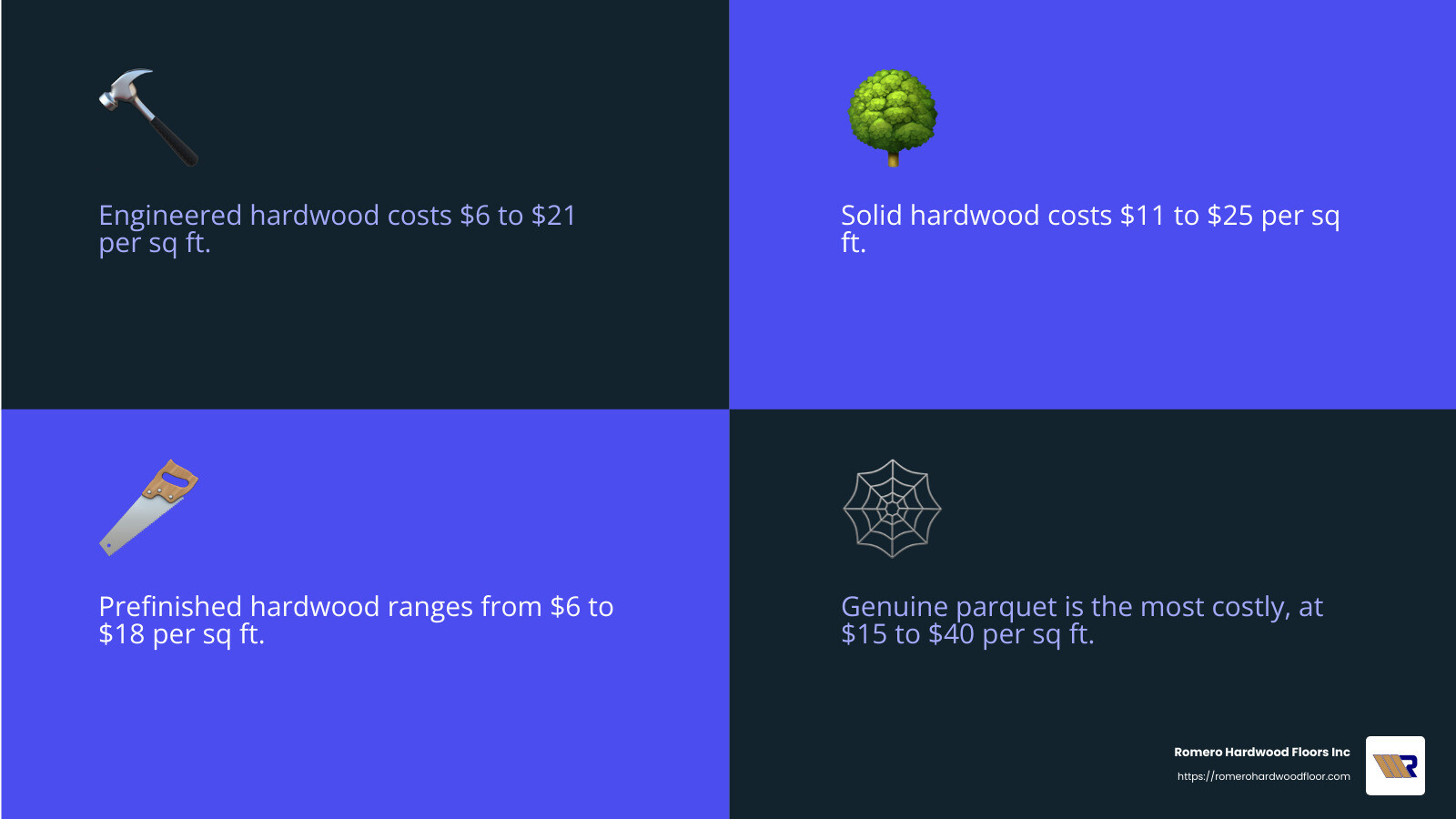
- Engineered Hardwood: Ranges from $6 to $21 per square foot. It’s a budget-friendly option that mimics the look of solid wood.
- Solid Hardwood: Costs between $11 and $25 per square foot. It’s durable and long-lasting but comes at a higher price.
- Prefinished Hardwood: Typically costs $6 to $18 per square foot. It’s convenient as it comes ready to install.
- Faux Parquet: Priced between $7 and $15 per square foot. Offers a unique look without the high cost of genuine parquet.
- Genuine Parquet: The most expensive, ranging from $15 to $40 per square foot. It provides a classic, neat appearance.
Material Costs include the price of the wood itself, while labor costs cover installation. Labor rates can vary based on the complexity of the project and the experience of the installer.
Additional Services
When budgeting for your hardwood flooring, don’t forget to factor in additional services:
- Floor Removal: If existing flooring needs to be removed, this can add to the cost.
- Subfloor Replacements: Necessary if the subfloor is not in good condition.
- Furniture Moving: Some companies offer this service, which can be a time-saver.
- Appliance Connections: Reconnecting appliances after installation may incur extra charges.
By understanding these costs, you can plan your project more effectively and ensure that your beautiful new hardwood floors fit within your budget.
Major Cost Factors
When planning for hardwood flooring installation, understanding the major cost factors can help you budget wisely. Let’s explore the specifics of these costs.
Labor Costs
Labor is a significant part of the overall expense when installing hardwood floors. The labor rates typically range from $3 to $6 per square foot. These rates can vary depending on the complexity of the installation and the installer’s experience.
- Complexity of Installation: If your room has numerous angles, irregular shapes, or obstructions, expect higher labor costs. Intricate designs or patterns also increase complexity and, therefore, costs.
- Installer’s Experience: Hiring a reputable installer with years of experience might cost more upfront, but it can ensure a higher quality finish and fewer issues down the road.
Additional Services
Additional services can add to the total cost of your hardwood flooring project. Here are some common services to consider:
- Floor Removal: Removing old flooring is often necessary before installation. For hardwood, this can cost $1.50 to $3.50 per square foot. Carpet removal is slightly cheaper, ranging from $0.70 to $1.60 per square foot.
- Subfloor Replacements: If your subfloor is damaged or uneven, you might need to replace it. Subfloor replacements typically cost between $2.20 and $4.75 per square foot.
- Furniture Moving: Some installers offer furniture moving services. While this is convenient, it can add to your overall costs. Check if this is included in your estimate or if it’s an extra charge.
- Appliance Connections: Disconnecting and reconnecting appliances can also incur additional costs. Make sure to ask your installer if this service is provided or if you need to hire a separate technician.
Material Grade and Wood Type
The grade and type of wood significantly affect material costs. Prime Grade woods, with fewer knots and imperfections, are more expensive due to their limited availability. Select Grade woods offer a mix of high and lower-grade woods and are more budget-friendly.
- Wood Type: Exotic woods like Brazilian walnut or teak are pricier due to their rarity. More common woods like red oak or maple are generally more affordable.
Room Size and Layout
The size and layout of the room impact both material and labor costs. Larger rooms might reduce the cost per square foot due to economies of scale, but they will increase the total cost. Rooms with complex layouts or multiple rooms being done at once might see adjusted rates.
Type of Installation
The method of installation also plays a role in cost. Glue-down installations are more labor-intensive and thus more expensive, while nail-down installations are simpler and cheaper.
By understanding these cost factors, you can get a clearer picture of how much it does cost to install hardwood floors and plan your budget accordingly. This knowledge helps you make informed decisions and ensures your project stays within budget.
How Much Does It Cost to Install Hardwood Floors?
Professional vs. DIY Installation
When considering how much does it cost to install hardwood floors, the decision between hiring a professional or going the DIY route plays a major role. Here’s a breakdown of each option:
Professional Installation
Hiring a professional can cost between $7,000 to $25,000 for a 1,500-square-foot space. These costs include both materials and labor, with the labor part being around $3 to $10 per square foot. Choosing a professional often means a quicker installation, a warranty, and peace of mind knowing the job is done right.
Going the DIY route can save you on labor costs, potentially reducing your expenses to $4,000 to $15,000 for materials alone in the same space. However, DIY projects require careful planning and the right tools, which can be an additional cost. Equipment rentals can range from $15 to $180 per day, depending on what you need.
Pros and Cons
- Pros of DIY: Cost savings on labor, satisfaction of completing a project yourself.
- Cons of DIY: Requires time, skill, and the right tools. Mistakes can be costly.
Tools and Skills Needed for DIY
If you opt for a DIY installation, you’ll need several tools and skills to get the job done right:
Essential Tools
- Air Compressor: Powers pneumatic tools.
- Chalk Line: For marking straight lines.
- Concrete Nails or Screws: For securing subfloors.
- Dust Mask or Respirator: Protects against dust.
- Ear Protection: Safeguards your hearing from loud tools.
- Jigsaw: For cutting boards to fit around obstacles.
- Kneepads: Provides comfort during prolonged kneeling.
- Miter Saw: For precise cuts.
- Moisture Meter: Ensures wood is at the right moisture level.
- Pneumatic Floor Nailer: For securing boards.
- Pry Bar: For removing old flooring.
- Rubber Mallet: For gently tapping boards into place.
- Safety Goggles: Protects your eyes.
- Shop Vacuum: For cleaning up dust and debris.
- Spacers: Ensures even gaps between boards.
- Tape Measure: For accurate measurements.
- Wood Glue: For securing joints.
Skills Required
- Measuring and Math Skills: Accurate measurements are crucial.
- Tool Proficiency: Familiarity with power tools is a must.
- Physical Stamina: Installation is physically demanding.
- Understanding of Expansion Gaps: Knowledge of how wood expands and contracts.
Choosing between professional and DIY installation depends on your budget, time, and expertise. While DIY can save money, it requires a significant investment in tools and skills. On the other hand, professional installation offers expertise and quality assurance.
Cost Comparison: Hardwood vs. Alternative Flooring Options
When budgeting for new flooring, it’s important to compare different materials. Each option has its unique benefits and cost implications. Here’s a look at how hardwood flooring stacks up against vinyl, laminate, and carpet.
Hardwood Flooring
Hardwood is a timeless choice known for its durability and aesthetic appeal. It can last for decades and increase a home’s value. However, it’s also one of the more expensive options, with costs ranging from $7 to $25 per square foot. This includes both materials and installation. Despite the higher initial investment, hardwood’s longevity makes it a cost-effective option in the long run.
Vinyl Flooring
Vinyl flooring is a budget-friendly alternative that mimics the look of wood. It’s water-resistant and easy to maintain, making it suitable for kitchens and bathrooms. The cost for vinyl ranges from $3 to $7 per square foot, including installation. This makes it an affordable choice, especially for areas prone to moisture.
Laminate Flooring
Laminate offers a cost-effective solution with a variety of designs that can imitate more expensive materials like hardwood. It’s durable and scratch-resistant, ideal for high-traffic areas. Installation costs for laminate typically range from $3 to $7 per square foot. This makes it a popular choice for those looking for style at a lower price point.
Carpet Flooring
Carpet provides warmth and comfort, especially in bedrooms and living areas. It’s also the most affordable in terms of installation, ranging from $3.50 to $11 per square foot. However, carpet has a shorter lifespan and requires frequent replacement compared to hardwood.
Here’s a quick cost comparison:
| Flooring Type | Cost Range (per sq ft) | Average Cost (per sq ft) |
|---|---|---|
| Hardwood | $7 to $25 | $16 |
| Vinyl | $3 to $7 | $5 |
| Laminate | $3 to $7 | $5 |
| Carpet | $3.50 to $11 | $7.25 |
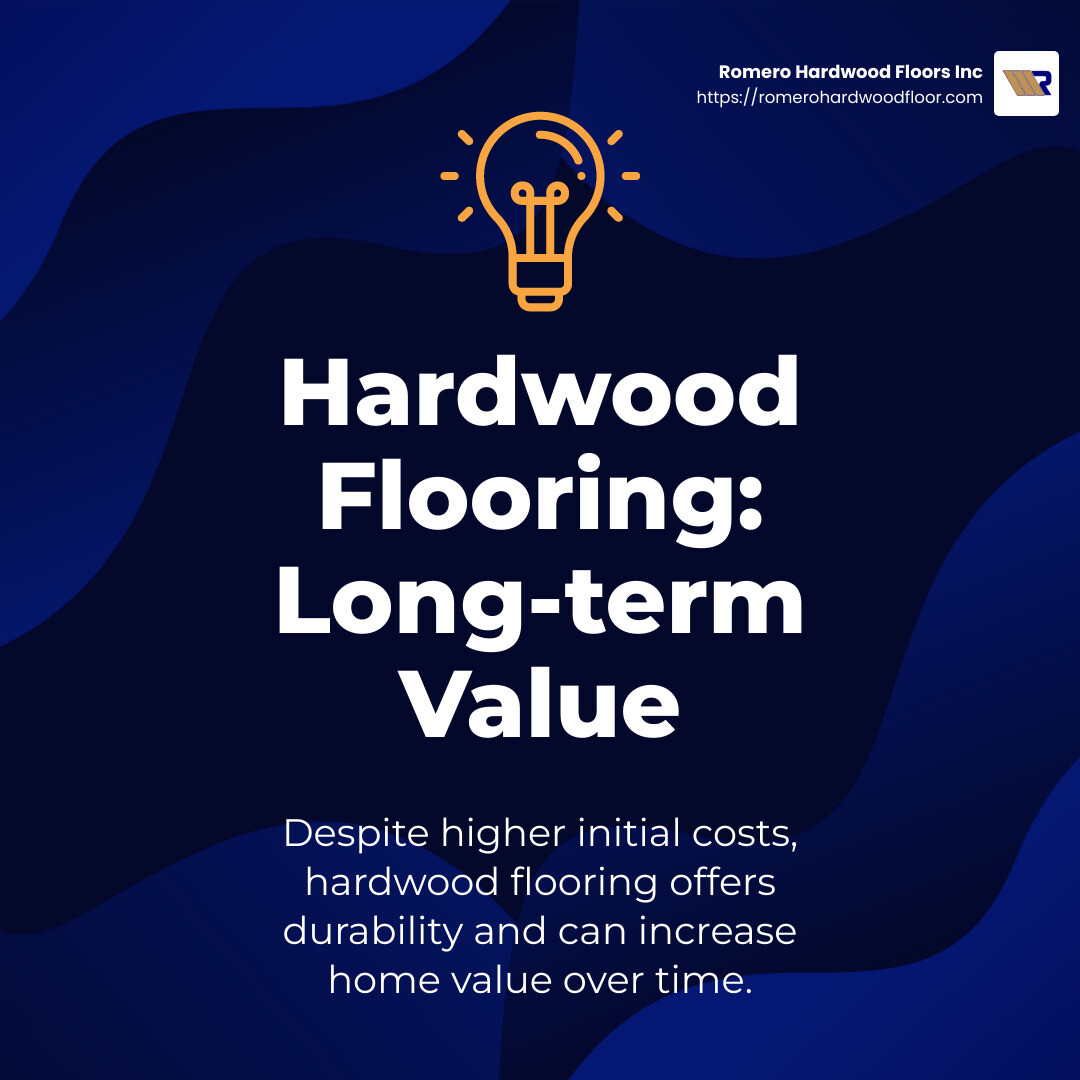
Vinyl, laminate, and carpet are cheaper upfront, but hardwood flooring is a long-term investment that can add value to your home. Consider your budget, lifestyle, and the specific needs of each room when making your choice.
Frequently Asked Questions about Hardwood Flooring Installation
How much is 1,000 square feet of hardwood flooring?
Installing 1,000 square feet of hardwood flooring generally costs between $6,000 and $12,000. The price varies based on the type of wood, quality of materials, and installation complexity. For example, engineered hardwood can cost less than solid hardwood, while prefinished options may save on labor costs. For a more precise quote, consider getting estimates from multiple installers to compare options and find the best fit for your budget.
How much does it cost to put hardwood floors in 1,500 square feet?
For a 1,500-square-foot area, expect to pay between $9,000 and $18,000 for hardwood flooring installation. This range includes both materials and labor. Factors like wood type, plank width, and room layout can impact the total cost. Wider planks might reduce labor time but increase material costs. It’s wise to consider these factors when planning your budget.
Is it cheaper to install hardwood floors yourself?
Taking on a DIY hardwood flooring installation can save you on labor costs, which typically range from $3 to $10 per square foot. For a 1,500-square-foot area, this could mean savings of $4,500 to $15,000. However, DIY projects require specialized tools and skills. Equipment rentals and supplies like safety gear can add up, and mistakes can be costly. If you’re not experienced, hiring a professional might be more cost-effective in the long run, ensuring a quality finish and avoiding potential pitfalls.
Conclusion
At Romero Hardwood Floors Inc, we believe that investing in professional hardwood flooring installation is a wise choice for anyone looking to improve their home’s beauty and value. Our team, based in Revere, MA, has been changing homes with expert craftsmanship since 2006. We pride ourselves on our competitive pricing, punctuality, and guaranteed workmanship.
Choosing to install hardwood floors is not just about improving aesthetics. It’s about making a long-term investment in your property. Hardwood floors can last for decades when properly maintained, and they can significantly increase your home’s resale value. Unlike other flooring options, hardwood can be refinished multiple times, allowing it to continue looking fresh and new over the years.
Maintenance tips are crucial to extend the life of your hardwood floors. Regular sweeping or vacuuming, along with occasional mopping using a damp mop, can keep your floors looking their best. Avoid excess moisture and use furniture pads to protect against scratches. With proper care, your hardwood floors can remain a stunning feature in your home for generations.
For a flooring solution that combines beauty, durability, and expert installation, look no further than Romero Hardwood Floors Inc. Contact us today for your FREE estimate and start the journey to transform your home with floors that offer both style and substance.
