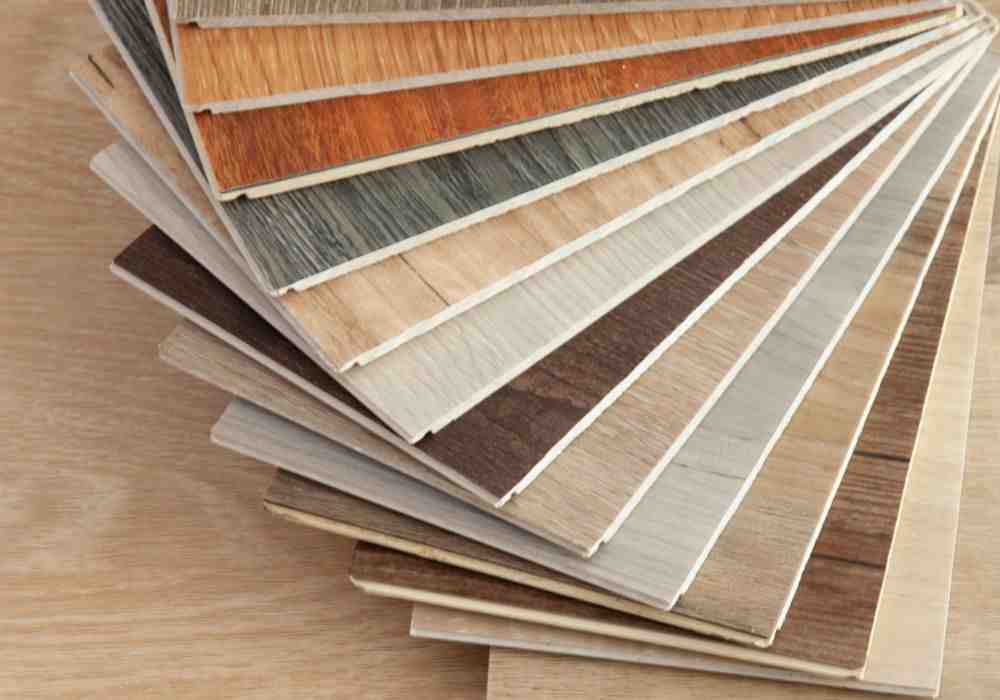
Residential Vinyl Flooring Installer: Top 7 Tips for Success
Why Choosing the Right Residential Vinyl Flooring Installer Matters
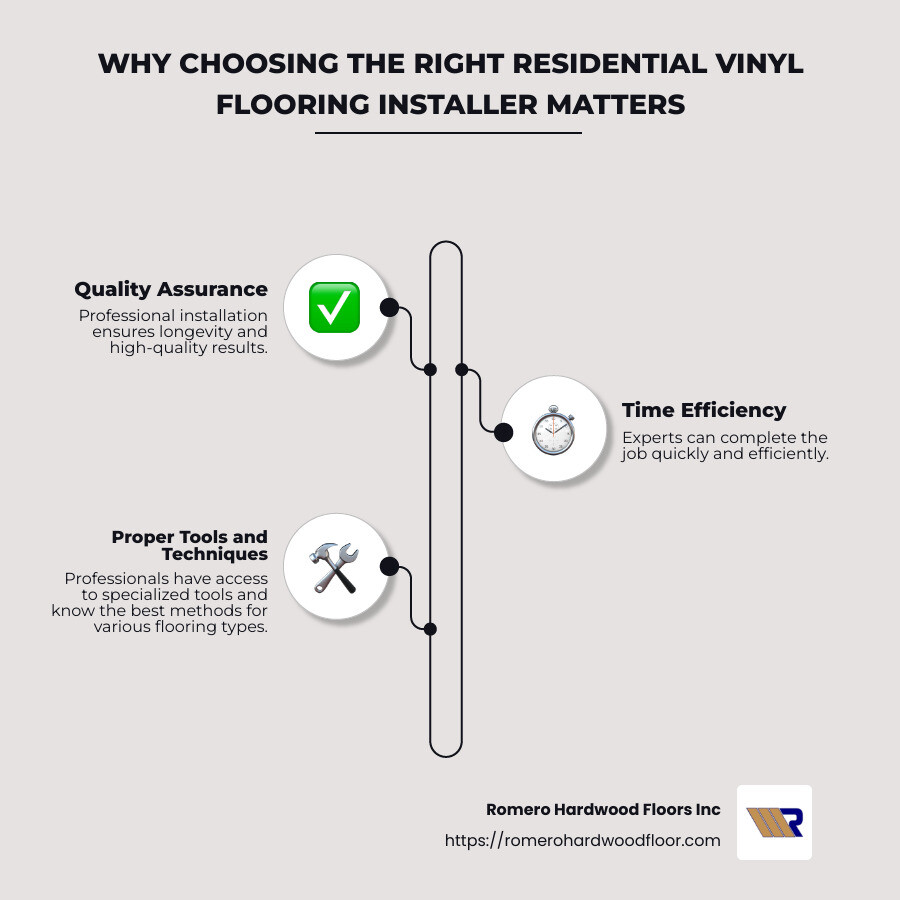
When it comes to installing vinyl flooring in your home, selecting the right residential vinyl flooring installer is pivotal. A professional installer can make a substantial difference in the aesthetics, durability, and overall satisfaction with your new floors. Here’s why finding the right expert is vital:
- Quality Assurance: Professional installation ensures longevity and high-quality results.
- Time Efficiency: Experts can complete the job quickly and efficiently.
- Proper Tools and Techniques: Professionals have access to specialized tools and know the best methods for various flooring types.
- Warranty Coverage: Many professional installers offer warranties, providing peace of mind.
I’m Francisco Romero, the owner of Romero Hardwood Floors Inc. With over 15 years of experience, I specialize in residential vinyl flooring installation. Our team is committed to delivering flawless results that improve your home’s beauty and value.
Key terms for residential vinyl flooring installer:
– Residential Flooring Installation
– laminate flooring installation
– residential floor installers
Understanding Vinyl Flooring Options
Choosing the right type of vinyl flooring for your home is crucial. There are several options to consider, each with its own set of benefits and drawbacks. Let’s break down the main types of vinyl flooring: luxury vinyl planks (LVP), vinyl tiles, and vinyl sheets.
Luxury Vinyl Planks (LVP)
Luxury Vinyl Planks are a popular choice due to their realistic appearance and durability. They mimic the look of real hardwood but come at a fraction of the cost.
Pros:
– Durable and Water-Resistant: Ideal for high-traffic areas and rooms prone to moisture like kitchens and bathrooms.
– Realistic Look: Available in a variety of patterns and textures that closely resemble natural wood.
– Easy Maintenance: Simple to clean and resistant to scratches and dents.
Cons:
– Cost: While cheaper than hardwood, LVP can be more expensive than other vinyl options.
– Installation: Requires a smooth subfloor for the best results.
Vinyl Tiles
Vinyl tiles offer versatility and are easier to replace if damaged. They are perfect for creating unique patterns and designs on your floors.
Pros:
– Customizable: Available in various shapes, sizes, and patterns, allowing for creative designs.
– Easy to Replace: Individual tiles can be replaced if damaged without redoing the entire floor.
– Water-Resistant: Suitable for areas with high moisture levels.
Cons:
– Seams: More seams compared to sheets, which can be a drawback in very wet areas.
– Installation: Requires careful alignment to achieve a seamless look.
Vinyl Sheets
Vinyl sheets come in large, continuous rolls, making them an excellent choice for rooms where water resistance is crucial.
Pros:
– Seamless Appearance: Fewer seams mean better water resistance, making it ideal for bathrooms and kitchens.
– Cost-Effective: Generally cheaper than LVP and vinyl tiles.
– Quick Installation: Can be installed quickly due to the large sheet size.
Cons:
– Difficult to Repair: If damaged, the entire sheet may need to be replaced.
– Less Realistic: May not mimic natural materials as closely as LVP or tiles.
Pros and Cons of Vinyl Flooring
Vinyl flooring, in general, offers several advantages:
– Cost-Effective: More affordable than natural materials like hardwood or stone.
– Durable: Resistant to scratches, dents, and stains.
– Water-Resistant: Excellent for areas prone to moisture.
However, there are some drawbacks:
– Environmental Impact: Made from synthetic materials, which may not be as eco-friendly as natural options.
– Repair Issues: While durable, repairing vinyl can sometimes be challenging, especially with sheets.
By understanding these options and their pros and cons, you can choose the best vinyl flooring for your home. Whether you opt for the realistic look of LVP, the versatility of vinyl tiles, or the seamless water resistance of vinyl sheets, selecting the right type will ensure your floors are both beautiful and practical.

Next, we’ll dig into the Factors to Consider When Choosing a Residential Vinyl Flooring Installer to ensure you make the best choice for your flooring needs.
Factors to Consider When Choosing a Residential Vinyl Flooring Installer
When it comes to installing vinyl flooring, picking the right professional is just as important as choosing the right type of vinyl. Here’s what you need to look for:
Experience
Experience matters. A seasoned installer will know how to handle various challenges that may arise during installation. Look for companies with a proven track record in installing vinyl and luxury vinyl plank (LVP) flooring.
Tip: Ask how many years they’ve been in business and how many similar projects they’ve completed.
Certifications
Certifications are a good indicator of an installer’s expertise and commitment to quality. Look for certifications from recognized industry organizations. These can include certifications from flooring manufacturers or independent bodies that certify skills in flooring installation techniques.
Example: A certified installer will have up-to-date knowledge on the latest installation methods and materials, ensuring a high-quality finish.
Customer Reviews
Customer reviews offer valuable insights into the installer’s reliability and quality of work.
Tip: Check online reviews on platforms like Google Reviews and the Better Business Bureau. Look for comments about professionalism, punctuality, and the quality of the installation.
Quote:
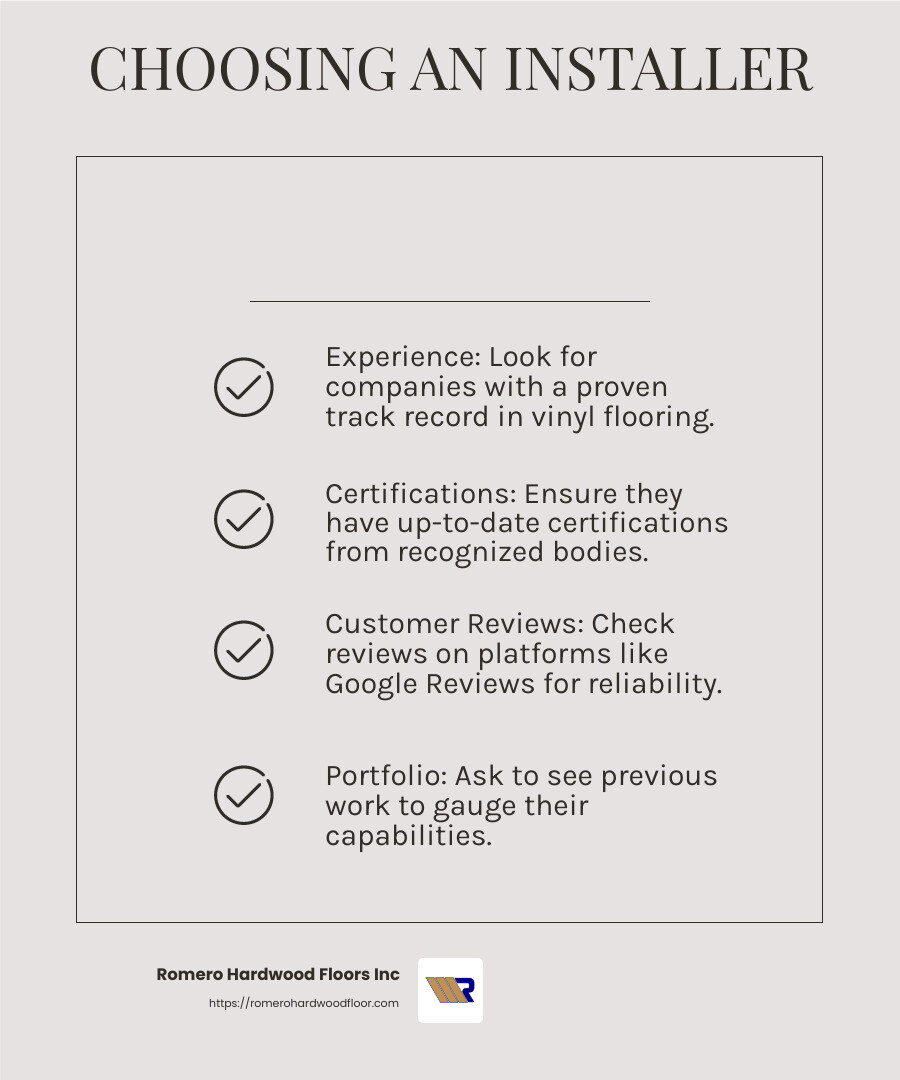
Portfolio
A portfolio of previous work can give you a clear idea of the installer’s capabilities. Quality installers will be proud to show off their past projects.
Tip: Ask to see photos of completed installations, especially those similar to your project. This will help you gauge their expertise and attention to detail.
Warranties
Warranties are a sign of confidence in the installer’s work. A good warranty will cover both the materials and the installation process.
Tip: Always ask about the warranty terms before hiring. Ensure it covers a reasonable period and includes both labor and materials.
Insurance
Insurance is crucial for protecting you from potential liabilities. The installer should have both liability insurance and workers’ compensation insurance.
Tip: Verify the insurance details before the project begins. This protects you in case of accidental damage or injuries during the installation process.
By focusing on these factors—experience, certifications, customer reviews, portfolio, warranties, and insurance—you can ensure you choose a residential vinyl flooring installer who will deliver high-quality results.
Next, we’ll discuss the Cost of Vinyl Flooring Installation to help you budget your project effectively.
Cost of Vinyl Flooring Installation
Understanding the costs involved in vinyl flooring installation can help you budget effectively for your home renovation. Here’s a breakdown of what you can expect:
Average Labor Costs
Labor costs for installing vinyl flooring vary based on location and the complexity of the job. On average, you can expect to pay between $1.50 to $6 per square foot for professional installation. Factors such as the size of the room, the type of vinyl, and the condition of the subfloor can influence these rates.
Material Costs
The cost of vinyl flooring materials also varies widely. Here are some average prices:
- Vinyl Plank Flooring: Typically costs between $2 to $7 per square foot.
- Vinyl Tile Flooring: Prices range from $2 to $5 per square foot.
- Vinyl Sheet Flooring: Generally costs between $1 to $3 per square foot.
These costs can fluctuate based on the quality and brand of the vinyl.
Cost Variations by Type
Different types of vinyl flooring have different price points:
- Luxury Vinyl Planks (LVP): These offer a high-end look and can cost between $3 to $7 per square foot.
- Standard Vinyl Planks: More budget-friendly options range from $2 to $5 per square foot.
- Peel-and-Stick Vinyl Tiles: These are usually less expensive, costing between $1 and $2 per square foot.
Additional Costs
There are additional costs to consider beyond just the materials and labor:
- Subfloor Preparation: If your subfloor needs leveling or repairs, this can add to the cost. Expect to pay an additional $1 to $3 per square foot for subfloor preparation.
- Underlayment: Some vinyl flooring types require an underlayment, which can cost between $0.50 to $1 per square foot.
- Removal of Existing Flooring: If you need to remove old flooring, this can add to the overall cost. Removal fees can range from $1 to $2 per square foot.
Example Cost Breakdown
For a typical 1,000 sq ft area, here’s an example of what you might expect to pay:
- Vinyl Material: $2,000 to $7,000
- Labor Costs: $1,500 to $6,000
- Subfloor Preparation: $1,000 to $3,000
- Total Estimated Cost: $4,500 to $16,000
By understanding these costs, you can plan your budget more effectively and avoid unexpected expenses.
Next, we’ll look into the Installation Process to give you a clearer idea of what to expect when you hire a professional installer.
Installation Process
Understanding the installation process for vinyl flooring helps you know what to expect and how to prepare. Here’s a breakdown of each step:
Preparation
Before installation begins, proper preparation is crucial:
- Furniture Removal: Clear the room of all furniture and decorations. This ensures that the installers have a clear workspace and reduces the risk of damage to your belongings.
- Subfloor Cleaning: Sweep and vacuum the subfloor to remove dust and debris. A clean base is essential for a successful installation.
Subfloor Assessment
A professional residential vinyl flooring installer will assess your subfloor to determine its condition:
- Check for Damages: Look for cracks, uneven surfaces, or moisture issues. These must be addressed before installation.
- Leveling and Repairs: If needed, the subfloor will be leveled and repaired. Expect to pay an additional $1 to $3 per square foot for this service.
Installation Methods
The method used for installing vinyl flooring varies based on the type:
- Vinyl Plank Flooring: Often installed using a click-lock system, which is more labor-intensive but provides a seamless look.
- Vinyl Tile Flooring: Can be installed using peel-and-stick or glue-down methods. Peel-and-stick is simpler and quicker, while glue-down offers more durability.
- Vinyl Sheet Flooring: Typically glued down, providing a seamless and waterproof surface ideal for areas like bathrooms and kitchens.
Cleanup
After the flooring is installed, the professional installer will handle the cleanup:
- Debris Removal: All debris and leftover materials will be removed from the site.
- Final Walkthrough: The installer will conduct a final walkthrough to ensure everything is in place and to address any immediate concerns you might have.
Post-Installation Care
Proper care after installation ensures the longevity of your new floor:
- Maintenance Instructions: The installer will provide you with specific care instructions. This might include cleaning techniques and products to avoid.
- One Year of Protection: At Lowe’s, for example, one year of protection comes standard with installation, offering peace of mind.
By understanding the installation process, you can better prepare your home and ensure a smooth experience. Next, we’ll dive into the Benefits of Hiring a Professional Installer and why it’s worth the investment.
Benefits of Hiring a Professional Installer
When it comes to installing vinyl flooring, hiring a professional installer offers several key benefits. Let’s explore the main reasons why a residential vinyl flooring installer is worth the investment.
Quality Assurance
Professionals ensure the job is done right the first time. With years of experience, they know how to handle various types of vinyl flooring, whether it’s luxury vinyl planks, tiles, or sheets. They follow best practices and industry standards, guaranteeing a flawless finish. You won’t have to worry about uneven surfaces, gaps, or misaligned planks.
Time Efficiency
Installing vinyl flooring can be time-consuming, especially if you’re not experienced. Professionals can complete the job much quicker. They have the skills and tools to install your flooring efficiently, minimizing disruption to your daily life. For instance, while a DIY installation might take you several days, a professional can often complete the same job in just one day.
Proper Tools and Techniques
Professional installers come equipped with specialized tools that ensure precise cuts and seamless installation. From floor rollers to moisture meters, they have everything needed to handle any challenges that arise. They also know the right techniques to use for different types of vinyl flooring. For example, they understand when to use a click-lock system versus a glue-down method, ensuring durability and longevity.
Warranty Coverage
Hiring a professional often comes with the added benefit of warranty coverage. Many installers offer warranties on their work, giving you peace of mind. If any issues arise post-installation, they will handle repairs at no extra cost. This is particularly valuable given that improper installation can void the manufacturer’s warranty on the flooring material itself. For example, Romero Hardwood Floors Inc provides warranties that cover both labor and materials, ensuring comprehensive protection.
In summary, hiring a professional installer for your vinyl flooring offers quality assurance, time efficiency, proper tools and techniques, and warranty coverage. These benefits make the investment worthwhile, ensuring a beautiful and durable floor that improves your home.
Frequently Asked Questions about Residential Vinyl Flooring Installers
What is the average labor cost to install vinyl flooring?
The cost of labor for installing vinyl flooring can vary widely based on several factors. On average, you can expect to pay between $3 to $7 per square foot for labor. This range can fluctuate depending on the complexity of the installation and the type of vinyl flooring you choose.
Hourly Rates: Some installers charge by the hour, with rates ranging from $30 to $50 per hour. However, most professionals prefer to provide a flat rate based on the square footage.
Cost per Square Foot: For a 1,000 sq ft area, labor costs can range from $3,000 to $7,000. This often includes preparation, installation, and cleanup.
How long does it take to install vinyl flooring?
The time required for vinyl flooring installation depends on several factors:
Project Scope: The size of the area plays a significant role. A single room might take a day, while a whole house could take several days.
Team Size: More installers can speed up the process. A larger team can finish a big project faster, but it also depends on the complexity of the job.
Type of Vinyl Flooring: Some types of vinyl, like peel-and-stick tiles, are quicker to install compared to vinyl planks that might require more precise alignment.
Professional vs DIY: Professionals can complete the job much faster than a DIY approach. While a DIY installation might take several days, professionals can often finish in just one day for smaller projects.
What should I look for in a vinyl flooring installer?
Choosing the right residential vinyl flooring installer is crucial for a successful project. Here are some key factors to consider:
Experience: Look for installers with several years of experience. They will be more adept at handling different types of vinyl flooring and any issues that may arise during installation.
Certifications: Check if the installer has relevant certifications. These credentials can provide assurance of their expertise and adherence to industry standards.
Customer Reviews: Read reviews from previous clients. Positive feedback can give you confidence in their quality of work. For example, Romero Hardwood Floors Inc has numerous satisfied customers who praise their professionalism and craftsmanship.
Portfolio: Ask to see a portfolio of past projects. This can give you a sense of their style and the quality of their installations.
Warranties: Ensure the installer offers warranties on their work. This can provide peace of mind knowing that any post-installation issues will be addressed without additional costs.
By considering these factors, you can choose a vinyl flooring installer who will provide quality service and a beautiful, durable floor.
Conclusion
Choosing the right residential vinyl flooring installer is essential for ensuring a successful and stress-free flooring project. Professional installation guarantees that your vinyl flooring will be durable, aesthetically pleasing, and long-lasting.
At Romero Hardwood Floors Inc, we understand the importance of quality workmanship and customer satisfaction. Since 2006, we’ve been providing expert hardwood flooring solutions to homes and businesses in Revere, MA, and beyond. Our team is known for competitive pricing, punctuality, and guaranteed workmanship, ensuring that every project improves the value and beauty of your property.
Why Choose Professional Installation?
- Quality Assurance: Professional installers have the expertise and tools to ensure that your vinyl flooring is installed correctly, minimizing the risk of future issues.
- Time Efficiency: Professionals can complete the job much faster than a DIY approach, saving you time and hassle.
- Proper Tools and Techniques: Professional installers use the right tools and techniques to achieve a flawless finish.
- Warranty Coverage: Many professional installers offer warranties on their work, giving you peace of mind.
For more information about our services and to schedule a consultation, visit our service page.
Contact Us
Ready to transform your home with beautiful vinyl flooring? Contact Romero Hardwood Floors Inc today!
- Email: info@romerohardwoodfloor.com
- Website: romerohardwoodfloor.com
We look forward to helping you create a beautiful and lasting foundation in your home.