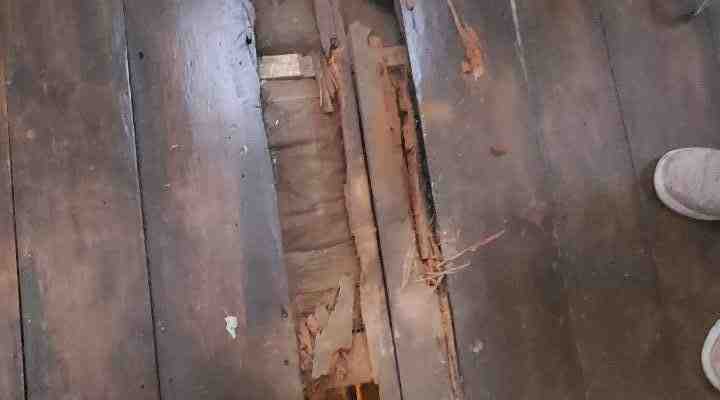
Why Damaged Hardwood Repair Matters for Your Home’s Value and Beauty
Damaged hardwood repair is essential for preserving your floors’ beauty and avoiding costly replacements. From pet scratches to water stains, most damage can be fixed without tearing out the entire floor. Hardwood floors add significant value to your home, but they are vulnerable to wear. The good news is that most damage is repairable, typically costing $478-$1,624 versus $2,480-$7,028+ for a full replacement. This makes repair the smart choice when less than 25% of your floor needs attention.
Quick Answer: How to Repair Damaged Hardwood Floors
- Minor scratches and scuffs – Use wood repair markers, walnut oil, or #0000 steel wool
- Deep gouges and dents – Fill with wood putty, sand smooth, and match the stain
- Water damage – Remove water immediately, dry thoroughly, then sand and refinish
- Warped or buckled boards – Control humidity and monitor, or replace if severe
- Individual damaged boards – Cut out the damaged section and install a matching plank
- When to call a pro – Damage over 25% of the floor, structural issues, or extensive mold
Cost Range (Average Internet Data): Minor repairs can run $50-$600, while major restoration can cost $100-$6,000+ depending on severity.
Water damage is the most common issue, accounting for over 32% of residential flooring repairs. Acting fast is key to preventing minor spills from becoming serious problems.
I’m Francisco Romero, owner of Romero Hardwood Floors Inc. With over 15 years of experience in Revere, MA, my team and I specialize in expert damaged hardwood repair. We’ve helped countless clients save thousands by choosing repair over replacement, restoring floors to their original beauty.
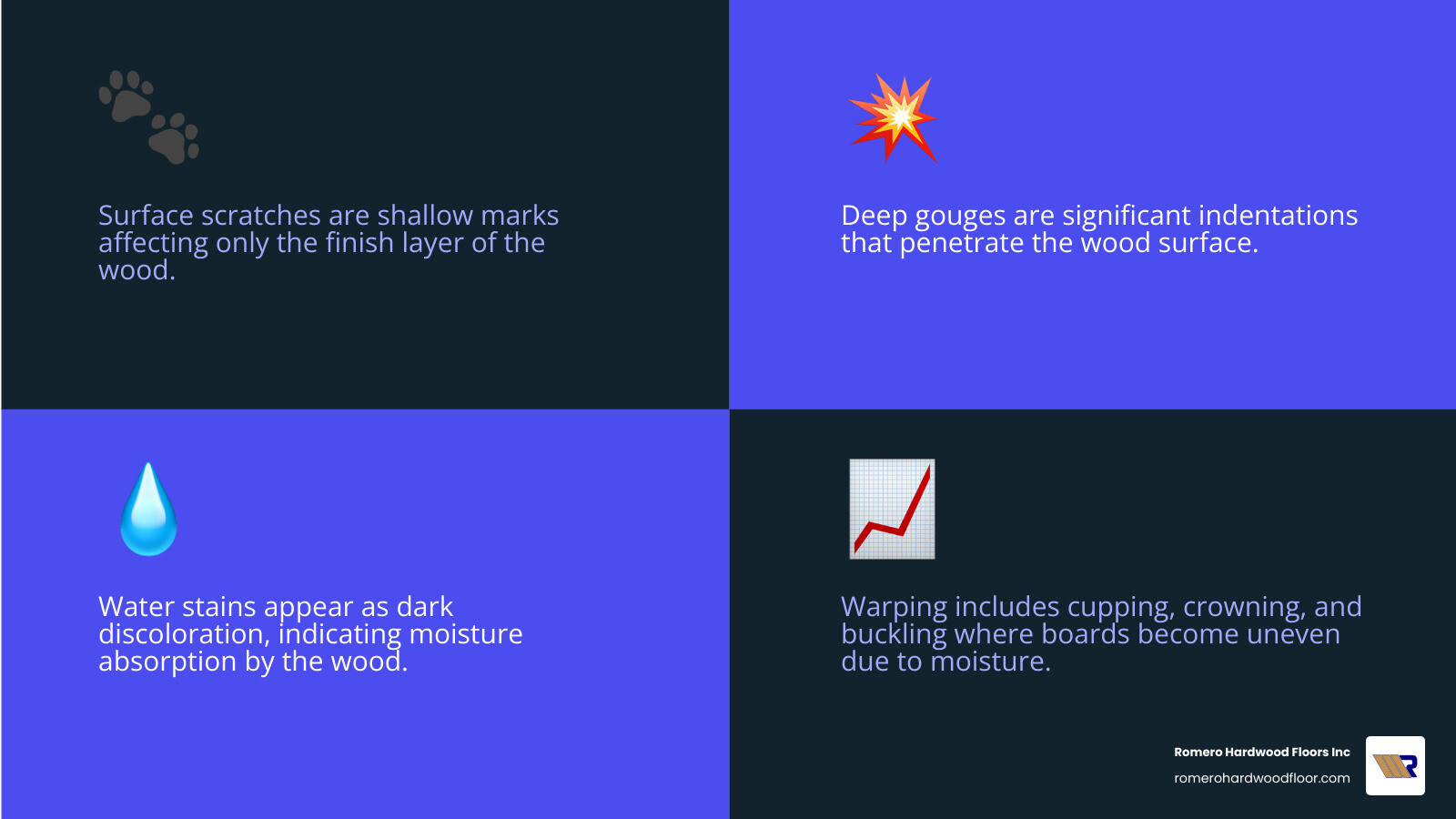
Damaged hardwood repair definitions:
Assessing the Damage: Your First Step to a Flawless Floor
Before starting any damaged hardwood repair, a thorough assessment is needed to identify the type, cause, and extent of the damage. This crucial first step determines whether a DIY fix is feasible or if it’s time to call professionals.
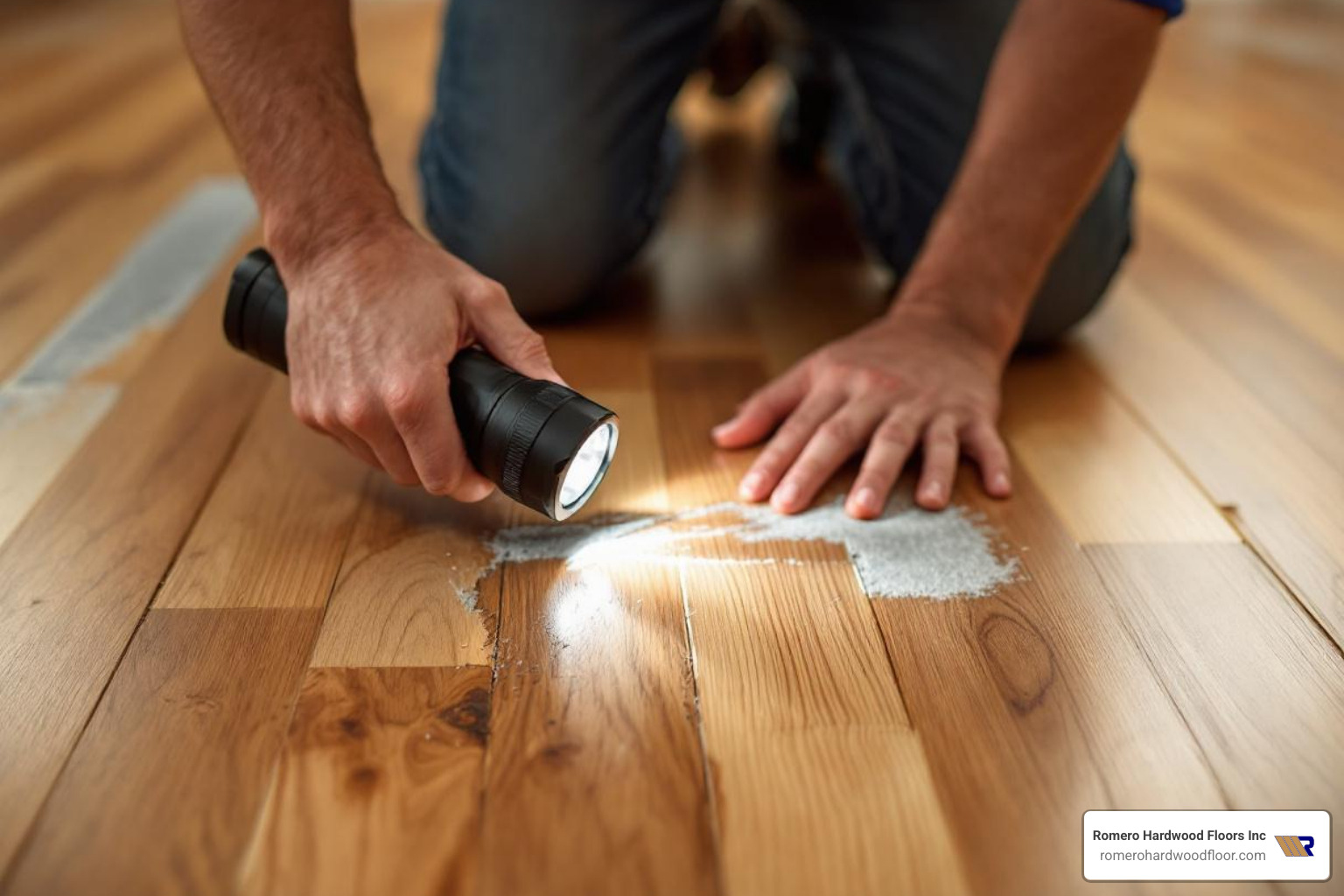
Examine your floors in good light, using a flashlight at a low angle to spot imperfections. Look for scratches, gouges, stains, and warping like cupping (edges higher than the center), crowning (center higher than edges), or buckling (boards lifting from the subfloor). For moisture issues, a moisture meter is invaluable; in Massachusetts, hardwood should have a 6-9% moisture content. Understanding these distinctions helps create the right repair strategy. For more details, visit our Hardwood Floor Damage Repair page.
Common Causes of Hardwood Floor Damage
- Moisture: The leading cause, from leaks, spills, or high humidity, leading to swelling, warping, and stains.
- Humidity Swings: Drastic humidity changes cause wood to expand and contract, creating gaps, cupping, or crowning. Aim for 30-50% indoor humidity year-round.
- Pet Nails: Untrimmed nails cause numerous surface scratches.
- Dragging Furniture: Moving heavy items without protection can leave deep scratches or gouges.
- Dropped Objects: Heavy impacts can create dents or gouges.
- Improper Cleaning: Using too much water or harsh chemicals can strip the protective finish.
- Sun Exposure: Direct sunlight can cause fading and discoloration over time.
How to Assess the Extent of the Damage
- Visual Inspection: Use a flashlight at a low angle to highlight scratches, dents, and other inconsistencies in the floor’s surface.
- Feel for Texture Changes: Run your hand over damaged areas to feel for rough spots, raised grain, or indentations that confirm scratches or gouges.
- Check for Squeaks: Walk across the floor to listen for squeaks, which can indicate loose boards or subfloor issues, often related to moisture.
- Use a Straightedge for Warping: Place a straightedge across boards to check for gaps underneath, which reveal cupping or crowning.
- Moisture Meter Readings: Use a moisture meter on damaged and undamaged areas to determine if the wood is still wet. Compare readings to the ideal 6-9% range for our climate.
- Subfloor Inspection: If severe water damage is suspected, inspect the subfloor from below (if accessible) for hidden mold, rot, or structural problems that must be addressed first.
DIY Fixes for Minor Hardwood Floor Damage
Many common hardwood floor issues don’t require professional intervention. With the right tools and guidance, you can tackle minor damaged hardwood repair yourself, saving money and gaining a sense of accomplishment.

These minor repairs are cost-effective solutions for surface-level problems.
Repairing Scratches, Scuffs, and Dents
- Surface Scratches: For light scratches, try rubbing a walnut over the mark; its natural oils help hide it. Wood repair markers or a gentle buff with #0000 steel wool can also work. Find more tips on our Hardwood Floor Scratch Repair page.
- Dents: Small, compressed dents can often be steamed out. Place a damp cloth over the dent and press a hot iron on it for about 30 seconds. The steam swells the wood fibers, raising the dent. Be careful not to scorch the wood. For detailed steps, see our guide on Fixing Dents in Wood.
- Scuffs: Remove scuff marks by rubbing them with a clean tennis ball. For stubborn marks, use a small amount of mineral spirits on a cloth, testing in a hidden area first. Learn more with our Hardwood Floor Scuff Remover Tips.
Filling Deep Gouges, Cracks, and Holes
For deeper damage, filling is the answer. Our Hardwood Floor Gouge Repair guide offers more advice.
- Wood Filler vs. Wood Putty: Use a wood-specific filler or two-part epoxy for deep gouges. Wood filler is applied before finishing and can be sanded and stained, while wood putty is typically used after finishing for smaller blemishes.
- Color-Matching and Application: To get a seamless repair, match the filler to your floor. Use a stainable wood filler and test your color on scrap wood first. Apply the filler with a putty knife, slightly overfilling the gouge to account for shrinkage. Let it dry completely.
- Sanding Smooth: Once dry, sand the filler smooth with the wood grain, starting with medium-grit (100-grit) and moving to fine-grit (150-220 grit) sandpaper to blend the repair. Clean the dust before applying stain and finish. For a full overview, see our Hardwood Floor Filler Complete Guide.
Advanced Damaged Hardwood Repair: Water, Warping, and Board Replacement
Some damage requires more significant intervention. These advanced damaged hardwood repair techniques address major issues like water damage, warping, or board replacement. While complex, these repairs can save your floors. For more details, see our Hardwood Floor Repair Techniques guide.
Tackling Water-Damaged Hardwood Floors
Immediate action is key to mitigating water damage.
- Immediate Steps: Stop the water source, remove all standing water with a wet vacuum or towels, and ventilate the area with fans and open windows.
- Drying Process: Use dehumidifiers to absorb moisture. Drying can take a day for minor spills or a week for larger leaks. Ensure the subfloor is completely dry before attempting repairs.
- Assessment and Repair: Once dry, assess the damage. Light stains can often be sanded and refinished. For dark stains, oxalic acid (wood bleach) may be needed to lighten the wood before refinishing. If you find widespread mold, contact a professional remediation service. Our Hardwood Floor Water Damage Repair, How to Repair a Water Damaged Hardwood Floor, and Fix Wood Floor Water Damage guides offer comprehensive steps.
How to Fix Warped, Buckled, or Gapped Boards
Warping and gapping are often symptoms of moisture issues.
- Warping and Buckling: Cupping and crowning are caused by moisture imbalances. Boards may self-correct as humidity stabilizes (aim for 30-50% year-round). Severely buckled boards usually require replacement. Less severe warping can sometimes be fixed by sanding the floor level after it has completely dried. See our guides on How to Repair Warped Hardwood Floors and How to Repair Buckled Hardwood Floor.
- Gaps and Squeaks: Seasonal gaps can be filled with wood filler or a mix of sawdust and wood glue. For squeaks, insert shims from below if you have access to the subfloor, or drive screws from above into the joists. Our Hardwood Floor Shrinkage Repair page covers gap repairs.
Replacing Individual Damaged Hardwood Floorboards
When a board is beyond repair, replacement is the best option.
- Tools: You’ll need a circular saw, chisel, pry bar, drill, wood glue, and finishing nails.
- Removal: Set your circular saw blade to the floor’s thickness. Make two parallel cuts down the length of the damaged board, then use a chisel to carefully remove the pieces without damaging adjacent boards.
- Installation: Acclimate the new board for at least 48 hours. Cut off the bottom of the groove on the replacement board so it can drop into place. Apply wood glue to the subfloor and the adjacent board’s groove, then tap the new board in. Face-nail it if needed, using pilot holes to prevent splitting.
- Finishing: Fill nail holes with matching putty, sand the area smooth, and apply stain and finish to blend the repair. For more on this process, see our Wood Floor Repair guide.
Repair vs. Replace: Making the Right Call for Your Floors
Deciding whether to repair, refinish, or replace your hardwood floors involves weighing the damage, costs, and desired outcome. We want to help you make the best choice for your home and budget.
When to Repair, Refinish, or Replace
The “25% rule” is a good guideline: if less than 25% of your floor is damaged, repair is usually the most cost-effective option.
- Repair when issues are localized: minor scratches, a few deep gouges, small water stains, or individual damaged boards.
- Refinish when damage is widespread but surface-level: extensive scratches, a dull finish, or minor discoloration. Solid hardwood can typically be refinished 6-10 times, while engineered hardwood can handle 1-5 refinishes depending on the wear layer thickness. For more on this, check out our Floor Sanding and Repair services.
- Replace when damage is structural or extensive: widespread rot, severe water damage with buckling or mold, or if more than 25% of the floor is severely damaged. Replacement is also necessary for floors with a wear layer too thin to be refinished.
Cost Breakdown: The Economics of Damaged Hardwood Repair
Cost is a major factor in your decision. The following provides a general cost landscape for damaged hardwood repair versus replacement.
Important Disclaimer: These costs are average estimates based on internet data and not actual pricing for Romero Hardwood Floors Inc. Always get a direct, personalized estimate from a professional for accurate pricing in the Revere, MA area.
- Minor Scratch Repair: $50-$600 (Professional)
- Deep Gouge Filling: $100-$1,500 (Professional)
- Individual Board Replacement: $200-$2,400 (Professional)
- Water Damage Restoration: $500-$6,000+ (Varies by severity)
- Full Refinishing: $1,200-$21,000+
- Full Replacement: $2,480-$45,000+
Repairing typically costs $478-$1,624, while full replacement starts at $2,480. Early repairs are almost always more cost-effective. For a personalized quote, visit our Estimated Cost of Hardwood Floor Repair or Cost of Wood Floor Repair pages.
Prevention, Maintenance, and When to Call a Pro
While we are experts in damaged hardwood repair, the best repair is the one you never need. Proactive care and maintenance can significantly extend your floor’s life. However, some issues are best left to professionals.
Best Practices for Preventing Future Damage
Simple steps can save you thousands in potential repair costs:
- Furniture Pads: Apply felt pads to all furniture legs and replace them as they wear down.
- Area Rugs: Use rugs in high-traffic areas and waterproof mats near sinks to catch spills.
- Pet Nail Trimming: Keep pets’ nails trimmed to prevent surface scratches.
- Humidity Control: Maintain indoor humidity between 30-50% year-round to prevent gapping and warping.
- Immediate Spill Cleanup: Wipe up spills immediately to prevent staining and water damage.
- UV Protection: Use UV-blocking window treatments to prevent sun-fading.
Essential Hardwood Floor Maintenance Routine
A consistent cleaning routine protects your floors and helps you spot issues early.
- Daily: Sweep or vacuum with a soft brush attachment to remove abrasive grit.
- Weekly: Damp mop with a hardwood-specific cleaner, avoiding excessive water.
- Monthly: Check and replace worn furniture pads.
- Annually: Consider a professional inspection to catch issues early and a buff and recoat service to refresh the finish in high-traffic areas.
When to Call a Professional for Damaged Hardwood Repair
While many minor repairs are DIY-friendly, calling a professional is the smartest choice for:
- Widespread Damage: If more than 25% of your floor is significantly damaged.
- Structural Issues: Suspected subfloor damage, persistent squeaks, or extensive buckling.
- Extensive Mold: Any sign of widespread mold requires professional remediation for health and safety.
- Lack of Tools or Time: Advanced repairs require specialized tools and significant time.
- Guaranteeing a Perfect Match: Professionals have the expertise to blend repairs seamlessly with your existing floor.
For complex damaged hardwood repair jobs, our team at Romero Hardwood Floors Inc. is here to help. We serve homeowners and businesses throughout Revere, Beverly, Chelsea, Danvers, East Boston, Gloucester, Lynnfield, Malden, Manchester by the Sea, Marblehead, Medford, Melrose, Nahant, Peabody, Reading, Rockport, Salem, Saugus, Somerville, Stoneham, Swampscott, Wakefield, Winchester, Winthrop, and Woburn, MA. Visit our Hardwood Floor Repair Contractors page to learn more.
Frequently Asked Questions about Hardwood Floor Repair
How many times can I sand and refinish my hardwood floor?
The number of times depends on the floor’s thickness. Solid hardwood (3/4 inch thick) can typically be refinished 6-10 times. Engineered hardwood has a thinner wear layer and can usually be refinished 1-5 times, depending on its quality. A professional can measure the wear layer to give you a precise answer.
Can I repair just one section of my floor?
Yes, but achieving a seamless blend is challenging. It requires careful color and finish matching to feather the repair into the existing floor. While DIY is possible, a professional is often needed for an invisible repair.
Is it cheaper to repair or replace hardwood floors?
Repairing damaged hardwood floors is almost always cheaper. Targeted repairs might cost $478-$1,624, while a full replacement can be $2,480-$45,000+. If less than 25% of the floor is damaged, repair is the smart financial choice. Early repairs prevent minor issues from becoming costly replacements.
Conclusion
This guide has covered everything from assessing floor damage to DIY fixes and advanced repairs. A thorough assessment is crucial, many minor issues can be fixed yourself, and preventative maintenance is key. For damage that is too extensive, complex, or when you want the peace of mind of professional expertise, our team at Romero Hardwood Floors Inc. is ready to help.
We proudly serve homeowners and businesses throughout Revere, Beverly, Chelsea, Danvers, East Boston, Gloucester, Lynnfield, Malden, Manchester by the Sea, Marblehead, Medford, Melrose, Nahant, Peabody, Reading, Rockport, Salem, Saugus, Somerville, Stoneham, Swampscott, Wakefield, Winchester, Winthrop, and Woburn, MA. We provide guaranteed workmanship to improve your property’s value.
Request a free estimate today to discuss your damaged hardwood repair needs with our experienced team.