
Why Choosing the Right Protection for Your Hardwood Matters

The best varnish for wooden floors depends on your specific needs, but here are the top options:
| Varnish Type | Best For | Key Benefits |
|---|---|---|
| Water-Based Polyurethane | Most homeowners, low-VOC preference | Quick drying (2 hours), low odor, clear finish, easy cleanup |
| Oil-Based Polyurethane | High-traffic areas, maximum durability | Superior heat/moisture resistance, rich amber tone, 25+ year lifespan |
| Two-Part Lacquer | Commercial spaces, heavy traffic | Exceptional durability (up to 25 years), fast curing, professional-grade protection |
| Eco-Friendly Options | Health-conscious families, chemical sensitivities | Low VOCs (<5%), non-toxic, comparable durability to conventional finishes |
Your wooden floors are a significant investment. Without the right protective finish, they’re vulnerable to scratches, moisture, and daily wear that can quickly turn beautiful hardwood into an eyesore.
A quality varnish does more than make floors shine—it creates a barrier against spills, moisture, and foot traffic. The right coating is often the difference between a floor that looks worn in five years and one that stays beautiful for decades.
The terms “varnish,” “polyurethane,” and “lacquer” are often used interchangeably, but they have distinct characteristics. Water-based finishes dry fast with low odor, while oil-based options offer maximum durability. Two-part systems provide commercial-grade protection, and eco-friendly formulas now match traditional performance while keeping indoor air safe.
The stakes are high. Apply the wrong finish or use poor technique, and you might face bubbling, peeling, or a finish that wears through in high-traffic areas within months. Professional refinishing typically costs between $3 to $30 per square foot for labor alone (based on industry averages), so making an informed choice the first time saves both money and hassle.
I’m Francisco Romero, owner of Romero Hardwood Floors Inc. For over 15 years in Revere, MA, I’ve helped clients find the best varnish for wooden floors. Whether for a historic home in Winchester or a busy commercial space, the right finish makes all the difference.
Best varnish for wooden floors glossary:
Understanding the Main Types of Wood Floor Varnish
The term “varnish” is often a catch-all for several distinct floor finishes. Each has unique properties suitable for different situations. Let’s break down the main types and their key differences.
| Feature | Water-Based Varnish/Polyurethane | Oil-Based Varnish/Polyurethane |
|---|---|---|
| Durability | Good, but often less than oil-based | Excellent, very hard-wearing |
| Dry Time | Quick (2-4 hours between coats) | Slow (6-24 hours between coats, up to 7 days for full cure) |
| Odor/VOCs | Low odor, low VOCs | Strong odor, higher VOCs |
| Color Effect | Clear, retains natural wood color | Amber tone, deepens over time |
| Cost | Mid-range to high | Cheapest option |
Water-Based Varnishes: The Quick & Clear Choice
Water-based polyurethanes are popular in modern homes from Medford to Rockport for their low odor and quick drying times (under 2 hours between coats), minimizing disruption. They are ideal for families or businesses needing to use their floors quickly. A key quality is their ability to retain the wood’s natural color without the ambering effect of oil-based finishes, perfect for a contemporary look on lighter woods. With lower VOCs (Volatile Organic Compounds), they are a healthier, eco-friendly choice. Learn more about eco-friendly wood flooring.
Oil-Based Varnishes: The Traditional & Tough Option
For maximum durability and a classic, rich look, oil-based varnishes are the go-to. They offer robust protection against heat and moisture, creating a deep, warm finish. While often the cheapest option, oil-based polyurethane has a strong odor and a slow cure time (up to seven days). It creates a beautiful amber tone that deepens over time, a look cherished in historic homes in Salem or Marblehead.
Polyurethane vs. Traditional Varnish: What’s the Difference?
This is a common point of confusion! What is the difference between polyurethane and varnish, and when is each most appropriate? Historically, “varnish” referred to a blend of natural resins, oils, and solvents. Today, while polyurethane is technically a type of synthetic varnish, the term “varnish” often refers to those older, more traditional formulations, sometimes with higher solid content, making them less susceptible to UV damage. However, for interior hardwood floors, polyurethane is generally the preferred choice.
Polyurethane is a plastic resin available in both water-based and oil-based forms. It’s known for its superior durability and resistance to scratches, forming a tough, protective film on the surface of your hardwood. Our experience shows that for the demands of daily life in homes throughout Revere and beyond, polyurethane offers the most reliable, hard-wearing protection. When you need a truly resilient finish, look into options for a hard-wearing wood floor varnish. While traditional varnishes might be excellent for outdoor applications or specific furniture pieces, modern polyurethanes are engineered for the rigors of floor traffic.
Lacquer, Hard Wax, and Oils: How Do They Compare?
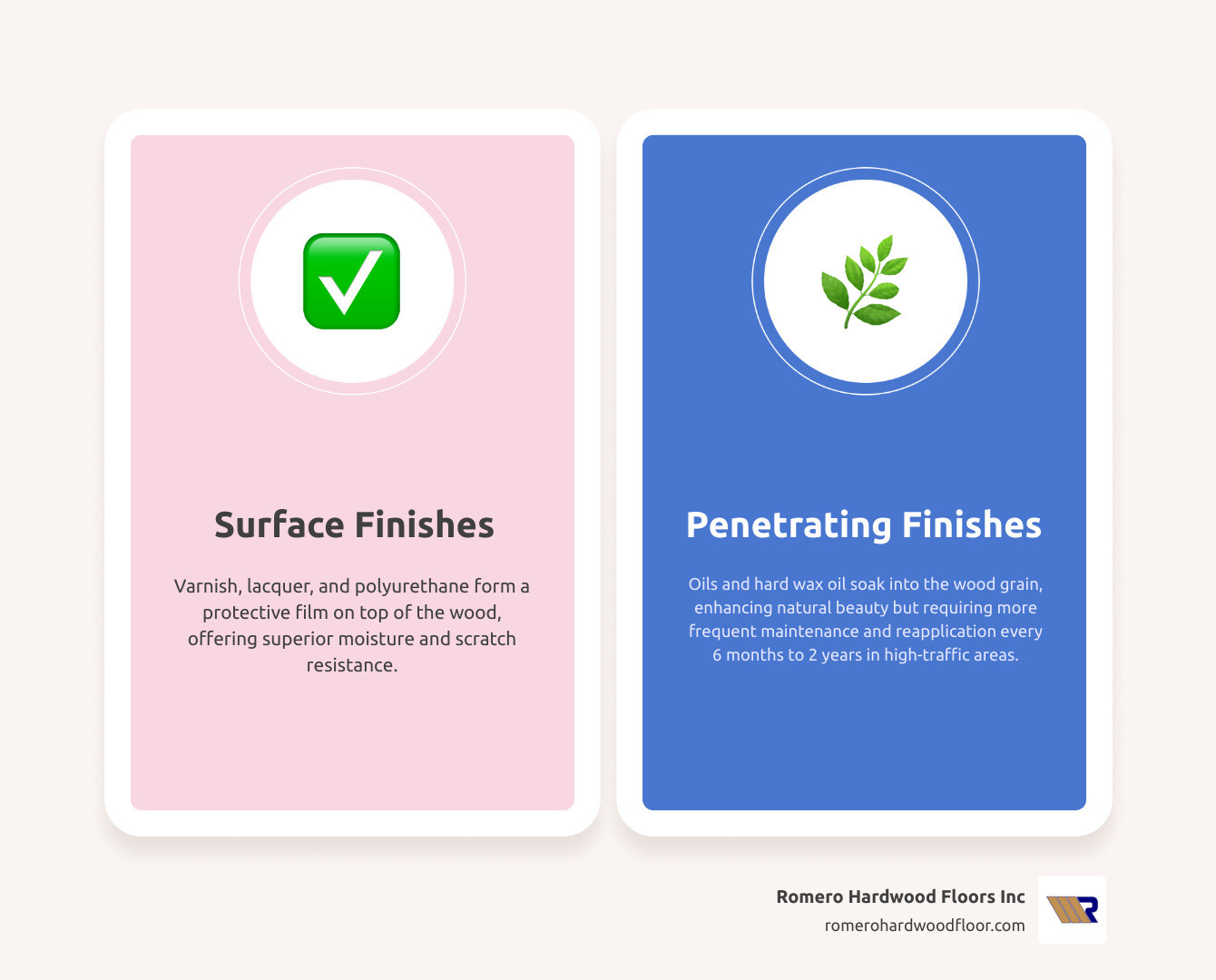
Beyond varnishes and polyurethanes, other finishes like lacquer, hard wax oil, and penetrating oils offer different aesthetics and levels of protection. How does lacquer compare to other wood floor finishes like oils, polyurethane, and hard wax oils in terms of durability, appearance, and maintenance?
- Lacquer: Lacquer is another film-forming finish, similar to polyurethane, that creates a hard, clear protective layer on the wood’s surface. Modern water-based lacquers dry very quickly (under 2 hours between coats) and are highly durable, with some two-part systems able to withstand heavy foot traffic for up to 25 years before needing a full resand. Lacquer provides excellent resistance to moisture and stains and can come in various sheens.
- Penetrating Oils: Unlike film-forming finishes, penetrating oils (like tung oil or linseed oil) soak into the wood fibers rather than sitting on top. This provides a very natural, “in the wood” look and feel, enhancing the grain without creating a plastic-like surface. They are easier to repair locally (spot treatments) if scratched, but require more frequent maintenance, often needing refreshing every 6 months to 2 years in high-traffic areas. They offer less surface protection against heavy abrasion and moisture compared to lacquers or polyurethanes.
- Hard Wax Oils: These are a hybrid, combining the penetrating qualities of oil with the surface protection of wax. They soak into the wood while also forming a thin, protective layer on top. Hard wax oils provide a natural, matte to satin finish, are breathable, and offer good resistance to water and dirt. They are more durable than pure penetrating oils but generally less so than high-performance polyurethanes or lacquers. Maintenance involves regular cleaning and occasional reapplication of a maintenance oil.
In terms of overall durability for wooden floors in busy households in Somerville or Lynnfield, two-part lacquers and polyurethanes generally lead the pack. Penetrating oils and hard wax oils offer a different aesthetic and maintenance profile, suitable for those who prioritize a very natural look and are prepared for more hands-on care.
Choosing the Best Varnish for Wooden Floors: Key Factors
Choosing the best varnish for wooden floors isn’t one-size-fits-all. Homeowners should consider several factors. We guide our clients in Chelsea and Peabody to select a finish that matches their lifestyle, aesthetics, and budget.
Durability and Household Traffic
First, consider foot traffic. A busy kitchen in Wakefield needs a more durable finish than a guest room in Manchester by the Sea. For high-traffic areas, we recommend finishes with superior scratch resistance. Oil-based polyurethanes offer excellent protection, while certain two-part systems can withstand the heaviest traffic for up to 25 years before a full resand is needed.
If you have pets, durability is even more critical. Their claws can put a finish to the ultimate test. Certain finishes hold up better to the playful antics of our furry friends. For more on this, check out our insights on the best hardwood for pets.
Aesthetics: Sheen and Color
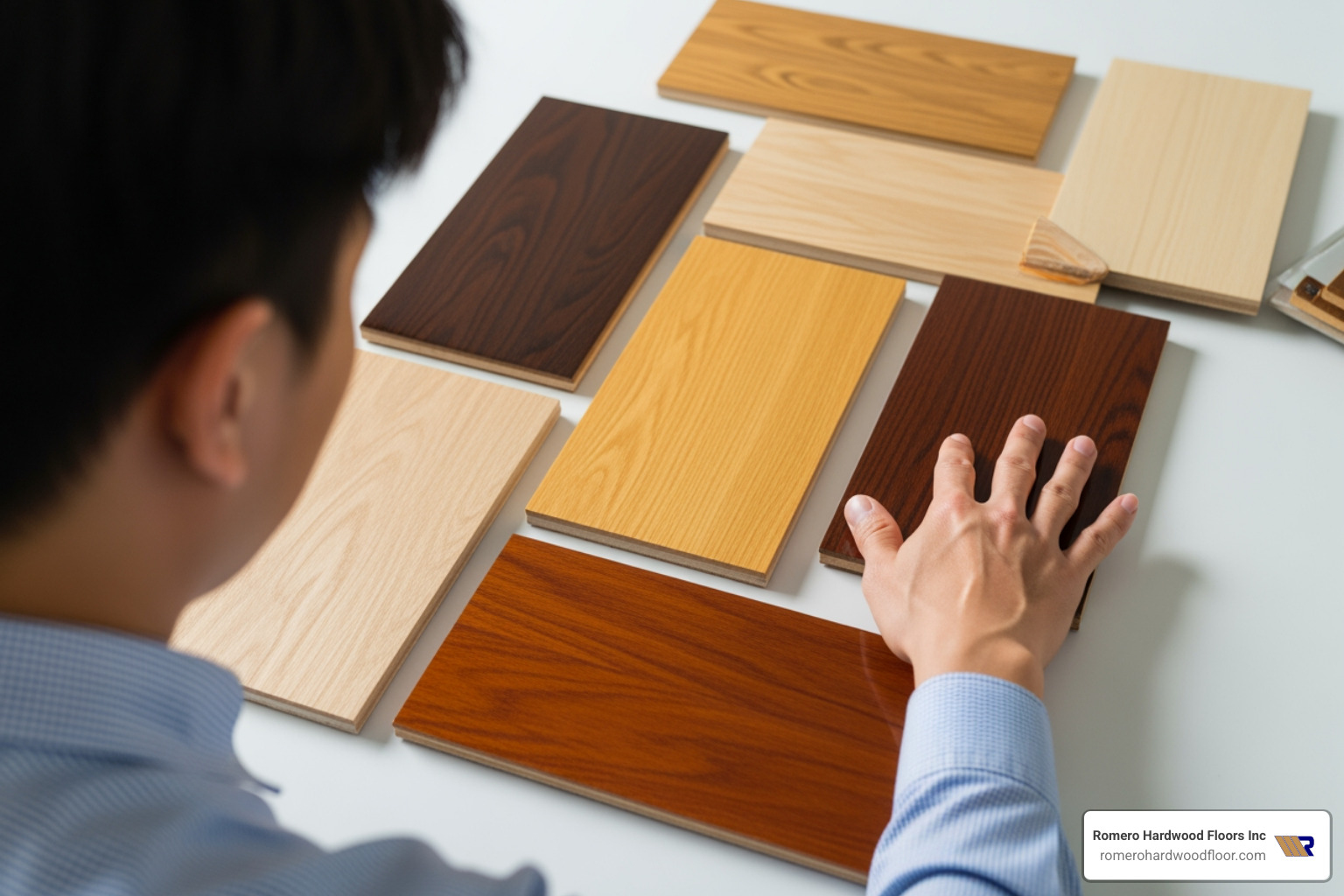
The appearance of your floor after varnishing is paramount. Do you want a subtle, natural look or a high-gloss shine?
- Gloss Finish: Reflects the most light, creating a highly polished, formal look. However, it also highlights every imperfection, scratch, and speck of dust.
- Satin Finish: Offers a moderate sheen, striking a balance between gloss and matte. It’s a very popular choice that provides a subtle luster without being overly reflective.
- Matte Finish: Provides a very low sheen, almost appearing unfinished. This is currently trending for its natural, understated elegance.
So, what sheen level best hides scratches on wood floors? Matte and satin finishes are best for hiding scratches because they reflect less light, making small imperfections and daily wear less noticeable. For those who enjoy a customized look, exploring floor staining before varnishing can dramatically alter the wood’s appearance.
Beyond sheen, consider how the varnish will affect the wood’s color. Water-based options tend to keep the wood’s natural tone, while oil-based finishes impart a warm, amber glow that deepens over time.
Health, Safety, and Eco-Friendliness
Health and environmental impacts are increasingly important. Low-VOC and non-toxic finishes are a viable and worthwhile option, as modern advancements mean you don’t have to sacrifice performance for safety.
Low-VOC (Volatile Organic Compound) and non-toxic finishes improve indoor air quality, ideal for families with children, pets, or chemical sensitivities. Many products offer a durable, low-odor mix, with some specifically formulated to have very low odor, catering to sensitive individuals.
These eco-friendly options are not just viable; they are worthwhile. Many modern formulations offer comparable durability to conventional products. We’ve seen how these products perform beautifully in homes across Woburn and Winthrop, providing peace of mind without compromising on a beautiful, long-lasting finish. We also advocate for sustainable wood flooring choices whenever possible.
Cost Considerations: DIY vs. Professional
Cost is always a factor. What are the considerations for DIY application versus hiring a professional for wood floor varnishing?
- Material Costs: Material costs for floor finishing typically range from $0.80 to $3.00 per square foot for basic products. However, premium, high-performance finishes can increase this to $9.00 per square foot or more.
- Labor Costs: Professional application generally adds another $3 to $10 per square foot for labor, but for complex projects or specialized finishes, this can go up to $30 per square foot. These are average costs based on internet data and not actual costs for Romero Hardwood Floors.
- DIY Expenses: If you go the DIY route, remember to factor in equipment rental. A weekend package for a drum sander, edger, and buffer can run $200-$400 for a standard 500 sq ft area.
While DIY can save on labor, it requires a significant time commitment, specialized tools, and a steep learning curve. A professional ensures a flawless finish, often comes with warranties, and has the experience to handle unexpected challenges. The long-term value of a professionally applied, durable finish often outweighs the initial savings of a DIY project, especially considering the potential for costly mistakes.
The Ultimate Varnish Application Guide
Achieving a stunning, durable finish with the best varnish for wooden floors isn’t just about picking the right product; it’s about meticulous preparation and expert application. Even the most expensive varnish won’t perform well if applied incorrectly.
Step 1: Proper Floor Preparation is Non-Negotiable
What is the proper preparation process for varnishing wood floors? This is arguably the most critical step, and one we never rush for our clients in Danvers or Gloucester.
- Clear the Room: Remove all furniture, rugs, and decorative items.
- Clean Thoroughly: Sweep and vacuum the floor carefully to remove all dust and debris. We then recommend a damp wipe with a cleaner approved for wood floors.
- Repair Imperfections: Address any loose boards, deep gouges, or cracks. For minor repairs, wood filler can be used. For more significant damage, consider professional wood floor repair.
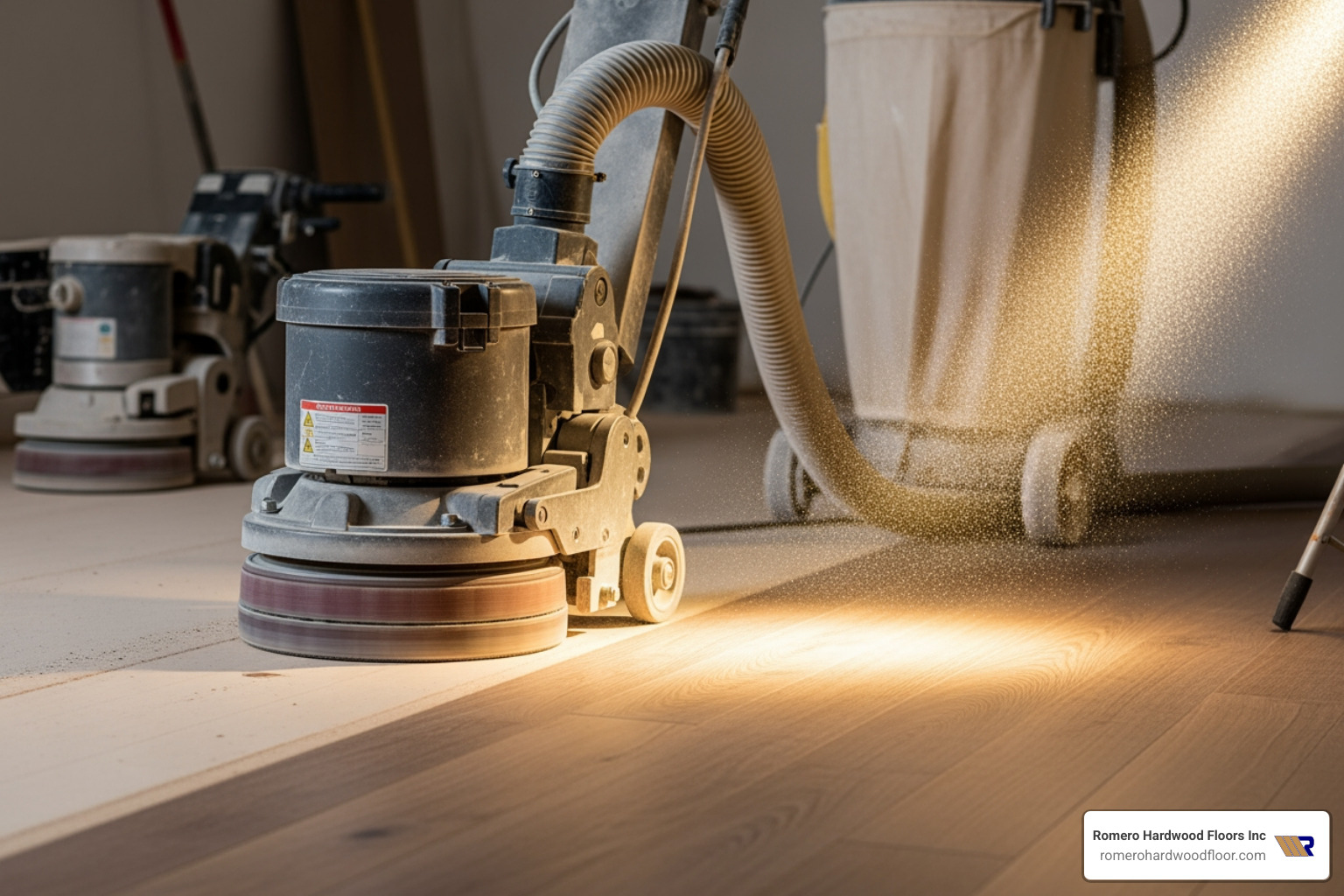
- Sanding to Bare Wood: This is often the most labor-intensive part. For a new finish, the floor needs to be sanded down to bare wood. We use a grit progression, typically starting with coarser grits (like 36-40) to remove old finishes and imperfections, then moving through medium grits (60-80), and finishing with finer grits (100-150) for a smooth surface. Keep the sander moving at all times to prevent divots.
- Dust Removal is Key: After sanding, vacuum thoroughly with a shop vac, paying close attention to edges and corners. Then, use a tack cloth or a slightly damp microfiber cloth to pick up any remaining fine dust particles. Any dust left behind will be sealed into your finish!
- Masking and Protecting: Use painter’s tape to protect baseboards, walls, and any adjacent surfaces you don’t want varnished.
For a comprehensive guide on this crucial step, visit our page on floor sanding and varnishing.
Step 2: Applying Varnish Like a Pro
What are the best techniques for applying varnish to wood floors to achieve a smooth and durable finish? Once your floor is perfectly prepared, it’s time for the magic!
- Stir, Don’t Shake: Gently stir the varnish thoroughly before and occasionally during application. Shaking can introduce air bubbles, which will show up in your finish.
- Choose the Right Applicator: For floors, we typically use T-bar applicators, rollers designed for floor finishes, or lamb’s wool applicators. Brushes are best for edges and corners.
- Work in Sections: Start in the farthest corner of the room and work your way towards the exit, applying the varnish in manageable sections.
- Apply Thin, Even Coats: This is crucial. Multiple thin coats are always superior to one thick coat, which can lead to bubbling, uneven drying, and poor adhesion.
- Maintain a Wet Edge: Always work to keep a “wet edge” where you’re applying new varnish to wet varnish. This prevents lap marks and ensures a seamless finish.
- Drying Times: Adhere strictly to the manufacturer’s recommended drying times between coats. Water-based lacquers typically dry in under 2 hours, while oil-based varnishes can take 6-24 hours.
- Sanding Between Coats: After the first coat (and sometimes subsequent coats, check manufacturer instructions), lightly abrade the surface with a fine-grit sandpaper (e.g., 220-grit) or a screening pad. This helps with adhesion for the next coat and smooths out any minor imperfections or “grain raise.” Always clean thoroughly after sanding between coats.
- Optimal Conditions: Ensure the room temperature is between 65-75°F (18-24°C) and humidity is 40-60% for optimal application and curing. Good ventilation is also essential.
Common Mistakes to Avoid
We’ve seen our share of DIY mishaps, and often they stem from a few common errors. What are common mistakes to avoid when varnishing wood floors?
- Skipping Preparation: Trying to varnish over a dirty, unsanded, or unrepaired floor is a recipe for disaster. The finish won’t adhere properly and will look poor.
- Applying Too Thick a Coat: This leads to bubbles, slow drying, and an uneven, potentially peeling finish. Always go for multiple thin coats.
- Ignoring Drying Times: Rushing between coats or putting furniture back too soon will damage the finish. Patience is a virtue here.
- Working in Poor Conditions: Extreme temperatures, high humidity, or lack of ventilation can all negatively impact the drying and curing process.
- Shaking the Can: As mentioned, this introduces air bubbles. Stir gently!
- Not Cleaning Between Coats: Dust from sanding between coats must be completely removed, or it will be sealed into your next layer.
- Neglecting Edges: Don’t forget to carefully apply finish to the edges and corners, ensuring a consistent look across the entire floor.
DIY vs. Professional: When to Hire an Expert for the Best Varnish for Wooden Floors
While we appreciate a good DIY spirit, sometimes the complexity and demands of finding and applying the best varnish for wooden floors call for professional expertise. When should you consider hiring a professional?
- Project Complexity: If your floors require extensive repair, deep sanding, or you’re dealing with an old, unknown finish, a professional has the experience and specialized equipment.
- Time Commitment: Floor refinishing is a multi-day process involving sanding, cleaning, multiple coats, and drying times. If you don’t have the time, a professional can complete it efficiently.
- Required Tools: Professionals use industrial-grade sanders, dust containment systems, and application tools that are costly to rent and difficult to master for a one-off project.
- Achieving a Flawless Finish: For that perfectly smooth, streak-free, and durable finish, professional technique is hard to beat.
- Warranty Considerations: Many premium varnish manufacturers only honor warranties when their products are applied by certified professionals.
For those in Beverly, Saugus, or anywhere else in our service area looking for guaranteed results and peace of mind, our hardwood floor refinishing contractors are ready to help. We bring the expertise, equipment, and efficiency to ensure your floors look their absolute best.
Maintaining Your Newly Varnished Floors
Once you’ve invested the time and effort into applying the best varnish for wooden floors, the next step is crucial: proper maintenance. How should homeowners maintain and care for their varnished wood floors to ensure longevity? A little care goes a long way in preserving that stunning finish for years to come.
Regular Cleaning and Protection
- Sweeping and Vacuuming: Regularly sweep or vacuum with a soft brush attachment to remove grit and dirt that can scratch the finish. Daily or every other day for high-traffic areas is ideal.
- Approved Cleaning Solutions: Use cleaning solutions specifically designed for varnished wood floors. Avoid harsh chemicals, abrasive cleaners, or excessive water, which can damage the finish.
- Spill Management: Clean up spills immediately with a soft, dry cloth. Don’t let liquids sit on the floor.
- Furniture Pads: Place felt pads under the legs of all furniture to prevent scratches and dents when moving items.
- Area Rugs: Use area rugs in high-traffic zones, entryways, and under chairs to protect the finish from wear. Ensure rugs have breathable backings.
- Sun Damage Prevention: Direct sunlight can cause wood and its finish to fade or discolor over time. Use curtains, blinds, or UV-filtering window treatments, especially in sunny rooms in Melrose or Stoneham.
- Humidity Control: Wood floors can swell or contract with changes in humidity. Maintaining a stable indoor humidity level (ideally between 35-55%) helps prevent gaps, cupping, or other moisture-related issues.
For more detailed advice on keeping your floors pristine, check out our wooden floor maintenance tips.
Long-Term Care and Recoating
Even the most durable varnish will eventually show signs of wear, especially in busy areas.
- Screen and Recoat: This is a fantastic way to extend the life of your varnish without a full resand. When the finish starts to look dull or show minor surface scratches but hasn’t worn through to the bare wood, a professional “screen and recoat” involves lightly abrading the existing finish and applying a fresh topcoat. This is typically recommended every 3-5 years for lacquered floors, or when you notice signs of wear.
- Signs of Wear: Look for dullness, light surface scratches, or areas where the finish appears thinner. If you see the bare wood, it’s time for more than a recoat – it’s likely time for a full refinish.
Regular maintenance and timely recoating can dramatically extend the lifespan of your floors, keeping them beautiful for decades. For more extensive wear or damage, we offer comprehensive flooring restoration and refinishing services.
Frequently Asked Questions about Wood Floor Varnish
What sheen level best hides scratches on wood floors?
Matte and satin finishes are best for hiding scratches. They reflect less light compared to semi-gloss or gloss finishes, which means that small imperfections, scuffs, and daily wear are far less noticeable. A satin finish often provides the ideal balance between a subtle luster and effective scratch concealment, making it a popular choice for busy households in areas like Swampscott or Reading.
How long do pets need to stay off a newly varnished floor?
This is a crucial question for pet owners, and the answer depends on the type of varnish. For water-based finishes, we recommend keeping pets off for at least 24 hours, but preferably 48-72 hours to allow the finish to harden sufficiently. For oil-based finishes, which cure much slower, a longer wait of 3-7 days is recommended. It’s vital to remember that while the floor may be dry to the touch, the complete chemical curing process can take up to 30 days. During this full cure period, the finish is still vulnerable, so we advise exercising caution with heavy furniture and pet activity. Always check the manufacturer’s specific instructions for the product you’ve used.
Can I apply varnish or lacquer over an old oiled floor?
Generally, no, you cannot apply a surface finish like varnish or lacquer directly over an old oiled floor with good results. The residual oil within the wood will interfere with the adhesion of the new film-forming finish, almost certainly leading to peeling, bubbling, and overall failure of the new coating. The proper method if you wish to switch from an oiled finish to a varnish or lacquer is to completely sand the floor down to bare, clean wood.
This removes all traces of the oil. After thorough cleaning and dust removal, you can then apply a suitable primer or sealer followed by your chosen varnish or lacquer system. Attempting to skip this step will likely result in a costly and frustrating mistake.
Conclusion: Achieve a Flawless, Lasting Finish
We hope this extensive guide has demystified wood floor varnishes for you. As we’ve explored, the best varnish for wooden floors isn’t a single product, but rather the right choice based on your specific needs for durability, aesthetics, health, and budget. From the quick-drying clarity of water-based options to the robust warmth of oil-based polyurethanes, and the cutting-edge performance of low-VOC lacquers, there’s a perfect protective solution for every hardwood floor.
Proper preparation and application techniques are just as crucial as the product itself. Taking the time to understand the process and avoid common mistakes will ensure a beautiful, long-lasting finish.
At Romero Hardwood Floors Inc., we pride ourselves on delivering exceptional results across our Massachusetts service areas, from Beverly to Winthrop, Revere to Chelsea. We understand that your hardwood floors are an integral part of your home or business, and we’re committed to enhancing their beauty and longevity. For a guaranteed professional result that improves your property’s value, the experts at Romero Hardwood Floors Inc. have the experience and skill to deliver a stunning, durable finish.
Contact us to refinish your hardwood floors today and let us help you find the perfect varnish for your hardwood hero!
Like us on Facebook!
