
Coasters for furniture: Smart Floor Protection 2025
Why Your Floors Need Furniture Coasters
Coasters for furniture are protective pads or cups placed under furniture legs to prevent floor damage and make furniture easier to move. They distribute weight evenly, prevent scratches and dents, and can be made from felt, rubber, plastic, or silicone depending on your specific needs.
Quick Shopping Guide:
| Where to Buy | Best For | Price Range |
|---|---|---|
| Online marketplaces | Wide selection, fast delivery | $3-$150+ |
| Hardware stores | In-person inspection, immediate purchase | $5-$50 |
| Big-box retailers | Budget-friendly options | $3-$30 |
| Specialty retailers | Unique furniture types (hairpin legs, etc.) | $10-$50 |
What You’ll Find:
- Felt pads – Best for hardwood and tile floors
- Rubber coasters – Ideal for preventing sliding on smooth surfaces
- Plastic cups – Great for carpet protection
- Caster cups – Designed for furniture with wheels
- Sliders – Help move heavy furniture across floors
Heavy furniture like sofas, beds, and dining tables creates concentrated pressure that leads to scratches, dents, and indentations on your floors. Furniture coasters solve this by distributing that weight across a larger surface area. Quality coasters can support up to 550 pounds per cup while protecting virtually any floor type. They also make cleaning easier by allowing you to slide furniture without lifting, extending the lifespan of both your floors and furniture.
I’m Francisco Romero, owner of Romero Hardwood Floors Inc., and over the past 15+ years I’ve seen countless floors damaged by improper furniture placement—damage that proper coasters could have easily prevented. This guide will help you find the perfect floor protectors for your home.
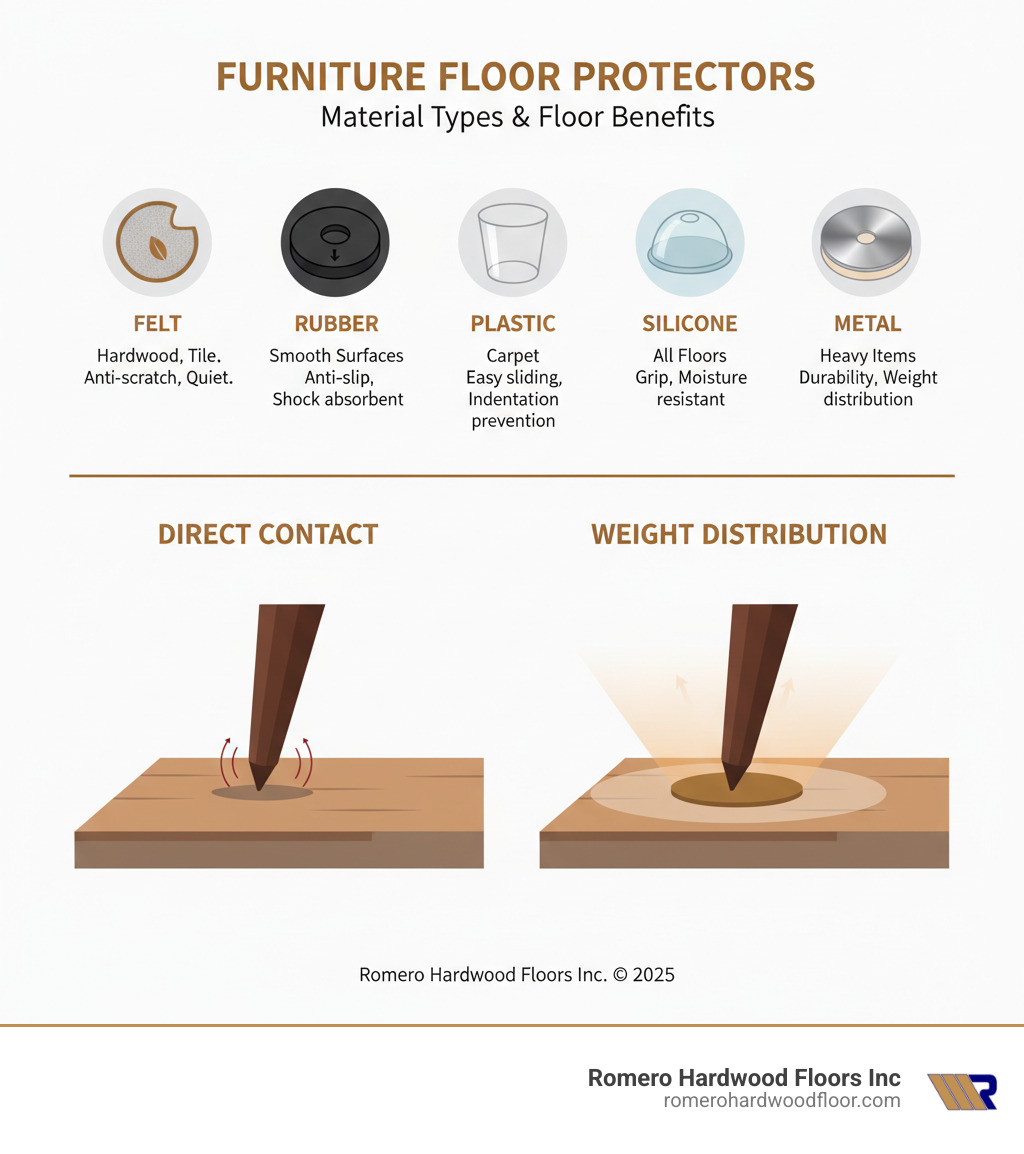
At Romero Hardwood Floors Inc., we know your floors are a significant investment. Coasters for furniture are a crucial, often-overlooked part of floor maintenance that act as silent guardians for your flooring surfaces.
First, furniture coasters provide unparalleled floor protection. The concentrated force of a heavy table leg can create scratches, while the persistent pressure of a sofa can leave deep indentations in carpet. Coasters prevent this damage by distributing the furniture’s weight evenly, which is key to preserving your floor’s pristine condition.
When furniture is dragged across a hard surface, it can leave permanent scratch marks. A good furniture coaster creates a smooth, protective barrier between the leg and the floor, allowing for movement without abrasive damage. This also minimizes wear and tear on the furniture legs themselves.
Dents and indentations are especially problematic on carpets and softer woods. By using coasters for furniture, you create a broader contact area that prevents these concentrated pressure points from forming. This proactive approach to protection saves you money on potential repairs and maintains your home’s aesthetic appeal.
A Guide to the Different Types of Coasters for Furniture
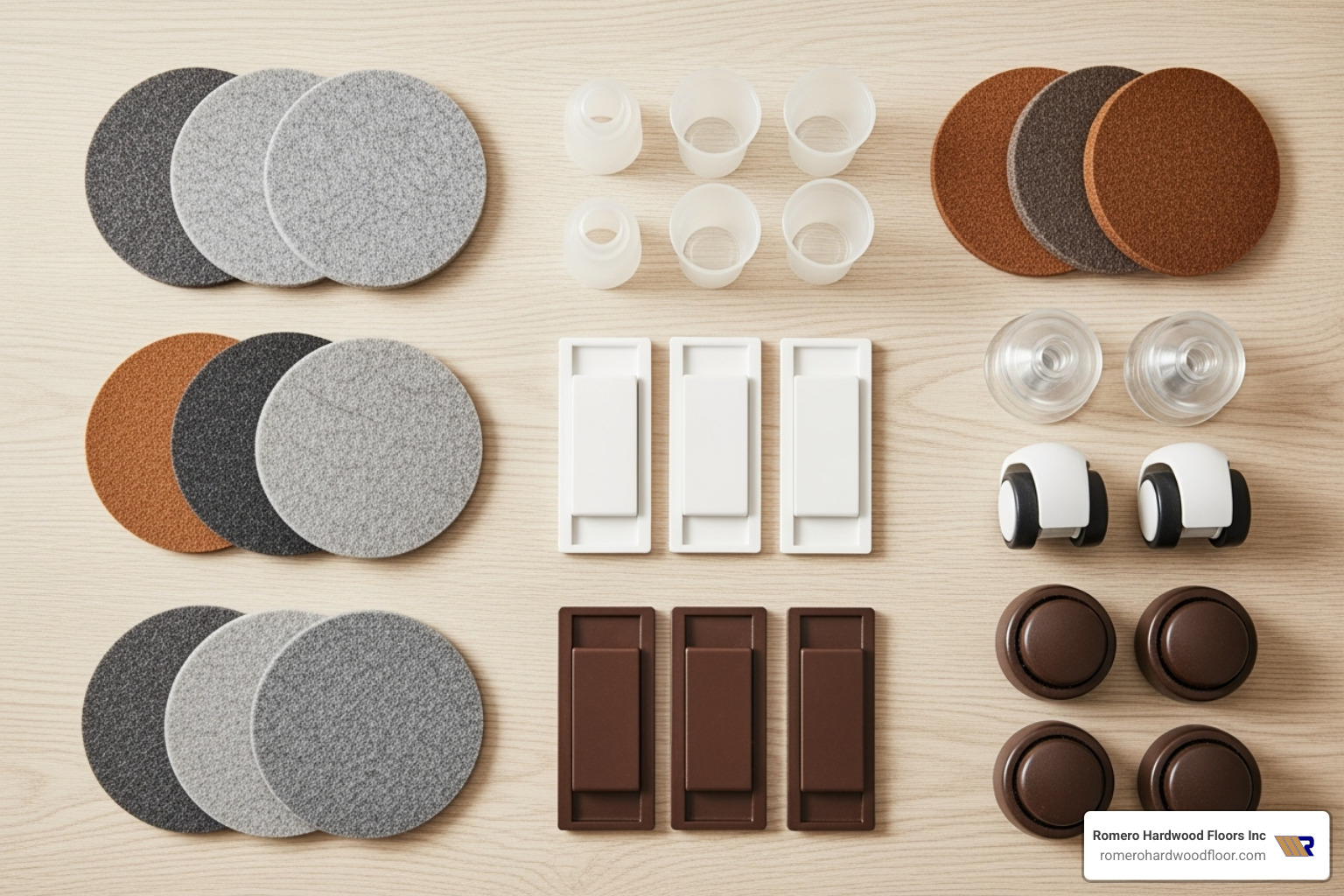
Choosing coasters for furniture is simple once you understand the key differences in material and function. Not all furniture has the same needs, and not all floors face the same challenges. A heavy dining table on hardwood requires something different than a wheeled office chair on carpet. Let’s break down the most common types so you can find your perfect match.
Coasters by Material
The material of your furniture coaster determines its protective qualities, durability, and whether your furniture stays put or slides easily.
- Felt pads are soft cushions with an adhesive backing. They are excellent for preventing scratches on hardwood, laminate, and tile, allowing chairs to glide smoothly. However, they wear down with frequent movement and don’t prevent furniture from shifting on smooth floors.
- Rubber coasters are designed to grip. These durable protectors prevent furniture from sliding, making them ideal for sofas or beds on hard surfaces. Their strong grip makes rearranging furniture more difficult, but they are great for stability.
- Plastic cups are primarily for carpet protection. Their concave design distributes weight to prevent deep indentations in carpet fibers. While some have smooth bottoms to act as sliders, they can scratch hard floors and offer poor grip.
- Silicone grippers offer a discreet, non-slip solution similar to rubber but are often transparent. They are durable and water-resistant but typically cost more than felt or plastic options.
- Metal caster cups are specialized protectors for furniture with wheels. They prevent wheels from rolling and can feature decorative finishes. They handle heavy loads well but may need a felt or rubber liner for optimal floor safety.
- Cork pads are an eco-friendly option for gentle protection. Best for decorative items or furniture that rarely moves, cork is not as durable as rubber or plastic and offers minimal grip for heavy loads.
Coasters by Function
Beyond material, coasters for furniture are categorized by what they do. Understanding these functions helps solve specific challenges.
- Anti-slip grippers, made from rubber or silicone, use textured surfaces to create friction and stop furniture from moving. They are perfect for keeping sofas and beds stable on hard floors.
- Furniture sliders are engineered for effortless movement. With low-friction surfaces (hard plastic or felt), they allow heavy items like dressers and bookshelves to glide across floors, which is useful for cleaning or rearranging.
- Caster cups are the solution for furniture with wheels. They cradle the wheels of bed frames or office chairs, preventing unwanted rolling and protecting the floor. Some use non-slip rubber to hold furniture firmly in place.
- Vibration dampeners, often made of dense rubber, absorb vibrations from appliances like washing machines or speakers. This reduces noise transfer, a great feature for apartments and multi-story homes.
Choosing the right function is simple: Do you want your furniture to stay put, move easily, or stop rolling? Your answer will point you to the right type of coaster.
How to Choose the Perfect Furniture Coasters
Picking the right coasters for furniture is a matching game: you need to consider your floor type, furniture weight, and leg shape. Getting these details right ensures your floors stay beautiful for years.
Match the Coaster to Your Floor Type
Your floor type is the most important factor when choosing coasters for furniture.
- Hardwood Floors: Your main concerns are scratches and dents. Felt coasters are fantastic, creating a soft barrier that lets chairs glide easily. For stationary pieces like entertainment centers, rubber coasters provide better stability. For more tips, see our complete hardwood floor care guide.
- Carpet Protection: Here, you’re fighting stubborn indentations. Plastic or vinyl cups with wide bases are ideal, as they spread the weight of a sofa or bed frame over a larger area to prevent carpet fibers from being crushed.
- Tile and Laminate Floors: Protection needs are similar to hardwood. Rubber works well on smooth tile to prevent sliding, while felt protects both surfaces from scratches. Felt helps with movement, plastic cups prevent indentations, and rubber provides anti-slip stability.
Select the Right Size and Shape
Size is critical for furniture coasters. A coaster that’s too small won’t distribute weight properly, while one that’s too large can be a tripping hazard.
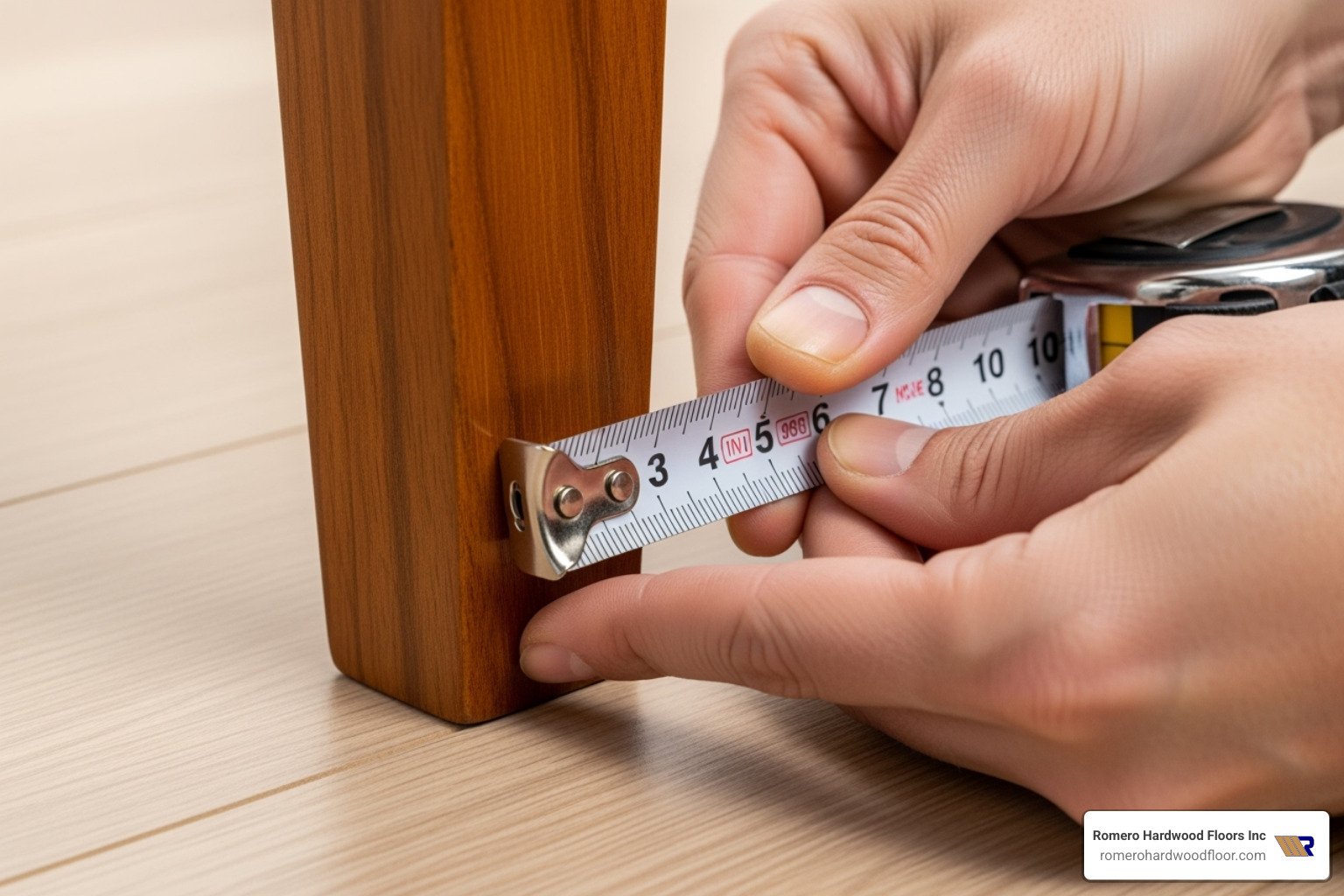
Start by measuring your furniture leg diameter. For round legs, measure across the widest point; for square legs, measure the length and width. The rule is simple: your coaster should be slightly larger than the leg. A 1.5-inch leg needs a 2-inch coaster to ensure the weight is spread evenly.
While most coasters are round, you can find square or rectangular ones to match your furniture’s style and provide more stable support. For irregular leg shapes, some universal furniture coasters can be trimmed to fit.
Consider Your Furniture’s Legs
Different leg types require different coasters for furniture.
- Standard Legs: For typical round or square legs, use adhesive felt pads, rubber grippers, or plastic cups depending on your floor and whether you need grip or glide.
- Caster Wheels: Bed frames and office chairs with wheels need caster cups. These are specifically designed to cradle wheels and keep them from rolling. Some caster cups use a deep V-shape to grip wheels securely.
- Hairpin Legs: These thin metal legs don’t hold adhesive pads well. Use specialized solutions that clip onto the rod and protect floors from scratches.
- Angled Legs: Ensure your coaster provides a level, stable base. You may need a larger surface area to accommodate the angle where the leg makes contact.
- Heavy Furniture: For massive dressers, bookshelves, or pianos, you need heavy-duty coasters rated for serious weight. Look for reinforced rubber or plastic options. Some heavy-duty coasters, for example, can support up to 550 pounds per cup.
Where to Find Furniture Coasters and What to Expect
Now that you know what kind of coasters for furniture you need, it’s time to find them. These floor-saving heroes are widely available, both in-person and online.
Hardware stores are a solid starting point for inspecting products in person and getting them immediately. They stock a good selection of felt pads, rubber grippers, and basic plastic cups. Home goods stores often carry more aesthetic options designed to blend with your décor.
Online marketplaces offer the widest variety, with a staggering selection of coasters for furniture, from basic pads to industrial-strength sliders. Online shopping allows you to read customer reviews, compare prices, and find specialized products for needs like heavy-duty furniture or moving projects.
For unique situations like hairpin legs, specialty furniture or hardware retailers offer niche solutions and expert guidance.
Average Cost and Maintenance for Coasters for Furniture
How much should you expect to spend on coasters for furniture? These are average costs based on internet data, not actual costs for Romero Hardwood Floors Inc.
- Basic Protection ($3-$10): A pack of simple felt pads or plastic cups is very affordable.
- Standard Protection ($10-$30): More robust rubber grippers or specialized caster cups fall into this range, offering better durability and anti-slip features.
- Specialized Solutions ($15-$50+): Heavy-duty sliders or unique items like hairpin leg feet will cost more. For professional-grade applications, some sets can exceed $150.
Furniture coasters require minimal maintenance to remain effective. Clean felt pads with a lint roller. Wipe rubber and silicone coasters with a damp cloth and mild soap. A quick rinse is usually enough for plastic cups. Always ensure coasters are completely dry before placing them back under furniture.
The key is knowing when to replace them. Replace felt pads when they become thin or frayed. Replace rubber or silicone if it cracks or loses its grip. Replace plastic cups if they chip or crack. A worn-out coaster can cause the very damage it’s meant to prevent. Make it a habit to inspect your coasters during seasonal cleaning to protect your investment.
Frequently Asked Questions about Furniture Coasters

Even with all this information, you might still have questions about coasters for furniture. Here are answers to the most common concerns we hear from homeowners.
Can furniture coasters damage floors?
Yes, coasters for furniture can cause damage if not used or maintained correctly. Here are the main culprits:
- Trapped Debris: A small pebble or grain of sand stuck between the coaster and the floor can act like sandpaper, grinding into the finish when furniture shifts. Clean under coasters regularly.
- Worn-Out Coasters: A felt pad that has worn thin or a rubber coaster that has cracked can no longer protect your floor and may even cause scratches. Inspect coasters periodically and replace them when they show signs of wear.
- Wrong Material: Using the wrong type of coaster, like a hard plastic cup on a hardwood floor, is a common mistake that can lead to scratches.
With proper maintenance and the right material choice, your coasters will be floor protectors, not hazards.
How do I stop furniture with wheels from moving?
The best solution for rolling furniture is caster cups. These are specifically engineered to cradle wheels and keep them stationary. Look for cups with a concave or deep V-shape design that securely grips the wheel, combined with a non-slip rubber or silicone base. These are widely available and work on various floor types.
Also, check if your furniture has locking casters. Many office chairs and carts have a small lever on the wheel that locks it in place.
Are furniture sliders and coasters the same thing?
This is a common point of confusion. While related, they serve different primary purposes:
- Furniture Sliders are for moving. They have a low-friction surface (like hard plastic or smooth felt) to help heavy items glide across floors easily. Their main job is mobility, not long-term protection.
- Coasters and Grippers are for protection and stability. They are meant to stay in place long-term, distributing weight to prevent dents and scratches. Grippers use high-friction materials like rubber to stop furniture from moving at all.
Some modern products combine these functions, but it’s important to know your primary goal. If you need to move furniture, get sliders. If you want it to stay put and protect your floors, you need coasters or grippers.
Protect Your Investment with the Right Choice
Your floors are a foundational element of your home’s beauty and value. Whether you’re protecting the gleaming hardwood in your Beverly, MA home or the floors in your Revere, MA office, choosing the right coasters for furniture is a simple, effective way to safeguard that investment.
This guide has covered everything from felt pads that glide across hardwood to specialized caster cups that keep wheeled furniture in place. These small protectors work silently to distribute weight, prevent scratches, and stop dents before they happen.
The beauty of proper floor protection is the long-term savings. Replacing or refinishing damaged floors can cost thousands. By spending a few dollars on quality coasters for furniture today, you’re avoiding costly repairs tomorrow. It’s simple, affordable, and remarkably effective preventive care.
At Romero Hardwood Floors Inc., we’ve been serving communities across Massachusetts since 2006, from Chelsea and Danvers to East Boston and Lynnfield. We’ve installed countless beautiful floors, and we’ve also seen what happens when they’re not properly protected. Our commitment extends beyond installation—we want your floors to look stunning for decades.
We believe every homeowner deserves floors that improve their space and stand the test of time. Whether you’re considering a new flooring project or need expert advice on maintenance, we’re here to help with competitive pricing, punctuality, and guaranteed workmanship.
Ready to start a flooring project or have questions about protecting your investment? Request an estimate for your flooring project today, and let’s work together to keep your floors looking their absolute best.
Like us on Facebook!
