
Different Types of Wood: 3 Best Stunning Choices 2025
Different types of wood have long been a cornerstone of human craftsmanship, offering a perfect blend of beauty, strength, and versatility. Each type of wood brings unique characteristics to the table, from the elegance and durability of hardwoods like oak and walnut to the affordability and flexibility of softwoods such as pine and spruce. Additionally, engineered wood solutions, like plywood and MDF, provide modern advantages with improved stability and cost-effectiveness.
Wood’s innate qualities make it ideal for a wide range of applications, from crafting neat furniture to constructing robust architectural frameworks. Its aesthetic appeal coupled with a spectrum of strengths and workability levels ensures that wood remains a favored material among builders and designers.
As Francisco Romero, with over 15 years of experience in the field of hardwood flooring installations across Revere, MA and its neighboring areas, I have honed a deep understanding of the different types of wood. This expertise allows me to guide homeowners and property managers in selecting the right wood for their specific flooring needs, enhancing both their property’s appearance and value.
Understanding Different Types of Wood
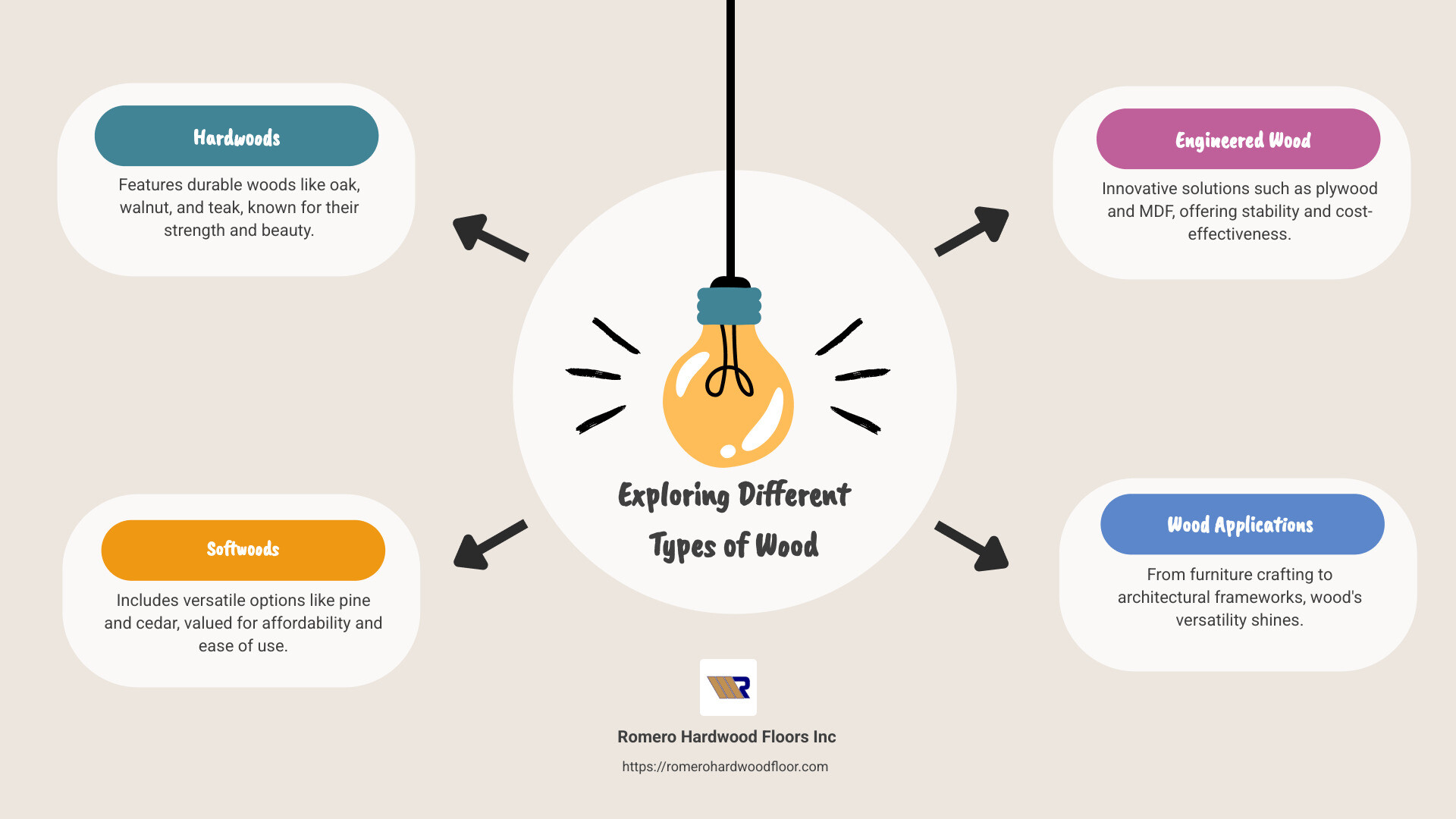
When it comes to wood, there’s a lot more than meets the eye. Wood is generally categorized into three main types: hardwoods, softwoods, and engineered wood. Each type has its own unique characteristics and uses, making it important to know which is best for your project.
Hardwoods: The Sturdy Choice
Hardwoods come from deciduous trees, which are trees that lose their leaves annually. These woods are known for their density and strength. Some popular hardwoods include oak, walnut, and teak. These woods are often used for furniture and flooring because of their durability and beautiful grain patterns.
- Oak is a favorite for its strength and resistance to rot, making it perfect for flooring and furniture.
- Teak is famous for its water resistance, making it ideal for outdoor furniture and even ship decking.

Softwoods: Versatile and Affordable
Softwoods are derived from coniferous trees, which usually stay evergreen. These woods are generally lighter and more affordable than hardwoods, making them a popular choice for construction and DIY projects.
- Pine is budget-friendly and easy to work with, often used in furniture and construction.
- Cedar is known for its natural resistance to decay and its pleasant scent, making it great for closets and outdoor projects.

Engineered Wood: Modern Solutions
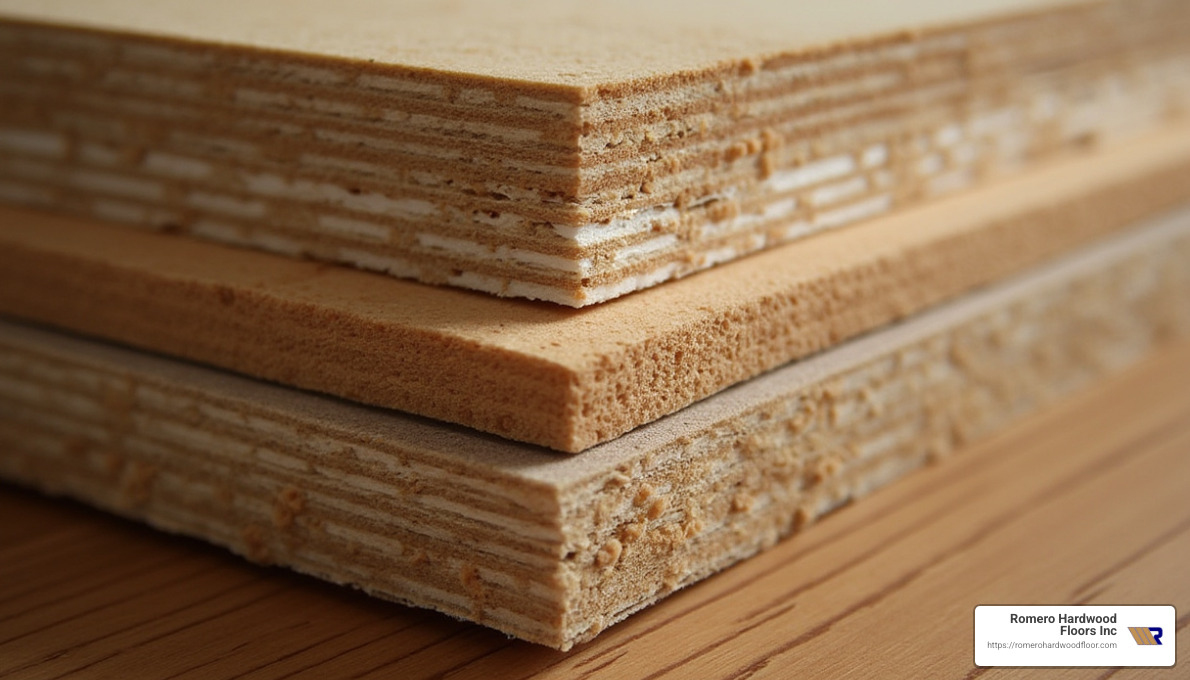
Engineered wood is a modern marvel, crafted by combining wood elements with adhesives. This type of wood offers improved stability and strength, often at a lower cost than solid wood.
- Plywood is made from layers of wood veneer, providing strength and flexibility for a variety of uses.
- MDF (Medium-Density Fiberboard) is made from wood fibers and is known for its smooth surface, making it ideal for painted projects.
Understanding these different types of wood helps in choosing the right material for any project, whether it’s creating a stunning hardwood floor or building a simple bookshelf. Each type of wood offers unique benefits, allowing you to tailor your choice to your specific needs and preferences.
Hardwoods: The Sturdy Choice
When it comes to choosing materials for your next project, hardwoods stand out for their strength, beauty, and durability. These woods come from deciduous trees and are known for their dense grain and impressive resilience. Let’s explore some popular hardwoods and their unique qualities.
Oak
Oak is a classic choice, prized for its durability and strength. With around 200 species, oak offers a variety of options, but red oak and white oak are the most common. White oak is particularly popular for furniture due to its attractive grain and resistance to moisture. It’s no wonder oak is often used in flooring and cabinetry, providing a timeless look that lasts.
Walnut
Walnut is known for its rich, dark color and beautiful grain patterns. It’s a favorite in high-end furniture making. Despite its higher cost, walnut is valued for its workability and strength. This wood is ideal for creating intricate carvings and luxurious finishes.
Cherry
Cherry wood is celebrated for its smooth texture and rich red hue, which deepens with age. Its fine grain makes it perfect for neat furniture and cabinetry. Cherry is also easy to work with, making it a go-to for intricate designs and musical instruments.
Maple
Maple is incredibly versatile, with a light color and fine grain that make it easy to shape and finish. Known for its hardness, maple is often used in flooring and cabinetry. It’s a favorite among woodworkers for creating durable and beautiful pieces.
Mahogany
Mahogany is renowned for its straight grain and reddish-brown color. Although it’s endangered and less common today, it remains a popular choice for high-quality furniture. Mahogany’s resistance to rot and decay makes it ideal for both indoor and outdoor use.
Teak
Teak is famous for its exceptional durability and water resistance. Often used for outdoor furniture and ship decks, teak can withstand harsh weather conditions. Its golden hue and smooth texture add a touch of elegance to any project.
Ash
Ash is known for its light color and straight grain. It’s a strong and flexible wood, often used in furniture and sports equipment. Ash’s excellent shock resistance makes it a popular choice for tool handles and baseball bats.
Beech
Beech offers a fine, even grain and a light color that accepts stains well. It’s often used in furniture and cabinetry, providing a smooth finish that’s easy to work with. Beech is also affordable, making it a practical choice for many projects.
Poplar
Poplar is an economical hardwood known for its versatility. With a light brown to greenish hue, poplar is often used in furniture frames and as a base for veneers. Its affordability and easy workability make it popular in construction and manufacturing.
Ebony
Ebony is prized for its deep black color and dense grain. This luxurious wood is often used in fine detailing and high-end furniture. Although expensive, ebony’s stunning appearance and durability make it a sought-after choice for specialty projects.
By understanding these different types of wood, you can select the perfect hardwood for your project, whether you’re crafting a beautiful piece of furniture or installing a durable floor. Each wood type offers unique benefits, allowing you to tailor your choice to your specific needs and aesthetic preferences.
Softwoods: Versatile and Affordable
Softwoods are known for their affordability and versatility, making them a popular choice for a variety of projects. Unlike hardwoods, softwoods come from coniferous trees, which are typically faster-growing and have needles instead of leaves. Let’s explore some of the most common different types of wood within the softwood category.
Pine
Pine is a widely used softwood, appreciated for its straight grain and pale yellow to white color. It’s lightweight and easy to work with, making it ideal for construction and furniture. Pine is especially popular for interior projects like window sills and door frames. Its affordability and paint-friendly surface make it a go-to choice for DIY enthusiasts.
Cedar
Cedar is celebrated for its rich aroma and natural resistance to decay and insects. This pinkish-red wood is lightweight and easy to handle, making it perfect for outdoor applications like fencing and decking. Cedar’s durability and distinctive scent add a touch of luxury to closets and storage chests.
Redwood
Redwood is another softwood known for its striking reddish color and resistance to rot. It’s often used in outdoor projects, such as garden furniture and fences, due to its natural weather resistance. Redwood’s beautiful grain and easy workability make it a favorite for both functional and decorative purposes.
Douglas Fir
Douglas Fir is a robust softwood with a high strength-to-weight ratio, making it an excellent choice for construction. Its straight grain and reddish-tan color add aesthetic appeal to projects. Douglas Fir is affordable and versatile, often used in decking and DIY projects for its workability and strength.
Spruce
Spruce is a lightweight and affordable softwood, commonly used in construction and musical instruments. Known for its smooth, straight grain, spruce is often sold as SPF lumber (Spruce-Pine-Fir). Its resonant qualities make it ideal for crafting guitars and pianos, though it is less durable when exposed to moisture.
By exploring these different types of wood within the softwood category, you can find the perfect match for your project needs. Whether you’re building a deck, crafting furniture, or starting on a DIY trip, softwoods offer a range of benefits that cater to both budget and aesthetic preferences.
Engineered Wood: Modern Solutions
Engineered wood is a modern marvel in construction and design. It’s crafted by combining wood fibers, veneers, or strands with adhesives under heat and pressure. This process results in materials that are strong, stable, and often more affordable than solid wood. Let’s explore some popular different types of wood in the engineered category: plywood, MDF, and particle board.
Plywood
Plywood is a superstar when it comes to strength and versatility. Made by layering thin sheets of wood veneer in alternating directions, plywood resists warping and bending. This makes it ideal for construction, furniture, and flooring. Its smooth surface is perfect for painting or staining, offering a high-quality finish. With varieties like marine plywood for moisture resistance, there’s a plywood type for every project.
MDF (Medium-Density Fibreboard)
MDF, or Medium-Density Fibreboard, is a staple in many woodworking projects. It’s denser than regular fiberboard, with a smooth surface that cuts cleanly. MDF is perfect for intricate designs and detailed work, as it doesn’t splinter. However, it’s not as strong as plywood and can struggle to hold screws. Innovations are underway to reduce its formaldehyde content, making it a safer choice for interiors.
Particle Board
Particle board is the budget-friendly option among engineered woods. Made from wood chips and sawdust bonded with resin, it’s lightweight and easy to work with. While it’s not as strong as MDF or plywood, particle board is a cost-effective choice for furniture that won’t bear heavy loads. It’s important to handle it with care during cutting to avoid chipped edges.
Strength and Stability
Engineered wood products offer remarkable strength and stability. They are designed to withstand changes in temperature and humidity better than solid wood, reducing the risk of warping. This makes them an excellent choice for modern construction, where consistency and reliability are key.
By understanding these different types of wood in the engineered category, you can make informed decisions for your projects. Whether you’re crafting cabinets, building a home, or designing furniture, engineered wood provides a practical and sustainable solution.
Next, we’ll dive into frequently asked questions about different types of wood, helping you choose the best materials for your needs.
Frequently Asked Questions about Different Types of Wood
How many types of wood are there?
When exploring the different types of wood, they mainly fall into two categories: hardwood and softwood. Despite their names, this distinction is based on botany, not hardness. Hardwoods come from deciduous trees like oak and mahogany, which lose their leaves annually. Softwoods, such as pine and cedar, originate from evergreen trees, which keep their needles all year round. With over 100,000 species globally, the variety of wood types is vast, but they all fit into these two main groups.
What is the prettiest wood type?
Beauty in wood often depends on grain patterns, color, and personal preference. Western Red Cedar is prized for its rich color and aromatic scent, making it a popular choice for decorative projects. Brazilian Mahogany offers a deep, reddish-brown hue that darkens over time, providing an neat and timeless appeal. Teak is admired for its golden-brown heartwood and natural oils, which make it both stunning and durable. Each of these woods brings a unique charm to any project.
Which wood is highest quality?
When considering quality, teak, oak, and mahogany often top the list. Teak is known as the “king of woods” due to its exceptional durability, water resistance, and resistance to decay. Oak is a hardwood favorite for its strength, beautiful grain, and versatility, often used in flooring and furniture. Mahogany, although less common due to its endangered status, is cherished for its straight grain and resistance to rot. These woods are sought after for high-end applications where quality and longevity are paramount.
Whether you’re drawn to the beauty of Western Red Cedar, the classic appeal of Brazilian Mahogany, or the renowned quality of teak, understanding these different types of wood can guide you in selecting the perfect material for your project. Next, we’ll explore how these choices can improve your home or property with Romero Hardwood Floors Inc.
Conclusion
At Romero Hardwood Floors Inc, we understand that choosing the right wood for your flooring is more than just a design decision—it’s an investment in your property’s future. With our expertise in hardwood flooring installation, we offer solutions that not only improve the beauty of your space but also significantly improve its value.
Why Choose Romero Hardwood Floors Inc?
- Expertise and Experience: Since 2006, we’ve been providing top-notch flooring services across numerous locations in Massachusetts, including Revere, Beverly, and Salem. Our team is skilled in working with a variety of wood types, ensuring that your flooring is installed with precision and care.
- Quality Materials: We use only the best materials, including high-quality hardwoods like oak and teak, known for their durability and timeless appeal. This ensures your floors not only look great but also stand the test of time.
- Property Value Improvement: Investing in quality hardwood floors can significantly boost your property’s value. Not only do they add a touch of elegance and sophistication, but they also offer long-lasting durability that appeals to potential buyers.
- Customer Satisfaction: Our commitment to customer satisfaction is evident in our punctuality, competitive pricing, and guaranteed workmanship. We take pride in changing your space into something truly special.
Whether you’re remodeling or building new, choosing the right wood flooring can make all the difference. Let us help you select and install the perfect flooring solution for your home. Visit our hardwood floor installation page to learn more about our services and how we can help improve your living space with beautiful, high-quality wood floors.
With Romero Hardwood Floors Inc, you’re not just getting new floors—you’re investing in a more beautiful, valuable, and comfortable home.
