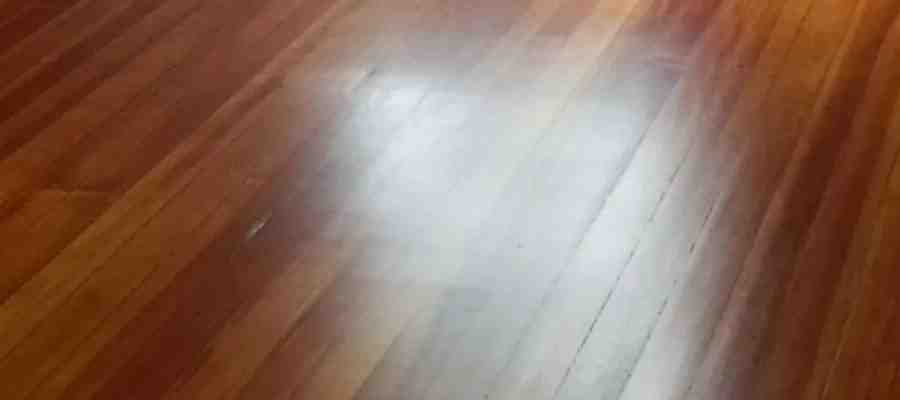
Why Engineered Wood Flooring Maintenance Matters for Your Investment
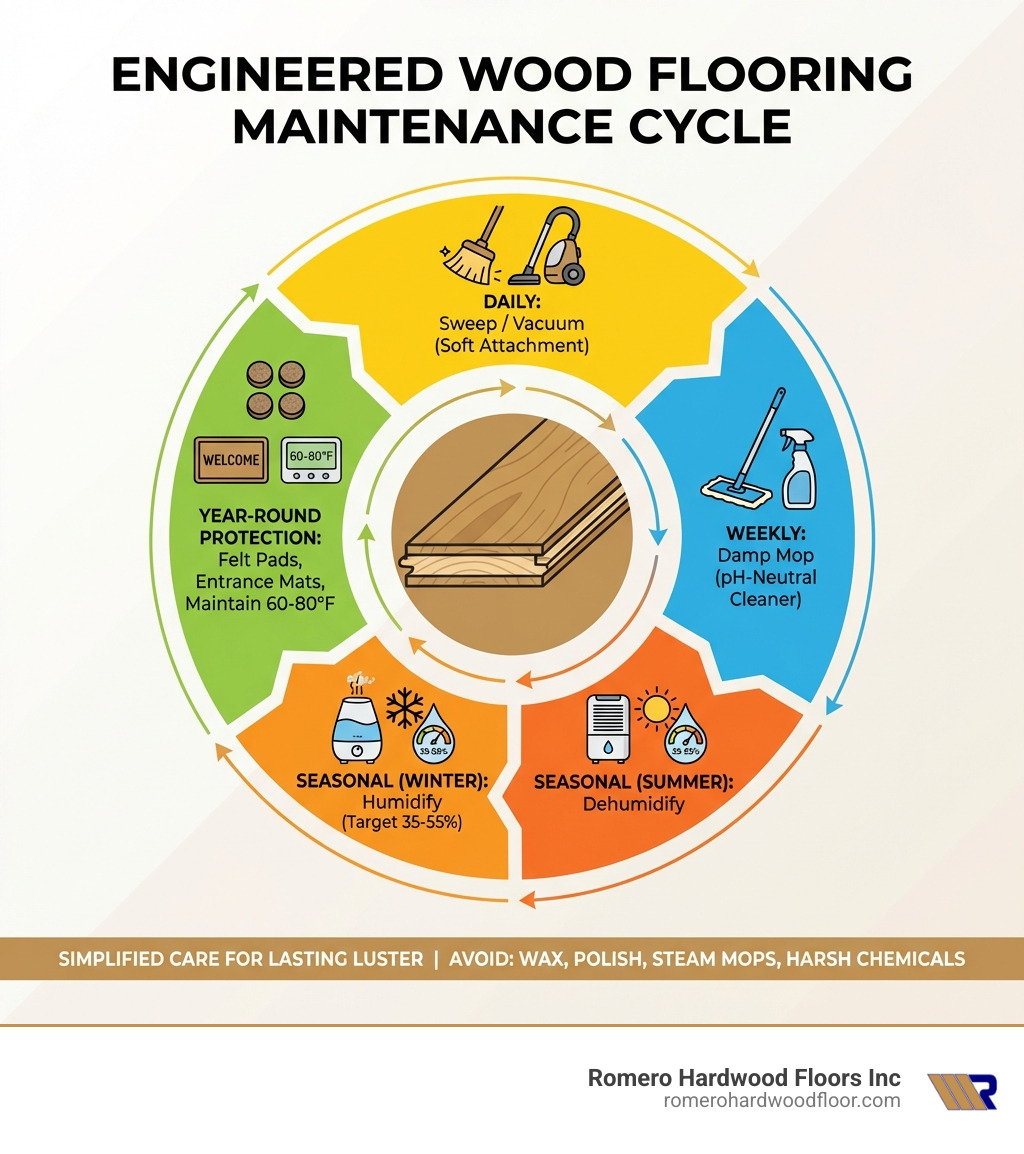
Engineered wood flooring maintenance is simpler than you think—no wax, no polish, just smart daily habits and climate awareness. Here’s what you need to know:
Quick Maintenance Essentials:
- Daily: Sweep or vacuum with a soft-bristle attachment (no beater bars)
- Weekly: Damp mop with pH-neutral hardwood cleaner applied to the mop head
- Ongoing: Maintain 35-55% humidity and 60-80°F temperature
- Protection: Use felt pads, entrance mats, and trim pet nails
- Never use: Steam mops, vinegar, ammonia, wax, or oil soaps
Engineered hardwood is popular because it’s built tough. Multiple layers make it more resistant to moisture and temperature swings than solid hardwood—perfect for New England’s climate extremes. But that doesn’t mean it’s indestructible.
The flooring can only be refinished once or twice (depending on veneer thickness), so prevention beats repair every time. Most damage comes from three sources: abrasive dirt tracked indoors, excess moisture from cleaning, and humidity fluctuations that cause expansion or contraction.
I’m Francisco Romero, and I’ve spent over 15 years installing and maintaining hardwood floors in Revere, MA. Through my work at Romero Hardwood Floors Inc., I’ve seen how proper engineered wood flooring maintenance can make floors last decades—and how simple mistakes can ruin them in months.
Easy engineered wood flooring maintenance word list:
- engineered hardwood floor refinishing
- engineered flooring for kitchens
- engineered hardwood in bathroom
Essential Daily and Weekly Engineered Wood Flooring Maintenance
When we talk to homeowners from Salem to Somerville, the biggest misconception we hear is that engineered wood needs a heavy-duty scrubbing. In reality, the best thing you can do for your floors is to keep them “grit-free.”
Daily maintenance is your first line of defense. Think of dirt, salt (especially during our slushy winters in Peabody and Swampscott), and pebbles as tiny pieces of sandpaper. Every time you walk across a dirty floor, you are essentially sanding down your finish. We recommend a daily sweep with a soft-bristle broom or a dust mop.
If you prefer vacuuming, that’s great—but there’s a catch. You must use a vacuum cleaner without a beater bar or a power rotary brush head. Those stiff brushes are designed for carpets; on wood, they can leave microscopic scratches that dull the luster over time. Always use the “hard floor” setting or a parquet brush attachment.
According to market research Engineered floors offer a versatile option for homeowners, featuring a wide array of designs, finishes, and wood species. According tomarket research, this variety makes it an attractive choice for both professionals and DIY enthusiasts, particularly because of its straightforward installation proce…, the versatility of these floors is a major selling point. However, that variety means you need a consistent cleaning schedule to protect the specific finish you’ve chosen.
Best Practices for Engineered Wood Flooring Maintenance Without Damage
Weekly cleaning is where most people accidentally damage their floors by using too much water. We always tell our clients in Malden and Medford: “Wood and water are like oil and vinegar—they just don’t mix.”
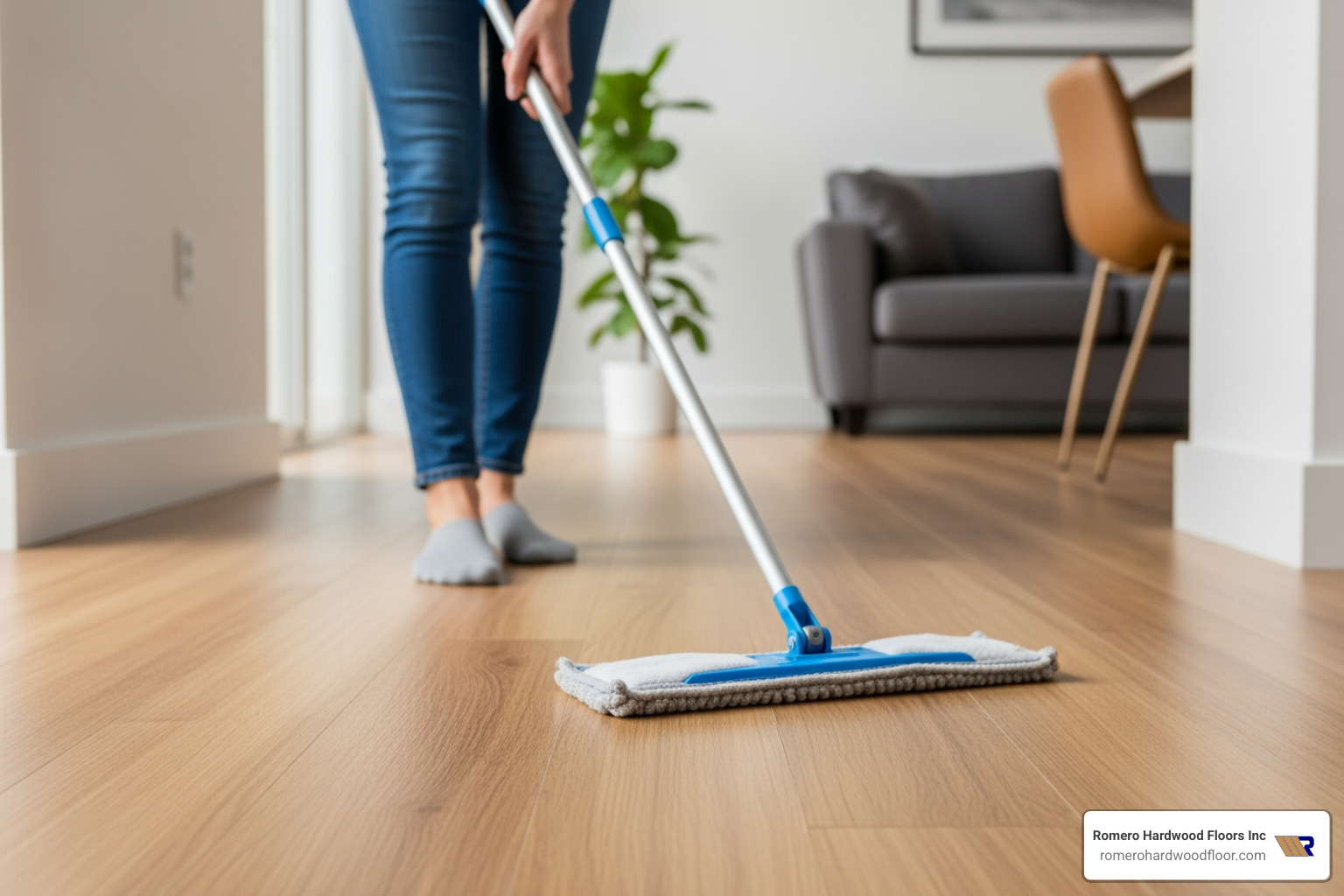
For a safe weekly clean, use a microfiber cloth or a terry cloth flooring mop. The secret is in the application. Never spray your cleaner directly onto the floor. Instead, apply the cleaner to the mop head itself until it is slightly damp. This prevents liquid from seeping into the seams between the planks, which can cause the core layers to swell or delaminate.
Use a back-and-forth motion following the grain of the wood. If you notice streaking, it’s usually because the mop cover is dirty. We suggest having at least two or three replacement covers on hand. Once one gets soiled, swap it out for a fresh one. You can find more detailed tips in this Wood Flooring Care & Maintenance Guide .
Products to Avoid: Why Ammonia and Steam are Enemies
In our decade-plus of service in the North Shore area, we’ve seen beautiful floors ruined by “old school” cleaning myths. If there is one thing you take away from this guide, let it be this: Throw away the steam mop.
Steam mops force high-temperature moisture deep into the wood fibers and the adhesive layers of engineered flooring. This can lead to buckling, peeling finishes, and permanent structural damage. Similarly, avoid the following:
- Ammonia: ammonia For deeper cleaning, aim to clean the floors weekly using a damp mop and a solution specifically designed for engineered wood. Avoid harsh chemicals likeammonia, as they can strip away the finish and dull the floor’s sheen.
- Vinegar and Lemon Juice: These are acidic and will eat away at the protective urethane coating over time.
- Oil Soaps and Waxes: These leave a sticky residue that attracts more dirt and makes the floor impossible to recoat in the future without a full sanding.
- Bleach: This will discolor the wood and damage the cellular structure.
Proactive Protection: Preventing Scratches, Dents, and Sun Damage
Prevention is the most affordable form of engineered wood flooring maintenance. At Romero Hardwood Floors Inc., we always emphasize that a few dollars spent on protection saves thousands in refinishing costs.
First, let’s talk about furniture. Every chair, table, and sofa in your home should have self-stick felt furniture pads. In places like Lynnfield and Winchester, where homes often feature heavy, high-quality furniture, these pads are non-negotiable. Check them every few months; they tend to collect grit and wear down. A dirty felt pad can be just as abrasive as a bare chair leg.
Second, use entrance mats. Place high-quality mats at every exterior door to catch moisture, salt, and dirt before it ever hits your hardwood. Just make sure they have a non-slip, non-rubber backing. Rubber or latex backings can trap moisture or cause a chemical reaction that stains the floor’s finish.
Floor Protection Essentials Checklist:
- [ ] Self-stick felt pads on all furniture legs.
- [ ] Non-rubber backed rugs in high-traffic hallways.
- [ ] “No shoes” policy (especially for high heels or cleats).
- [ ] Boot trays for snowy New England winters.
- [ ] Clean dollies with soft rubber wheels for moving appliances.
Managing Pets, Children, and Sunlight Exposure
We love our furry friends, but their claws can be brutal on engineered wood. Keeping pet nails trimmed is a vital part of your maintenance routine. If you have active dogs, consider placing area rugs in their favorite “sprint zones” to prevent skidding scratches.
For families with children in towns like Melrose or Stoneham, area rugs in play zones are a lifesaver. They provide a soft landing for dropped toys and prevent the inevitable “toy car races” from leaving permanent marks on your floor.
Sunlight is another silent factor. Hardwood is photosensitive, meaning it will change color (a process called patina) when exposed to UV rays. To prevent uneven fading, we recommend using light-filtering window coverings like blinds or drapes during the peak afternoon sun. It’s also a good idea to rotate your area rugs and furniture occasionally so the floor ages evenly. You can find More info about engineered hardwood flooring on our dedicated service page.
Climate Control and Seasonal Care for New England Homes
Living in Revere, MA, or surrounding areas like Gloucester and Manchester-by-the-Sea means dealing with dramatic seasonal shifts. Wood is “hygroscopic,” meaning it acts like a sponge, absorbing moisture when it’s humid and releasing it when the air is dry.
Engineered wood is designed to handle this better than solid wood, but it still has limits. If the air gets too dry, the planks can shrink, leading to gaps or “checking” (small cracks in the veneer). If it’s too humid, they can expand and rub against each other, causing squeaks or cupping.
| Feature | Winter Maintenance (Heating Season) | Summer Maintenance (Non-Heating) |
|---|---|---|
| Humidity Target | 35% – 55% | 35% – 55% |
| Temperature | 60°F – 80°F | 60°F – 80°F |
| Key Tool | Central or Room Humidifier | Dehumidifier or Air Conditioning |
| Main Risk | Shrinkage, Gaps, Checking | Expansion, Warping, Squeaks |
| Cleaning Focus | Salt and Slush Removal | Dust and Pollen Control |
Seasonal Engineered Wood Flooring Maintenance for Humidity Fluctuations
The “sweet spot” for your home is a relative humidity between 35% and 55%. During our cold New England winters, indoor heating systems strip the moisture out of the air. We strongly recommend using a humidifier to keep your floors stable.
In the summer, especially in coastal towns like Marblehead and Nahant, the humidity can skyrocket. Using your air conditioner or a dehumidifier will keep that moisture in check. Consistent climate control is the secret to a floor that doesn’t creak or gap. For those considering a new project, you can see More info about hardwood floor installation to understand how we prep for these conditions.
Handling Spills, Stains, and Sticky Messes
Accidents happen. Whether it’s a spilled glass of wine in Beverly or a muddy paw print in Danvers, the key is speed.
When a liquid hits your engineered floor, blot it immediately with a clean, dry white cloth. Do not rub, as rubbing can push the liquid deeper into the grain or the seams. Once the bulk of the spill is gone, use a slightly damp cloth with a pH-neutral cleaner to remove any residue, then wipe it dry.
For specific stains, you might need a bit more help:
- Food and Grease: Use a hardwood-specific cleaner. For stubborn oil-based spots, some pros suggest a tiny amount of Murphy Oil Soap Common stains like coffee, wine, or juice should be addressed with a gentle cleaning solution and a soft cloth. For oil-based stains, a specialized product like theMurphy Oil Soapcan be used. Prevent future issues by promptly wiping up spills and avoiding the use of excessive water or harsh chemical….
- Sticky Messes (Wax or Gum): Use the “ice cube trick.” Place an ice cube in a plastic bag and hold it over the sticky substance until it hardens. Then, gently pop it off with a dull plastic scraper (never use metal!).
- Pet Urine: This is acidic and can damage the finish quickly. Clean it immediately with a damp cloth and a cleaner designed for wood floors.
When to Call the Pros: Deep Cleaning and Refinishing
Even with the best engineered wood flooring maintenance, floors will eventually show their age. If your floors look dull despite cleaning, or if you see deep scratches that go through the clear coat, it might be time for professional intervention.
Engineered wood can usually be “screened and recoated.” This involves lightly abrading the top layer of finish and applying a fresh coat of urethane. It’s a great way to restore luster without a full sanding.
However, if the damage is structural or the scratches are deep, you may need a full refinishing. This depends entirely on the thickness of your wear layer (the top veneer of real wood). Most engineered floors have a wear layer between 2mm and 6mm. A 2mm layer can usually only be sanded once, while a thicker layer might handle two or three. You can find More info about floor sanding and refinishing on our website.
Average Costs for Professional Maintenance and Refinishing
While we pride ourselves on competitive pricing at Romero Hardwood Floors Inc., it helps to know the general market rates. Based on internet data, the average cost for professional hardwood floor services can vary wildly depending on the condition of the floor and the products used.
Estimated Service Costs (Per Square Foot):
- Screen and Recoat: $3.00 – $6.00
- Full Sand and Refinish: $5.00 – $12.00
- Deep Cleaning and Buffing: $2.00 – $5.00
- Repairs and Board Replacement: $10.00 – $16.00+
Note: These are average costs based on internet data and not actual costs for Romero Hardwood Floors. Prices in the Greater Boston and North Shore area may vary based on material availability and specific project requirements.
Frequently Asked Questions about Engineered Hardwood Care
Can I use a steam mop on engineered wood floors?
Absolutely not. As we’ve mentioned, the heat and moisture from steam mops can dissolve adhesives, cause the wood to swell, and ruin the finish. Stick to a damp microfiber mop and a pH-neutral cleaner.
How many times can engineered hardwood be refinished?
Most engineered floors can be refinished 1 to 2 times. This depends on the thickness of the top wood veneer (the wear layer). If the wear layer is less than 2mm, it generally cannot be sanded and refinished, only screened and recoated.
Is it safe to use vinegar and water for cleaning?
We advise against it. While vinegar is a popular “natural” cleaner, it is an acid. Over time, it will break down the chemical bonds in your floor’s urethane finish, leaving it looking dull and unprotected.
Conclusion
At Romero Hardwood Floors Inc., we believe that your floors are the foundation of your home’s beauty. Based in Revere, MA, we’ve been serving our neighbors in Winthrop, Woburn, Chelsea, and across the North Shore since 2006. We understand the local climate and the specific challenges it poses to your flooring.
Proper engineered wood flooring maintenance doesn’t have to be a chore. By keeping the grit off the surface, managing your home’s humidity, and avoiding harsh chemicals, you can keep your floors looking brand new for decades.
If your floors need a professional touch—whether it’s a deep clean, a fresh coat of finish, or a brand-new installation—we are here to help. We are known for our punctuality, guaranteed workmanship, and the care we put into every plank.
Ready to restore the luster to your home? Request an estimate today and let our family take care of yours.