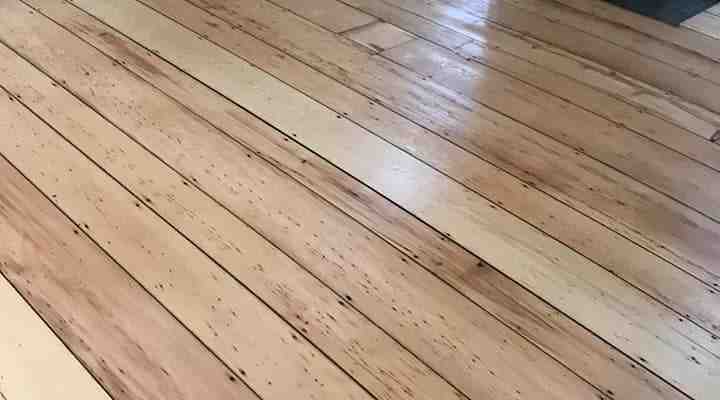
Why Light Wood Flooring is a Smart Choice for Your Space
Light wood flooring transforms interiors by reflecting natural light, creating an open and airy ambiance that makes rooms feel larger and more inviting. If you’re shopping for light wood floors, here’s what you need to know:
Top Light Wood Flooring Options:
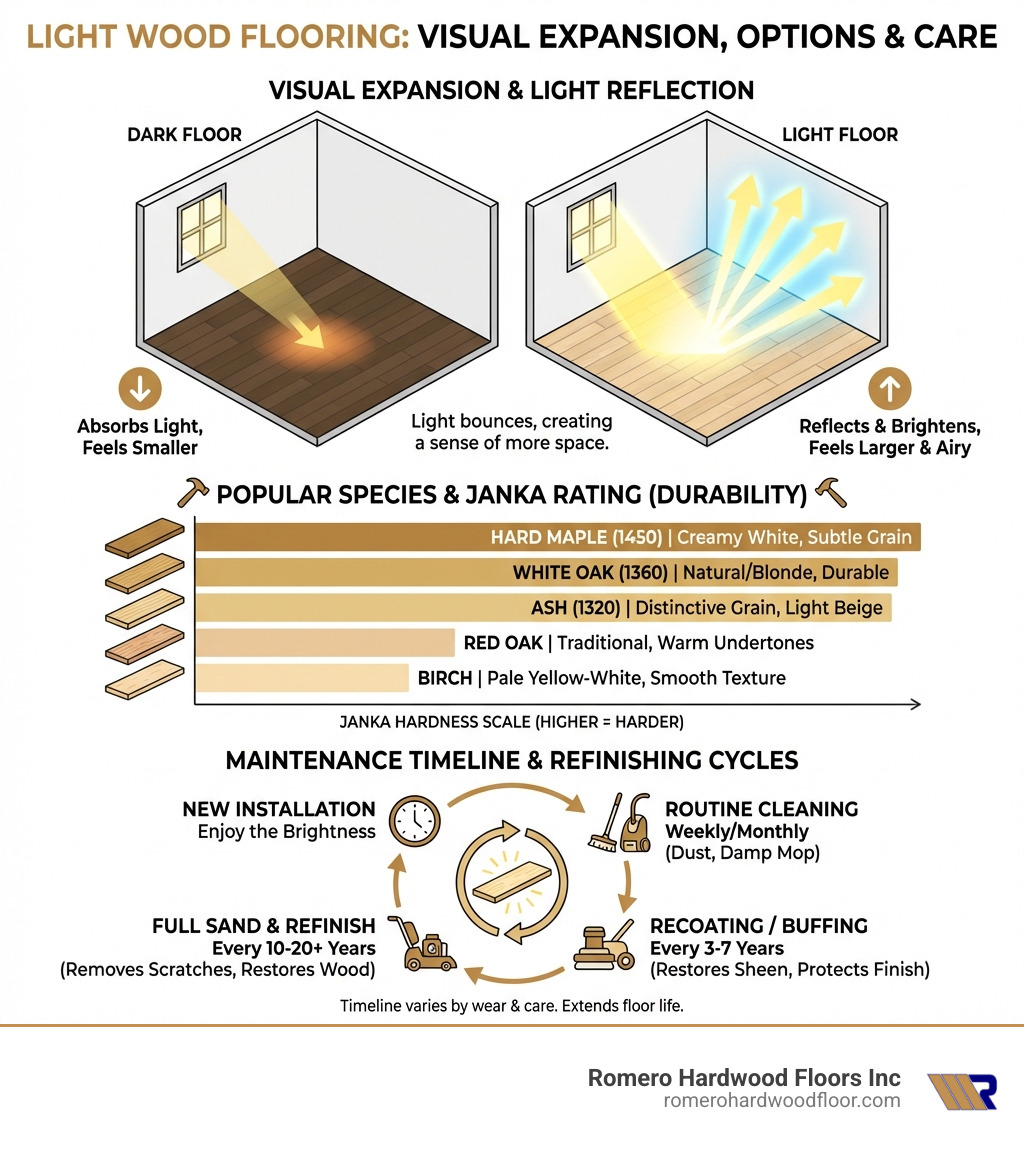
- White Oak – Most popular species, durable with 1360 Janka rating, natural/blonde tones
- Hard Maple – Extremely durable (1450 Janka), subtle grain, creamy white color
- Ash – Distinctive grain patterns, light beige tones, 1320 Janka rating
- Red Oak – Traditional choice, warm undertones, affordable at $4-$8/sq ft
- Birch – Budget-friendly, smooth texture, pale yellow-white hues
Key Benefits:
- Brightens rooms and reflects light
- Makes small spaces appear larger
- Versatile neutral canvas for any decor style
- Hides dirt and small scratches better than dark floors
- Complements modern, Scandinavian, and coastal designs
Average Costs: $4.00 to $28.00+ per square foot installed, depending on species and finish (these are average market costs, not Romero Hardwood Floors pricing)
Light wood floors offer more than just aesthetics. They serve as a neutral foundation that gives you flexibility with furniture and decor choices. Whether you’re drawn to contemporary minimalism or warm farmhouse charm, light tones adapt to your vision.
The practical advantages are equally compelling. Light-colored floors bounce natural light around your space, making basements, hallways, and rooms with limited windows feel brighter and more welcoming. They cleverly hide everyday dust and debris, making them surprisingly low-maintenance for busy households.
However, light wood flooring isn’t without considerations. These floors can fade faster than darker options when exposed to direct sunlight. Pairing light floors with light walls may create a washed-out effect unless you add darker furniture or textured accents for contrast.
As Francisco Romero, owner of Romero Hardwood Floors Inc., I’ve installed hundreds of light wood flooring projects across Revere, MA since 2006, helping homeowners and property managers achieve that bright, open aesthetic they envision. My team specializes in both solid and engineered light wood flooring installations, ensuring every plank is laid with precision for lasting beauty.
Common Light wood flooring vocab:
The Primary Advantages of Light Wood Flooring
When we talk to clients from Beverly to Swampscott, the first thing they notice about light wood flooring is how it instantly lifts the mood of a home. It isn’t just about color; it’s about the way the material interacts with the environment.
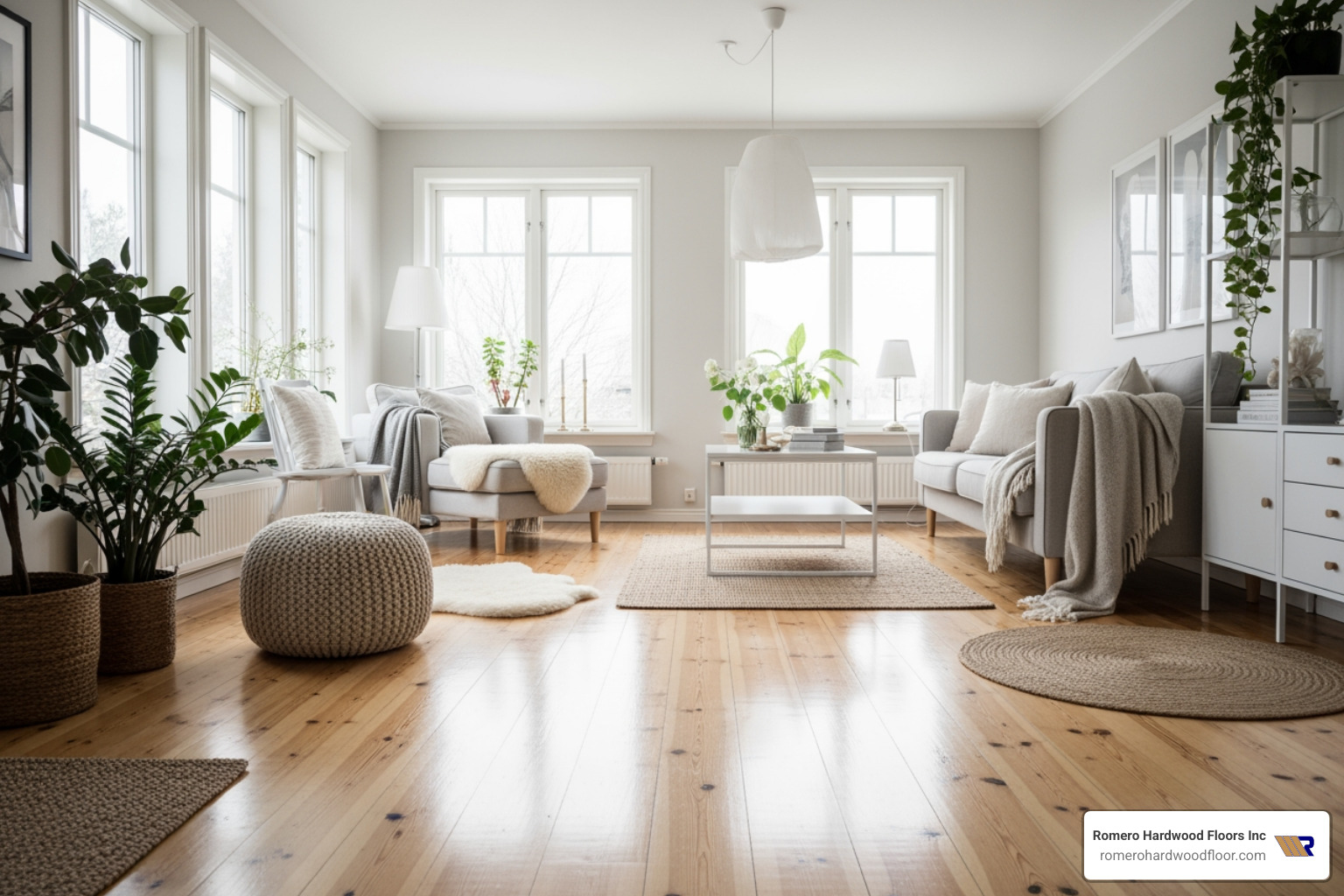
One of the most significant perks is visual expansion. Light colors are famous for their ability to make a room feel larger than its actual square footage. Because light-colored floors reflect both natural sunlight and artificial light, they eliminate dark corners and create a sense of boundless space. This makes them a perfect match for open-concept living areas where you want a seamless flow from the kitchen to the living room.
Furthermore, light wood acts as a neutral canvas. If you’re someone who loves to change up your interior design every few years, light tones are your best friend. They don’t lock you into a specific color palette the way a deep cherry or dark walnut might. Instead, they provide a sturdy, understated foundation for your design aspirations. For more on why hardwood is a top-tier choice, check out our Hardwood Flooring Advantages Guide.
Comparing Light vs. Dark Ambiance
Choosing between light and dark is often the biggest hurdle for our customers in Salem or Marblehead. Dark wood floors exude a certain “old-world” sophistication and can ground a very large, high-ceilinged room. However, they can also make a medium-sized room feel “stuffy” or confined if not balanced correctly.
In contrast, light wood flooring offers a relaxed, friendly feel. It prioritizes comfort and “easy living.” While dark floors show every speck of white pet hair and dust, light floors are much more forgiving. If you’re going for that Modern Farmhouse Interior Inspiration, light floors provide that crisp, clean look that pairs beautifully with white cabinetry and black hardware.
Versatility Across Design Styles
Light wood flooring is the chameleon of the flooring world. It fits perfectly into several trending styles:
- Scandinavian: Think pale ash or maple paired with minimalist furniture and functional layouts.
- Coastal: Light oak or birch floors mimic the look of driftwood, perfect for homes near the water in Gloucester or Rockport.
- Modern Farmhouse: Combining the warmth of real wood with a lighter touch to keep the home feeling fresh and contemporary.
- Minimalist: Using wide planks with a matte finish to create a serene, uncluttered environment.
For those who appreciate the classics but want a modern twist, exploring Classic Wood Floor Designs can show you how traditional patterns like herringbone look stunning in lighter shades.
Choosing Your Material: Species, Finishes, and Costs
Not all light woods are created equal. The “hardness” of the wood—measured by the Janka scale—determines how well your floor will stand up to the pitter-patter of paws or the occasional dropped kitchen utensil.
| Wood Species | Janka Hardness Rating | Grain Pattern | Common Tones |
|---|---|---|---|
| Hickory | 1820 | Dramatic / Busy | Tan to Pale Cream |
| Hard Maple | 1450 | Subtle / Uniform | Creamy White |
| White Oak | 1360 | Linear / Neat | Wheat to Light Brown |
| Ash | 1320 | Bold / Pronounced | Light Beige |
| Red Oak | 1290 | Traditional / Porous | Warm Amber / Pinkish |
Choosing the right species is crucial for longevity. We often recommend White Oak for its perfect balance of beauty and durability. You can dive deeper into this in our guide on the Best Wood for Floors.
Popular Wood Species for Light Wood Flooring
If you’re looking for something specific, here are the heavy hitters in the light wood category:
- White Oak: This is currently the “gold standard.” It has a cooler undertone than Red Oak and takes stains beautifully, especially “Nordic” or “White Wash” finishes.
- Birch & Pine: These are often more budget-friendly. Birch offers a very smooth texture, while Pine provides a rustic, knotty look that’s great for a “shabby-chic” vibe.
- Natural Finishes: Many homeowners are moving away from heavy stains and opting for a “clear coat” that showcases the wood’s natural beauty.
- Texture Matters: A wire-brushed texture is excellent for light floors because it adds a tactile element that helps hide future scratches.
To see how different widths can change the look, visit our Wide Plank Wood Flooring Guide.
Estimating Your Project Budget
Budgeting for a new floor involves more than just the price of the wood. You have to consider the grade of the material (Select vs. Common), the complexity of the installation, and local labor rates here in Massachusetts.
Based on general internet data, the average cost for light wood flooring installation ranges from $4.00 to $28.00+ per square foot.
- Low End ($4 – $7): Typically includes budget-friendly species like Pine or lower-grade Birch, often in narrower planks.
- Mid-Range ($8 – $15): High-quality White Oak, Hard Maple, or engineered options with a thick wear layer.
- High End ($16 – $28+): Custom wide planks, rare species like Rift Sawn White Oak, or complex patterns like chevron and herringbone.
Note: These are average costs based on internet data and not actual costs for Romero Hardwood Floors. For a precise quote custom to your home in Lynnfield or Peabody, use our Hardwood Flooring Cost Calculator.
Maintenance and Potential Drawbacks
While we love light wood flooring, we always want our clients to have the full picture. No flooring is 100% indestructible, and light colors have their own unique set of quirks.
According to the National Association of Realtors Remodeling Impact Report, installing hardwood floors can offer a massive return on investment (often over 100%). However, that value only stays high if the floors are maintained.
One drawback is fading. Light wood, especially natural finishes, can change color when exposed to heavy UV rays. If you have a sun-drenched living room in Manchester by the Sea, you might notice the wood “ambering” or lightening over time. Additionally, while light wood hides dust perfectly, it can sometimes make dark-colored spills (like red wine or mud) stand out more if not cleaned immediately.
Maintenance Tips for Light Wood Flooring
To keep your floors looking like they were just installed yesterday, follow these simple steps:
- Daily Sweeping: Use a soft-bristle broom or a vacuum specifically designed for hard floors.
- Protective Pads: Put felt pads under all furniture legs. This is non-negotiable!
- The Right Cleaner: Avoid harsh chemicals or steam mops. Use a pH-neutral cleaner recommended by your installer.
- Refinishing: One of the best parts of real wood is that it can be brought back to life. If your floors start looking tired after 10-15 years, our Hardwood Floor Refinishing Services can make them look brand new again.
Considerations for High-Traffic Areas
If you live in a busy household in Somerville or Medford with kids and big dogs, Janka ratings are your best friend. Choosing a harder wood like Hickory or Maple will prevent the “distressed” look from becoming “damaged” look.
We also recommend finishes with aluminum oxide. This is a hard-wearing additive in the topcoat that provides advanced scratch and abrasion protection. For those looking for the healthiest options for their family, we offer Eco-Friendly Hardwood Flooring that uses low-VOC finishes without sacrificing durability.
Styling and Room Suitability
A common fear with light wood flooring is that the room will look “washed out.” If you have light floors, light walls, and light furniture, you might feel like you’re living inside a cloud—which sounds cool, but usually lacks visual interest.
The key is contrast and layering.
- Furniture Contrast: If your floors are pale oak, try a navy blue sofa or dark wood dining table to “ground” the room.
- Texture Layering: Use area rugs with different textures (like jute or wool) to break up the expanse of wood.
- Hardware: Black or bronze hardware on cabinets and doors provides a sharp, modern contrast against light wood.
For more inspiration on how to put it all together, check out our Hardwood Floors Design Ideas.
Best Rooms for Light Tones
While you can put light wood anywhere, it shines brightest in these areas:
- Basements: Since basements often lack natural light, light flooring is a game-changer for making the space feel habitable.
- Small Bedrooms: It creates an illusion of airiness that makes a cramped room feel like a suite.
- Kitchens: Light floors paired with dark islands are a massive trend right now in Saugus and Wakefield.
- Hallways: These narrow passages often feel like tunnels; light wood opens them right up.
See how we handle unique spaces with our Custom Hardwood Floor Designs.
Balancing Decor and Cabinetry
When we install floors in Chelsea or East Boston, we often have to coordinate with existing kitchen cabinets. If you have light oak cabinets and want light oak floors, we usually suggest going a few shades different or choosing a wood with a different grain pattern to avoid a “clashing” look. Bold accents—like a colorful backsplash or dark light fixtures—can help bridge the gap. Our New Hardwood Floors Complete Guide covers these design dilemmas in depth.
Frequently Asked Questions about Light Wood Floors
Do light wood floors make a room look bigger?
Absolutely. By reflecting more light and reducing the visual “weight” of the floor, light tones create a sense of expansion. This is especially true if you use wide planks, which reduce the number of seam lines and make the floor look more like a single, continuous surface.
Are light wood floors harder to keep clean than dark floors?
Actually, they are often easier. Dark floors act like a mirror for dust, pet dander, and footprints. Light wood floors, particularly those with a bit of natural grain (like Oak or Ash), are excellent at concealing small imperfections and daily debris. You’ll likely find yourself sweeping less often than your neighbor with the ebony-stained floors!
Which light wood species is the most durable?
In the light wood category, Hickory is the champion of durability with a Janka rating of 1820. Hard Maple follows closely at 1450. Both are fantastic choices for high-traffic areas where you want to avoid dents and scratches.
Conclusion
Choosing the right light wood flooring is a journey that balances your personal style with the practical needs of your home. Whether you’re in the heart of Boston or the quiet streets of Winchester, light wood offers a timeless, airy elegance that few other materials can match.
At Romero Hardwood Floors Inc, we are proud to serve the North Shore and Greater Boston area. From the initial estimate to the final coat of finish, we bring nearly two decades of expertise to every project. We understand the local climate, the local architecture, and—most importantly—the needs of our local neighbors.
Ready to brighten up your home? Whether you’re in Beverly, Danvers, or Woburn, our team is ready to help you find and install the floor of your dreams.