
Flooring Contractors: Top 10 Trusted Tips 2024
Flooring contractors play a crucial role in turning a house into a home or making a commercial space inviting and functional. When choosing flooring contractors, consider these quick tips to ensure you hire the right team:
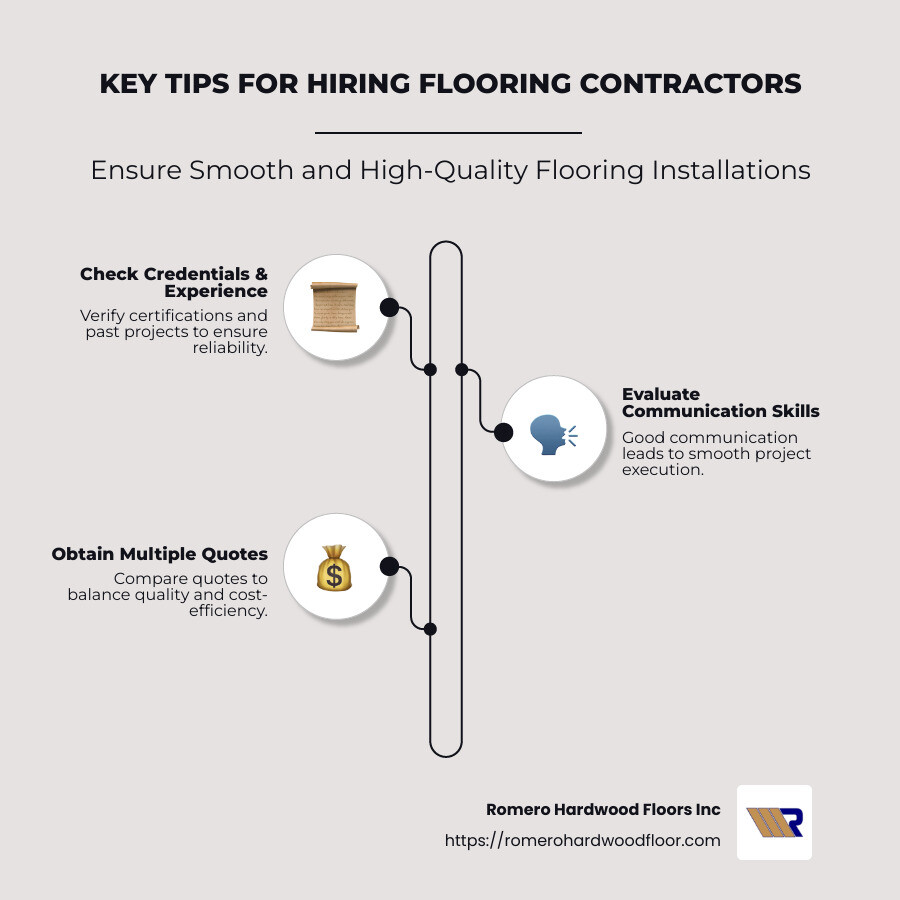
- Check credentials and experience: Look for contractors with a solid track record and verified certifications.
- Evaluate communication skills: Clear communication ensures smooth project execution.
- Seek quality and reliability: Ensure they use top-notch materials and guarantee their work.
- Obtain multiple quotes: Compare to get the best mix of quality and cost-efficiency.
Choosing the right flooring contractor can make a significant difference in the durability and aesthetics of your space. From installing neat hardwood to cozy carpets, professional installation is key to achieving a seamless look and long-lasting results. A good contractor will not only beautify your floors but also increase the value of your property by ensuring high-quality work.
I’m Francisco Romero, owner of Romero Hardwood Floors Inc., with over 15 years of experience in changing spaces through exceptional flooring installation. Let me guide you in understanding what to look for when hiring flooring contractors, ensuring your project turns out beautiful and cost-effective.
Important flooring contractors terms:
– flooring install
– vinyl plank flooring installers
– wood floors near me
Understanding Flooring Installation Costs
When planning a flooring project, understanding the costs involved is crucial. Knowing the average costs, factors affecting pricing, and how to get accurate quotes can help you budget effectively.
Factors Affecting Flooring Installation Costs
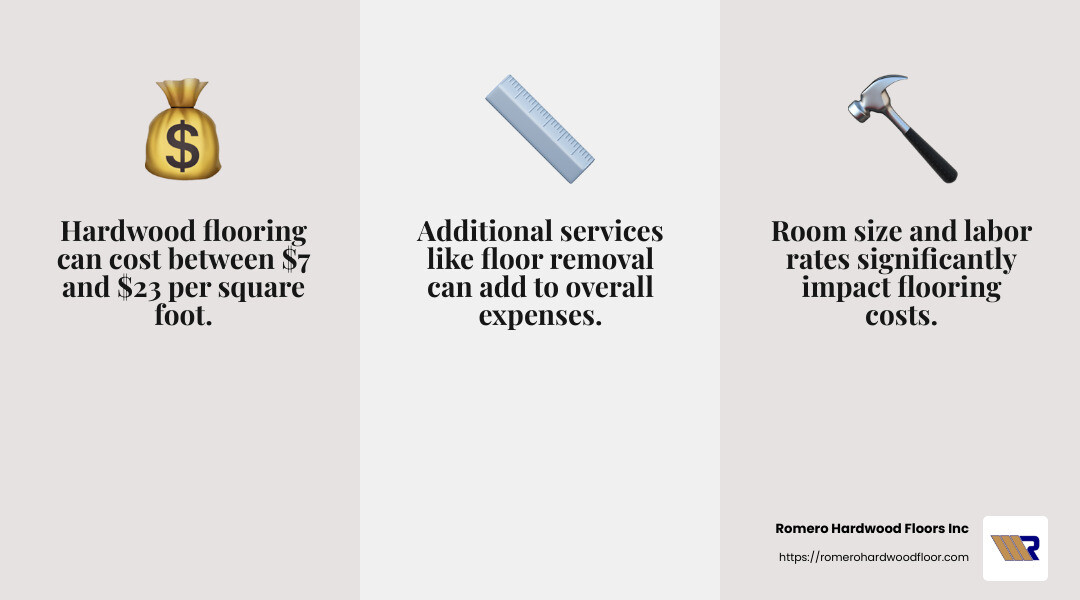
Material Type: The type of flooring you choose significantly affects the cost. Hardwood is often the most expensive, ranging from $7 to $23 per square foot. Vinyl, on the other hand, is a more budget-friendly option, costing between $3 and $7 per square foot. Laminate and carpet are also cost-effective choices, typically ranging from $3 to $10 and $3.50 to $11 per square foot, respectively.
Room Size: Larger spaces require more materials and labor, which can increase costs. However, some contractors may offer a lower rate per square foot for larger projects.
Labor Rates: Labor costs vary by location and the contractor’s expertise. It’s essential to hire professionals who are skilled and experienced to ensure quality installation.
Additional Services: Services like old flooring removal, furniture moving, or subfloor preparation can add to the overall cost. Be sure to discuss these with your contractor beforehand.
How to Get Accurate Quotes
Getting a detailed estimate is key to avoiding surprises. Here’s what to consider:
- Preparation Costs: This includes any work needed to prepare the site for new flooring, such as leveling the subfloor or removing old materials.
- Logistical Overheads: Consider costs related to transporting materials and equipment to your location.
- Paperwork Costs: Don’t forget any permits or paperwork required for the installation process.
To get an accurate quote, provide contractors with detailed information about your project. This includes the type of flooring, room dimensions, and any additional services you need. Obtain multiple quotes to compare costs and services, ensuring you choose the best option for your budget.
By understanding these aspects, you can make informed decisions and ensure your flooring project stays within budget while achieving the desired outcome.
Qualities of a Good Flooring Contractor
When choosing flooring contractors, several important qualities can help ensure you hire the right professional for your project. Let’s explore what makes a contractor stand out.
Checking Credentials and Reviews
Experience and Certifications: A seasoned contractor brings invaluable expertise to your project. Look for certifications from recognized industry bodies, which demonstrate a commitment to quality and continuous learning.
Licenses and Insurance: Ensure the contractor holds the necessary licenses and insurance. This protects you legally and financially in case of accidents or damage during the installation. Most states require flooring contractors to have these credentials.
Customer Testimonials and Online Reviews: Genuine feedback from past clients offers insight into the contractor’s reliability and workmanship. Check platforms like Google Reviews for honest opinions. A pattern of positive reviews is a good indicator of consistent quality.
Importance of Clear Communication
Setting Expectations: A good contractor communicates clearly about what to expect. This includes discussing materials, timelines, and the scope of work. Such transparency helps avoid misunderstandings and ensures everyone is on the same page.
Project Timelines: Reliable contractors provide detailed timelines for the project. They should inform you about the start date, key milestones, and expected completion date. Timeliness is crucial for a smooth project flow.
Cost Transparency: Cost clarity is essential. Your contractor should provide a detailed breakdown of expenses, covering materials, labor, and any additional services. This helps you budget accurately and eliminates unexpected costs.
Punctuality
A contractor’s punctuality reflects their professionalism. Consistently meeting deadlines and showing up on time for appointments demonstrates respect for your time and commitment to the project.
By focusing on these qualities—experience, credentials, clear communication, and punctuality—you can ensure you hire a flooring contractor who will deliver high-quality results and a seamless installation process.
Types of Flooring and Their Suitability
Choosing the right flooring for your home involves considering both the room’s function and your lifestyle needs. Let’s explore some popular flooring types and where they work best.
Best Flooring for Different Rooms
Hardwood: Known for its timeless elegance, hardwood is a favorite for living areas and bedrooms. It adds warmth and can increase your home’s value. However, it’s not ideal for moisture-prone areas like kitchens or bathrooms due to its susceptibility to water damage.
Laminate: This is a budget-friendly alternative to hardwood. It’s durable and comes in various designs, making it suitable for high-traffic areas like living rooms. Yet, like hardwood, laminate isn’t the best choice for areas with high moisture.
Vinyl: Vinyl flooring is versatile and water-resistant, making it perfect for kitchens and bathrooms. It mimics the look of wood or tile but is softer underfoot, providing comfort and durability in high-traffic areas.
Tile: Ideal for kitchens and bathrooms, tile is waterproof and easy to clean. Its durability and variety of styles make it a popular choice for these spaces. However, it can be cold and hard, so consider adding rugs for comfort.
Carpet: Best suited for bedrooms and living areas, carpet offers warmth and comfort. It comes in many colors and styles, providing a cozy atmosphere. However, it requires regular maintenance and isn’t recommended for damp areas.
Flooring Options for Pet Owners
When you have pets, choosing the right flooring becomes even more important. You need materials that can withstand scratches, spills, and general wear and tear.
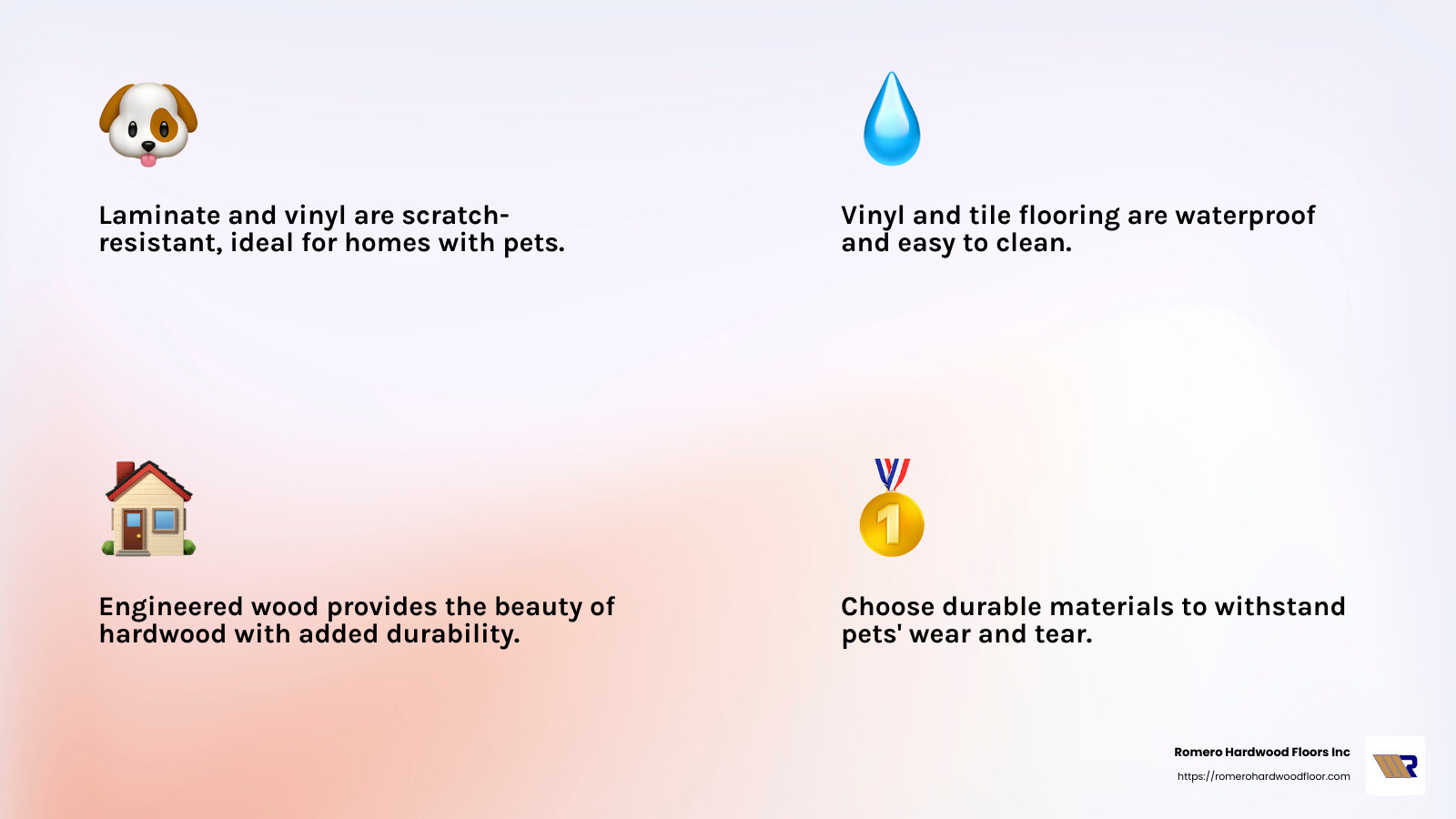
- Scratch-Resistant: Laminate and vinyl are excellent choices. They’re durable and can handle the occasional pet mishap without showing damage.
- Waterproof: Vinyl and tile are top picks for pet owners. They resist water and stains, making cleanup a breeze.
- Durable Materials: Hardwood, while beautiful, might not be the best option for homes with pets due to scratches. Opt for engineered wood or high-quality laminate that offers a similar look with added durability.
By selecting the right flooring for each room and considering pet-friendly options, you can ensure your floors remain beautiful and functional for years to come.
Steps to Hire the Right Flooring Contractor
Hiring the right flooring contractor is key to ensuring your flooring project goes smoothly and meets your expectations. Here’s a simple guide to help you through the process.
Research
Start by doing some homework. Look for contractors who specialize in the type of flooring you want. Check their websites, portfolios, and reviews online. Sites like Google Reviews or the Better Business Bureau can offer insights into their reputation.
Get Multiple Quotes
Don’t settle for the first quote you receive. Contact several contractors to compare prices and services. This will give you a good idea of the market rate and help you avoid overpriced services.
Ask Questions
When speaking with potential contractors, ask about their experience and previous projects. Here are some questions to consider:
- How long have you been installing floors?
- Can you provide references or examples of past work?
- What warranties do you offer on your work?
- What is your installation process like?
Verify Credentials
Check if the contractor has the necessary licenses and insurance. This protects you legally and financially. Look for certifications from recognized industry bodies, which indicate a level of professionalism and expertise. According to Romero Hardwood Floors, checking credentials is crucial to ensuring quality and reliability.
Red Flags to Watch Out For
Be cautious of contractors who:
- Lack Credentials: If they can’t provide proof of insurance or a valid license, it’s a big red flag.
- Offer Vague Estimates: Detailed, written estimates help avoid surprises later. If a contractor is reluctant to provide one, consider it a warning sign.
- Exhibit Poor Communication: If they’re hard to reach or don’t return calls, think twice about hiring them. Good communication is key to a successful project.
- Have Negative Reviews: Consistently poor reviews or unresolved complaints can indicate a pattern of issues. Check multiple sources to get a balanced view.
By following these steps, you can find a flooring contractor who is professional, reliable, and a good fit for your project. Leading into the next section, we’ll dive deeper into frequently asked questions about flooring contractors to help you make an informed decision.
Frequently Asked Questions about Flooring Contractors
How much do most contractors charge to lay flooring?
The cost to lay flooring can vary widely based on several factors. On average, flooring contractors charge between $3 and $11 per square foot for installation. This range includes both material and labor costs.
- Material Costs: The type of flooring you choose greatly affects the price. For example, vinyl flooring can cost between $1.50 and $6 per square foot, while hardwood may range from $5 to $10 per square foot.
- Labor Costs: Labor costs depend on the complexity of the installation and the contractor’s expertise. It’s important to get a detailed quote that separates labor from material costs to understand what you’re paying for.
- National Average: The national average cost for installing new flooring in a typical room is around $2,100, but this can vary based on location and specific project details.
How do I quote a flooring job?
Quoting a flooring job involves several key steps to ensure accuracy and fairness:
- Measure the Area: Calculate the total square footage of the space that needs flooring. Accurate measurements are crucial for a precise quote.
- Choose Materials: Decide on the type of flooring material. Each has a different cost, with options like laminate, luxury vinyl, and carpet tiles offering various price points.
- Calculate Material Costs: Multiply the total square footage by the cost per square foot of the chosen material.
- Estimate Labor Costs: Add labor costs based on the complexity of the job and the contractor’s rates. Labor can vary significantly, so getting multiple quotes is wise.
- Include Business Overheads: Factor in any additional costs such as delivery fees, preparation costs like subfloor leveling, and disposal of old flooring.
- Detailed Estimate: Provide a detailed written estimate to the client, breaking down each cost component. Transparency helps build trust and avoids misunderstandings.
What’s cheaper for flooring?
When it comes to cost-effective flooring options, several materials stand out:
- Vinyl Sheet: This is often the most affordable option, offering a price range from $1 to $3 per square foot. It’s durable and water-resistant, making it suitable for kitchens and bathrooms.
- Laminate: Known for its cost-effectiveness and ease of installation, laminate flooring typically costs between $3 and $7 per square foot, including installation.
- Carpet Tiles: These offer a budget-friendly option for areas where comfort is desired, with prices ranging from $2 to $5 per square foot.
The choice of flooring should consider not just initial costs but also durability and maintenance needs. For example, while laminate and vinyl are affordable, they also offer good durability and are easy to maintain, making them great long-term investments.
In the next section, we will explore these flooring types in more detail, helping you understand which might be the best fit for different rooms in your home.
Conclusion
In choosing the best flooring contractors, it’s crucial to consider several key factors. We discussed the importance of evaluating credentials, seeking detailed quotes, and ensuring clear communication. These steps help you make informed decisions, ensuring that your flooring project is successful and stress-free.
Hiring a professional contractor offers numerous benefits. They bring expertise, reliability, and quality assurance to your project. Professionals like those at Romero Hardwood Floors Inc ensure that every installation improves the beauty and value of your home. Their commitment to punctuality, competitive pricing, and guaranteed workmanship sets them apart in the industry.
The right contractor not only installs floors but also brings your vision to life, creating a space that reflects your style and meets your needs. Make your flooring journey smooth and rewarding by choosing experienced professionals like Romero Hardwood Floors Inc.
