
Hardwood floor wax remover: Perfect & Safe 2025 Guide
Why Hardwood Floor Wax Buildup Demands Attention
Hardwood floor wax remover is essential when your once-beautiful floors turn dull, cloudy, or sticky from layers of accumulated wax. If you’re looking for the right product to restore your hardwood, here’s what you need to know:
Top Hardwood Floor Wax Remover Options:
- Mineral Spirits – Recommended by the National Wood Flooring Association as the safest, most effective solvent-based option.
- Specialized Hardwood Floor Wax Strippers – Products specifically formulated for wood floors (avoid general-purpose strippers).
What to Avoid:
- Acetone and lacquer thinner (too harsh, can damage finish)
- DIY water-based mixes with vinegar or ammonia (risk of water damage)
- Steam cleaners (soften wax, making removal harder)
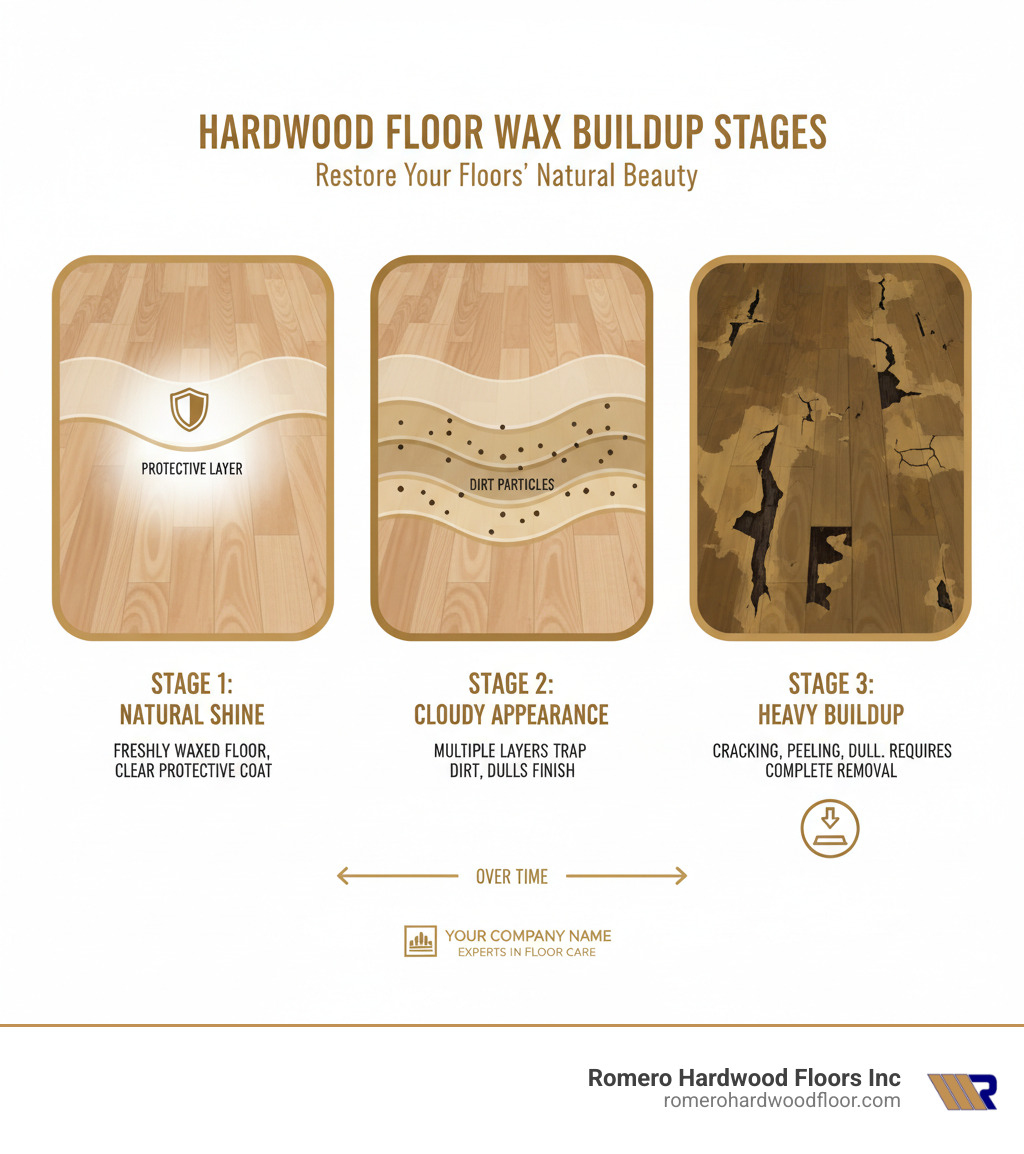
Over time, layers of wax trap dirt, making floors hard to clean. This buildup can crack, peel, or create a cloudy film that dulls your hardwood’s beauty and can even become a slippery safety hazard. The good news? With the right hardwood floor wax remover and proper technique, you can restore your floors to their original shine.
As one forum user described it: “I loved the way my wood floors looked using floor restorer but now over time the floors have wax buildup and it’s showing scratches.” This is a common, solvable problem.
I’m Francisco Romero, owner of Romero Hardwood Floors Inc. With over 15 years of experience in the Revere, MA area, I’ve helped many clients select the right hardwood floor wax remover and safely restore their floors without causing damage.
First, Confirm It’s Wax: How to Identify Buildup
Before buying a hardwood floor wax remover, you must confirm you’re dealing with wax buildup. Using a wax remover on a modern polyurethane finish can strip the protective coating and damage the wood—a costly mistake. Fortunately, a few simple tests using household items can help you identify your floor’s finish.
The Mineral Spirits Test
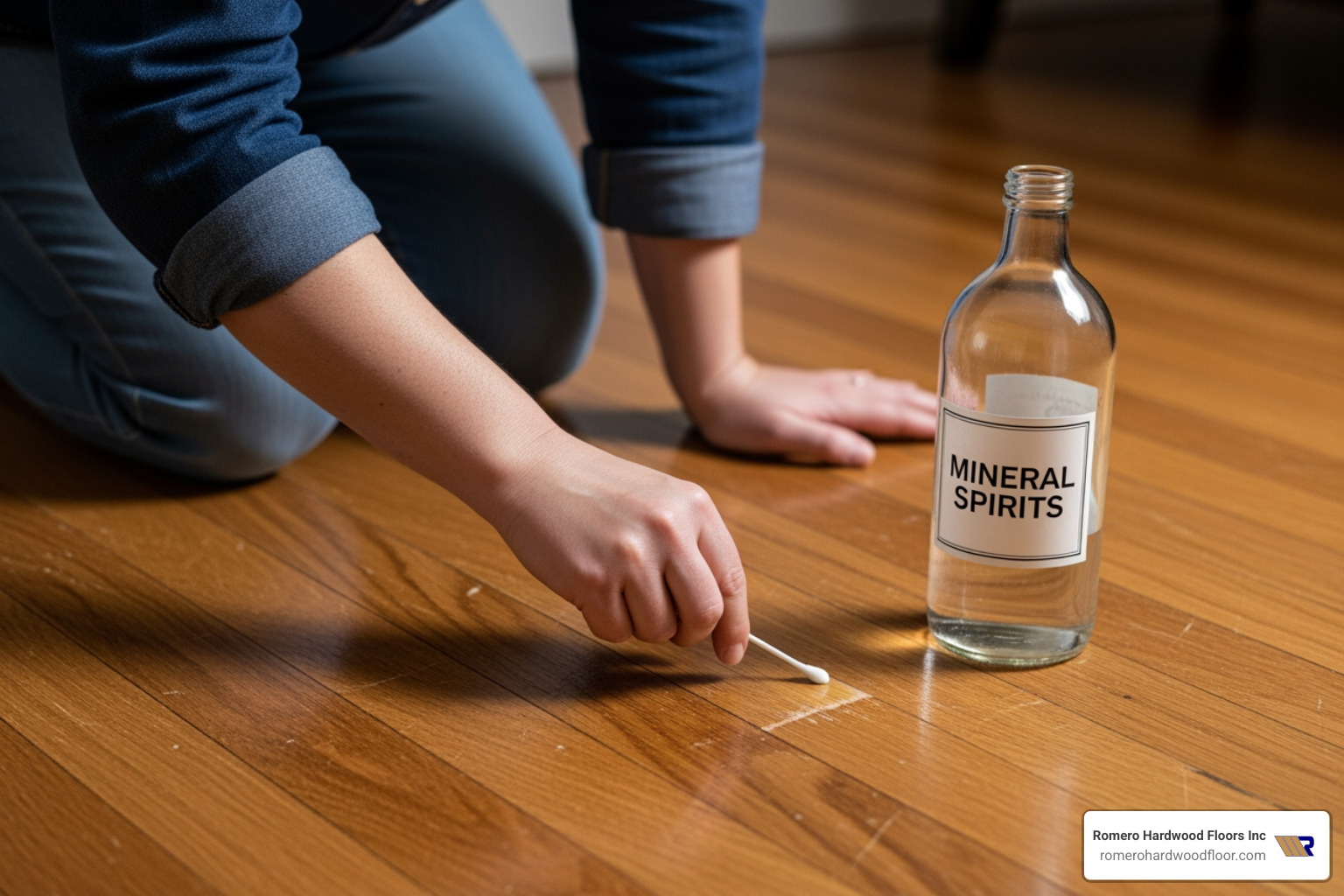
This is my go-to test, recommended by The National Wood Flooring Association’s guide. Find a hidden spot on your floor, like under a rug or in a closet. Dampen a clean white cotton rag with a small amount of mineral spirits and rub it gently on the test area.
If you see a yellow or brown residue on the cloth, you have wax. This positive wax indicator means you’re on the right track looking for a hardwood floor wax remover. If the rag stays clean, your floor likely has a modern polyurethane finish, which requires a different restoration approach.
The Water Drop Test
This test is even simpler. Place a few drops of water on an inconspicuous area of your floor and wait a few minutes. If the droplets bead up, you likely have a protective coating, possibly wax. If the water soaks in and leaves white spots, that’s another sign of wax, indicating it may be old or breaking down.
A word of caution: don’t leave water sitting on hardwood floors for long. Wood and water are not friends, and prolonged exposure can cause damage. Check your test spot after a few minutes, then wipe it dry.
The Light Sanding Test
This test provides a definitive answer but requires a gentle touch. In another hidden area, lightly rub a piece of fine-grit sandpaper (around 220-grit). If you see a gummy or clumped residue that feels soft, that’s wax.
If you get fine, powdery dust instead, your floor has a polyurethane or similar sealant. This distinction is critical, as using a wax remover on polyurethane could strip the finish and leave your wood vulnerable.
These quick tests can save you hours of frustration and prevent costly repairs from misidentifying your floor’s finish.
Choosing the Right Hardwood Floor Wax Remover
You’ve confirmed it’s wax—now for the crucial step: choosing the right hardwood floor wax remover. The wrong product can cause more damage, while the right one will restore your floors beautifully. Wax removers fall into two main categories: solvent-based and water-based. For hardwood, one is clearly superior.

What to Look for in a Hardwood Floor Wax Remover
Not all removers are created equal. Here’s how to choose wisely.
Mineral spirits should be your first choice. The National Wood Flooring Association endorses it as one of the safest and most effective options for hardwood. It dissolves wax without harming the wood, but be sure not to let it soak into the floor.
When considering commercial products, look for effective ingredients formulated for wood. Some are well-regarded for working without noxious fumes and contain chemicals designed to dissolve wax, old finishes, and even some modern polymer coatings.
Prioritize your health by choosing low-toxicity options. Products advertised as “no noxious fumes” or “low-VOC” make the job safer and more pleasant. If available, check the Safety Data Sheet to know what you’re working with.
Now, what to avoid. Steer clear of products containing ammonia, which is harsh and has strong fumes. Even worse are aggressive solvents like acetone and lacquer thinner. These can permanently damage your floor’s finish and are too risky for DIY projects. You can find more guidance on this from The National Wood Flooring Association’s guide.
The Dangers of Water-Based Solutions and DIY Mixes
While homemade solutions seem appealing, water-based removers are a bad idea for hardwood floors. Hardwood and excess moisture don’t mix. Water-based solutions can cause permanent damage like cupping, crowning, and wood stains. The NWFA advises against them for this reason.
Ineffective DIY recipes using vinegar, ammonia, or soap are rarely strong enough for wax and introduce too much moisture. Vinegar’s acidity can also dull or etch your floor’s finish over time.
Be wary of “restorer” or “polish” products. They provide a temporary shine but quickly lead to buildup. Professionals often see these products ruin hardwood floors by creating a soft finish that traps dirt and shows every scratch. Removing this buildup can be difficult and may require a specific stripper from the manufacturer. If you’re dealing with severe buildup from these products, professional help might be necessary. A full restoration is sometimes the only solution. You can learn more about your options on our floor restoration page.
The bottom line is to stick with solvent-based removers designed for hardwood floors. Your floors will thank you.
Your Step-by-Step Guide to Removing Floor Wax
Now that you’ve identified the wax and chosen your hardwood floor wax remover, it’s time to get to work. This process requires patience, but the results are well worth it. We’ll guide you through each stage to ensure you safely restore your floor’s natural beauty.

Step 1: Prepare the Area
Proper preparation is the foundation for success. First, clear all furniture and rugs from the room. Use painter’s tape and plastic sheeting to protect baseboards and walls from splashes. Sweep and vacuum thoroughly to remove all loose dirt and debris. This helps the remover work directly on the wax.
Safety is paramount. Ensure proper ventilation by opening windows and using fans to create a cross-breeze, especially when using solvent-based removers. Finally, put on your safety gear: chemical-resistant gloves, safety goggles, and a respirator if you’re sensitive to fumes.
Step 2: Apply Your Hardwood Floor Wax Remover
With your gear on, it’s time to apply the remover. The golden rule is to work in small, manageable sections (e.g., 3×3 or 4×4 feet) to prevent the product from drying out. Apply the remover with a soft cloth or mop, following the manufacturer’s instructions for dilution and application.
Avoid oversaturation. Use just enough product to dissolve the wax without creating puddles that could damage the wood. Once applied, let it sit for the recommended dwell time. This allows the chemicals to penetrate and break down the wax. Patience here is key.
Step 3: Strip and Clean the Wax
This is where the elbow grease comes in. After the dwell time, gently scrub the section with a soft cloth, a synthetic scrubbing pad, or a medium bristle brush. Never use steel wool, as it will scratch the floor. You should see the wax begin to lift and dissolve.
Next, remove the dissolved wax using clean, dry cloths. Change cloths frequently to avoid spreading the waxy residue. If the instructions permit, you can do a minimal clean water rinse with a cloth that is only lightly damp. For larger jobs, a wet vacuum is a great tool for efficiently removing the liquid without leaving excess moisture.
For more detailed guidance, check out our guide on the Best way to strip hardwood floors.
Step 4: Dry, Inspect, and Repeat
You’re almost done. First, thoroughly dry the area with clean cloths or a fan. Once dry, inspect your work closely under good light. Look for any cloudy spots or sticky patches. If you still feel or see wax, don’t worry. Heavy buildup may require a second or third pass. Simply repeat the process on those stubborn areas.
Finally, check for any damage like scratches or discoloration. If you tested first and used the right products, your floor should look refreshed and ready for its next step.
After the Wax: Maintenance and Modern Alternatives
With the old wax gone, your hardwood floors are refreshed. Before moving furniture back, inspect them for any scratches, discoloration, or finish damage from the removal process. Now is the perfect time to decide on your floor’s future care and finish.
Post-Removal Care and Refinishing
Now that your floors are a clean slate, you have a few options. You can buff the floor to smooth the surface and prepare it for a new, thin coat of traditional wax. Our Hardwood floor buffing ultimate guide has everything you need to know.
If you choose to apply new wax, a thin coat is all you need to achieve a beautiful shine without starting the buildup cycle all over again.
Alternatively, this is a great opportunity to upgrade to a new finish. Modern sealants like polyurethane offer superior protection and are much easier to maintain than wax. If you’re considering this, our guide on Hardwood floor varnishing provides detailed information.
Alternatives to Traditional Waxing
While traditional wax offers a moisture-resistant barrier and a classic satin sheen, it’s high maintenance. Modern alternatives provide better durability with less work.
Polyurethane finishes are extremely popular because they create a durable, armor-like layer that resists scratches and spills. Maintenance is simple—just clean with a hardwood-safe cleaner. While spot repairs are harder than with wax, the overall maintenance is much lower.
Prefinished hardwood is another fantastic alternative. These boards come from the factory with an extremely durable, cured finish (often aluminum oxide), allowing for immediate use after installation. The factory finish is typically tougher than site-applied ones. If you’re wondering Can you refinish prefinished hardwood floors, the answer is usually yes.
The pros and cons of moving away from wax are clear. On the plus side, you get superior protection, easier cleaning, and less long-term maintenance. On the downside, you lose the unique soft sheen of a traditional wax finish. For many, the time and effort saved make modern alternatives the smarter choice.
Frequently Asked Questions about Wax Removal
Here are answers to common questions about removing floor wax.
How often should I remove wax from my hardwood floors?
As a general recommendation, most floors benefit from wax removal every 1-2 years. However, your floors will tell you when it’s time. Watch for signs of buildup like a dull or cloudy appearance that cleaning can’t fix, or cracking and peeling in the wax layer. If you see these signs, it’s time to use a hardwood floor wax remover. Regular maintenance is always easier than a major restoration.
Is it safe to use a steam cleaner to remove wax?
No. While steam does soften the wax, it tends to spread it into a thin, sticky film that’s even harder to remove. More importantly, the heat and moisture from a steam cleaner can cause warping, cupping, or other permanent damage to the wood itself. Stick to mechanical and chemical methods for safe and effective wax removal.
Can wax removal techniques be applied to other flooring types?
While the basic principles are similar, the products must be adjusted for different materials. What works on hardwood could damage another surface.
- Vinyl, laminate, and bamboo flooring can often be treated with multi-surface removers formulated to be safe on these materials.
- Stone flooring, such as terracotta, requires specialized removers formulated for stone to dissolve wax without damaging the surface. For guidance, you can consult resources like How to remove stains and floor wax from stone floors.
The golden rule is to always use a product specifically recommended for your flooring type and test it in an inconspicuous area first.
Conclusion
You now have the knowledge to tackle wax buildup and bring your hardwood floors back to their former glory. It’s satisfying to see a dull, cloudy floor transform into a beautiful surface.
To recap: always test your floors first to confirm it’s wax, choose a suitable hardwood floor wax remover like mineral spirits, and prioritize safety with proper ventilation and protective gear. The removal process requires patience. Work methodically in small sections, and don’t be discouraged if stubborn buildup requires a few passes.
If you’re dealing with extensive wax buildup or are worried about damaging your floors, there’s no shame in calling in the professionals. Sometimes the peace of mind and guaranteed results are worth it. That’s where we come in.
At Romero Hardwood Floors Inc., we’ve seen it all. With over 15 years of experience serving homeowners throughout Beverly, Chelsea, Danvers, East Boston, Gloucester, Lynnfield, Malden, Manchester by the Sea, Marblehead, Medford, Melrose, Nahant, Peabody, Reading, Revere, Rockport, Salem, Saugus, Somerville, Stoneham, Swampscott, Wakefield, Winchester, Winthrop, and Woburn, MA, we have the expertise and equipment to safely restore your floors.
Whether you tackle this project yourself or prefer expert assistance, you’re taking the right step to care for your investment. Your floors deserve it.
Ready to get started? Get a professional estimate for your floor refinishing project and let us help you reclaim the natural beauty of your hardwood floors. We’re here to help, from providing guidance to handling the entire restoration.
