Hardwood Flooring Contractors: Top 5 Trusted Experts 2024
Introduction
If you’re considering upgrading your home with durable and beautiful hardwood floors, you’re likely already in the market for hardwood flooring contractors. Here’s a quick summary of what you need to know:
- Cost of Installation: Typically ranges from $6,000 to $12,000 for a 1,000-square-foot area.
- Hardwood vs Engineered Hardwood: Solid wood offers long-term durability; engineered wood is better for humid areas.
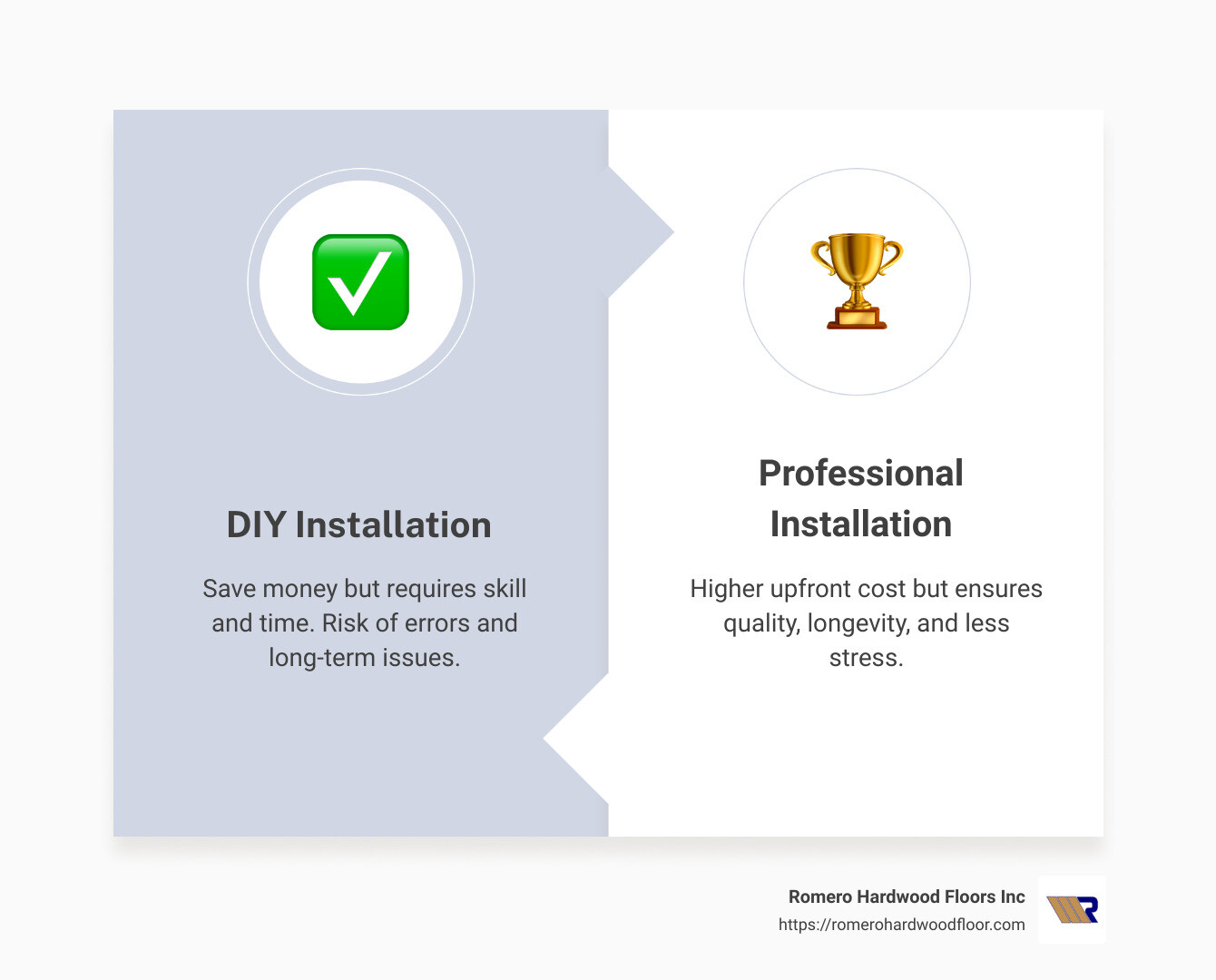
- DIY vs Professional Installation: DIY can save money but is challenging; professional installation ensures longevity and precision.
Hardwood floors are a significant investment that can enhance the beauty and value of your home. However, the key to a successful flooring project lies in selecting the right contractors. Hiring professionals can save you time, stress, and potential future repair costs. The upfront costs may be higher, but the quality of work and peace of mind you gain can be well worth it.
Whether you’re a homeowner looking to revitalize your living space or a commercial property manager aiming to impress tenants, this article will guide you through the complexities of installing hardwood floors. By the end, you’ll know how to choose the best contractors, understand installation costs, and decide whether to go the DIY route or hire professionals.
Understanding Hardwood Flooring Costs
When planning for new hardwood floors, it’s crucial to understand both the material and installation costs involved. Here, we’ll break down the average costs and the factors that can influence these expenses.
Average Costs of Hardwood Flooring Installation
The cost of installing hardwood floors can vary widely based on several factors. Here are some average costs to consider:
- Basic wood floor installation: Approximately $3 per square foot.
- Hand-scraped ¾-inch oak planks: Around $7 per square foot.
- Maple flooring: For a 620 square foot area, the total project cost is about $2,400, including five days of labor.
- Dark stained maple on new concrete: Roughly $3.87 per square foot.
The national average cost of hardwood floor installation is $5,750. However, this can fluctuate depending on your location, the type of wood, and the complexity of the job.
Factors Influencing Installation Costs
Several elements can affect the overall cost of your hardwood flooring project. Understanding these can help you better budget and plan for your installation.
Materials
The type of wood you choose significantly impacts the cost. For instance, exotic woods like teak will be pricier compared to more common options like oak or maple.
- Oak: $5 to $11 per square foot.
- Maple: Slightly more expensive than oak but offers a similar look.
- Exotic woods: Can range from $15 to $30 per square foot.
Labor
Labor costs can vary based on the complexity of the installation and the experience of the contractors. On average, labor costs range from $3 to $6 per square foot. This typically includes:
- Removing old flooring
- Preparing the subfloor
- Installing the new hardwood
DIY vs. Professional Installation
While DIY installation might seem like a cost-saving option, it comes with its own set of challenges. Professional installation ensures the job is done correctly, reducing the risk of future repairs and maintaining the warranty.
- DIY Costs: Generally lower, but you may incur additional costs for tools and potential mistakes.
- Professional Costs: Higher upfront, but offers peace of mind and quality assurance.
Square Footage
The size of the area to be floored will also impact the total cost. Larger areas might reduce the cost per square foot but will increase the overall expense.
Regional Prices
Prices can vary significantly based on your geographical location. For example, installation costs in urban areas may be higher due to increased labor rates and demand.
Wood Quality
Higher quality wood will naturally cost more, but it offers better durability and aesthetic appeal. This can be a worthwhile investment in the long run.
Floor Size
The complexity of the floor layout can also influence costs. Intricate designs or custom cuts will require more labor, increasing the overall expense.
Labor Rates
Labor rates can differ based on the contractor’s experience and the region. Always get multiple quotes to ensure you’re getting a fair price.
Understanding these factors can help you make an informed decision and budget effectively for your hardwood flooring project. For more detailed estimates, consider consulting with a professional contractor.
Choosing the Right Hardwood Flooring Contractors
Choosing the right hardwood flooring contractors is crucial to ensure your flooring project is done correctly and efficiently. Here’s how to verify their credentials and evaluate their experience and reputation.
How to Verify Contractor Credentials
Licenses
Ensure the contractor has the necessary state and local licenses to perform flooring installations. This is a basic requirement that protects you legally and financially. You can verify a contractor’s license by visiting your local Secretary of State’s website.
Certifications
Look for certifications from recognized industry organizations. These might include certifications from flooring manufacturers or independent bodies that certify skills in flooring installation techniques. Certifications indicate a higher level of expertise and commitment to quality.
Insurance
The contractor should have liability insurance and workers’ compensation insurance. This protects you in case of damages or accidents during the installation process. Always ask for proof of insurance before hiring.
Evaluating Contractor Experience and Reputation
Past Projects
Ask for a portfolio of the contractor’s previous work. Quality installers will be proud to showcase their past projects. Reviewing their portfolio gives you insight into the types of flooring they have installed and the quality of their work.
Read online reviews and testimonials. Look for comments about their professionalism, quality of installation, and punctuality. Websites like the Better Business Bureau and Google Reviews can provide transparent feedback.
“We had ceramic tile installed in our kitchen, laundry, and bath. The installers did an excellent job. They started when they said they would and finished a day early.” – Howard Floors Customer
Gallery
Many reputable contractors have a gallery of completed projects on their website. This visual evidence can help you assess their craftsmanship and attention to detail.
Pricing
Compare prices and get multiple quotes for the same job if possible. This helps ensure you get a fair price. Be wary of quotes that are significantly lower than others; it might indicate lower quality materials or workmanship.
By thoroughly vetting potential installers on these points, you ensure that the professionals you hire meet the required standards and align with your expectations for quality and reliability.
Next, we will delve into the different types of hardwood floors and installation methods to help you make an informed choice for your home.
Types of Hardwood Floors and Installation Methods
When it comes to hardwood flooring, you have a variety of options to choose from. Let’s explore the benefits of different wood types and the installation techniques that can bring your flooring vision to life.
Benefits of Different Wood Types
Oak: Oak is the most popular choice for hardwood flooring. It offers a good balance of durability, color range, and cost. Oak’s grain pattern hides scratches well, making it ideal for high-traffic areas. Over time, oak can yellow slightly with sun exposure.
Maple: Slightly more durable than oak, maple has a tight grain pattern that makes it difficult to stain darker colors. It’s often left in its natural light color. Maple is a great choice for a clean, modern look.
Cherry: Known for its rich, deep colors that darken with age, cherry wood adds a touch of luxury to any room. It is softer than oak or maple, so it may show dents and scratches more easily. However, its unique color evolution over time makes it highly desirable.
Exotic Woods: Woods like Brazilian cherry, teak, and mahogany offer unique colors and grain patterns. They are often more expensive but provide a distinctive and high-end look. Exotic woods are usually very hard and durable, but their cost can be a significant factor.
| Wood Type | Durability | Aesthetics | Cost-Effectiveness |
|---|---|---|---|
| Oak | High | Classic, versatile | $$ |
| Maple | Very High | Light, modern | $$ |
| Cherry | Medium | Rich, deep colors | $$$ |
| Exotic Woods | Very High | Unique, luxurious | $$$$ |
Installation Techniques Explained
Floating Installation
- Techniques: In a floating installation, the flooring planks are not directly attached to the subfloor. Instead, they click and lock together, creating a stable surface that “floats” above the subfloor.
- Suitability: Best for engineered wood, laminate, and vinyl flooring. Ideal for environments where the subfloor might not be perfectly level.
- Advantages: Flexible and can expand and contract without buckling. Quick and less invasive installation process.
Staple or Nail Down Installation
- Techniques: This traditional method involves securing the flooring planks directly to the subfloor using staples or nails.
- Suitability: Best for solid hardwood flooring. Requires a level subfloor for the best results.
- Advantages: Provides excellent stability and minimizes floor movement. Enhances longevity and durability of the hardwood.
Glue Down Installation
- Techniques: Each plank is glued directly to the subfloor using a strong adhesive. Precise application of the glue is crucial for an even and secure bond.
- Suitability: Ideal for both hardwood and engineered wood floors, especially in large, open areas where noise reduction is a priority.
- Advantages: Reduces noise, making it great for multi-story buildings and high-traffic areas. Provides a firm, stable floor with minimal vertical movement.
By understanding the benefits of different wood types and the specifics of each installation method, you can make an informed decision that best fits your needs and preferences. Whether you prioritize durability, aesthetics, or cost-effectiveness, there is a hardwood flooring option and installation method that will work for you.
Next, we will discuss the maintenance and longevity of hardwood floors to ensure your investment remains beautiful and functional for years to come.
Maintenance and Longevity of Hardwood Floors
Taking care of your hardwood floors ensures they remain beautiful and functional for years. Proper maintenance can also prevent costly repairs. Below, we discuss essential tips for cleaning, repair, and long-term care.
Preventing Damage and Prolonging Floor Life
1. Protective Coatings:
Applying a protective coating is crucial. Options like Tang oil, modified oil, and water-based finishes can enhance the natural beauty of your floors while providing a layer of protection against moisture and wear.
2. Regular Maintenance:
Routine sweeping or vacuuming prevents dirt and grit from scratching the surface. Use a soft-bristle broom or a vacuum with a hardwood setting. Mopping should be done with care, using a damp mop and a cleaner designed for hardwood floors. Avoid excess water to prevent damage.
3. Avoiding Moisture:
Water is hardwood’s enemy. Clean spills immediately with a soft, absorbent cloth. In high-moisture areas like kitchens, consider using rugs or mats to protect the floor.
Repair and Restoration of Hardwood Floors
1. Sanding and Refinishing:
Over time, hardwood floors may lose their shine. Sanding and refinishing can restore their original beauty. This involves removing the old finish and applying a new one. According to Romero Hardwood Floors Inc, refinishing not only improves aesthetics but also provides long-term protection.
2. Replacement:
In cases of severe damage, replacement might be necessary. This could involve replacing individual planks or entire sections of the floor. It’s important to match the new wood with the existing flooring to maintain a consistent look.
3. Long-term Care:
Regularly inspect your floors for signs of wear and tear. Address minor issues promptly to prevent them from becoming major problems. Establishing a recoating schedule can help maintain the floor’s finish and extend its lifespan.
By following these tips, you can ensure your hardwood floors remain a stunning and durable feature of your home. Next, we’ll address some frequently asked questions about hardwood flooring contractors to help you make informed decisions about your flooring project.
Frequently Asked Questions about Hardwood Flooring Contractors
How Long Does Hardwood Floor Installation Take?
The time it takes to install hardwood floors can vary widely based on several factors:
1. Project Size:
– A single room may be completed in a day.
– A whole house could take several days.
2. Preparation Needs:
– Removing old flooring and preparing the subfloor can add time.
– Ensuring the subfloor is clean, dry, and level is crucial.
3. Custom Designs:
– Intricate patterns or custom layouts can extend the installation time.
Experienced hardwood flooring contractors will provide a detailed timeline based on your specific project.
Should I Remove Baseboards When Installing Hardwood Floors?
Removing baseboards before installing hardwood floors is often recommended for several reasons:
1. Alignment Issues:
– Ensuring the floor aligns properly with the walls can be easier without baseboards in the way.
2. Expansion Gaps:
– Hardwood floors expand and contract with temperature changes. Removing baseboards allows for proper expansion gaps.
3. Aesthetic Consistency:
– Removing and reinstalling baseboards can ensure a cleaner, more professional look.
However, some contractors might work around existing baseboards, using moldings to cover gaps. Discuss your preferences with your contractor.
What Should Be Placed Under Hardwood Floors?
The underlayment is a critical component of hardwood floor installation. Here are some options to consider:
1. Moisture Barriers:
– Essential in areas prone to dampness, like basements.
– Helps prevent moisture from damaging the hardwood.
2. Noise Reduction:
– Underlayment can help reduce noise, making your floors quieter to walk on.
– Ideal for multi-story homes or apartments.
3. Insulation Options:
– Some underlayments provide additional insulation, which can help with temperature regulation.
– Beneficial in colder climates.
Your hardwood flooring contractor can recommend the best underlayment based on your specific needs and the type of hardwood you’ve chosen.
By understanding these aspects, you can make informed decisions and ensure a smooth installation process.
Conclusion
At Romero Hardwood Floors Inc, we believe that choosing the right hardwood flooring contractor is essential for enhancing your home’s value and ensuring a seamless installation process. Our commitment to quality, reliability, and customer satisfaction sets us apart in the industry.
Enhancing Property Value
Hardwood floors are a timeless addition that can significantly increase your home’s value. They offer a classic look that appeals to a wide range of buyers. According to Forbes, hardwood flooring in good condition typically boosts property value more than other options like laminate. With Romero Hardwood Floors Inc, you get premium materials and expert craftsmanship, ensuring your investment pays off in the long run.
Guaranteed Workmanship
Our team at Romero Hardwood Floors Inc is dedicated to delivering top-notch workmanship. We use state-of-the-art techniques and high-quality materials to ensure that every project is executed to perfection. Customer testimonials often highlight our attention to detail and professionalism. Richard M., a satisfied client, noted, “Fantastic service all around. On time and on budget. Great work ethic and service by the flooring installers which included their attention to detail and their cleanliness.”
We stand by our work with a satisfaction guarantee, giving you peace of mind that your floors will look fantastic and last for years to come.
For more information or to schedule a consultation, please visit our hardwood floor installation service page. Let us help you transform your space with flooring that speaks to quality, durability, and timeless style.