
How to find a flooring contractor: Top 5 Winning Tips
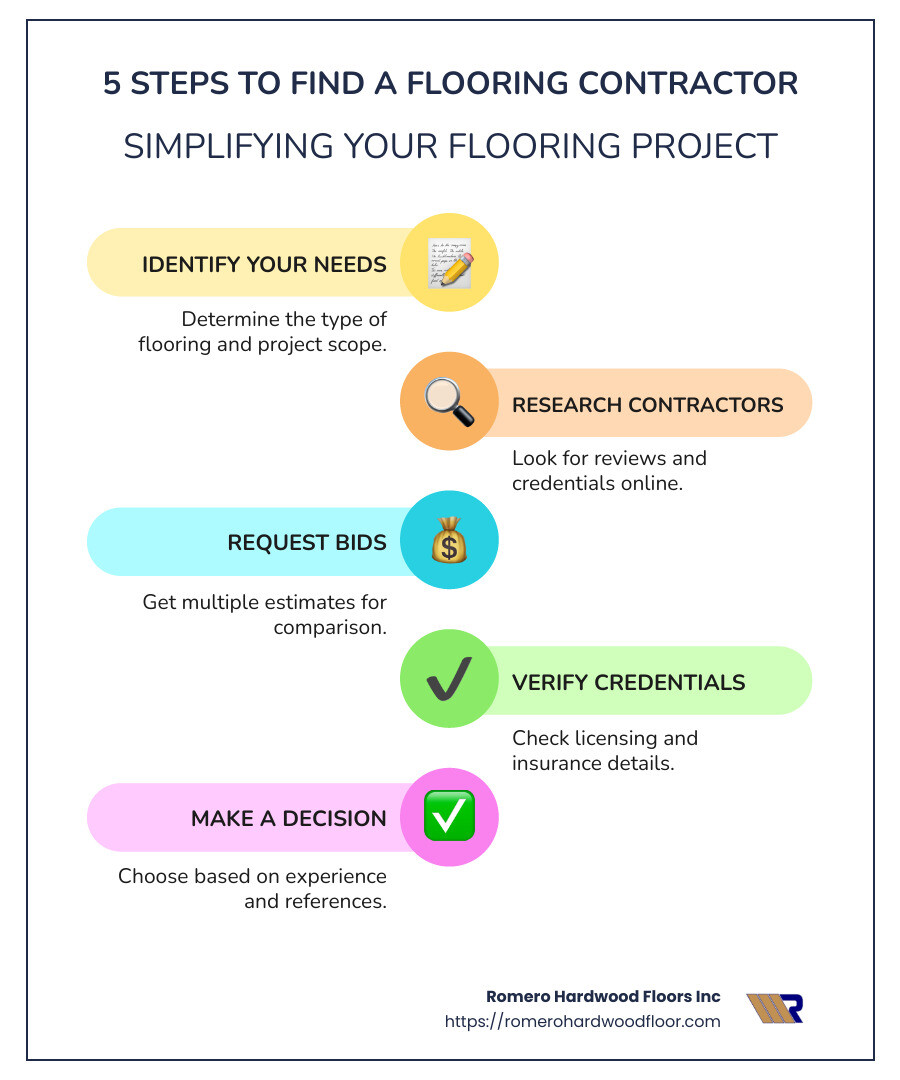
How to find a flooring contractor may seem daunting, but you can make this process straightforward by following a few simple steps:
- Identify your flooring needs and project scope.
- Research contractors with expertise in your desired materials.
- Request multiple written bids for comparison.
- Verify contractor credentials by checking licensing and insurance.
- Make an informed decision based on references and experience.
These steps will guide you in selecting an ideal contractor for your flooring installation project, ensuring quality results and peace of mind.
Installing new flooring is a significant investment that can improve the comfort and value of your property. Finding the right contractor is crucial, as it impacts not only the aesthetic appeal but also the durability of your floors. With many options available, choose a contractor who delivers high-quality workmanship while fitting your budget and timeline.
My name is Francisco Romero, owner of Romero Hardwood Floors Inc. With over 15 years of experience in hardwood flooring installation, I understand the nuances of selecting the right contractor. From my expertise, I’ve distilled the process of How to find a flooring contractor into manageable steps that simplify your decision-making.
Easy How to find a flooring contractor word list:
– Affordable hardwood floor installation
– Custom hardwood floor designs
– Hardwood floor installation warranty
Step 1: Determine Your Flooring Needs
Before diving into the search for a contractor, it’s crucial to identify your flooring needs. This first step sets the foundation for a successful project.
Choose the Right Flooring Material
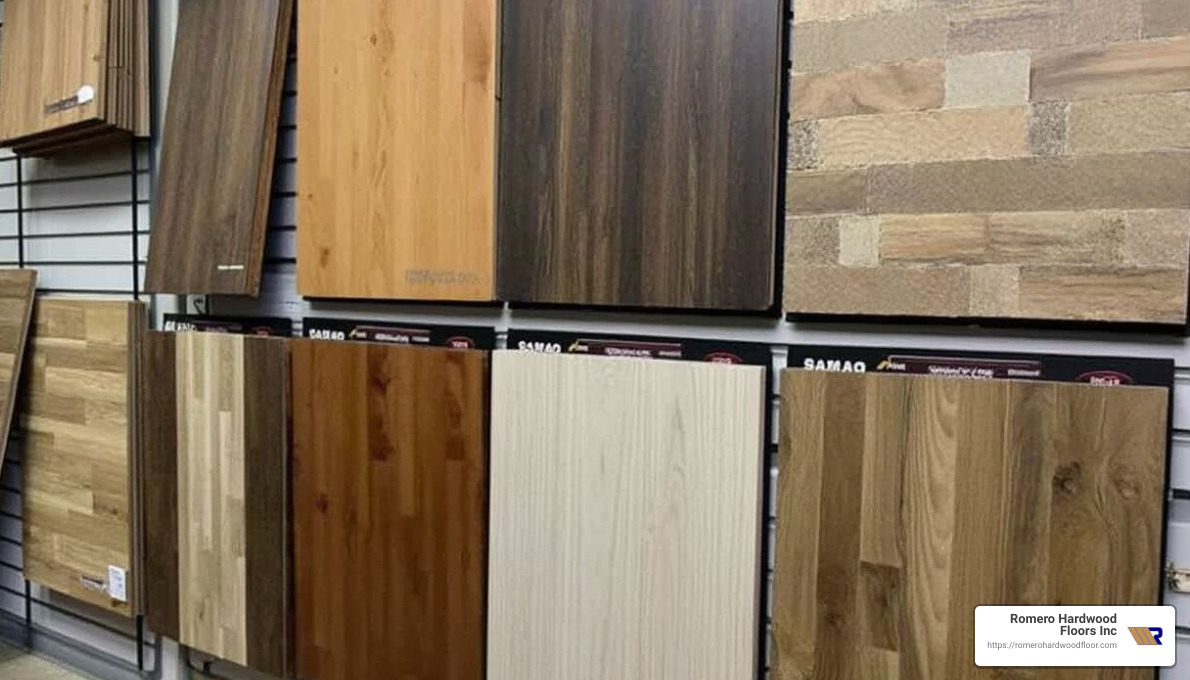
The type of flooring material you select will greatly influence the look and feel of your space, as well as the installation process. Here are some common options:
- Hardwood: Known for its timeless beauty and long lifespan, hardwood is a popular choice for many homeowners. However, it requires skilled installation to ensure durability.
- Vinyl: This is a cost-effective alternative that mimics the look of wood or stone. It’s durable and resistant to moisture, making it ideal for areas like kitchens and bathrooms.
- Laminate: Offering a similar appearance to hardwood, laminate is more budget-friendly and easy to maintain.
- Tile: Perfect for high-moisture areas, tiles offer a wide range of styles and are highly durable.
Consider the functionality and aesthetics you desire for your space. Each material has its own benefits and installation challenges, so choose one that aligns with your lifestyle and budget.
Define the Project Scope
Understanding the scope of your project is essential. Consider the following:
- Room Size: Measure the area where the flooring will be installed. This helps in estimating the amount of material needed and the overall cost.
- Existing Flooring: Decide whether you’ll need to remove old flooring. Some contractors offer removal services, while others may charge extra.
- Additional Work: Consider if any subfloor repairs or adjustments are necessary. A smooth, clean subfloor is critical for a successful installation.
- Design Preferences: Think about the layout and pattern you want. For instance, the direction of wood planks or the pattern of tiles can impact the room’s visual flow.
By clearly defining your flooring material and project scope, you set a strong foundation for the next steps in the contractor selection process. This clarity will not only help you communicate effectively with potential contractors but also ensure that you receive accurate bids and timelines.
Up next, we’ll explore how to research potential contractors, ensuring they have the expertise and credentials to bring your vision to life.
Step 2: Research Potential Contractors
Now that you’ve determined your flooring needs, it’s time to find the right contractor. This step is all about gathering the information you need to make an informed choice.
Online Reviews
Start by checking online reviews to get a sense of a contractor’s reputation. Websites like Google Reviews and the Better Business Bureau can provide valuable insights into the experiences of past clients. Look for comments about:
- Quality of Work: Are customers satisfied with the final result?
- Professionalism: Did the contractor communicate well and stick to schedules?
- Punctuality: Were the projects completed on time?
Reading reviews can help you identify contractors who consistently meet client expectations.
Word of Mouth
Don’t underestimate the power of word of mouth. Ask friends, family, or neighbors if they’ve had any flooring work done recently. Personal recommendations can be a goldmine of honest feedback. They provide insights into the contractor’s work ethic and reliability that you might not find online.
Contractor Credentials
Before you hire, it’s crucial to verify the credentials of potential contractors. This ensures they have the qualifications needed to do the job right.
- Licensing: Check if the contractor holds the necessary state and local licenses. This protects you legally and ensures they meet industry standards.
- Insurance: Confirm that they have liability and workers’ compensation insurance. This safeguards you against any accidents or damages during the installation process.
- Certifications: Look for certifications from recognized industry organizations or flooring manufacturers. These indicate that the contractor has specialized training and skills.
By thoroughly researching potential contractors through online reviews, personal recommendations, and credential verification, you can confidently shortlist those who are most likely to meet your expectations. With this groundwork laid, you’re now ready to move on to the next step: requesting and comparing bids to find the best match for your project.
Step 3: Request and Compare Bids
Once you’ve shortlisted potential contractors, it’s time to dive into the details with multiple estimates. This step is crucial for understanding the costs and timelines associated with your flooring project.
Multiple Estimates
Start by reaching out to at least three contractors for written estimates. Having multiple estimates allows you to compare options and ensures you’re getting a fair price. Each bid should include:
- Cost Breakdown: Look for a detailed breakdown of labor and material costs. This transparency helps you understand where your money is going and ensures there are no hidden fees.
- Project Timeline: Each estimate should specify the start and completion dates. A clear timeline helps you plan your schedule and ensures that the project won’t stretch indefinitely.
Evaluating the Bids
Once you have the estimates, it’s time to compare them. Here’s what to focus on:
- Cost Comparison: Don’t just go for the lowest bid. A significantly lower price might mean corners are being cut. Instead, consider the value offered in terms of quality and service.
- Services Included: Check if the bid includes subfloor preparation, furniture moving, and cleanup. These services can make a big difference in the overall convenience and success of the installation.
- Contractor Reputation: Consider the contractor’s reputation alongside the bid. A slightly higher price might be worth it for a contractor known for reliability and quality work.
Request Clarifications
Don’t hesitate to ask questions if something in the bid isn’t clear. A reputable contractor should be willing to explain any part of the estimate you don’t understand.
By requesting and comparing bids, you’ll gain a clearer picture of the costs and timelines involved in your flooring project. This step helps ensure you choose a contractor who offers the best balance of price, quality, and reliability. With this information in hand, you’re ready to verify contractor credentials in the next step.
Step 4: Verify Contractor Credentials
After gathering and evaluating bids, the next step is to verify contractor credentials. This ensures you’re hiring a reputable professional who can deliver quality work while protecting your interests.
Licensing
First, check if your contractor has the necessary licenses. Licensing requirements vary by state and locality, but having a valid license indicates that the contractor meets the minimum professional standards. You can verify a contractor’s license through your local Secretary of State’s website. This step is crucial because it helps ensure the contractor follows local building codes and regulations.
Insurance
Insurance is non-negotiable. Ask for proof of both liability insurance and workers’ compensation insurance. Liability insurance protects you if there’s any accidental damage to your property during the installation. Workers’ compensation insurance covers any injuries that might occur to the workers on your property. Without these, you could be held financially responsible for accidents or damages.
Bonding
A bonded contractor provides an extra layer of security. A surety bond protects you if the contractor fails to complete the job or doesn’t meet their financial obligations, like paying subcontractors. Bonding requirements differ depending on your location, so check with local authorities to understand what’s necessary in your area. Having a bonded contractor means you have financial recourse if things don’t go as planned.
By thoroughly verifying these credentials, you ensure that the contractor is not only qualified but also operates with integrity and professionalism. This step protects you from potential legal and financial headaches down the road. Now that you have a list of verified contractors, it’s time to make your decision in the next step.
Step 5: Make Your Decision
You’ve done the groundwork, and now it’s time to choose the right flooring contractor. Here’s how to finalize your decision with confidence.
References
Start by asking each contractor for references. References are past clients who can vouch for the contractor’s work quality and professionalism. Reach out to at least three references and ask specific questions about their experience. Were they satisfied with the work? Did the project stay on schedule and within budget? Would they hire the contractor again?
A contractor who hesitates to provide references might not have a strong track record. On the other hand, enthusiastic references often highlight a contractor’s reliability and craftsmanship.
Contractor Experience
Experience matters. An experienced contractor is likely to have encountered and solved various challenges, ensuring a smoother process for you. Ask about the contractor’s experience with the specific type of flooring you’ve chosen. For example, installing hardwood requires different skills than laying vinyl or tile.
In fact, contractors with specialized experience often have certifications from manufacturers or trade organizations, like the National Wood Flooring Association, which demonstrate their expertise. This specialized knowledge can lead to a higher quality finish and fewer issues during installation.
Contract Details
Once you’ve narrowed down your options, focus on the contract details. A clear, detailed contract protects both you and the contractor. It should include:
- Scope of Work: What exactly will be done, including any subfloor preparation and clean-up.
- Materials: A list of materials to be used, including brands and quantities.
- Timeline: Start and completion dates.
- Payment Terms: How and when payments will be made.
- Warranty: Any guarantees on workmanship or materials.
Review the contract carefully. If anything is unclear, ask questions. Clarity now prevents misunderstandings later.
By considering these factors, you can confidently select a contractor who will meet your needs and expectations. With the right choice, your flooring project will improve your home’s beauty and value.
Frequently Asked Questions about Finding a Flooring Contractor
How to find a flooring contractor?
Finding the right flooring contractor can feel overwhelming, but it doesn’t have to be. Start by asking friends or family for recommendations. Personal experiences can give you valuable insights into a contractor’s quality of work and reliability.
Next, check online reviews. Websites like Yelp or Google Reviews offer feedback from previous clients. Look for contractors with consistently high ratings and positive comments.
Don’t forget to verify the contractor’s credentials. Ensure they have the necessary licensing and insurance. This protects you from potential liabilities. Some contractors may also have certifications from organizations like the National Wood Flooring Association, which indicate specialized skills.
How much do most contractors charge to lay flooring?
The cost of laying flooring varies based on several factors:
- Type of Flooring: Hardwood is typically more expensive to install than vinyl or laminate.
- Room Size: Larger areas cost more due to increased material and labor needs.
- Complexity: Intricate patterns or designs can raise the price because they require more time and skill.
On average, you might expect to pay between $3 to $12 per square foot for installation. Always get multiple estimates to ensure you’re getting a fair price. Make sure each estimate includes a detailed cost breakdown for labor and materials.
How to pick a good flooring company?
Selecting a quality flooring company involves more than just comparing prices. Here’s what to look for:
- Experience and Specialization: Choose a company with experience in the type of flooring you want. Specialized companies often deliver better results.
- Quality Indicators: Look for signs of quality, such as manufacturer certifications or membership in trade organizations.
- References and Reviews: Ask for references from past clients and read online reviews. This provides insights into the company’s reliability and workmanship.
- Clear Communication: A good company communicates clearly and promptly. They should be willing to answer your questions and provide detailed information about the project.
By focusing on these factors, you can find a flooring company that will deliver excellent results and a stress-free installation experience.
Conclusion
Choosing the right flooring contractor is crucial for a successful installation. At Romero Hardwood Floors Inc, we pride ourselves on delivering expert flooring solutions with guaranteed workmanship. Since 2006, we’ve been serving Revere, MA, and beyond with dedication and precision.
Our team specializes in hardwood flooring, offering both residential and commercial services. We understand that every project is unique, and we tailor our approach to meet your specific needs. Our competitive pricing ensures you get the best value without compromising on quality.
What sets us apart is our commitment to punctuality and excellence. We believe that the key to enhancing property value lies in the details. That’s why we use premium materials and state-of-the-art techniques to ensure your floors are not only beautiful but also durable.
When you choose Romero Hardwood Floors Inc, you’re choosing a partner who values transparency and customer satisfaction. From the initial consultation to the final touches, we keep you informed and involved every step of the way.
Ready to transform your space with stunning hardwood floors? Contact us today to discuss your project and experience the Romero difference firsthand. Our team is here to guide you through every step of the process, ensuring a smooth and stress-free installation.
