
Non-toxic floor finishes: Ultimate 2025 Guide
Why Non-Toxic Floor Finishes Matter for Your Home’s Health
Non-toxic floor finishes are becoming the smart choice for homeowners who want beautiful hardwood floors without compromising their family’s health. These finishes eliminate or drastically reduce harmful volatile organic compounds (VOCs) that can pollute your indoor air for months or even years after application.
Quick Answer: Best Non-Toxic Floor Finish Options
- Water-Based Polyurethane: 200g/L VOCs (vs 450g/L for oil-based)
- Hardwax Oils: Natural penetrating oils with wax protection
- Zero-VOC Options: Special linseed oil and beeswax finishes
- Look for: GREENGUARD Gold certification, <250g/L VOC content
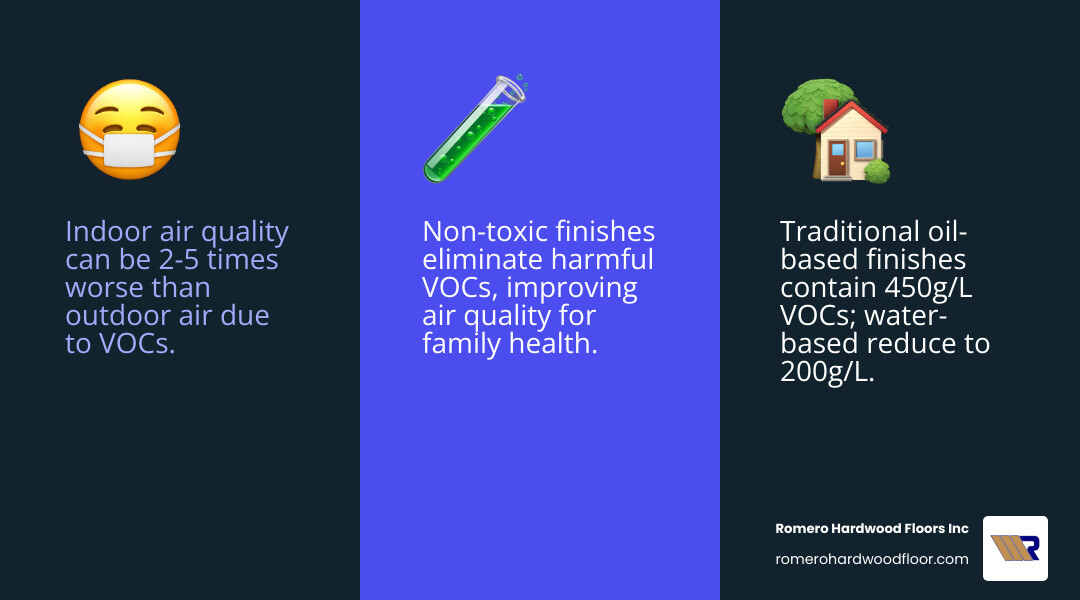
The reality is stark – indoor air quality can be 2 to 5 times worse than outdoor air, according to EPA research. Traditional oil-based polyurethanes release about 450 grams of VOCs per can, while water-based alternatives cut that down to around 200 grams. But even better options exist.
Many homeowners don’t realize that conventional floor finishes can off-gas harmful chemicals for years. These VOCs can cause headaches, respiratory issues, and worsen allergies – especially problematic for families with young children or anyone with chemical sensitivities.
The good news? Modern non-toxic finishes offer the same durability and beauty as traditional options, often with faster drying times and easier cleanup.
I’m Francisco Romero, owner of Romero Hardwood Floors Inc., and in my 15+ years of hardwood flooring experience, I’ve seen how non-toxic floor finishes can transform both the beauty and healthiness of homes. My team and I have helped countless Revere-area families choose safer finishing options that protect their investment while keeping their indoor air clean.
Non-toxic floor finishes terminology:
The Hidden Dangers of Traditional Finishes: Understanding VOCs
Most homeowners have no idea that their beautiful hardwood floors could be quietly poisoning their indoor air for years. The culprit? Volatile Organic Compounds, or VOCs – invisible chemicals that slowly “off-gas” from conventional floor finishes long after the work is done.
Think of VOCs as tiny chemical hitchhikers that escape into your air from paints, cleaners, and especially traditional floor finishes. While some occur naturally, the synthetic ones found in most conventional finishes can seriously impact your family’s health.

The immediate effects are bad enough. Picture this: you’ve just had gorgeous new floors installed, but instead of enjoying them, you’re dealing with headaches, respiratory irritation, dizziness, and that awful chemical smell that just won’t go away. That’s your body telling you something’s wrong.
But here’s what really concerns me as a flooring professional – the long-term risks are even scarier. Extended exposure to high VOC levels has been linked to liver and kidney damage, central nervous system problems, and even certain cancers. Children, elderly family members, and anyone with allergies or chemical sensitivities face the highest risk.
The kicker? These chemicals can keep off-gassing for years, not just weeks. According to the EPA, indoor air quality can be 2-5 times worse than outdoors, largely due to products like conventional floor finishes.
It’s not just about your family’s health either. When VOCs escape into the atmosphere, they react with sunlight to create ground-level ozone – a major component of smog. Choosing non-toxic floor finishes helps both your family and the environment.
Water-Based vs. Oil-Based Polyurethane: A Health Comparison
Let me break down the real difference between these two polyurethane options, because the numbers tell a striking story about your family’s health.
Traditional oil-based polyurethane packs a whopping 450 grams of VOCs per liter. That’s why the smell is so overwhelming you literally have to leave your home for days or weeks. The drying time drags on for up to 24 hours per coat, and cleanup requires harsh chemical solvents that add even more toxins to your environment.
Water-based polyurethane is a game-changer, containing only about 200 grams of VOCs per liter – more than half the reduction! The smell is manageable, drying happens in just 2-4 hours per coat, and cleanup is as simple as soap and water.
Oil-based finishes give that warm amber glow and slightly thicker protection. But when I’m talking to families in Revere and surrounding areas, the health benefits of water-based options usually win out. Your kids can sleep in their own beds that same night instead of camping out at grandma’s house.
The choice becomes even clearer when you consider that modern water-based polyurethanes offer excellent durability without the chemical baggage. You can learn more about our approach to Finishing Hardwood Floors and how we help families make these important decisions.
Why Choose a Low-VOC or Zero-VOC Finish?
Here’s where the rubber meets the road – or in this case, where your family meets healthier air every single day.
Children are the most vulnerable because their developing bodies absorb toxins more readily. Their respiratory and nervous systems are still forming, making them especially susceptible to chemical damage. When you choose non-toxic floor finishes, you’re literally giving them cleaner air to breathe as they grow.
Pet owners should pay special attention too. Your furry family members spend their lives much closer to the floor, constantly breathing whatever’s off-gassing from your finish. Dogs and cats can’t tell you when they’re feeling sick from chemical exposure, but low-VOC options give them a fighting chance at better health.
If anyone in your household suffers from allergies, asthma, or chemical sensitivities, traditional finishes can trigger serious reactions. I’ve had clients tell me their symptoms disappeared almost immediately after switching to healthier alternatives. One family in Malden said their daughter’s chronic headaches finally stopped after we refinished their floors with a zero-VOC product.
The bottom line? Improved indoor air quality means everyone in your home breathes easier. You get the stunning hardwood floors you want without the hidden health costs that can last for years.
This is exactly why we focus so heavily on Eco-Friendly Hardwood Flooring solutions. Your home should be your sanctuary, not a source of ongoing chemical exposure.
Exploring the Main Types of Non-toxic Floor Finishes
When you’re ready to give your hardwood floors a healthy makeover, you’ll be pleased to know there are some fantastic non-toxic floor finishes available today. The key is finding the right balance between the look you want, the protection your floors need, and the level of maintenance you’re comfortable with.
Think of it this way – choosing a finish is like picking the perfect outfit for your floors. You want something that looks great, protects well, and fits your lifestyle. Some people prefer the polished, professional look of a business suit (that’s your water-based polyurethane), while others love the natural, lived-in comfort of quality jeans (hello, hardwax oils).
The two main players in the non-toxic floor finishes game each bring something special to the table. Water-based polyurethanes offer incredible durability with minimal chemical exposure, while hardwax oils give you that authentic, natural wood feel that’s hard to beat.
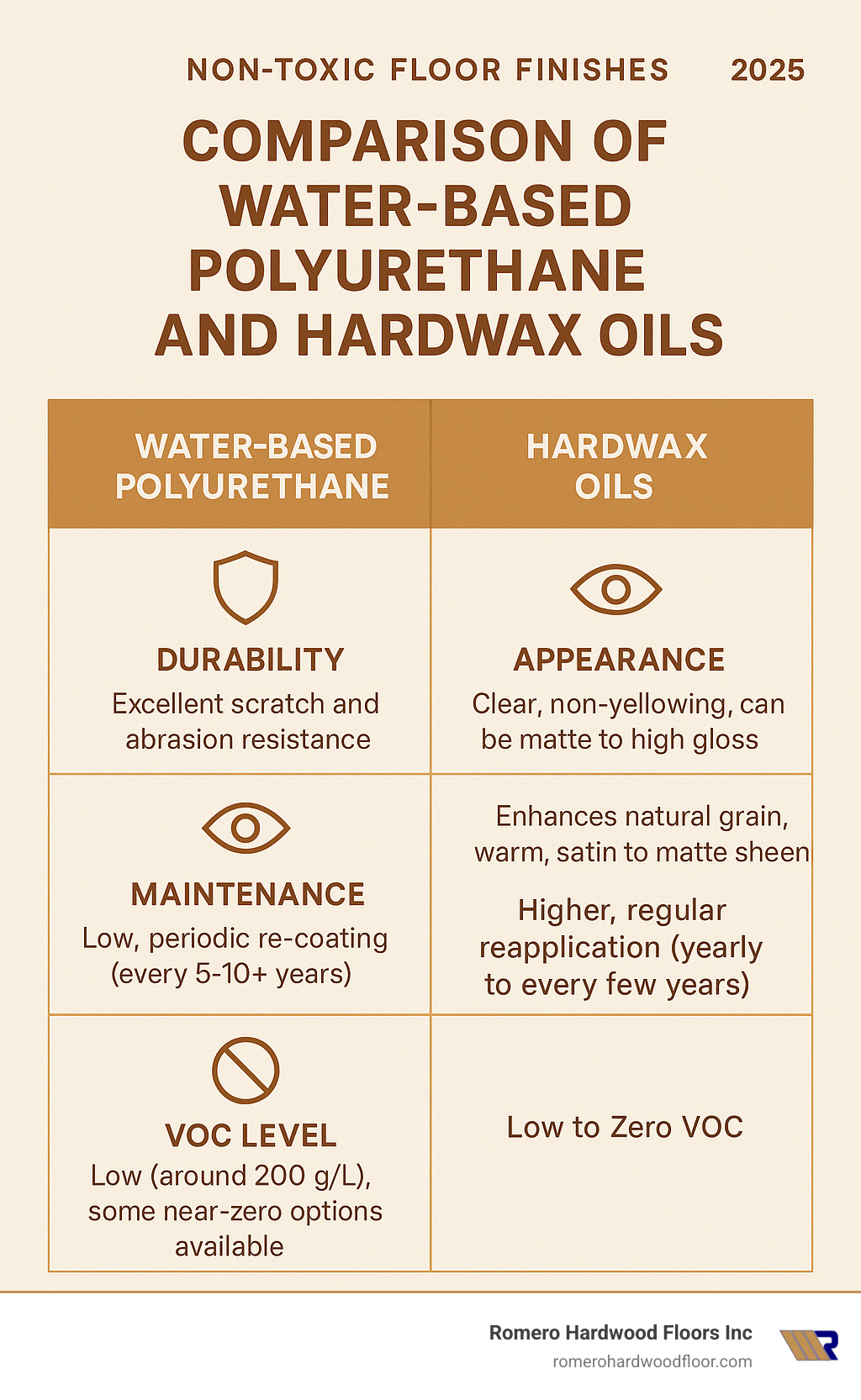
Here’s how they stack up against each other:
| Feature | Water-Based Polyurethane | Hardwax Oils |
|---|---|---|
| Durability | Excellent scratch and abrasion resistance | Good protection, excellent repairability |
| Appearance | Clear, non-yellowing, can be matte to high gloss | Improves natural grain, warm, satin to matte sheen |
| Maintenance | Low, periodic re-coating (every 5-10+ years) | Higher, regular reapplication (yearly to every few years) |
| VOC Level | Low (around 200 g/L), some near-zero options available | Low to Zero VOC |
The beauty of today’s non-toxic floor finishes is that you don’t have to sacrifice quality for health. Both options protect your investment while keeping your family safe from harmful chemicals.
Water-Based Polyurethane: The Durable Choice in Non-toxic Floor Finishes
If you want a finish that can handle whatever life throws at it, water-based polyurethane is your champion. This isn’t your grandmother’s floor finish – modern water-based polyurethanes have evolved into powerhouse protectors that rival traditional oil-based options without the nasty chemical smell.
What makes water-based polyurethane so special? Scratch resistance is probably its biggest claim to fame. Whether you’ve got kids racing toy cars across the floor, dogs with long nails, or you’re just prone to dropping things (we’ve all been there), this finish holds up beautifully. It’s particularly perfect for high-traffic areas like your main hallway or living room where everyone congregates.
The quick-drying aspect is a game-changer for busy families. While oil-based finishes can leave you tiptoeing around your house for days, water-based options are often ready for light foot traffic in just 2-4 hours. That means we can apply multiple coats in a single day, and you can get back to normal life much sooner.
Here’s something that might surprise you – water-based polyurethanes are non-yellowing. This is huge if you have lighter woods like maple or ash. Your beautiful pale floors will stay true to their natural color instead of developing that amber tint that oil-based finishes can create over time.
And let’s talk about the low odor factor. No more banishing your family to a hotel while your floors cure. The minimal off-gassing means you can actually stay in your home during the process, though we still recommend good ventilation. For more details on creating truly durable surfaces, check out our Hard-Wearing Wood Floor Varnish page.
Hardwax Oils: The Best of Both Worlds
If water-based polyurethane is the practical choice, then hardwax oils are the romantic option among non-toxic floor finishes. These hybrid finishes are for people who want their floors to feel like real wood, not plastic.
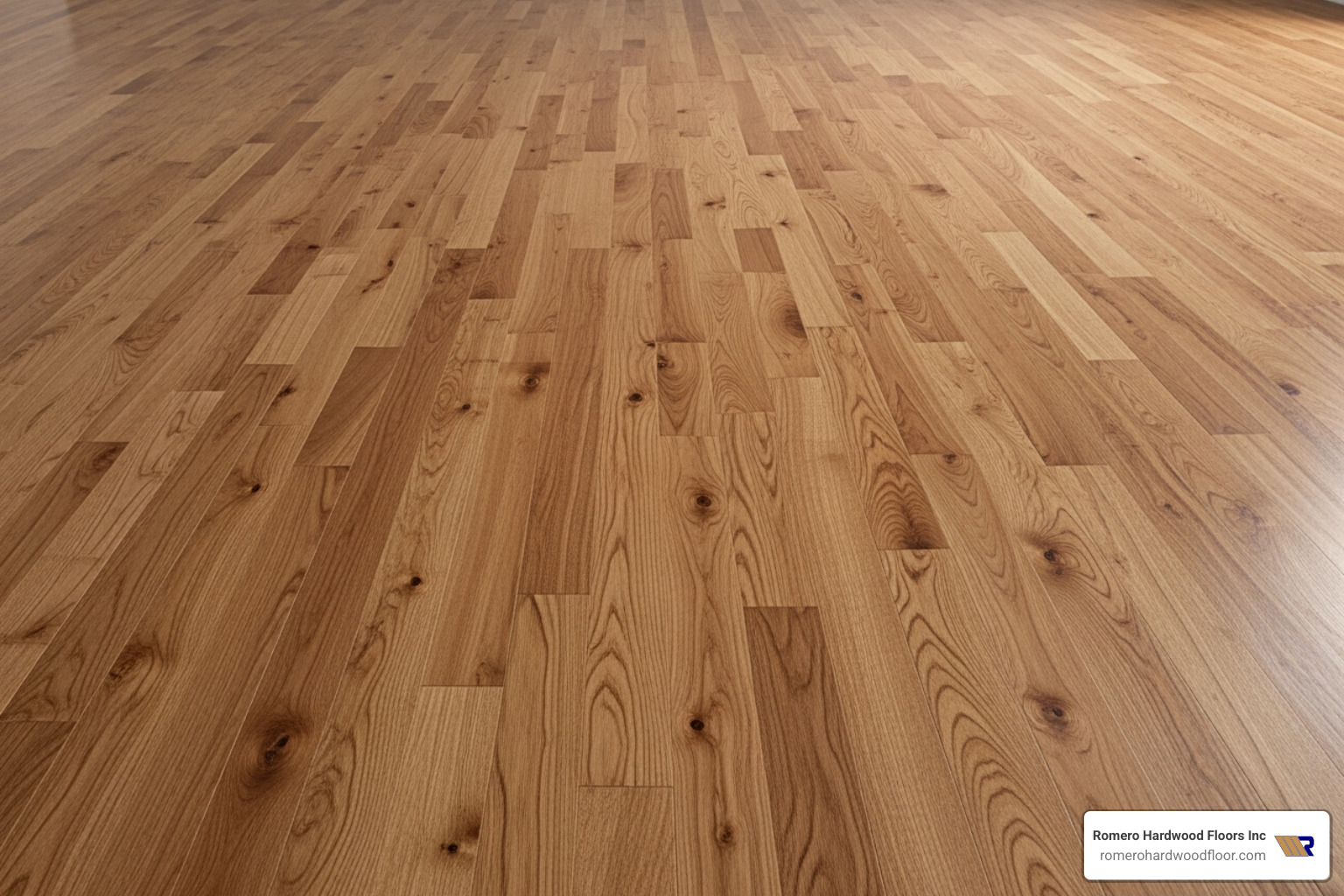
Think of hardwax oils as a two-step dance. First, the natural oil penetrates deep into the wood fibers, feeding and nourishing them from within. Then, the wax surface protection creates a breathable shield on top. The result? Floors that look and feel incredibly natural with a beautiful satin sheen that invites you to walk barefoot.
What really sets hardwax oils apart is their repairability. Got a scratch from moving furniture? No problem. Instead of refinishing your entire floor like you would with polyurethane, you can often just clean the area, give it a light sand, and apply a fresh coat of oil. It blends seamlessly with the rest of the floor. It’s like having magic repair powers right in your maintenance toolkit.
The water resistance might surprise you too. While these oils soak into the wood, the wax component creates a protective barrier that handles spills quite well. Just don’t let that glass of wine sit there all night – clean it up reasonably quickly and you’ll be fine.
The trade-off? Hardwax oils need more attention than polyurethane. Depending on foot traffic, you might need to reapply every year or two in busy areas. But here’s the thing – this maintenance is actually pretty simple. You don’t need to move out or deal with strong fumes. Many of our clients in Revere and surrounding areas actually enjoy this ritual of caring for their floors.
These finishes typically offer low to zero VOC content, making them an excellent choice for families prioritizing indoor air quality. The natural feel underfoot combined with the health benefits makes hardwax oils a compelling option for the right household.
Making an Informed Choice: Certifications and Costs
Navigating non-toxic floor finishes can feel a bit like deciphering a secret code. With so many claims of “eco-friendly” or “natural,” know how to identify genuinely safe products. Our goal at Romero Hardwood Floors Inc. is to empower our clients with the knowledge to make truly informed choices for their homes.
When evaluating products, always start by scrutinizing the product labels and, if available, the Material Safety Data Sheets (MSDS). These documents provide detailed information about the chemical composition and any potential hazards. Don’t be afraid to ask questions!
While some homeowners might consider a DIY approach, especially with certain hardwax oils, professional application is often recommended for the best results, particularly with water-based polyurethanes. Achieving a flawless, durable finish requires proper surface preparation, consistent application techniques, and an understanding of curing times. Our team has years of experience in Floor Sanding and Varnishing, ensuring a superior outcome.
How to Identify Genuinely Non-Toxic Products
To cut through the greenwashing and identify truly non-toxic floor finishes, look for specific certifications and understand what the numbers on the label mean.
Here are the key certifications and indicators we advise our clients to look for:
- Green Seal-11: This certification indicates that a product meets rigorous standards for environmental performance, including limits on VOCs, heavy metals, and other harmful chemicals.
- GREENGUARD Gold: Products with this certification have been tested for low chemical emissions, ensuring they contribute to healthier indoor air quality. It’s especially important for products used in schools and healthcare facilities, so it’s excellent for homes too.
- LEED (Leadership in Energy and Environmental Design): While not a product certification itself, LEED-certified buildings often require the use of low-VOC materials, so products listed as contributing to LEED points are generally safer.
- FloorScore: This certification is specifically for hard surface flooring and flooring adhesives, ensuring they meet strict indoor air quality requirements.
Beyond certifications, always check the VOC content listed on the product label. This is typically expressed in grams per liter (g/L). California has some of the strictest regulations, limiting finishes to no more than 350 g/L and stains to no more than 250 g/L. We always recommend aiming for products well below these limits, or ideally, those labeled as “zero VOC.”
Finally, be vigilant about avoiding specific harmful chemicals:
- N-methypyrrolidone (NMP): A solvent that can be hazardous to the reproductive system.
- Glycol ethers: Can cause respiratory issues and other health problems.
- Petroleum-based solvents: High in VOCs and often derived from non-renewable resources.
- Heavy metals: Such as lead, arsenic, or cadmium, sometimes used as drying agents in older or lower-quality finishes.
- Phthalates: Often used as plasticizers, linked to various health concerns.
- Formaldehyde: A known carcinogen, sometimes found in resins or adhesives.
- Isocyanates: Highly reactive chemicals often used as cross-linkers in two-part polyurethanes, which can be significant irritants during application and off-gas for months.
By keeping an eye out for these indicators, you can be confident that you’re choosing the healthiest options for your home.
Cost and Maintenance Considerations
When considering non-toxic floor finishes, it’s natural to think about the financial investment and ongoing care. While initial costs might sometimes be slightly higher for certain specialized non-toxic products compared to conventional options, it’s important to view this as an investment in your home’s health and longevity.
Our team at Romero Hardwood Floors Inc. provides transparent pricing custom to your specific project needs in the Greater Boston area. We work with you to find a solution that fits your budget while ensuring a high-quality, healthy finish for your floors.
Regarding long-term maintenance, the requirements vary significantly between different types of non-toxic floor finishes:
- Water-Based Polyurethanes: These finishes are generally very low maintenance. They offer excellent durability and typically require a full re-coat only every 5-10 years, or even longer, depending on traffic and wear. Daily cleaning usually involves simple sweeping, vacuuming, and damp mopping with gentle, non-abrasive cleaners.
- Hardwax Oils: While durable, hardwax oils often require more frequent attention. Depending on traffic, you might need to apply a maintenance coat anywhere from yearly to every few years. However, this process is usually simpler than a full polyurethane re-coat, often involving just a thorough cleaning and reapplication of oil without extensive sanding. For daily care, gentle, eco-friendly floor cleaners or even just mild soap and water are recommended. The ease of spot-repair also reduces the need for full refinishing.
The choice comes down to your lifestyle and preferences. If you prefer a “set it and forget it” approach with less frequent major maintenance, water-based polyurethane might be your ideal. If you value the natural feel and the ability to easily repair minor damage, and don’t mind more frequent, simpler maintenance, hardwax oils could be the perfect fit. Our team can help you assess your home’s needs and recommend the best option for your budget and lifestyle. For more detailed care instructions, refer to our Hardwood Floor Care Guide.
Frequently Asked Questions about Non-Toxic Finishes
When homeowners in Revere, Medford, and surrounding areas start exploring non-toxic floor finishes, they naturally have questions. After fifteen years in this business, I’ve heard just about every concern and curiosity. Let me share the answers to the questions we hear most often.
How do non-toxic finishes affect the appearance and longevity of my hardwood floors?
Here’s the great news – you don’t have to choose between beautiful floors and healthy air anymore. Modern non-toxic floor finishes actually excel in the looks department.
Water-based polyurethanes are champions at staying crystal clear. They won’t yellow over time like their oil-based cousins, which means your gorgeous white oak or maple floors will keep their natural color for years to come. No unwanted amber tint creeping in to change the whole vibe of your room.
Hardwax oils take a different approach, but the results are equally stunning. They soak into the wood and bring out those natural grain patterns in a way that makes you want to run your hands across the surface. The finish feels warm and organic underfoot – nothing like that plastic coating feeling some people worry about.
As for durability, these modern formulations are tough cookies. Water-based polyurethanes create a protective barrier that laughs in the face of daily foot traffic and the occasional dropped toy. We’ve seen them hold up beautifully in busy family homes for years.
Hardwax oils might need a touch-up more often – maybe every year or two in high-traffic spots – but here’s the thing: that maintenance is actually easier than you’d think. Plus, when life happens and you get a scratch, you can fix just that spot instead of redoing your entire floor.
Are there pet-friendly non-toxic floor finishes?
Pet owners, this one’s for you! Non-toxic floor finishes and furry family members can absolutely coexist happily.
If you’ve got a dog who thinks your hallway is a racetrack or a cat with particularly impressive claws, water-based polyurethane is your friend. It creates a tough, scratch-resistant surface that can handle the daily pitter-patter (or thundering gallops) of pet feet.
But don’t overlook hardwax oils. They might show a scratch more easily, but here’s why many pet owners actually prefer them: spot repairs are a breeze. When Fluffy decides to use your floor as a scratching post, you don’t need to call in the professionals for a full refinish. Just clean the area, maybe do a light sand, apply some more oil, and it blends right in. It’s like having a magic eraser for pet damage.
Both options are much safer for your pets too. Traditional finishes can off-gas chemicals that are particularly concerning for animals who spend so much time close to the floor. With non-toxic options, you can breathe easy knowing your four-legged family members are breathing cleaner air.
Can I apply a non-toxic finish myself?
I appreciate the DIY spirit – there’s something satisfying about tackling a home project yourself. Some non-toxic floor finishes, particularly certain hardwax oils, are more forgiving for the ambitious weekend warrior. Their penetrating nature means small imperfections often disappear as the oil soaks in.
But let me be honest with you – getting professional results, especially with water-based polyurethanes, requires more than enthusiasm. You need the right surface preparation, proper sanding techniques, and an understanding of how each product behaves as it dries. Miss any of these steps, and you might end up with uneven sheen, lap marks, or a finish that doesn’t last as long as it should.
For the best durability and that flawless look that makes guests ask “Who did your floors?”, professional floor refinishing is usually worth the investment. Our team has the specialized tools and years of experience to ensure your non-toxic floor finishes are applied perfectly, giving you beautiful results that protect your investment for years to come.
Conclusion
Choosing non-toxic floor finishes represents one of the smartest investments you can make for your home’s health and beauty. Throughout this guide, we’ve seen how these advanced finishes protect your family from harmful VOCs while delivering the stunning, durable results you want from your hardwood floors.
The change from traditional finishes releasing 450 grams of VOCs per can to modern water-based polyurethanes with just 200 grams – or even zero-VOC hardwax oils – means you no longer have to choose between gorgeous floors and clean indoor air. Your children can play safely on floors that won’t trigger respiratory issues, your pets can enjoy scratch-resistant surfaces that are easy to repair, and everyone in your home can breathe easier.
What makes this even better is that non-toxic floor finishes often outperform their conventional counterparts. Water-based polyurethanes dry faster, don’t yellow over time, and clean up with simple soap and water. Hardwax oils improve your wood’s natural beauty while allowing easy spot repairs that keep your floors looking perfect for years.
The key to success lies in proper application. While some hardwax oils might tempt the DIY enthusiast, achieving that flawless, long-lasting finish requires the expertise that comes from years of experience. Surface preparation, application technique, and understanding each product’s unique characteristics make all the difference between a good result and an exceptional one.
For homeowners throughout the Greater Boston area – from Revere to Beverly, Medford to Swampscott – partnering with experienced professionals ensures your non-toxic floor finishes deliver maximum beauty, durability, and health benefits. At Romero Hardwood Floors Inc., we’ve been helping families create healthier homes since 2006, combining our commitment to quality craftsmanship with guaranteed workmanship that protects your investment.
Your floors should be a source of pride and comfort, not concern. Explore our eco-friendly hardwood flooring services and find how we can help you achieve the stunning, healthy floors your family deserves.

