
Why Choosing the Right Wood Floor Installation Company Matters
A wood floor installation company is a specialized contractor that provides professional services for selecting, preparing, installing, and finishing hardwood flooring in residential and commercial properties. When searching for one, homeowners should evaluate:
- Credentials: Licensed, bonded, insured, and NWFA-certified professionals
- Experience: Years in business and portfolio of completed projects
- Services Offered: Installation, refinishing, repair, and custom work
- Transparent Pricing: Detailed written estimates with itemized costs
- Warranties: Guarantees on both materials and workmanship
- Customer Reviews: Testimonials and ratings from previous clients
Hardwood floors are more than just a beautiful design choice—they’re a long-term investment that can increase your property value by thousands of dollars. But that investment only pays off if the installation is done right. According to the National Wood Flooring Association, improperly installed floors can develop gaps, squeaks, cupping, and structural issues that cost far more to fix than the original installation would have cost with a qualified professional.
The difference between a floor that lasts 50 years and one that needs replacement in five often comes down to details most homeowners never see: subfloor preparation, moisture testing, acclimation periods, and adherence to manufacturer guidelines. A skilled installation company brings specialized tools, years of experience, and knowledge of dozens of wood species and installation methods to ensure your floors look stunning and perform flawlessly.
This guide will walk you through everything you need to know about selecting materials, understanding the installation process, vetting contractors, budgeting for your project, and maintaining your investment for decades to come.
I’m Francisco Romero, owner of Romero Hardwood Floors Inc. in Revere, MA, where I’ve been helping homeowners and commercial property managers select and install premium hardwood floors since 2006. As a wood floor installation company owner, I’ve seen how the right approach transforms spaces and protects your investment.
Explore more about Wood floor installation company:
- Hardwood Floor Installation Patterns
- Parquet flooring installation guide
- Random width wood flooring
Decoding Your Flooring Options: Solid vs. Engineered Hardwood
Choosing the right material is the first step in any successful flooring project. It’s like choosing the right foundation for a house – it needs to suit the environment and your lifestyle. When it comes to wood flooring, the primary choices are solid hardwood and engineered hardwood. Understanding their core differences in construction and application will guide you to the perfect fit for your home.
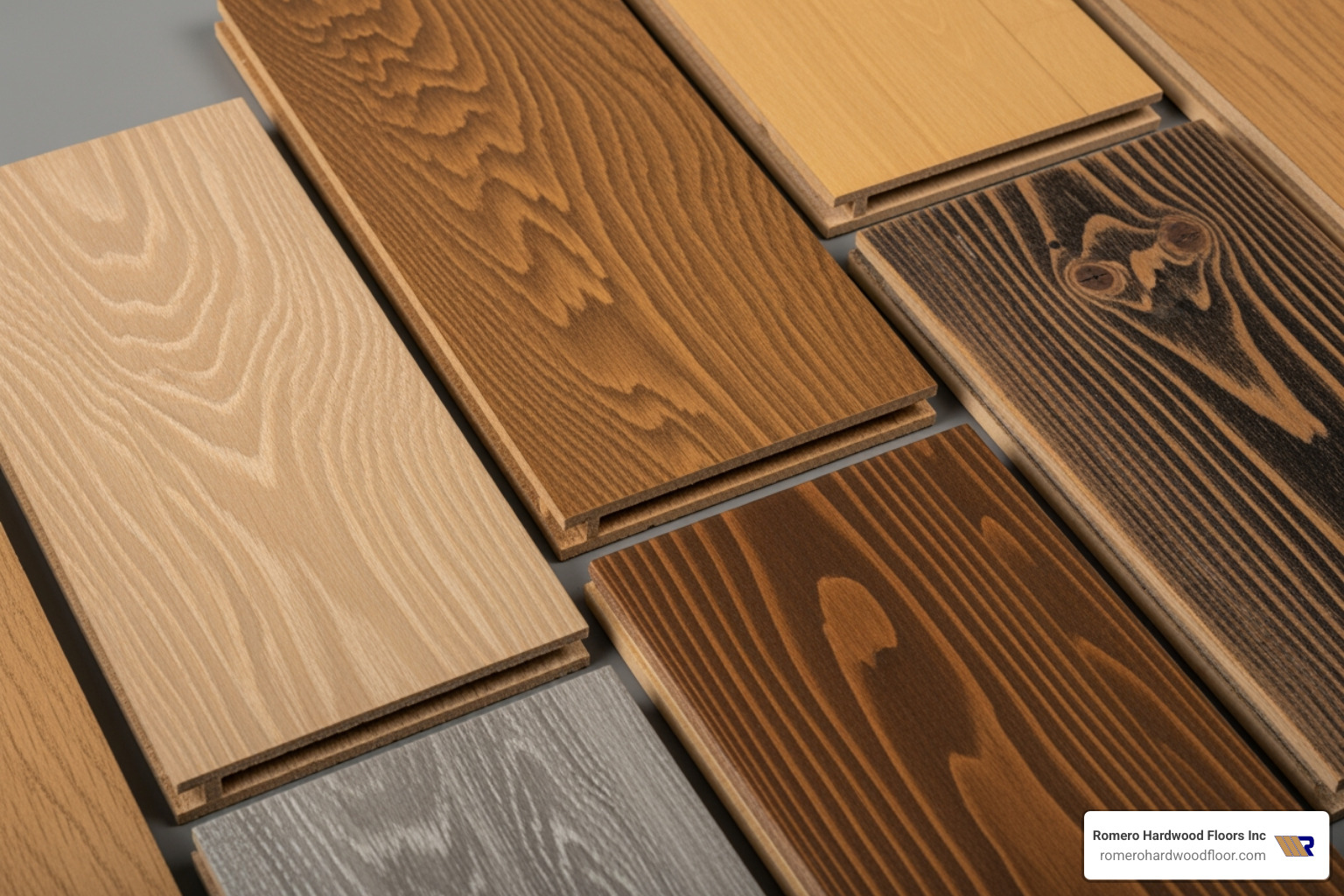
Solid Hardwood Flooring: The Timeless Classic
Solid hardwood flooring is, as the name suggests, 100% natural wood from top to bottom. Each plank is a single, solid piece of timber, typically ¾ inch thick. This classic choice is renowned for its enduring beauty and longevity, capable of lasting for centuries.
One of the most significant advantages of solid hardwood is its ability to be sanded and refinished multiple times throughout its lifespan. This means that as trends change, or if your floors experience significant wear and tear, we can bring them back to life, often making them look brand new. This makes solid hardwood a fantastic investment for any home, adding character and significantly increasing property value.
Common wood species include Oak, Maple, Ash, Walnut, and Hickory, each offering distinctive qualities and color tones. However, solid hardwood is more susceptible to humidity and temperature changes, causing it to expand and contract. For this reason, it’s generally best suited for installation on the main and upper levels of your home, where environmental conditions are more stable.
Engineered Hardwood Flooring: The Versatile Innovator
Engineered hardwood flooring is a marvel of modern manufacturing, designed to offer the beauty of real wood with improved stability. It consists of a top layer of real wood veneer (the “wear layer”) bonded to multiple layers of high-quality plywood or fiberboard. These layers are cross-stacked in alternating patterns, providing superior stability.
This layered construction makes engineered hardwood significantly more stable than solid hardwood, as it’s less susceptible to expansion and contraction due due to changes in humidity and temperature. This improved stability makes it a versatile choice, suitable for areas where solid wood might not be recommended, such as basements, powder rooms, kitchens, and utility rooms, or even over concrete subfloors. It’s also an excellent option for installation over radiant floor heating systems.
Engineered wood can often be installed using various methods, including floating, glue-down, or nail-down, offering flexibility for different subfloor types. Like solid hardwood, it improves aesthetics and can contribute to your home’s value. While it can be refinished, the number of times depends on the thickness of its real wood wear layer.
Learn more about engineered wood
Key Differences at a Glance
| Criteria | Solid Hardwood Flooring | Engineered Hardwood Flooring |
|---|---|---|
| Construction | 100% solid wood | Real wood veneer over plywood/HDF core |
| Installation Areas | Main and upper levels | All levels, including basements, kitchens, over concrete, and radiant heat |
| Moisture Resistance | Susceptible to humidity changes | More stable, better resistance to moisture and humidity |
| Durability | Very durable, lasts for centuries | Durable, longevity depends on wear layer thickness |
| Refinishing Potential | Multiple times | 1-3 times, depending on wear layer thickness |
| Average Material Cost | $4 – $15+ per square foot | $3 – $10+ per square foot |
The Anatomy of a Flawless Installation: A Step-by-Step Guide
The installation process is far more intricate than simply laying planks. It’s a multi-stage process that, when executed correctly by a skilled wood floor installation company, ensures a durable, beautiful result that performs for decades. Understanding what to expect from our professional crew helps you appreciate the investment and preparation involved.
Step 1: Homeowner Preparation and Initial Consultation
Before we even think about laying down new floors, there’s crucial groundwork to be done. We begin with a thorough in-home consultation, which is a fantastic opportunity for us to understand your vision, assess your space, and discuss your lifestyle needs. During this consultation, we’ll accurately measure the rooms, discuss potential layouts and patterns, and help you select the best flooring type, finish, and wood species to meet your aesthetic and practical requirements.
From your end, preparing your space involves moving furniture and clearing out the rooms where the installation will take place. We can often assist with furniture moving and old flooring removal, but it’s important to discuss these services upfront. If old flooring needs to be removed, we’ll take care of the demolition and disposal. This initial preparation ensures a clean slate and allows our team to work efficiently and safely.
Step 2: Subfloor Assessment and Wood Acclimation
This stage is absolutely crucial for preventing future issues like gapping, squeaking, or cupping. A proper subfloor is the backbone of any lasting hardwood floor. Our team will carefully check your subfloor for levelness and flatness. Any cracks, inconsistencies, or high/low points will be repaired or leveled, sometimes requiring the addition of plywood or OSB.
Next, we address moisture. Wood is a natural product that reacts to its environment, especially moisture. We use high-sensitive meters to test the moisture content of both the subfloor and the new wood flooring. After delivery, the wood needs an acclimation period, typically 3-7 days, in the room where it will be installed. This allows the wood to adjust to your home’s ambient temperature and humidity, minimizing future expansion and contraction. We also emphasize the importance of maintaining a stable indoor humidity level, ideally between 45% and 55%, year-round to control the natural movement of the wood.
Step 3: The Installation and Finishing
With the subfloor perfectly prepared and the wood properly acclimated, the real magic begins. Our skilled installers, like those at Romero Hardwood Floors Inc., adhere to National Wood Flooring Association (NWFA) guidelines to ensure a flawless installation. This means we know how to prevent common issues and manage the nuances of every project.
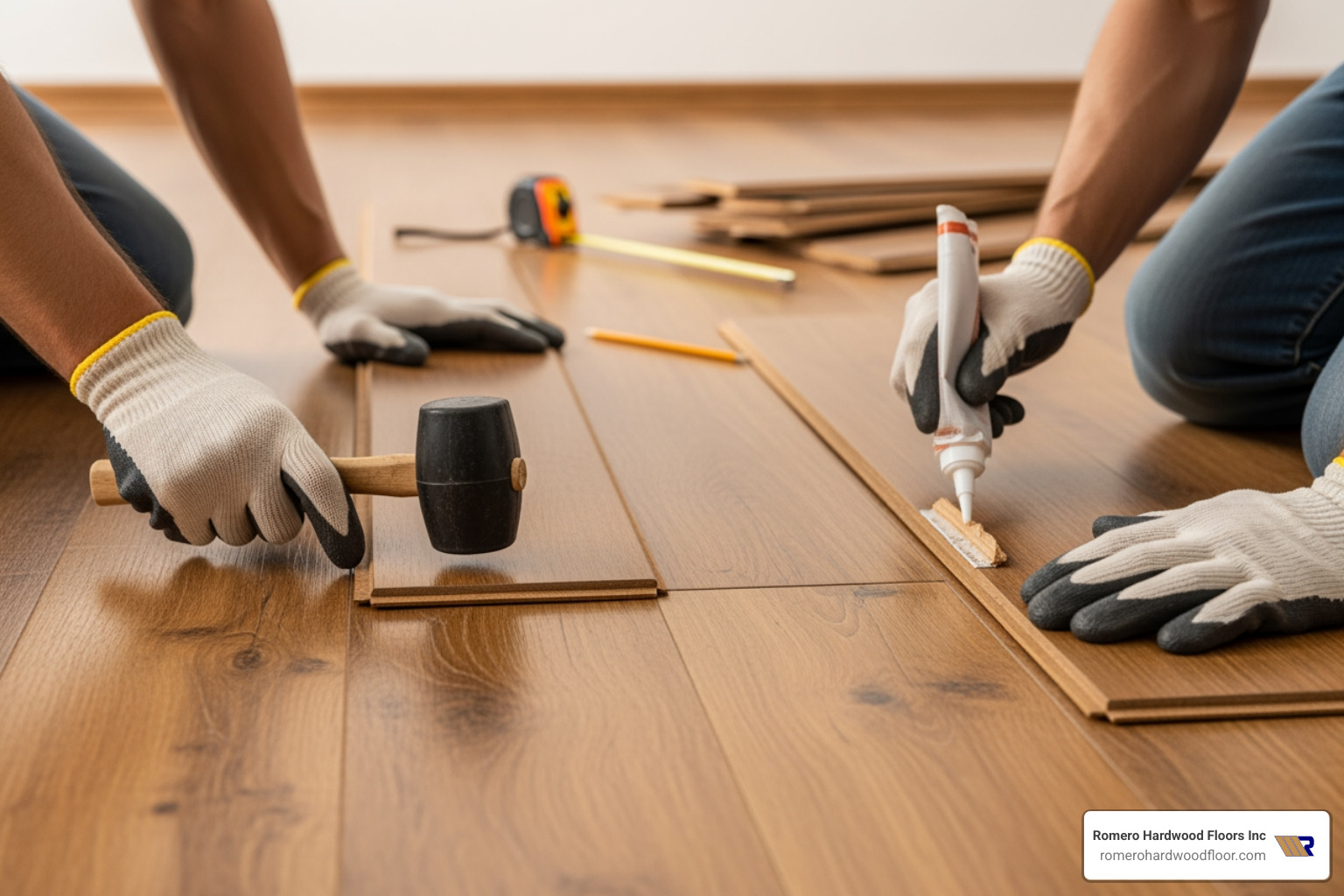
Depending on your chosen flooring type and subfloor, we use various installation methods:
- Nail-down/Staple-down: Primarily used for solid hardwood and some engineered wood over a wood subfloor. This method provides a very secure and traditional installation.
- Glue-down: Ideal for engineered wood, especially over concrete subfloors where nailing isn’t an option. This method provides excellent stability and reduces noise.
- Floating: Common for some engineered wood, where the planks are attached to each other but not directly to the subfloor, allowing the floor to “float” as a single unit.
Before laying the planks, a moisture barrier is often applied to protect against any residual moisture from the subfloor. For unfinished hardwood, once the planks are carefully installed, we move to the sanding and finishing phase. This involves sanding the floor to a smooth perfection, removing any imperfections, and then applying multiple coats of finish for protection and a beautiful, lasting sheen. Our team handles every aspect, ensuring a clean work environment and a stunning final product.
Learn more about our installation process
Vetting the Pros: How to Choose the Right Wood Floor Installation Company
Entrusting your home’s flooring to a wood floor installation company is a significant decision. Not all installers are created equal, and choosing the right one is key to protecting your investment and ensuring your floors look stunning for years to come. Here’s what we recommend considering before hiring.
Credentials and Experience Matter
When you’re looking for a professional, don’t be shy about asking for credentials. A reputable wood floor installation company should have:
- Years in Business: We, at Romero Hardwood Floors Inc., have been enhancing homes and businesses in Revere, MA, and surrounding areas like Beverly, Chelsea, Danvers, and Medford since 2006. This kind of longevity speaks volumes about a company’s reliability and expertise.
- Proof of License and Insurance: Always ensure the company carries proper licensing, worker’s compensation, and general liability insurance. This protects both you and the installers in case of accidents or unforeseen issues.
- Industry Certifications: Look for certifications like those from the National Wood Flooring Association (NWFA). These certifications indicate that the installers have the knowledge and skills to deliver a beautiful wood floor that will last a lifetime. The National Wood Flooring Association guidelines are an industry benchmark for quality.
- Reviewing Past Work and Testimonials: A strong portfolio and positive customer reviews are invaluable. They offer a glimpse into the company’s quality of work and customer satisfaction. We’re proud of our guaranteed workmanship and encourage you to explore our past projects and client feedback.
Understanding Estimates and Warranties
Transparency in pricing and clear guarantees are non-negotiable.
- Detailed, Written Estimates: Always request a comprehensive, written estimate that itemizes costs for both labor and materials. This helps you understand exactly what you’re paying for and minimizes surprises. We pride ourselves on transparent pricing and detailed contracts.
- Workmanship Guarantees: Clarify what kind of warranty or guarantee is offered on the installation itself. A reputable wood floor installation company will stand behind their work. We offer guaranteed workmanship, ensuring your peace of mind.
- Manufacturer Product Warranties: Understand the warranties provided by the flooring manufacturer for the materials you choose. This protects you against defects in the product itself.
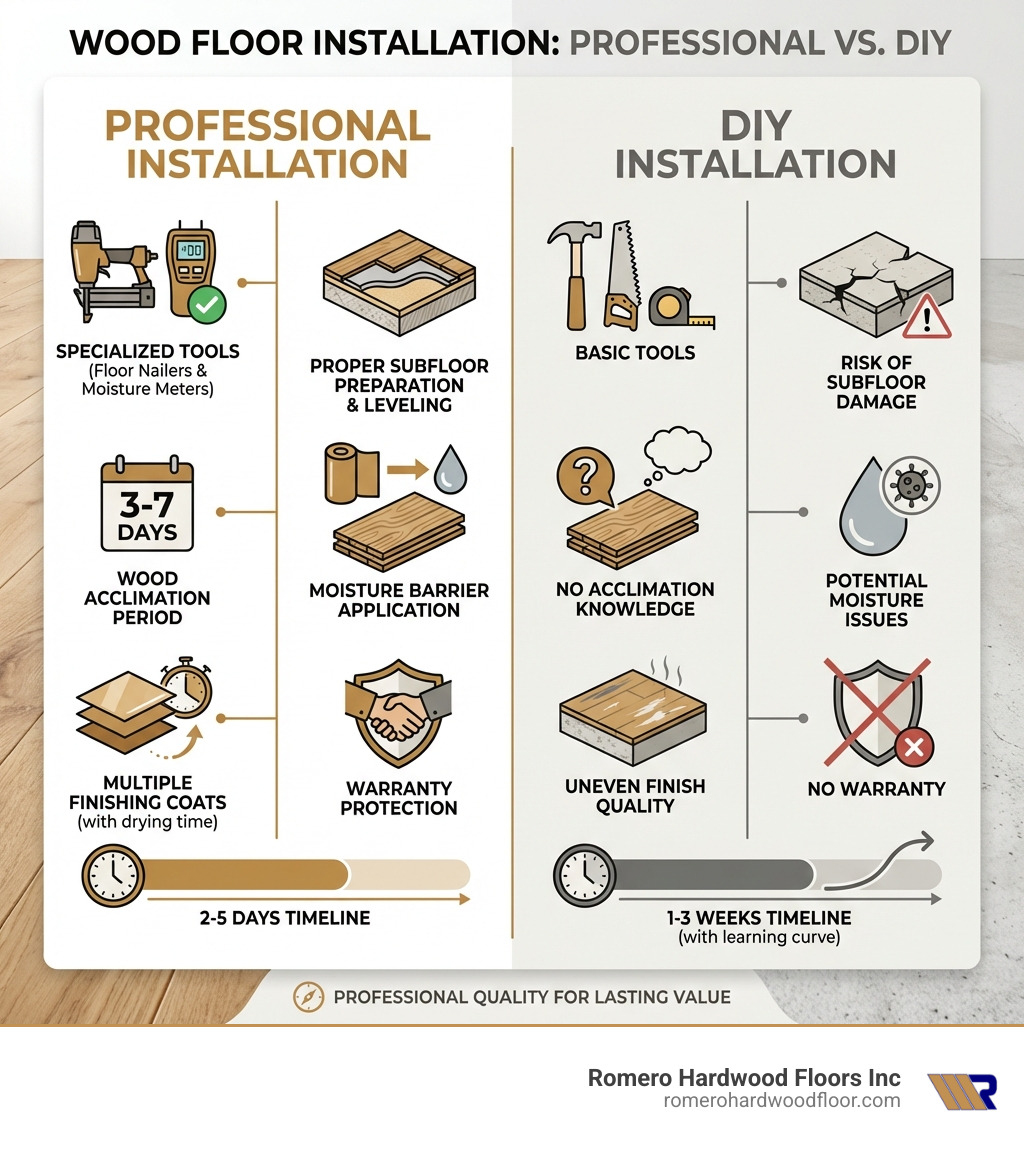
The Value of Professionalism vs. DIY
While a DIY approach might seem like a way to save money, hardwood floor installation is a complex trade where inexperience can lead to costly mistakes.
- Avoiding Costly Mistakes: Inexperienced installers or DIYers are prone to overlooking crucial details that can lead to significant problems down the line, such as gapping, squeaking, cupping, and even structural damage to the floor. Fixing a botched installation is often more expensive than hiring a professional initially.
- Access to Specialized Tools and Equipment: Professionals come equipped with specialized tools like moisture meters, floor nailers, and sanding equipment, which are essential for a high-quality finish and are not typically available to the average homeowner.
- Time and Labor Savings: Installing hardwood floors is labor-intensive and time-consuming. A professional team can complete the job efficiently, freeing up your time and saving you the physical strain.
- Peace of Mind: The biggest benefit of hiring a professional wood floor installation company is the peace of mind that comes with a guaranteed, expertly installed floor. We manage all aspects of floor installation, from delivery to fitting and finishing, ensuring a seamless experience and a beautiful result.
Budgeting for Beauty: Understanding Installation Costs
The cost of new hardwood floors is an investment in your home’s value and aesthetic appeal. Like any significant home improvement, several factors contribute to the final price. Understanding these elements will help you budget effectively for your project.
Factors That Influence the Final Price
The final cost of your hardwood floor installation will be a blend of material and labor expenses, influenced by several key variables:
- Flooring Material (Solid vs. Engineered): As we discussed, solid hardwood typically has a higher material cost than engineered hardwood. However, engineered wood can be more versatile in terms of installation locations.
- Wood Species (Oak vs. Exotic): The type of wood greatly impacts the price. Common domestic species like oak or maple are generally more affordable than exotic woods or highly specialized options.
- Total Square Footage: This is a primary driver of cost. The larger the area, the more materials and labor will be required.
- Subfloor Condition and Required Prep Work: A damaged, uneven, or moist subfloor will require additional preparation, repairs, or leveling, which adds to the overall cost.
- Complexity of the Layout or Pattern: Straightforward installations are less costly than intricate patterns like herringbone, chevron, or custom medallions, which demand more time, precision, and specialized skills.
Explore different installation patterns - Removal of Existing Flooring: If we need to remove old flooring, this will be an additional service with associated labor and disposal costs.
- Furniture Moving: While we can assist, moving furniture can sometimes incur extra charges, depending on the scope.
Average Cost of a wood floor installation company
Disclaimer: The following prices are based on general industry data and are not a quote for services. Costs can vary significantly based on location, complexity, and materials. For an accurate estimate for your specific project in the Revere, MA area, please contact us directly.
- Material costs can range from $3 per square foot for basic engineered options to over $25 per square foot for premium solid hardwoods, exotic species, or custom designs.
- Professional installation labor typically ranges from $2 to $12 per square foot, depending on the complexity of the installation, the type of flooring, and the specific services required (e.g., subfloor prep, trim work).
When you request an estimate from Romero Hardwood Floors Inc., we provide a detailed, written breakdown of all costs, ensuring complete transparency.
Preserving Your Investment: Long-Term Wood Floor Maintenance
Once your beautiful new hardwood floors are installed by a professional wood floor installation company, the journey doesn’t end there! Your floor’s beauty and durability can last a lifetime with proper care. Simple routines and periodic maintenance are essential to preserving your investment and keeping your floors looking pristine.
Daily and Weekly Care
Consistent, gentle care is the secret to long-lasting hardwood floors:
- Sweeping or Dust-Mopping Regularly: Dust, dirt, and grit are the enemies of hardwood, acting like sandpaper underfoot. Sweep or dust-mop daily or several times a week using a microfiber mop to pick up abrasive particles.
- Using a Manufacturer-Approved Cleaner: Avoid harsh chemicals, oil soaps, or excessive water, which can dull the finish or damage the wood. Always use a cleaning product specifically recommended for your floor’s finish.
- Cleaning Spills Immediately: Liquids can cause permanent damage, staining, or warping. Blot up spills promptly with a clean cloth.
- Using Protective Pads Under Furniture: Place felt pads under the legs of all furniture to prevent scratches and dents when moving pieces. Check these pads periodically to ensure they’re clean and intact, as trapped dirt can also cause damage.
- Placing Mats at Entryways: Strategically placed mats and rugs at all exterior doors will trap dirt, moisture, and debris before it’s tracked onto your hardwood, significantly reducing wear. Also, consider rugs in high-traffic areas.
- Control Sunlight: Use draperies or shades to block harmful UV rays, which can cause wood to fade or change color over time.
Long-Term Upkeep: Refinishing and Recoating
Even with the best daily care, hardwood floors will eventually show signs of wear. That’s when long-term maintenance comes into play.
- Signs of Wear: Look for areas where the finish appears dull, scratched, or worn, especially in high-traffic pathways.
- Recoating to Restore Sheen: If the finish is only lightly worn with no deep scratches, a professional recoat can restore its luster. This process involves cleaning the floor and applying a new coat of finish without sanding down to the bare wood.
- Sanding and Refinishing for Deep Damage: For floors with significant damage—deep scratches, gouges, discoloration, or areas where the finish has worn through to the bare wood—sanding and refinishing are necessary. This involves sanding off the old finish and a thin layer of wood, then applying new stain (if desired) and multiple coats of finish. This can make your old floors look brand new again.
- The Benefits of Professional Refinishing: While some DIY kits exist, professional refinishing ensures a smooth, even finish and proper dust containment. Our team at Romero Hardwood Floors Inc. has the expertise and equipment to restore your floors beautifully, whether they are solid or engineered hardwood (depending on the wear layer thickness).
Learn about floor sanding and refinishing services
Frequently Asked Questions about Wood Floor Installation
How long does wood floor installation take?
The timeline for wood floor installation varies depending on several factors, including the size of the project, the condition of the subfloor, and the type of wood flooring chosen. Generally, for a typical room of around 500 square feet, the process can take anywhere from 2 to 5 days from start to finish. This includes time for subfloor preparation, wood acclimation (which can be 3-7 days before installation begins), the actual laying of the planks, and any finishing work for unfinished wood. Complex patterns, extensive subfloor repairs, or large areas will naturally extend this timeline.
Can hardwood be installed over an existing floor?
In some cases, yes, but it largely depends on the type of hardwood and the existing floor. Engineered hardwood can often be “floated” over existing flat, stable, and dry hard-surface floors, provided the existing floor is in good condition and free of moisture. However, solid hardwood typically requires the removal of the old floor to access and properly prepare the subfloor. It is crucial that hardwood flooring, whether solid or engineered, should never be installed over soft, uneven surfaces. Always consult with a professional wood floor installation company to assess your specific situation.
How do I prevent gaps or cracks in my wood floors?
Wood is a natural, hygroscopic material, meaning it absorbs and releases moisture, causing it to expand and contract with changes in humidity. This natural movement is the primary cause of seasonal gaps or hairline cracks. While you can’t entirely eliminate this natural behavior, the best way to minimize seasonal gaps and cracks is to maintain a stable indoor humidity level between 45% and 55% year-round. This can be achieved using a humidifier in dry winter months and a dehumidifier in humid summer months. Proper acclimation of the wood before installation and adherence to NWFA guidelines during installation are also critical preventative measures.
Conclusion: Laying the Groundwork for Your Perfect Floor
Choosing the right material and a qualified wood floor installation company are the two most important steps in your flooring journey. A professional installation ensures your floors will not only look beautiful but will also perform for decades, adding lasting value and comfort to your home. From initial consultation and expert material selection to meticulous subfloor preparation and flawless installation, every step contributes to the longevity and aesthetic appeal of your hardwood floors.
For homeowners and businesses in the Revere, MA area, including Beverly, Chelsea, Danvers, East Boston, Gloucester, Lynnfield, Malden, Manchester by the Sea, Marblehead, Medford, Melrose, Nahant, Peabody, Reading, Rockport, Salem, Saugus, Somerville, Stoneham, Swampscott, Wakefield, Winchester, Winthrop, and Woburn, Romero Hardwood Floors Inc. offers expert installation with a commitment to quality, competitive pricing, and outstanding customer satisfaction. We are dedicated to changing your space with floors that you’ll love for years to come.
