
⭐⭐⭐⭐⭐ 130+ Google Reviews | MA HIC License 201133 | MA Construction Supervisor License CS115759
Hardwood Floor Contractor in Cambridge, MA
Cambridge's historic homes hold some of the most remarkable original hardwood floors in Greater Boston. Getting them right takes a contractor who understands what those floors are, and what they need. Romero Hardwood Floors has been restoring, installing, and refinishing hardwood floors in Cambridge homes since 2006.
MA Licensed & Insured. Dustless sanding. Eco-friendly finishing options. 1-year conditional workmanship warranty.
Where Historic Housing Stock Meets Exacting Standards
Serving Cambridgeport, Mid-Cambridge, Riverside, Porter Square, and Every Neighborhood In Between
Cambridge is a city where a 150-year-old floor and a brand-new installation can exist in adjacent rooms of the same renovation — and the contractor handling that job needs to know the difference between them before the sanding drum touches either one. Francisco has been working across Cambridge's range of housing stock since 2006, from the wide-plank pine in Old Cambridge Victorians to first-time hardwood installations in gut-renovated Inman Square condos.
The homeowners driving renovation work in Cambridge tend to be precise about what they want and why. They've thought about the floor — the species, the finish sheen, sometimes the pattern — before the estimate visit. Francisco meets that specificity with an equally thorough assessment: what the floor actually is, what its history has been, and what approach will produce the result the homeowner is describing. That alignment between expectation and outcome is why Cambridge jobs consistently end in the kind of reviews Francisco's public record reflects.
Our Services
Flooring and Remodeling Services for Cambridge Homeowners
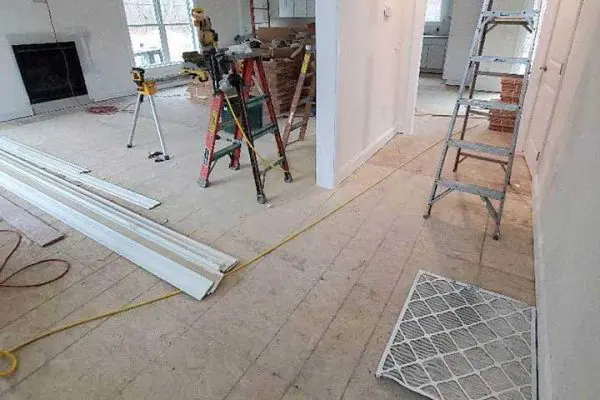
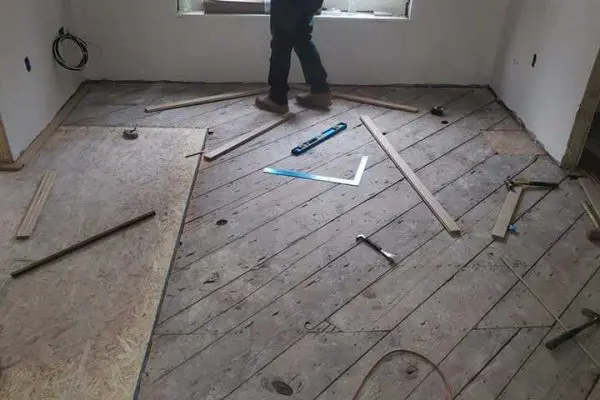
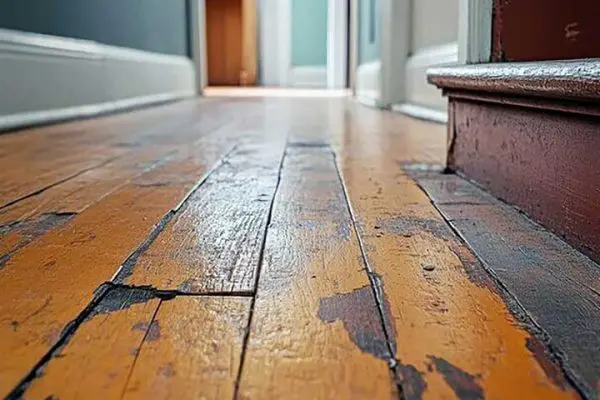
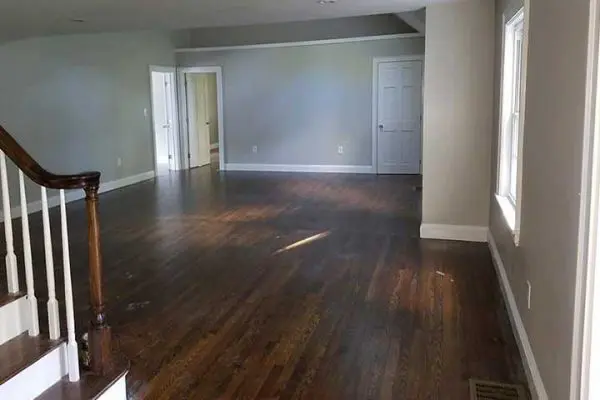
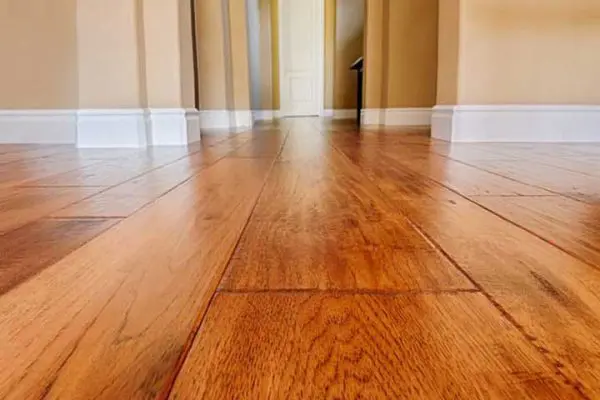
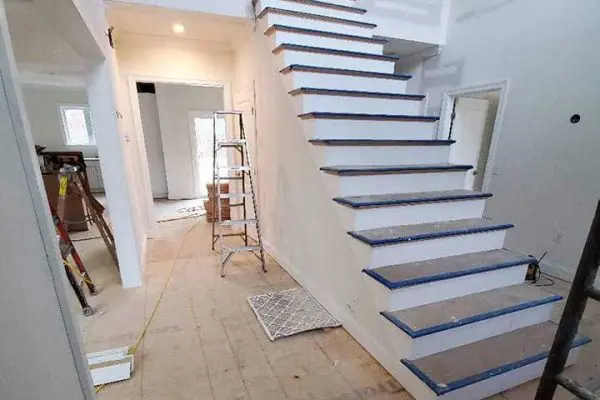
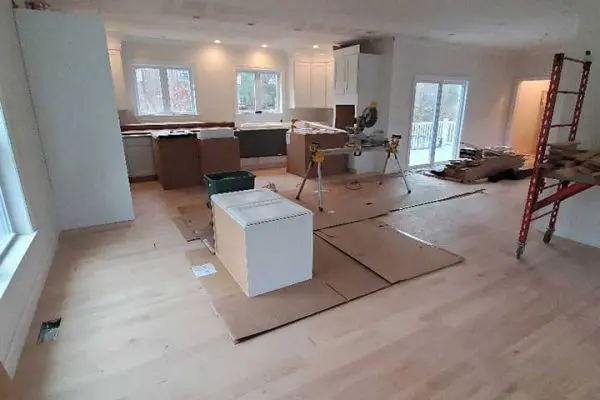
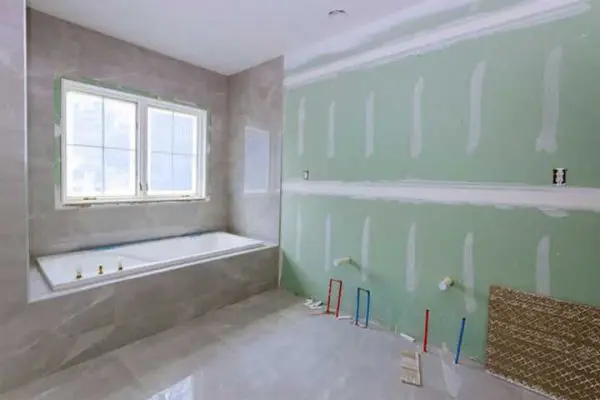
Francisco Romero — Two Decades of Cambridge Flooring Work
What 20 Years of Cambridge Floor Work Actually Looks Like
Francisco has been working in Cambridge homes long enough to know the housing stock the way only experience in the actual buildings produces. He knows that a Victorian on Sacramento Street in Cambridgeport is likely to have wide-plank pine in the formal rooms and early oak in the back hallways. He knows that a pre-war triple-decker near Porter Square typically has 2¼" red oak strip that's been refinished at least once before, and that the remaining thickness above the tongue-and-groove determines what's possible this time. He knows that a condo conversion in Inman Square may have the original floors on one level and a completely new subfloor on another, and that each one needs a different approach.
That kind of property-specific knowledge doesn't come from general flooring experience — it comes from being in Cambridge homes, repeatedly, over two decades. When Francisco looks at a floor during the estimate visit, he's reading it the way someone reads a document they've seen many versions of. The species, the finish history visible at the edges and under transitions, the remaining wood thickness, the subfloor condition — all of it informs the recommendation before a number goes on paper.
For Cambridge's active condo market — the converted multi-families, the new construction buildings near Kendall Square, the renovated properties across every neighborhood — Francisco handles HOA access coordination, building management requirements, and common-area protection as standard parts of job planning.
The Knowledge That Only Comes From Being in the Houses.
Every home, every challenge, and every completed project has added to the experience behind Francisco's recommendations.
Twenty years of Greater Boston work has taken Francisco into homes that most contractors never see. He's assessed wide-plank pine in Salem properties where the floors were older than the country. He's sourced period-matching boards for a Medford Victorian where the original chestnut couldn't be found at any standard supplier. He's installed custom chevron in a Newton kitchen where the homeowner had the pattern drawn out before the first call. He's done moisture remediation and LVP installation in Somerville basement units where a wood product would have failed within two seasons.
Every one of those jobs taught something specific — about species behavior, about finish compatibility, about what a particular era of construction produces under the covering material. That accumulated knowledge travels into every Cambridge estimate. When Francisco assesses a Cambridgeport Victorian or a Mid-Cambridge craftsman, he's not applying a general approach. He's reading the specific floor in front of him against the background of every similar floor he's worked on over two decades.
Cambridge homeowners who call after a referral have already heard from someone who went through that process. The 129 public Google reviews tell the same story independently — not curated feedback, but a documented pattern of what Francisco actually delivers across a broad range of properties and scopes.

Our Process
How Francisco Runs Every Cambridge Job
Romero Hardwood Floors keeps the process straightforward and the communication direct — so Cambridge homeowners aren't managing their contractor instead of the other way around. Every stage runs clearly, in English or Spanish as preferred.
Free In-Home Estimate
Francisco visits your Cambridge property in person, reads the floor directly — species, condition, finish history, remaining thickness — and delivers a written estimate within 24 hours. For historic properties, the assessment takes longer because there's more to understand before an approach is recommended.
Details Confirmation
All materials and specifications confirmed before the job is scheduled. For custom pattern work, the layout direction, species pairing, and stain selection are locked in before any material is ordered. For standard refinishing, the finish product and sheen level are confirmed with you before the first pass of sanding.
The Work Begins
Francisco is on the job personally throughout. Dustless sanding equipment runs on all Cambridge refinishing work — standard practice in a city where shared buildings and occupied adjacent units make dust containment a practical necessity, not just a quality preference. Any mid-job discovery is communicated immediately with specific options before anything changes.
Final Walkthrough & Sign-Off
Francisco walks every room of the completed work with you before the project is called finished. Outstanding items are resolved before sign-off. The 1-year conditional workmanship warranty begins at that point.
Proudly Local to Cambridge
Romero Hardwood Floors Local Community
Cambridge's housing stock tells the story of the city's growth across more than two centuries of construction. The oldest properties in Old Cambridge — the Federal and early Victorian homes on the streets around Harvard Square — have original wide-plank floors laid in widths that reflect timber availability before old-growth forests were gone from New England. The Victorian streetscapes of Cambridgeport and Mid-Cambridge carry early oak and pine in the main living areas and original pine throughout the service spaces, installed in an era when a well-built home was expected to last 200 years. The craftsman and late-Victorian homes around Porter Square and into the Agassiz neighborhood represent a transition period — narrower strip beginning to replace wide-plank, oak becoming the dominant species, original parquet appearing in entry halls of the more formal properties.
All of that housing exists alongside a robust contemporary renovation market. Kendall Square's growth has pushed residential renovation activity through the adjacent neighborhoods. Inman Square, East Cambridge, and the streets connecting to Somerville have seen a steady volume of condo conversions and gut renovations where new hardwood is going in for the first time. Cambridge is simultaneously a historic preservation city and an active renovation market — and Francisco has been working in both modes here since 2006.
What Cambridge homeowners tend to share is that they care about getting it right. The floors are part of a larger decision about the property, not an afterthought at the end of a renovation budget. That approach is exactly the kind of work Francisco takes seriously.
One Year of Coverage on Every Cambridge Project. No Exceptions.
The 1-year conditional workmanship warranty covers every Romero Hardwood Floors project completed in Cambridge — historic Victorian restoration, contemporary hardwood installation, custom pattern work, bathroom and kitchen renovation. If a workmanship issue appears in the first year, Francisco addresses it directly. No third party, no claim form, no delay while a contractor figures out whether your job is still in his service area. It's a straightforward commitment on work that has Francisco's name on it.
Frequently Asked Questions
Frequently Asked Questions About Hardwood Flooring in Cambridge, MA
Cambridge's oldest Victorians — properties from the 1860s through the 1890s — typically have original wide-plank white pine in formal rooms, sometimes with early oak in higher-traffic areas. Craftsman homes from the 1900s through the 1920s more commonly have 2¼" red or white oak strip. Each species responds differently to sanding and staining: pine is softer, takes stain unevenly, and requires a different technique than oak. Francisco identifies the species and finish history during the estimate visit and adjusts the approach accordingly — not applying the same process to every floor regardless of what it is.
Sometimes yes, sometimes no — and the answer depends entirely on how much wood remains above the tongue-and-groove, or in the case of face-nailed plank floors, above the nail heads. Francisco measures this during the estimate. If the floor has been sanded multiple times and the remaining material is too thin for another full sand cycle, he'll say so and present alternatives — screen and recoat to extend the finish life, targeted spot repairs, or stabilization without full sanding. A floor that's been over-sanded is irreplaceable, and Francisco won't contribute to that outcome.
The dustless system collects sanding particles directly at the drum and belt sander rather than allowing them to become airborne in the work space. In Cambridge's condo buildings — particularly the converted triple-deckers and multi-family properties where units share walls and stairwells — that containment is the difference between a refinishing job that affects one unit and one that generates complaints from the whole building. Francisco coordinates with building management on access hours, elevator use for equipment, and any notice requirements before the job begins.
Yes, and it's a genuine specialty. Cambridge's renovation market — particularly the full gut renovations in Inman Square and Cambridgeport, and the high-end single-family renovations in Mid-Cambridge and Riverside — has consistent demand for pattern floor installations. Francisco works through every design decision during the estimate: plank width, species, pattern scale, stain direction, and how the pattern terminates at walls and transitions to adjacent spaces. Nothing gets ordered until those decisions are confirmed.
Period-appropriate restoration means making choices that respect the floor's original character rather than imposing a contemporary aesthetic on historic material. For a Victorian floor, that typically means a sheen level lower than modern polyurethane's default, attention to the wood's natural grain and color rather than heavy staining, and in some cases a penetrating oil finish rather than a surface film finish for the oldest properties. Francisco discusses what period-appropriate options look like for your specific floor and property at the estimate — the goal is to end up with something that looks like it belongs in the house, not like a modern floor installed in an old one.
Yes. Francisco works in Cambridge's larger residential buildings — coordinating with building management on access windows, construction hours, elevator reservations for equipment and materials, and any required notice to neighboring units. For buildings with specific contractor requirements or insurance thresholds, he addresses those details during the project planning stage before work is scheduled.
Yes, and this is a common situation in Cambridge's renovated multi-family and condo properties. The approach for each section is calibrated to what's actually there — original hardwood assessed for refinishing potential, newer subfloor assessed for what installation method and product is appropriate. Francisco identifies the conditions in each area during the estimate and presents specific options for each, rather than a single approach across the whole property.
The fundamentals: sweep or dry-mop regularly rather than wet-mopping, use a cleaner formulated specifically for hardwood, keep felt pads under all furniture legs, and control indoor humidity variation through the seasons. For Cambridge's older floors with original oil-based finishes, product compatibility before any cleaner or maintenance product is applied matters — some modern products strip or cloud historic finishes. Francisco addresses maintenance-specific questions during the estimate visit and can recommend appropriate products for your floor's specific finish type.
Water-based, low-VOC finishes perform well on Cambridge's hardwood floors — oak, maple, and similar species. For original pine, which is softer and more porous, the finish selection conversation is more specific. Some water-based products raise the grain on pine more than oil-based alternatives, which affects how the finished surface feels and looks. Francisco discusses finish options specific to your floor's species during the estimate rather than applying a default recommendation across all materials.
Call (617) 913-0155 or use the estimate request form on this page. Francisco responds personally and schedules Cambridge estimate visits efficiently. For historic properties where the floor's character is central to what you're trying to achieve, he recommends mentioning that when you reach out — it helps him arrive at the estimate visit with the right questions.
Testimonials
What Homeowners Are Saying
Cambridge Floors. Historic or New. Done Right.
From Victorian wide-plank restorations to custom pattern installations in gut-renovated condos, Francisco brings the skill and two decades of Cambridge-specific experience to every job. MA Licensed. Insured. Dustless sanding. 5.0 Stars across 129 reviews. 1-year conditional workmanship warranty. Free in-home estimate.