
⭐⭐⭐⭐⭐ 130+ Google Reviews | MA HIC License 201133 | MA Construction Supervisor License CS115759
Hardwood Floor Contractor in Newton, MA
Newton homeowners have invested significantly in their properties, and the floors should reflect that investment. Romero Hardwood Floors installs, refinishes, and restores hardwood floors in Newton homes to the standard that the city's renovation market demands.
MA Licensed & Insured. Dustless sanding. Custom pattern capability. Eco-friendly finishes. 1-year conditional workmanship warranty.
Where Premium Renovation Standards Meet a Contractor Built for Them
Newton Centre, Newtonville, Chestnut Hill, West Newton — Thirteen Villages, One Consistent Standard
Newton is not one housing market — it's thirteen village centers, each with its own architectural era and renovation character. The Victorian and craftsman homes concentrated around Newton Centre and parts of Newtonville carry period hardwood that was installed when those neighborhoods were first built out, some of it approaching 130 years old and still in refinishable condition. The brick Colonials and Tudors of Chestnut Hill were built in an era when formal entry halls often got original parquet and the main living areas got the best oak available at the time. The mid-century and contemporary properties across Newton's quieter residential streets represent a different conversation — first-time refinishes, new installations in renovated spaces, and LVP in lower-level applications where the conditions call for it.
What Newton homeowners consistently bring to a flooring estimate is specificity. They know what they want the floor to look like. They've thought about how the pattern or finish will work with the other renovation decisions already made. Francisco's job in Newton isn't to explain what the options are — it's to execute on a level that matches what the homeowner already envisioned and what the property is worth.
Our Services
Flooring and Remodeling Services for Newton Homeowners
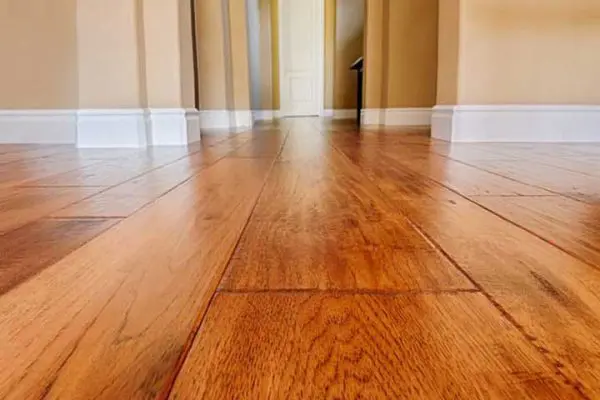
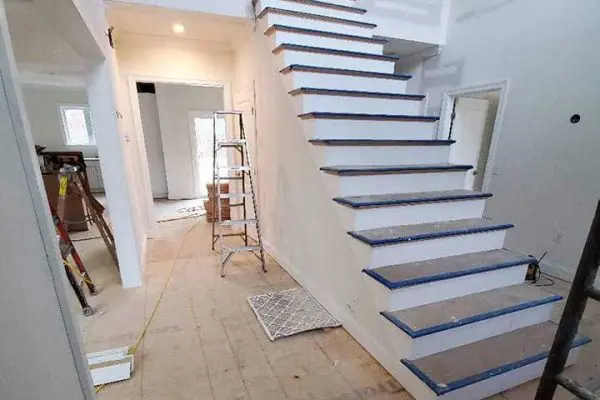
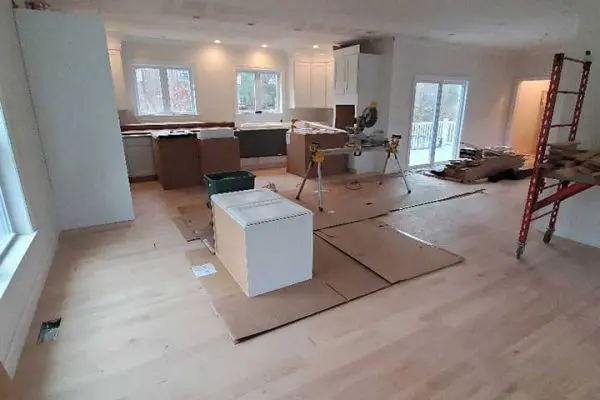
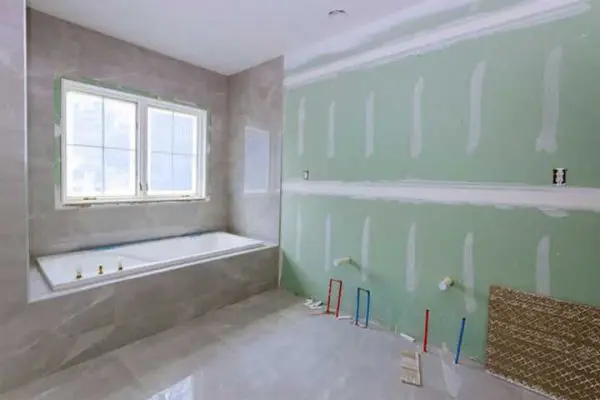
About the Contractor Behind Every Newton Job
A Flooring Contractor Built for Newton's Renovation Standard
Custom pattern flooring is where most Greater Boston contractors reach the edge of what they offer. The planning that herringbone and chevron work actually requires — layout origin points, pattern scale relative to room dimensions, how the pattern terminates at walls and doorways, which direction the stain reads across the grain — is different in kind from a straight-lay installation, not just in degree. Francisco has done this work across Newton and throughout the service area long enough that the planning process is systematic rather than improvisational.
The 5.0 Google rating across 129 reviews reflects the full scope of what Francisco delivers — not just the pattern installations, but the Victorian refinishes, the period restorations, the standard jobs where the bar is set by 20 years of consistent work rather than by the complexity of a single project. Newton homeowners who look through those reviews before calling find the same pattern across different scopes: the estimate was accurate, the work matched what was described, and Francisco was reachable when something came up.
MA HIC License 201133 and MA Construction Supervisor License CS115759 are current, active, and publicly verifiable at mass.gov. For Newton homeowners whose renovation projects cross into permitted scope, those licenses mean the work meets the code standards the City of Newton inspects against.
Every Property Francisco Has Worked on Made Him Better at the Next One.
Twenty years of hands-on experience across Greater Boston homes have shaped the expertise behind every Newton project.
The practical value of 20 years of Greater Boston flooring work isn't nostalgia — it's a reference set that changes how Francisco reads a Newton estimate. He's installed herringbone in a Newton Centre dining room where the layout origin had to account for a bay window that threw the geometry off-center. He's restored wide-plank pine in a Newtonville Victorian where the original shellac finish required a specific preparation step that a standard refinish process would have skipped. He's matched original quartersawn white oak in a Chestnut Hill Tudor where the ray fleck grain pattern made sourcing replacement boards for a repair a days-long process rather than a quick trip to a supplier.
Each of those situations produced knowledge that transfers directly to the next Newton job of the same type. When Francisco assesses a period floor in one of Newton's older properties, he isn't making educated guesses about what it needs. He's drawing on specific prior experience with the same materials, the same construction era, and the same kinds of decisions that Newton homeowners are navigating when they call him.
The referral network that brings most Newton work to Romero Hardwood Floors is a reflection of that depth. Homeowners who commissioned custom pattern work and got exactly what they pictured tell the neighbors who are planning the same renovation. The public review record documents the same pattern across 129 accounts — consistent execution, regardless of scope.

Our Process
How Francisco Manages a Newton Project From First Visit to Final Sign-Off
Romero Hardwood Floors keeps the project management on Francisco's end — so Newton homeowners are making decisions, not tracking down their contractor. Every stage runs clearly, in English or Spanish as preferred.
Free In-Home Estimate
Francisco visits your Newton property, assesses the floor or renovation scope in person, and delivers a written estimate within 24 hours. For custom pattern projects, the estimate visit includes the layout conversation — where the pattern centers, how it meets the walls, what species and stain direction the homeowner is working toward.
Details Confirmation
Every specification confirmed before anything is ordered or scheduled. For pattern installations, this means species, plank width, pattern scale, stain direction, and border treatment — all settled in writing before material is purchased. For refinishing and standard installations, finish product, sheen level, and stain selection. The job goes on the calendar when every decision is locked in.
The Work Begins
Francisco is on the Newton job personally, every day. Dustless sanding equipment on all refinishing work. For pattern floors, layout is verified on the subfloor before a single board is fastened. If anything turns up mid-project that changes the scope — a subfloor condition, a species inconsistency, anything that wasn't visible at the estimate — Francisco contacts you directly before making a move.
Final Walkthrough & Sign-Off
Romero Hardwood Floors walks the finished work with you before the project closes. Every concern is addressed. The 1-year conditional workmanship warranty begins at sign-off.
Proudly Local to Newton
Romero Hardwood Floors Local Community
Newton's thirteen village centers don't share a single renovation story — they share a commitment to doing the work properly. Newton Centre's older Victorians and craftsman homes, on the streets that radiate out from the village center toward the Newton Highlands and Nonantum edges of the city, carry original hardwood that has survived in remarkable condition because the properties have been owner-occupied and carefully maintained across multiple generations. When a Newton Centre homeowner pulls carpet in a room that hasn't been touched since the 1970s, what comes up is frequently oak or pine that responds to a proper refinish the way genuinely old growth wood does — deeply, with a character that no new-growth product replicates.
Chestnut Hill's larger properties represent Newton's most architecturally significant residential buildings. Entry halls with original parquet. Formal rooms with period hardwood that was installed when the house was designed as a unified aesthetic object rather than assembled from separate decisions. The flooring in these properties belongs in the hands of a contractor who can read what it is before touching it — and who understands that period-appropriate treatment is a different brief than a standard renovation finish.
The newer construction and mid-century properties across West Newton, Waban, and Newton Highlands carry their own floor story. First refinishes on original oak that has held up across 60 or 70 years of use. New hardwood going into renovated spaces where the previous material wasn't worth saving. Custom pattern installations in kitchens and primary bedrooms where the renovation budget and the homeowner's vision both point toward a floor that was designed, not just selected. Francisco has worked in all of it — and the consistency of the outcome across Newton's range is what the referral network here is built on.
The Same Warranty on a Custom Chevron Floor as on a Standard Refinish
The 1-year conditional workmanship warranty on every Romero Hardwood Floors project covers Newton jobs at every scope level — period restoration, standard installation, and custom pattern work. A pattern floor that develops an alignment issue, a finish that shows premature failure, a repair that doesn't hold to the surrounding floor's character — these are workmanship issues that get corrected directly. The complexity of the job doesn't reduce what the warranty covers. Francisco stands behind the work the same way regardless of how involved the project was.
Frequently Asked Questions
Frequently Asked Questions About Hardwood Flooring in Newton, MA
Newton's Victorian and craftsman homes — primarily in Newton Centre, Newtonville, and parts of Newton Highlands — typically have narrow-strip red or white oak in main living areas, sometimes with original wide-plank pine in the oldest formal rooms. The brick Colonials and Tudors of Chestnut Hill from the 1910s through the 1930s more commonly feature 2¼" or wider oak strip, occasionally with original parquet in entry halls. Mid-century construction across the city's quieter neighborhoods generally carries 2¼" red oak strip that has held up well under decades of use. Francisco identifies species, assesses finish history, and measures remaining thickness during the estimate visit before any recommendation is made.
It's achievable in a much wider range of Newton homes than most homeowners assume. The requirements are a sound subfloor, sufficient ceiling height for the pattern layout process, and a room geometry that works with the scale of the chosen pattern. Herringbone in a dining room or entry hall, chevron in a kitchen — these are realistic projects in Newton's housing stock at a range of scales. Francisco works through the geometry and design specifics with each homeowner at the estimate, so the decision about whether it's achievable for a particular room is based on the actual conditions, not a general assumption.
In most cases, yes. Original parquet in Chestnut Hill properties was typically installed with quality timber and proper adhesive, and if it hasn't been heavily sanded before, it often has sufficient remaining thickness for a professional refinish cycle. The restoration process is more involved than a standard sand-and-finish — individual blocks may need to be re-adhered, damaged sections sourced to match, and the finish approach calibrated to the species and original character of the parquet. Francisco assesses the specific condition of the parquet during the estimate visit and gives you a straight picture of what restoration can realistically achieve versus what replacement would cost.
Period-appropriate treatment means making choices that respect the material's original character — sheen levels that read correctly in a pre-war room, finish types that don't impose a modern look on a floor that was installed in 1905, and in some cases penetrating oil rather than surface-film finish for the oldest properties. For Victorian and craftsman-era floors in Newton, this typically means lower sheen levels than modern polyurethane's default and careful stain direction that enhances the wood's natural color rather than masking it. Francisco discusses these options specifically at the estimate based on what the floor actually is.
Francisco handles the full scope — demolition, framing coordination where needed, tile selection and installation, fixture and cabinetry installation, and all finish work — as a single licensed contractor. Newton homeowners working at the renovation level common in this market benefit from having one person accountable for how each decision integrates with the next, rather than separate contractors making independent choices that don't always align. Permitting requirements for the City of Newton are identified at the estimate and built into the timeline from the start.
Sometimes, and it requires sourcing rather than stocking. For Newton's oldest Victorian properties — particularly those with chestnut, early wide-plank pine, or pre-war quartersawn oak — Francisco sources replacement boards from salvage suppliers and specialty flooring companies that carry period-appropriate stock. The process takes longer than a standard repair job, which is factored into the estimate. The goal is a repair that reads as original, not as an insertion.
Custom pattern work — herringbone, chevron, parquet — costs more than straight-lay installation because it requires more material (pattern cutting generates waste), more labor (layout and precise cutting), and more planning time. The premium varies based on pattern complexity, room geometry, and species. Francisco provides a specific, itemized estimate for custom pattern work after the in-home visit, where the layout conversation happens. The number reflects the actual scope of the project, not a markup applied to a standard installation price.
For oak — whether early narrow-strip or wide-plank — water-based, low-VOC finishes perform very well and are Francisco's standard recommendation for most Newton residential work. For older pine, the conversation is more specific: pine is softer and more porous, and some water-based products raise the grain differently than oil-based alternatives. Francisco discusses finish options specific to your floor's species at the estimate, rather than defaulting to a single product across all materials.
Custom pattern installations require a longer scheduling lead time than standard jobs — material needs to be sourced and confirmed before the job goes on the calendar, and pattern installations take more days than straight-lay work of the same square footage. For Newton homeowners planning a custom pattern floor as part of a larger renovation, Francisco recommends reaching out as early in the renovation planning process as possible to build the floor timeline into the overall project schedule. Call (617) 913-0155 or submit the estimate request form and Francisco will give you a realistic timeline based on current availability.
Newton Floors. Thirteen Villages. One Standard.
Period restorations, custom pattern installations, and standard refinishing — all done with the same licensed, insured, dustless-sanding approach and backed by the 1-year conditional workmanship warranty.