
⭐⭐⭐⭐⭐ 130+ Google Reviews | MA HIC License 201133 | MA Construction Supervisor License CS115759
Hardwood Floor Contractor in Salem, MA
Salem's historic homes hold some of the oldest and most remarkable original floors in the Greater Boston service area. Romero Hardwood Floors brings 20+ years of hardwood floor expertise, including extensive experience with antique and period floors, to every Salem job.
MA Licensed & Insured. Dustless sanding. Eco-friendly finishing options. 1-year conditional workmanship warranty.
Where the Age of the Floor Changes Everything About How You Approach It
McIntire Historic District, Chestnut Street, Derby Street, and the Full Span of Salem's Centuries of Residential Construction
Salem's residential properties span a timeframe that no other community in the service area matches. The Federal-period homes in the McIntire Historic District were built in the late 1700s and early 1800s by craftsmen who understood timber quality in ways modern construction doesn't reflect — and the wide-plank pine floors in those buildings are approaching 200 years old and still in use. The Victorian-era properties along Chestnut Street and the surrounding blocks from the 1840s through the 1880s carry early oak and chestnut that was installed during Salem's most economically productive decades. The turn-of-the-century housing that fills in the residential streets beyond the historic core represents the transition to narrow-strip red oak that became the standard across Greater Boston. And Salem's newer construction, renovated condos, and contemporary installations represent the full current range.
Francisco works across that entire span — but Salem is a city where the assessment is never routine. The right approach for a Federal-period pine floor and the right approach for a 1970s colonial are separated by more than two centuries of material difference, and Francisco treats that distinction seriously at every estimate visit.
Our Services
Flooring and Remodeling Services for Salem Homeowners
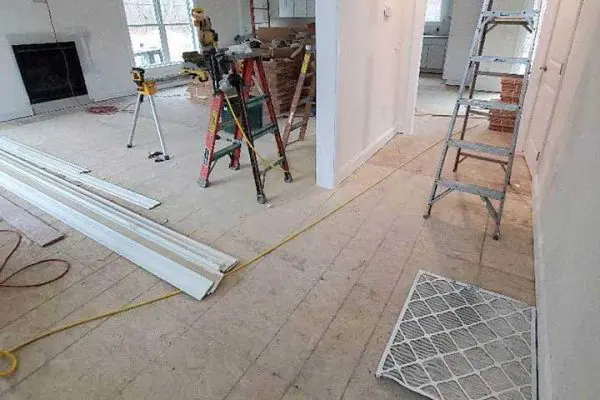
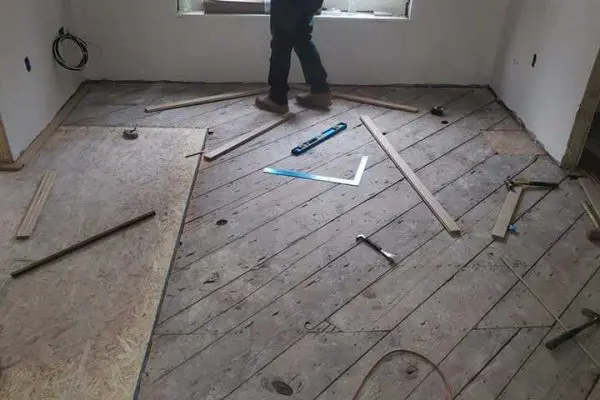
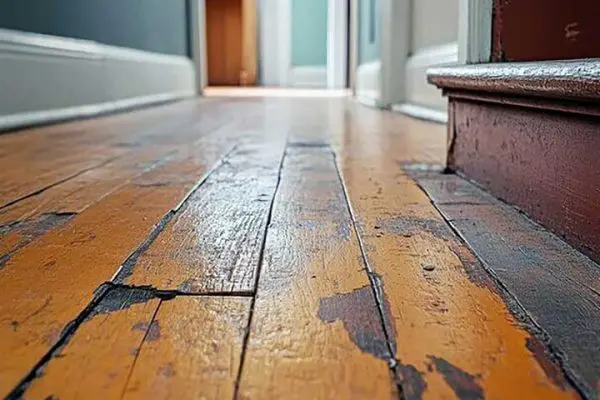
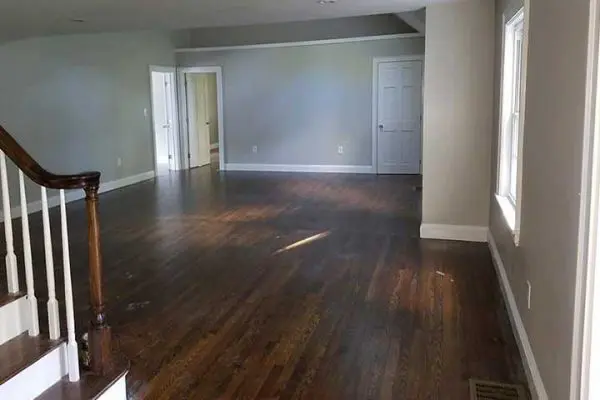
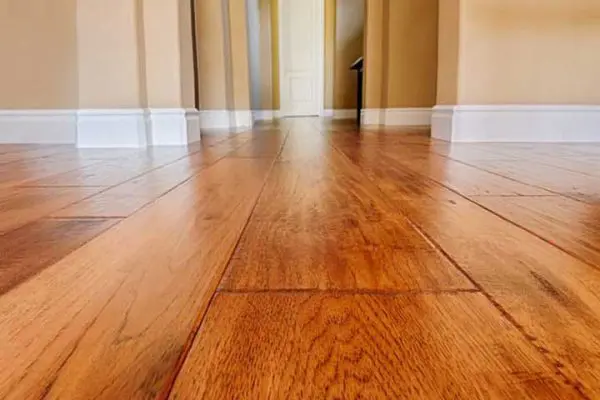
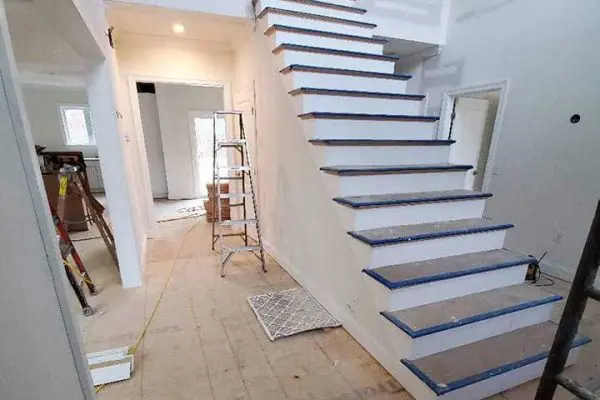
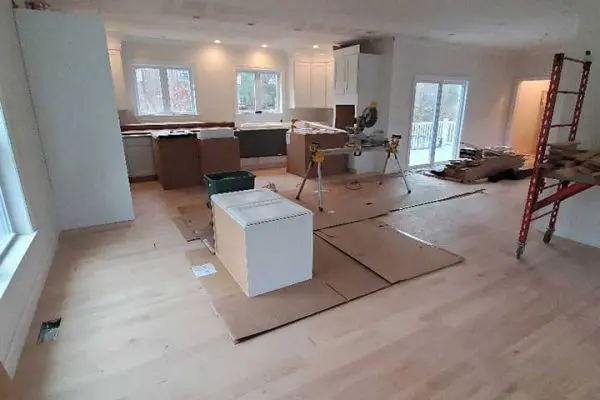
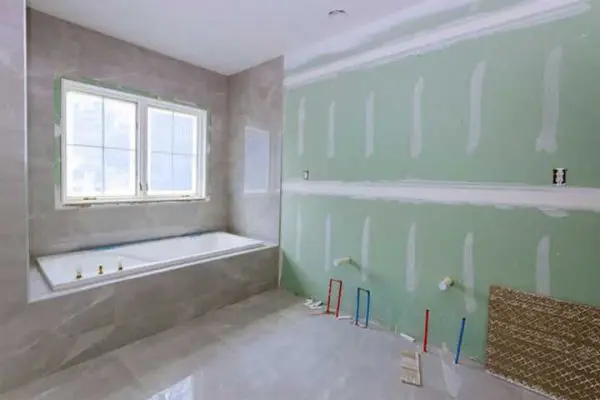
The Flooring Contractor Salem's Historic Properties Demand
Reading a 200-Year-Old Floor Correctly Before Touching It — That's What Salem Properties Require
The practical skill that Salem's historic properties demand from a flooring contractor isn't primarily technical — it's diagnostic. Before the right technique can be applied, the right assessment has to happen. What species is this floor? How many times has it been sanded, and what does the remaining thickness above the tongue-and-groove (or above the subfloor in pre-tongue-and-groove construction) actually allow? What was the original finish type — oil, shellac, early polyurethane — and what does that mean for compatibility with modern finish products? Is this floor a restoration candidate or has it been worked to the point where another sand cycle would damage rather than improve it?
Francisco works through those questions systematically at every Salem estimate visit because the consequences of getting them wrong fall entirely on the floor — which in Salem's Federal and Victorian properties is often an irreplaceable material. An over-sanded antique pine floor cannot be undone. A finish product that isn't compatible with the underlying historic finish can create adhesion failures that are expensive to correct. Francisco's 20 years of working with period floors across the North Shore and Greater Boston is the experience base that makes the assessment reliable.
For Salem's contemporary properties — the newer condos, the renovated units, the first-time refinishes on mid-century construction — the diagnostic complexity is lower, but the same fundamental principle applies: the estimate visit is where Francisco understands the floor before recommending what to do with it, and the recommendation comes from what he found, not from what the most common job usually looks like.
The Property That Taught Francisco Something. Every One of Them.
Every project has added to the experience Francisco brings to the next home and every recommendation he makes.
Twenty years of North Shore and Greater Boston flooring work has taken Francisco through properties that covered the full range of what the region's housing stock produces. He's worked in Lexington colonials where the floors near the Battle Green required a pre-sand assessment so detailed it took longer than the estimate for a standard job. He's sourced period-matching wide-plank stock for Cambridge Victorian repairs where the boards needed to be salvage-milled to match grain patterns no commercial supplier carries. He's done full bathroom renovations in Brookline pre-war buildings where original plumbing configurations turned a straightforward renovation scope into an engineering problem. He's installed custom herringbone in Somerville kitchen renovations and matched antique chestnut in Medford properties where the species hasn't been in production for generations.
Each of those jobs built specific knowledge that transfers directly into how Francisco reads a Salem property. The Federal-period home on Essex Street and the Victorian on Chestnut Street are both familiar material territory — not because Francisco has worked in those specific buildings, but because he's worked in buildings of the same era, with the same construction methods and the same timber species, enough times to know what the floor is likely to need before he sees it.
Salem homeowners who call Francisco after a referral have typically already heard this described in practical terms by whoever sent them. The 129 public Google reviews reflect the same picture independently: the assessment was honest, the approach was specific to the material, and the result was what the homeowner was told it would be.

Our Process
How Francisco Approaches a Salem Job — Assessment First, Everything Else After
Romero Hardwood Floors places the assessment at the center of every Salem project — because in a city where the floor might be two centuries old, the assessment determines the approach before any other decision is made. Every stage runs in English or Spanish as preferred.
Free In-Home Estimate
Francisco visits your Salem property and conducts a thorough assessment of the floor: species identification, original finish type, refinishing history, remaining wood thickness, and structural integrity. For historic properties, this assessment is longer and more detailed than a standard estimate visit because it determines what the floor can support before anything is recommended. Written estimate within 24 hours.
Details Confirmation
All materials and specifications confirmed before the job is scheduled. For period restoration work, finish compatibility with the existing material is addressed at this stage. For pattern installations, species, layout, and stain direction are confirmed in writing before material is sourced. The job goes on the calendar when every decision is settled.
The Work Begins
Francisco is on every Salem job personally, every day it runs. Dustless sanding applied with technique calibrated to the specific material — the approach for Federal-era pine is not the approach for early Victorian oak, and neither is the approach for contemporary red oak strip. Any discovery mid-project that changes the scope is communicated immediately with clear options before anything changes.
Final Walkthrough & Sign-Off
Francisco walks the finished work with you before the project is called complete. Every outstanding item addressed before sign-off. The 1-year conditional workmanship warranty begins at that point — including on period restoration work where the technique was specific to the material.
Proudly Local to Salem
Romero Hardwood Floors Local Community
Salem is a city where the built environment is part of the identity rather than just the backdrop. The McIntire Historic District's Federal-period homes — the work of Samuel McIntire and his contemporaries, built in the decades following the Revolution — have wide-plank pine floors that have been walked on by residents whose lives spanned the entire history of the United States as a nation. The care those floors receive now is a direct extension of the care that kept them through two centuries of use, and the contractor who works on them carries a specific responsibility to that material.
Chestnut Street's Victorian properties represent Salem's industrial-era prosperity in built form — houses constructed when Salem was a trading and manufacturing city of real economic weight, with floors that reflect the material quality available during the city's most productive decades. Early oak and chestnut in widths that the early 20th century's shift to narrower-strip production eliminated from standard residential construction. These floors come up to professional refinishing in remarkable condition when the covering material that's been protecting them since the mid-20th century is finally removed — and the result, done correctly, is one of the more extraordinary things Francisco does in his service area.
The residential neighborhoods beyond Salem's historic core carry a different character — the turn-of-the-century worker housing near the waterfront, the post-war properties on the residential streets running toward the Beverly and Peabody borders, the contemporary condos and renovated units scattered across the city. Francisco works in all of it with the same licensed, insured, warranted standard. What changes in Salem is the weight of the assessment that precedes the work — because in no other city in the service area does getting the diagnostic step right matter as much as it does here.
The Warranty That Follows Every Salem Job — Historic Material or Contemporary Installation
The 1-year conditional workmanship warranty on every Romero Hardwood Floors project covers Salem jobs in full — Federal-era pine restoration, Victorian oak refinishing, contemporary hardwood installation, and full bathroom and kitchen renovation. The warranty on a period restoration job reflects Francisco's confidence that the assessment was correct, the technique was appropriate for the material, and the result is sound. A workmanship issue that surfaces in the first year gets addressed by Francisco directly — no third party, no question about whether the historic nature of the property affects what the warranty covers.
Frequently Asked Questions
Frequently Asked Questions About Hardwood Flooring in Salem, MA
The key measurement is remaining wood thickness above the tongue-and-groove joint — or above the subfloor in the case of face-nailed plank construction that predates tongue-and-groove. Francisco measures this directly during the estimate visit using a combination of visual assessment at joints and edges and mechanical measurement where accessible. For solid ¾" hardwood, the practical threshold for safe sanding is typically around 5/16" of remaining wear layer — below that, refinishing risks cutting into the tongue-and-groove and compromising the floor's structural integrity. When Francisco measures a Salem floor below that threshold, he says so directly and presents alternatives rather than proceeding with a refinish that would damage an irreplaceable material.
Federal and Colonial-period properties from the late 1700s through the early 1800s typically carry wide-plank white pine — the dominant local timber of the era — in widths of 10 to 16 inches in some cases. Victorian-era properties from the 1840s through the 1880s more commonly feature early American chestnut, where it survived the blight that eliminated the species from production in the early 1900s, along with early oak in the main living areas. Turn-of-the-century construction from the 1890s through the 1920s shifted to narrow-strip red oak. Each species responds differently to sanding pressure, stain products, and finish compatibility — and Francisco adjusts his approach accordingly rather than treating all of them as interchangeable.
Yes, Francisco works in the McIntire Historic District and other Salem preservation areas. The historic district context shapes the conversation about what approaches are appropriate — particularly around finish sheen level, stain color range, and whether modern surface-film finishes are the right choice for the oldest properties in the district. Francisco discusses period-appropriate options at the estimate visit, working within the preservation sensibility the property demands while being realistic about what each option produces in terms of durability and appearance.
A screen-and-recoat lightly abrades the existing finish surface and applies a fresh topcoat — it restores sheen and addresses minor surface wear without removing wood. For Salem's oldest floors where remaining thickness is the primary concern, a recoat may be the only responsible option available. A floor that can't support another full sand cycle can still have its finish refreshed and protected without removing material. Francisco assesses whether a full refinish or a recoat is the appropriate call at the estimate, based on measured remaining thickness rather than visual assessment alone.
Yes. Pattern installations in Salem's historic properties are approached with particular attention to how the pattern relates to the property's architectural era and character. Parquet has a genuine historic relationship with Salem's Victorian-era formal rooms — it was a common feature in the entry halls and parlors of properties built during the city's most prosperous decades. Francisco works through the design, species, scale, and stain direction for each pattern installation with the homeowner, giving specific attention to how the pattern will read within the historic context of the room.
Salem's position on the North Shore coast creates humidity variation throughout the year that affects hardwood floor behavior — seasonal expansion and contraction in wood that is greater than in inland properties. For Salem properties near the Derby Street waterfront and the waterfront-adjacent neighborhoods, Francisco accounts for this in species selection, installation method, and finish product. Engineered hardwood handles humidity variation better than solid in high-exposure applications; LVP is the appropriate product for at-grade and below-grade rooms in Salem's coastal properties. These recommendations come out of the estimate assessment of the specific property's conditions, not from a general coastal rule applied universally.
Yes. Francisco conducts every part of the project — estimate, material selection, scheduling, and final walkthrough — in Spanish for Salem homeowners who prefer it. Salem's North Shore location and community demographics make bilingual service a practical asset for a portion of the homeowner community Francisco serves here.
For Federal-era properties, Francisco typically recommends low-sheen or matte finish products — high-gloss polyurethane reads as contemporary rather than period-appropriate in a room built in 1805. Penetrating oil finishes are also discussed for the oldest properties, where a finish that doesn't form a film on the surface preserves the tactile quality of the wood in a way surface-film finishes don't. For Victorian-era properties, the sheen conversation is more flexible — Victorian finishes included oil-varnish blends that modern water-based products can approximate in appearance. Francisco discusses the specific options for each floor's era and species at the estimate visit.
For standard refinishing and installation, Francisco typically schedules within two to four weeks of first contact depending on the season. For period restoration work — particularly where species sourcing for repairs is involved or where the assessment reveals conditions that require additional preparation — the planning window is longer. Francisco recommends reaching out as early as possible for complex Salem restoration projects so the sourcing and material confirmation steps don't hold up the scheduling.
Call (617) 913-0155 or use the estimate request form on this page. Francisco responds personally and schedules Salem estimate visits efficiently. For historic properties, noting the property's approximate age and whether the floors are original when you reach out helps Francisco arrive at the estimate visit prepared for the specific assessment those floors require.
Salem's Floors Have Survived Centuries. The Right Contractor Helps Them Survive More.
From Federal-era wide-plank pine in the McIntire District to Victorian oak on Chestnut Street to contemporary installations across the city, Francisco brings the assessment depth and technical care that Salem's flooring work requires.