
⭐⭐⭐⭐⭐ 130+ Google Reviews | MA HIC License 201133 | MA Construction Supervisor License CS115759
Laminate and LVP Installation in Revere, MA
Today's luxury vinyl plank and laminate floors aren't the products homeowners remember from ten years ago. Installed correctly, they're durable, realistic, and built to last. Francisco Romero-Ibarra installs LVP and laminate with the same subfloor preparation standards and installation precision he brings to every hardwood job. MA Licensed & Insured. 1-year conditional workmanship warranty on every installation.
About the Service
The Evolution and Performance of Modern Floating Floors
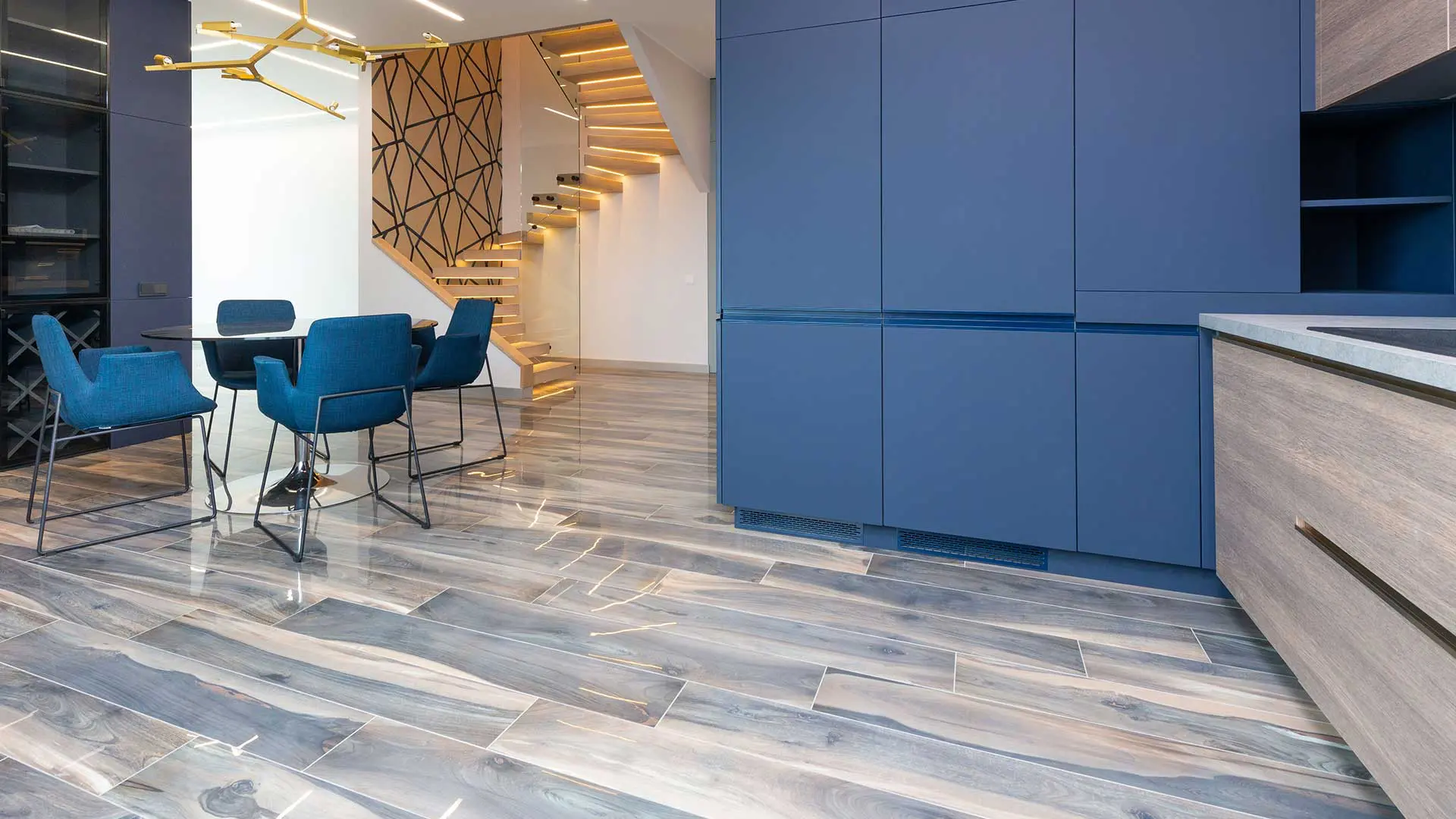
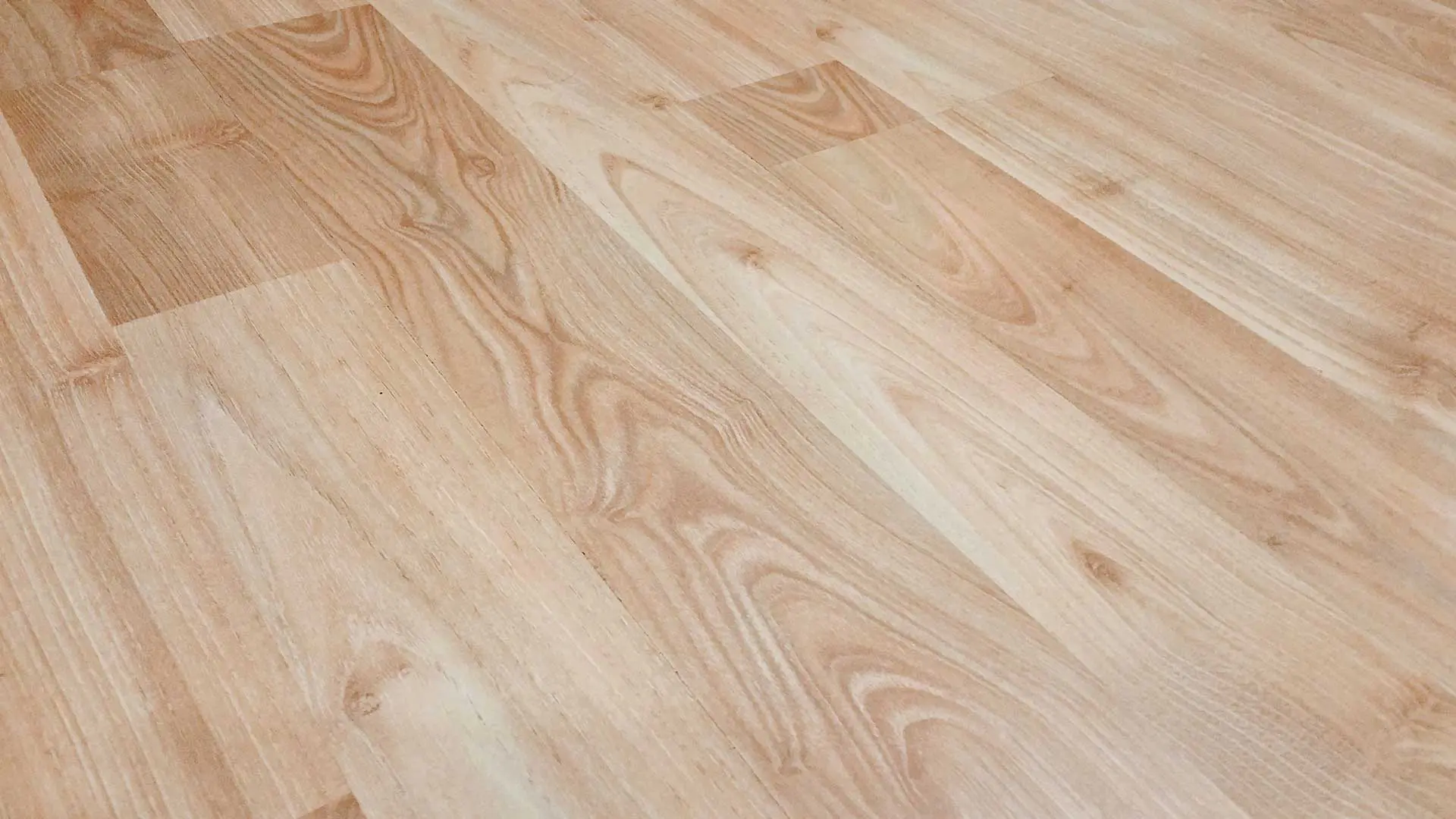
Luxury vinyl plank and laminate floors have genuinely improved. Current-generation LVP uses a rigid core construction that handles moisture, temperature variation, and heavy foot traffic better than older floating floors ever did. Laminate has evolved past the thin, hollow-sounding products that gave the category a bad reputation - today's laminate options, installed over properly prepared subfloors, are stable, durable, and difficult to distinguish from the wood products they replicate.
The material is only part of the equation. How LVP and laminate perform over time depends almost entirely on what happens underneath them. A rigid core LVP installed over a subfloor with even minor high spots will rock and creak underfoot within months. A laminate floor floated over a subfloor with moisture issues will swell at the seams and the locking joints will fail. These are not product failures - they're installation failures that show up because the subfloor preparation step was skipped or rushed.
Subfloor Assessment
Bringing Hardwood Standards to LVP and Laminate Projects
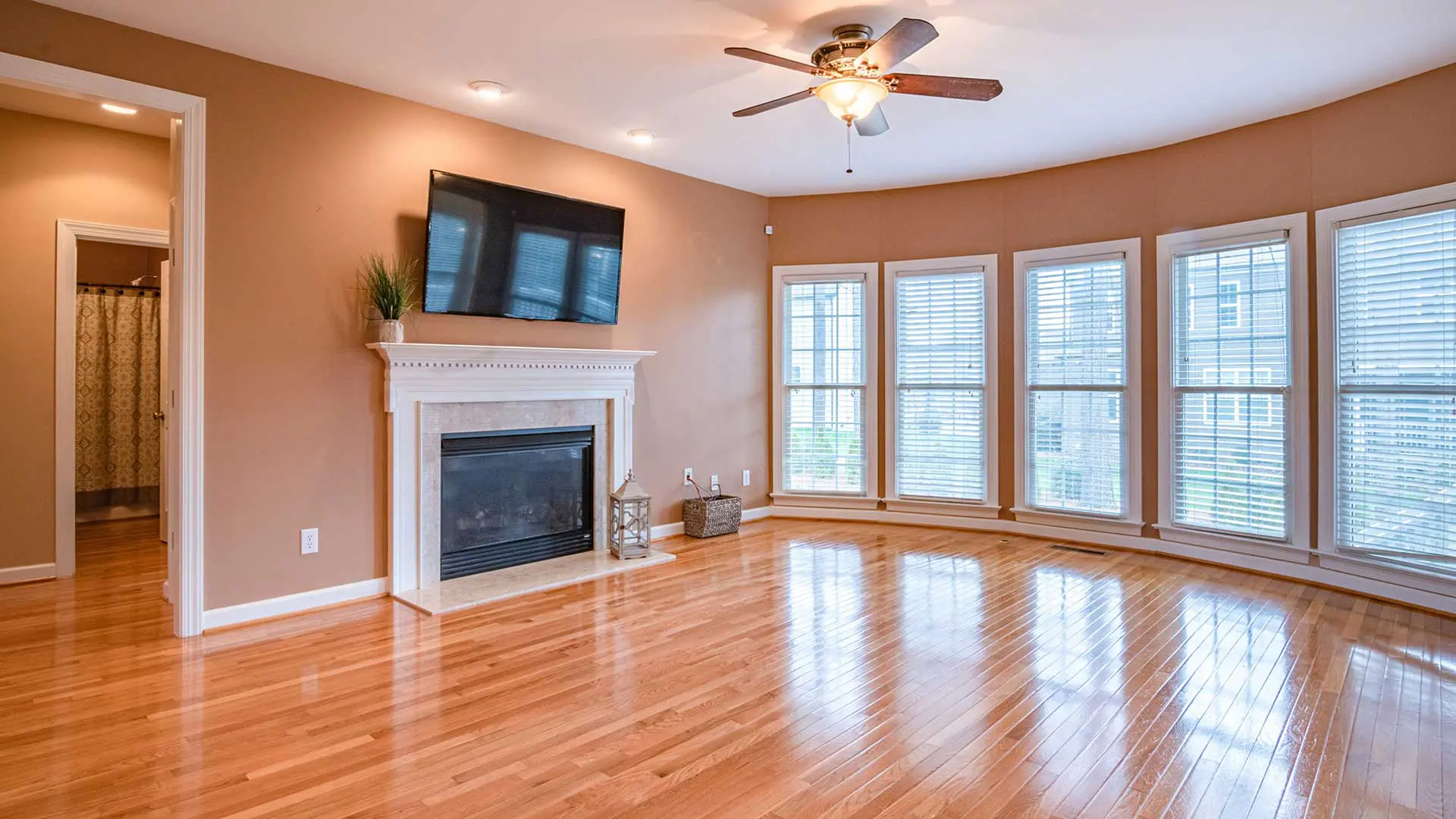
Francisco applies the same subfloor assessment and preparation standards to LVP and laminate installations that he uses on solid hardwood jobs. Levelness is checked and corrected before any product goes down. Moisture testing is performed - particularly in basements and lower-level applications where LVP's moisture resistance is often the primary reason it was selected. Underlayment is specified based on the subfloor type and the product being installed.
Strategic Practicality
Choosing the Right Product for Your Specific Space
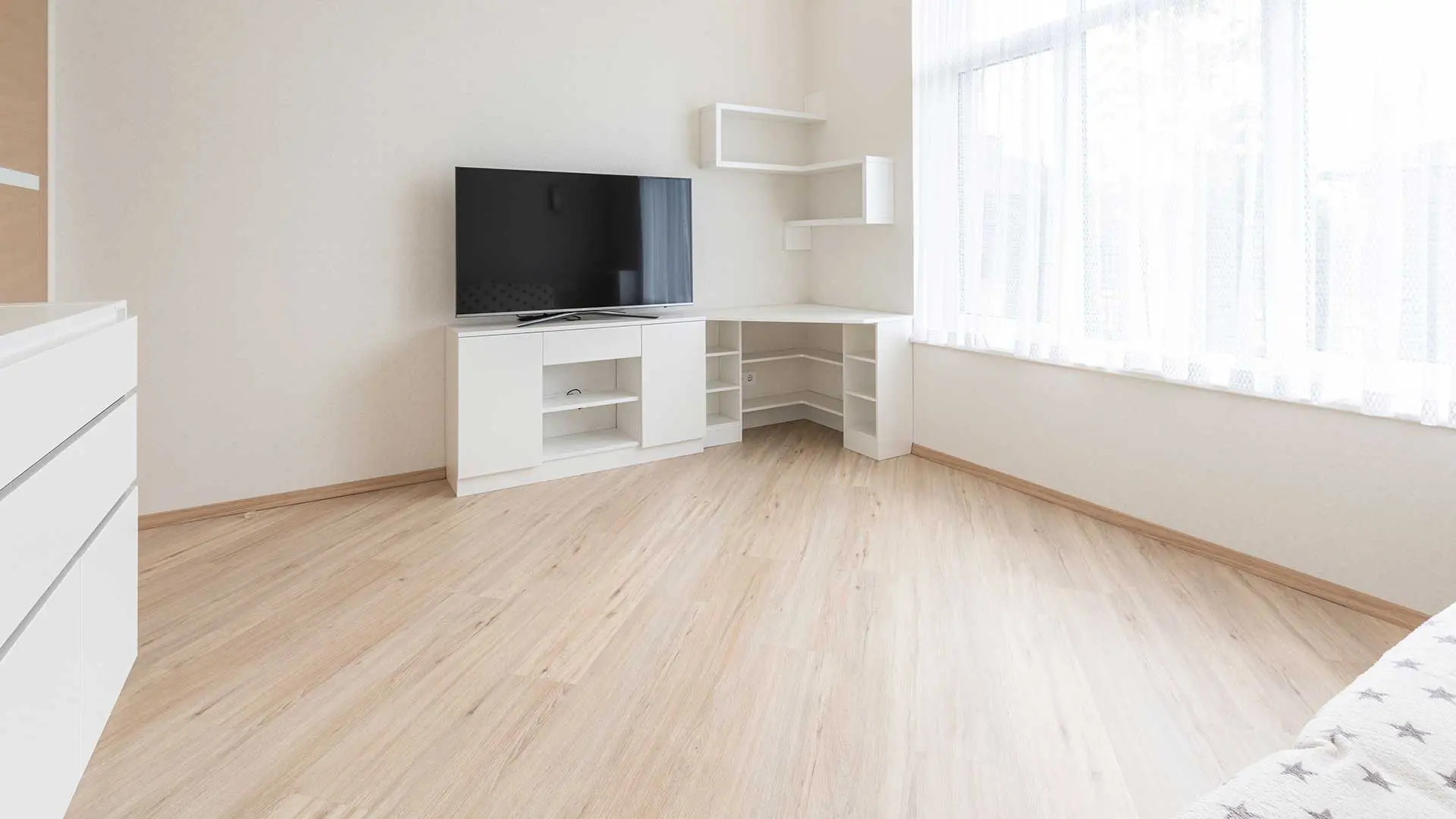
LVP and laminate are also practical choices in specific applications where hardwood is the wrong product. Below-grade basement installations. Rooms with radiant heat systems. Applications where budget is a genuine constraint and the durability of a quality LVP product meets the use case. Francisco will tell you honestly when LVP or laminate is actually the better choice for a given room - and when hardwood is worth the additional investment.
What's Included
What's Included in a Romero LVP or Laminate Installation
Subfloor Assessment and Preparation
Every LVP and laminate installation begins with a thorough subfloor evaluation - checking for levelness, structural integrity, and moisture. High spots are ground down; low spots are filled with leveling compound. A subfloor that's out of level by more than the manufacturer's tolerance will cause the floating floor above it to flex, rock, and eventually fail at the locking joints. This step is non-negotiable.
Moisture Testing
Moisture is the primary cause of LVP and laminate failure in Greater Boston homes - particularly in basement and lower-level installations. Moisture content is measured in both the subfloor and the room environment before installation begins. Vapor barriers are installed where conditions require additional moisture protection.
Underlayment Selection and Installation
Underlayment serves multiple functions: it provides additional cushioning, improves sound transmission performance, and adds a moisture management layer between the subfloor and the floating floor above. Some LVP products include attached underlayment; others require a separate layer. Francisco specifies the correct underlayment for the product and the application.
LVP and Laminate Installation
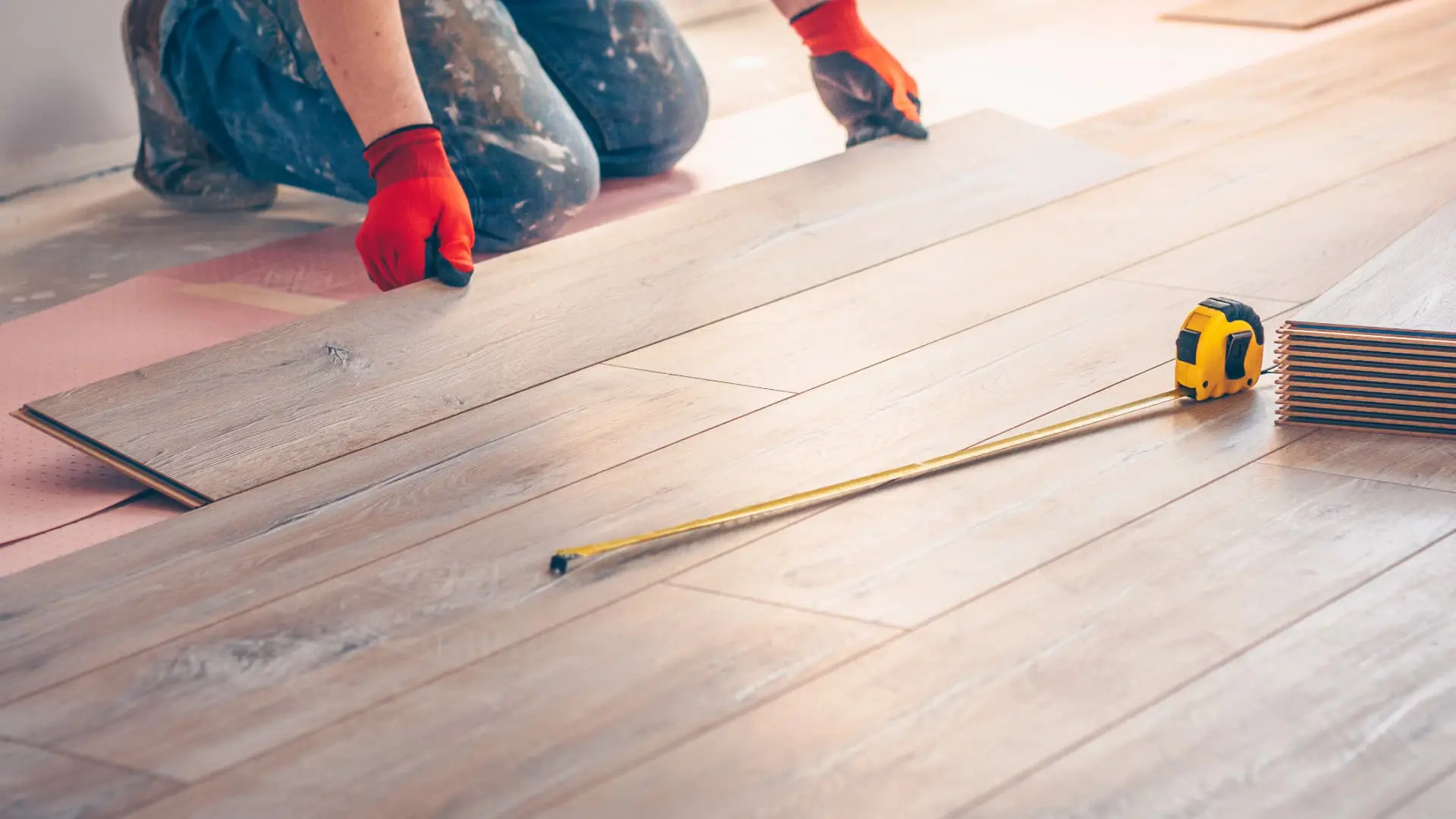
Planks are installed in the correct direction for the room - typically running parallel to the longest wall or the primary light source - with appropriate expansion gaps maintained at all walls and fixed objects. Cuts around doorways, heating vents, cabinetry, and irregular walls are handled precisely so the transitions read cleanly rather than calling attention to themselves.
Stair Nosing and Transitions
Stair nosing for LVP on stairs, threshold transitions between LVP/laminate and adjacent flooring, T-moldings at doorways, and reducer strips where the new floor meets lower adjacent surfaces are all installed as part of the job scope.
Trim and Molding
Quarter-round or shoe molding is installed along all walls to close the expansion gap cleanly. Base molding is reinstalled or replaced as needed.
Final Clean and Site Walkthrough
Every job concludes with a thorough cleanup-removing all material scraps, sweeping the new floor clean, and vacuuming dust from the workspace. Francisco then walks the completed installation with you to review the perimeter cuts, transition pieces, and overall finish, ensuring you are completely satisfied with the result before we pack up.
Ready to get started? Contact us today.
Craftsmanship Behind Every Floor
There's a reason homeowners across Greater Boston and the North Shore have trusted Romero Hardwood Floors with their homes for nearly two decades. Watch Romero Hardwood Floors explain exactly what that means in practice - and what you can expect from the moment you call to the moment we finish.
MATERIALS & BRANDS
LVP, Laminate, and Related Products Romero Installs
Luxury Vinyl Plank (LVP) Types: Rigid core LVP (WPC and SPC core constructions) | Click-lock floating installation | Glue-down LVP | Waterproof core products for moisture-prone applications | Wide plank formats | Various embossed textures and finish styles
Laminate Types: AC3 and AC4 rated residential and light-commercial laminate | Various thickness profiles | Attached and separate underlayment options | Waterproof core laminate products
Underlayment Options: Foam underlayment | Cork underlayment | Combination moisture barrier and underlayment products | Attached underlayment (product-specific)
Transition and Molding Products: Stair nosing | T-moldings | Reducers | End caps | Quarter-round and shoe molding
COMMON PROBLEMS SOLVED
What Brings Homeowners to LVP and Laminate Installation
High-moisture areas, heavy foot traffic, and budget limitations often make traditional hardwood impractical for certain rooms. Francisco installs durable LVP and laminate solutions that handle these challenging environments flawlessly without sacrificing visual appeal.
Below-grade installations - finished basements, below-grade living spaces, rooms with concrete subfloors - have moisture characteristics that make solid hardwood a poor choice. LVP's moisture resistance makes it the practical solution for these spaces without sacrificing the look of a wood floor.
Homes with radiant floor heating experience temperature cycling that solid hardwood handles poorly - the wood expands and contracts with the heat cycles, which can cause gapping and warping over time. LVP's dimensional stability under temperature variation makes it compatible with radiant systems where hardwood would fail.
Durability and ease of maintenance are the priorities in rental and investment properties. Quality LVP handles the wear of tenant turnover better than most hardwood products at the same price point - scratches and dents that would require sanding on a hardwood floor are less of a concern on LVP, and individual planks can often be replaced without refinishing the entire floor.
LVP's surface hardness and scratch resistance holds up under pet nails better than most hardwood species. For homeowners with large breeds who have written off hardwood entirely, quality LVP is a practical middle ground between the look of a wood floor and the durability a pet-heavy household needs.
LVP and laminate can deliver a high-quality flooring result at a lower material cost than solid hardwood - particularly in rooms where budget is a genuine constraint. Francisco will walk through the material cost difference and help you determine where hardwood is the right investment and where LVP or laminate makes equal sense for the application.
Why Choose Us
Why Installation Standards Matter as Much as Product Quality
Even the highest-grade luxury vinyl plank or laminate flooring will fail if it's laid over a flawed foundation. Francisco treats subfloor preparation with absolute precision, ensuring your investment looks exceptional, feels solid, and lasts for decades.
Ready for a free estimate? Contact us today.
Our Process
How a LVP or Laminate Installation Works - Step by Step
Installing resilient LVP or laminate flooring requires rigorous subfloor flattening, proper expansion gaps, and precision perimeter fitting to ensure a quiet, completely waterproof result.
Free In-Home Estimate and Subfloor Assessment
Francisco visits your home, assesses the subfloor condition, identifies any levelness or moisture issues, discusses your product preferences and application requirements, and delivers a written estimate within 24 hours covering materials, underlayment, subfloor prep, and installation.
Product Selection
Once the estimate is approved, Francisco helps you finalize the LVP or laminate product - core type, wear layer, width, texture, and color - based on your application, your household's use patterns, and your aesthetic goals. Product is ordered with adequate lead time before installation begins.
Subfloor Preparation
Existing floor covering is removed if needed. The subfloor is inspected, high spots are ground down, low spots are filled, and the surface is confirmed level within the product's installation tolerance. Moisture testing is performed. Vapor barrier is installed where conditions require it.
Underlayment Installation
The correct underlayment for the product and application is installed, overlapping seams and securing edges as required. For products with attached underlayment, this step is incorporated into the plank installation.
Plank Installation
Planks are installed in the correct direction, starting from the straightest reference wall, with expansion gaps maintained throughout. Cuts around obstacles are precise. Stair nosing and transitions are fitted and secured.
Trim, Transitions, and Final Walkthrough
Quarter-round, base molding, and all transition pieces are installed. Francisco walks the finished floor with you to confirm the installation meets your expectations before closing the project.
Final Inspection and Client Walkthrough
Once the final finish or trim installation cures and sets completely, Francisco performs a comprehensive final inspection. He reviews all transitions, thresholds, and perimeter detailing before walking through the completed space with you to ensure every detail matches your expectations and our strict craftsmanship standards.
Our Portfolio
LVP and Laminate Installations Across Greater Boston and the North Shore
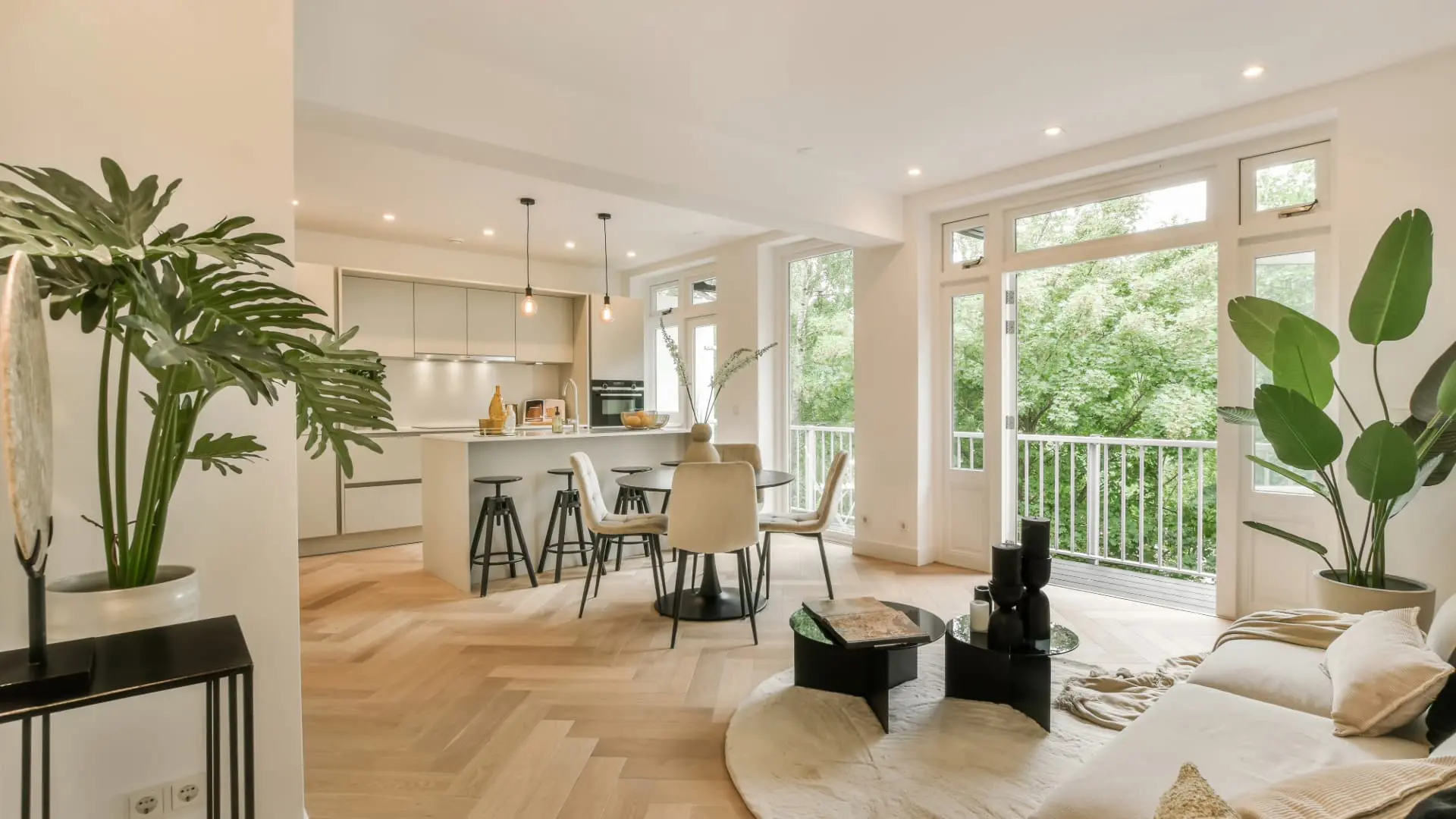
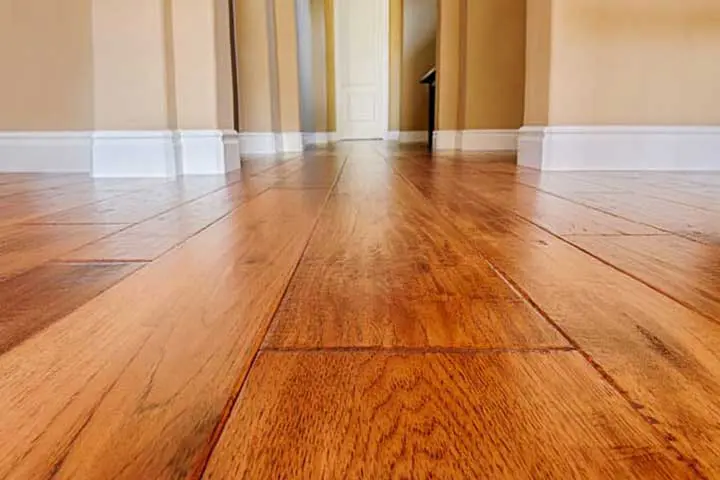
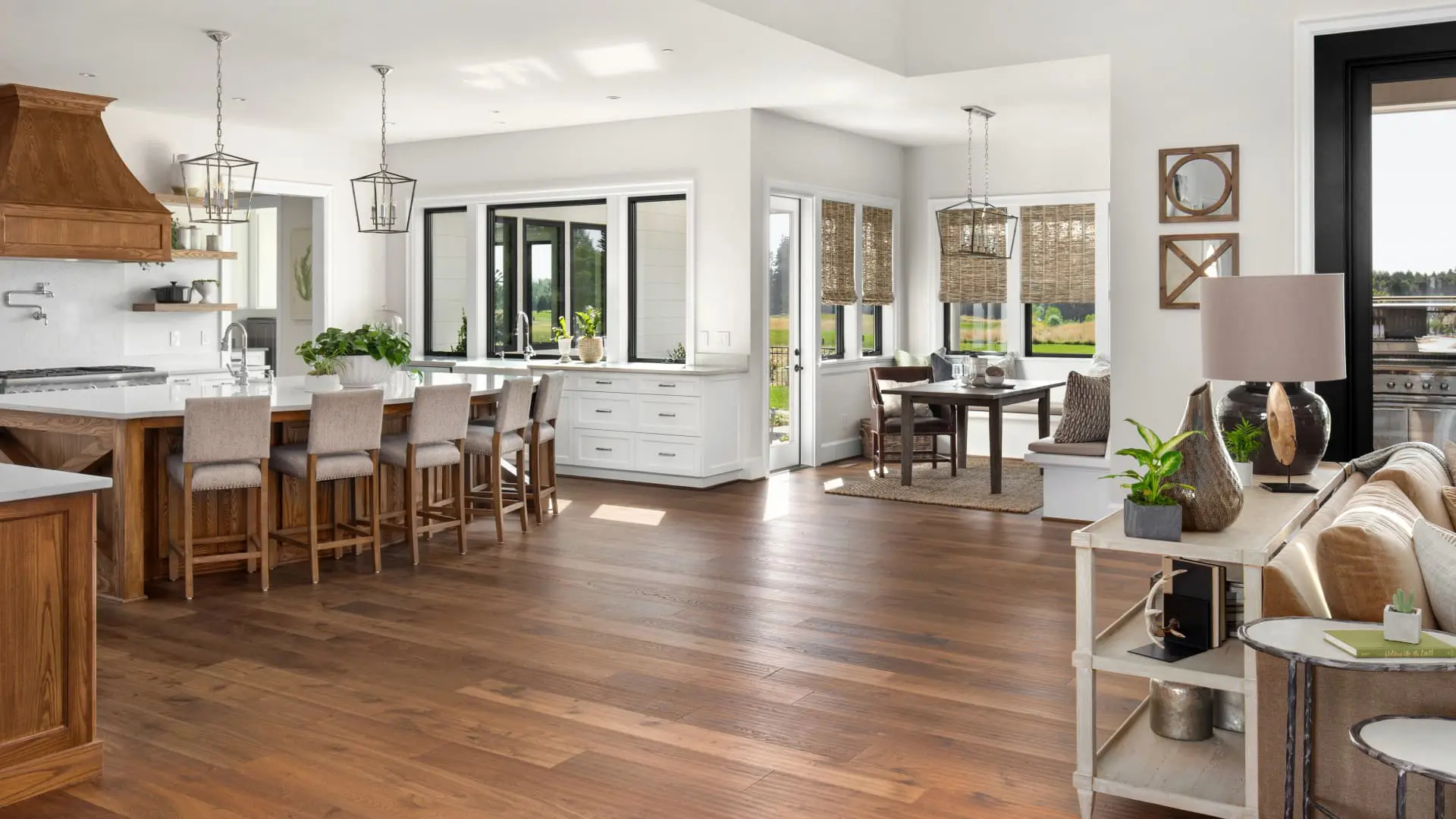
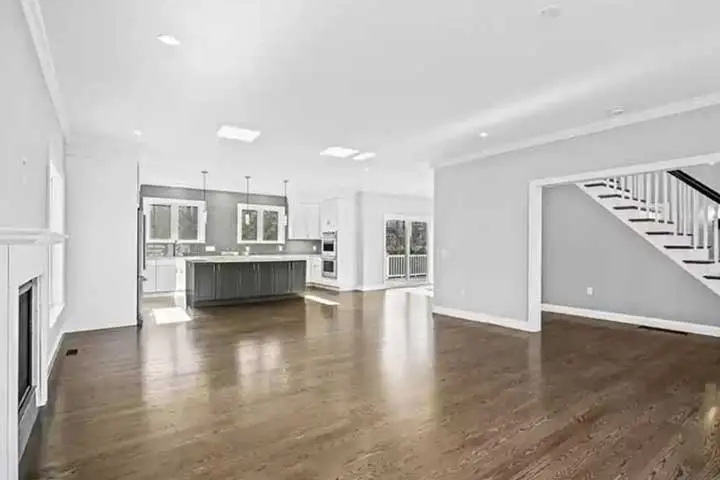
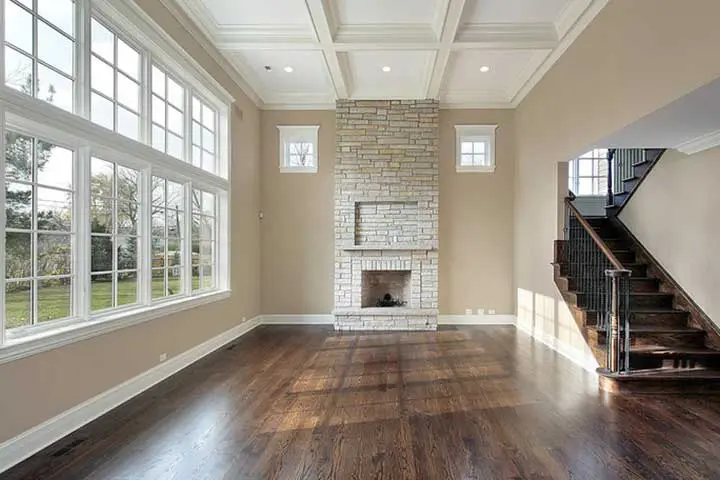
Completed LVP and laminate installations across a range of home types and application scenarios throughout Greater Boston and the North Shore. Captions note product type, application, and city where available.
Your LVP or Laminate Installation Is Backed by a 1-Year Workmanship Warranty
LVP and laminate are marketed as tough, long-lasting floors. A properly installed product on a properly prepared subfloor should perform that way. If installation-related issues appear within the first year - rocking, joint separation, hollow spots from inadequate subfloor prep, or any other problem traceable to how the installation was performed - the 1-year conditional workmanship warranty on every Romero installation addresses it. The product manufacturer's warranty covers material defects. Romero's workmanship warranty covers the installation itself. Both should apply to any quality flooring job - and Francisco stands behind his work.
Related Services
Related Services You May Also Need
Hardwood Floor Installation
If the estimate conversation reveals that hardwood is actually the better choice for your application - above-grade installation, appropriate moisture conditions, the right budget - solid or engineered hardwood installation is available with the same precision and preparation standards.
Custom Hardwood Floor Installation
For homeowners who want the look of a distinctive wood floor pattern - herringbone, chevron, parquet - hardwood is the material that makes custom patterns achievable at the level of quality and longevity the pattern deserves.
Floor Maintenance & Care
LVP and laminate require less maintenance than hardwood, but periodic professional attention - particularly in high-traffic areas - extends the life of the finish and keeps the floor looking its best.
Hardwood Floor Repair
If an existing hardwood floor in an adjacent area needs repair work coordinated with a new LVP or laminate installation, both can be scoped together.
Frequently Asked Questions
Frequently Asked Questions About LVP and Laminate Installation
Luxury vinyl plank uses a vinyl-based core - typically a rigid WPC (wood plastic composite) or SPC (stone plastic composite) construction - with a photographic wear layer on top. It's fully waterproof at the plank level, highly resistant to scratches, and performs well in moisture-prone applications. Laminate uses a high-density fiberboard core with a photographic wear layer, which makes it somewhat moisture-sensitive - most laminates are not appropriate for wet areas or below-grade installations. LVP is generally the better choice for kitchens, bathrooms, basements, and any application where moisture is a concern. Laminate can be the right choice in above-grade, low-moisture applications where its cost and feel characteristics are a better fit. Francisco will help you determine which product fits your specific application during the estimate visit.
The planks themselves are waterproof - water won't damage the vinyl core. However, water that gets beneath the floor, into the subfloor, can still cause problems - particularly swelling of the subfloor itself and potential mold issues in the right conditions. LVP is highly moisture-resistant at the surface level and a practical choice for areas that see water exposure. It's not a substitute for addressing an underlying moisture or drainage problem.
In some cases, yes. Installation over existing flooring is possible if the existing surface is level, structurally sound, and within the height tolerance of the new product. In other cases - particularly over existing hardwood, ceramic tile with grout lines, or flooring that is itself compromised - removal is the better approach to ensure a stable, level substrate. Francisco will assess during the estimate and recommend accordingly.
Quality LVP performs significantly better than most hardwood species under pet nails. The wear layer on commercial-grade or thick-wear-layer LVP products resists surface scratching from pet traffic far better than finished hardwood. Pet accidents are not a concern at the surface level on waterproof LVP - spills that are cleaned up promptly don't penetrate the plank. For households where pet damage has been a recurring issue with previous hardwood floors, quality LVP is a practical solution.
Yes - and it's often the recommended product for below-grade installations. LVP's moisture resistance and dimensional stability under temperature variation make it well suited for basement applications where solid hardwood is not appropriate. Moisture testing before installation is critical in basement applications, and a vapor barrier is typically part of the installation scope. Francisco will assess your basement's moisture characteristics during the estimate.
Quality LVP products installed on a properly prepared subfloor routinely last 20-25 years or more in residential applications. Laminate lifespans are somewhat shorter in high-traffic applications. The primary variables are the wear layer thickness of the product selected, the quality of the subfloor preparation at installation, and the household's traffic and maintenance practices. A well-installed quality product maintained appropriately should perform well through the manufacturer's stated warranty period and beyond.
The acclimation requirements for LVP and laminate are less demanding than for solid hardwood - rigid core LVP products in particular are dimensionally stable enough that many manufacturers require minimal or no acclimation period. Standard laminate typically requires 48 hours of acclimation in the installation environment. Francisco will follow the specific product manufacturer's requirements for the product being installed.
Call (617) 913-0155 or submit the estimate request form. Francisco will schedule a free in-home visit to assess your subfloor, discuss your product preferences, and deliver a written estimate within 24 hours of the visit.
Because these materials are thinner and more flexible than traditional hardwood, they mirror any flaws underneath them. If a subfloor isn't perfectly flat, clean, and stable, your new planks will flex underfoot, causing noisy squeaks, hollow spots, or eventual locking mechanism failure. Francisco meticulously grinds down high spots, fills low zones, and secures loose subflooring before a single plank goes down.
Yes, in most cases. Floating floors like LVP and laminate expand and contract slightly with seasonal temperature shifts. Transition moldings at doorways and large thresholds create essential hidden gaps that allow the floor to move freely without buckling or separating. Francisco plans these transitions systematically during the initial layout phase to ensure they blend beautifully with your doorways.
Testimonials
What Homeowners Are Saying
Quality LVP and Laminate Starts with the Subfloor
The product you select matters. The subfloor preparation matters more. Francisco brings the same installation standards to every LVP and laminate job - because a floor that was installed right doesn't call for a callback in year two.
MA Licensed. Insured. 5.0 Stars across 129 reviews. 1-year conditional workmanship warranty. Serving Greater Boston and the North Shore since 2006.