
⭐⭐⭐⭐⭐ 130+ Google Reviews | MA HIC License 201133 | MA Construction Supervisor License CS115759
Hardwood Floor Staining in Revere, MA
The color of your floors sets the tone for your entire home. Staining changes that - without replacing a single board. Francisco Romero-Ibarra has been staining hardwood floors in Greater Boston homes since 2006. Eco-friendly, low-VOC stain options available on every job. MA Licensed & Insured. 1-year conditional workmanship warranty.
About the Service
The Science of Subsurface Color Transformation
Floor staining is a color transformation. The wood stays. The structure stays. What changes is everything visual - the tone, the warmth, the depth, the way the floors read against your walls and furniture.
A floor staining job involves sanding the existing floor down to bare wood - removing the old finish and any previous stain - and then applying a new stain color before the finish coats go down. The stain penetrates the wood fiber, altering its color at the cellular level rather than just coating the surface. The result is a floor with a color that's part of the wood itself, not a layer sitting on top of it.
Species Limitations
How Different Wood Types Interact with Pigment
The range of what's achievable is broader than most homeowners expect. The same white oak floor that currently reads as a warm honey tone can become a cool gray, a rich medium brown, a deep walnut, or a near-black ebony - depending on the stain selected and how it interacts with that specific species. It can also go lighter, using a whitewash or natural finish that lets the grain show through without any color shift at all.
What staining cannot do is make one species of wood look exactly like another. Red oak has a pronounced grain pattern that reads distinctly differently than white oak under the same stain. Maple is notoriously resistant to staining evenly due to its tight, blotch-prone grain. Francisco will tell you what your specific species is capable of - and what to expect from each stain option - before any decisions are made.


In-Home Selection
Testing Stain Samples Directly on Your Floor Boards
Every stain color decision at Romero Hardwood Floors is made on your actual floor. Not on a sample board in a showroom. Not from a photo online. Francisco brings stain samples and applies test patches directly on your sanded floor so you can see exactly how each color reads on your specific wood, in your specific light, before committing to any direction.
What's Included
What's Included in a Romero Floor Staining Job
Full Dustless Sanding
Staining requires a properly prepared surface - which means sanding the floor down to bare wood using the same dustless system used on all Romero refinishing jobs. The sanding opens the wood's pores evenly so stain absorbs consistently across the floor. Uneven sanding produces uneven stain absorption, which produces an uneven color result. This is the step where shortcuts show up in the finished floor.
Stain Color Testing on Your Floor
Before any stain is applied to the full floor, test patches of your shortlisted colors are applied directly on your actual floor surface. Different species absorb stain differently - and the same species can vary between boards based on age, grain density, and previous finish history. The test patches let you see the actual result before it's permanent.
Custom Stain Color Mixing
If none of the standard stain options produces exactly the color you're looking for, Francisco can mix custom stain formulations to hit a specific tone. This is particularly useful when matching an existing stain color in an adjacent room, or when a homeowner has a specific inspiration color they want to replicate on their particular wood species.
Stain Application
Stain is applied evenly across the prepared surface and wiped to achieve the desired depth of color. Application technique, product type, and timing all affect the final color result - Francisco uses the application approach appropriate for the wood species and stain product being used.
Eco-Friendly, Low-VOC Stain and Finish Options
Every staining job includes the option of low-VOC water-based stain and finish products - the same color range, the same durability, significantly less fume exposure during and after application. Recommended for homes with children, pets, or anyone with respiratory sensitivities. Water-based products also cure faster, reducing the time before the floor can be used after the job is complete.
Finish Coats
After the stain has fully dried, multiple finish coats are applied to protect the color and the wood. Sheen level - matte, satin, or semi-gloss - is selected based on your preference and the look you're going for. The finish coat is what determines how the floor holds up over time; the stain determines the color.
Stair Staining
Stair treads can be stained to match the floor or to complement it. If your staircase is part of the project, Francisco will incorporate it into the staining scope.
Ready to get started? Contact us today.
Craftsmanship Behind Every Floor
There's a reason homeowners across Greater Boston and the North Shore have trusted Romero Hardwood Floors with their homes for nearly two decades. Watch Romero Hardwood Floors explain exactly what that means in practice - and what you can expect from the moment you call to the moment we finish.
MATERIALS & BRANDS
Stains, Finishes, and Products Used on Every Staining Job
Stain Color Range: Light naturals and whitewashes | Warm blondes and honeys | Medium browns and tawny tones | Cool grays and greiges | Rich walnut and chestnut | Deep espresso and ebony | Custom mixed colors available
Stain Product Types: Oil-based penetrating stains | Water-based stains | Gel stains (for difficult-to-stain species like maple) | Reactive stains (for specific aging effects on certain species)
Finish Products: Water-based polyurethane | Oil-based polyurethane | Low-VOC water-based finishes | Penetrating oil finishes | Hardwax oil | Matte, satin, and semi-gloss sheen options
Eco-Friendly Options: Low-VOC water-based stain and finish products are available and recommended for households with children, pets, or occupants with chemical sensitivities. Francisco will walk through the specific products and their characteristics during the estimate.
COMMON PROBLEMS SOLVED
What Drives Homeowners to a Floor Staining Job
Outdated amber finishes, mismatched plank colors across adjacent rooms, and wood tones that clash with new renovations can disrupt a home's design harmony. Francisco deep-sands your existing flooring and applies precise pigments to permanently align the wood with your desired color palette.
A honey-toned oak floor that was perfectly acceptable in 1998 may read as dated against a current interior. Staining is the most cost-effective way to close the gap between what the floor is and what the home has become - without the cost and disruption of a full replacement.
Additions, renovations, and multiple rounds of prior work can leave a home with hardwood floors in different colors and finishes that read as disconnected. Staining brings them to a unified tone - making a home feel cohesive rather than pieced together.
Stain fades at different rates depending on sun exposure, traffic patterns, and the quality of the original finish. A floor where one end of the room looks noticeably different from the other, or where the finish has worn through and the wood looks blotchy, is a candidate for a full sand-down and restain.
Dark, rich floor tones show well in real estate photography and draw strong interest from buyers. If the current floor color is working against a home's presentation, staining to a more universally appealing tone is a practical pre-sale investment.
Scandinavian-inspired light and airy interiors. Deep, moody rooms with dark floors. Mid-century modern spaces with warm medium tones. Each of these reads differently underfoot, and staining is how a homeowner gets the floor to match the room they have in mind.
Why Choose Us
Why Color Decisions Belong on Your Floor - Not a Sample Board
Choosing a floor stain based on showroom lighting or digital swatches often leads to disappointment. Francisco applies samples directly onto your sanded floors, ensuring the color you choose perfectly matches your home's unique lighting and wood species.
Ready for a free estimate? Contact us today.
Our Process
How a Floor Staining Job Works - From Color Selection to Finished Floor
Achieving a flawless, custom stain color requires precise floor prep and methodical pigment application to ensure even color depth across every square foot of your hardwood.
Free In-Home Estimate and Species Assessment
Francisco visits your home, identifies the wood species, assesses the current floor condition, and discusses your color direction. He'll give you a realistic picture of what the floor is capable of - including any species-specific challenges - and provide a written estimate within 24 hours.
Stain Color Selection
Stain samples are applied directly to your floor after sanding to show exactly how each color reads on your specific wood in your specific space. You select the stain based on what you actually see - not what you imagined from a chip or a photo.
Dustless Sanding
The full floor is sanded down to bare wood using the dustless system, ensuring an even surface that will accept stain consistently. Edge work is completed to match the main field. The floor is cleaned thoroughly after sanding to remove all fine dust before stain goes down.
Stain Application
Stain is applied evenly across the prepared floor using the appropriate method for the product and species. Application timing and technique are calibrated to achieve the desired color depth without uneven absorption. The stain is allowed to dry fully - this step is not rushed.
Finish Coats
Multiple finish coats are applied with proper dry time between coats. Sheen level is applied per your selection. Each coat builds the protective layer that will preserve the stain color and the wood beneath it.
Final Walkthrough and Cure Guidance
Francisco walks the finished floor with you to confirm the color and finish meet your expectations. Cure time guidance covers how long before light foot traffic, furniture return, and area rug placement - all of which affect how the finish cures and how long it lasts.
Project Wrap-Up and Care Package
The project concludes with a final site cleanup, removing all equipment and protective coverings. Francisco leaves you with a dedicated care package, including specific maintenance guidelines and professional cleaning product recommendations to keep your newly stained floors protected during the critical early curing phase and beyond.
Our Portfolio
Floor Staining Projects Across Greater Boston and the North Shore
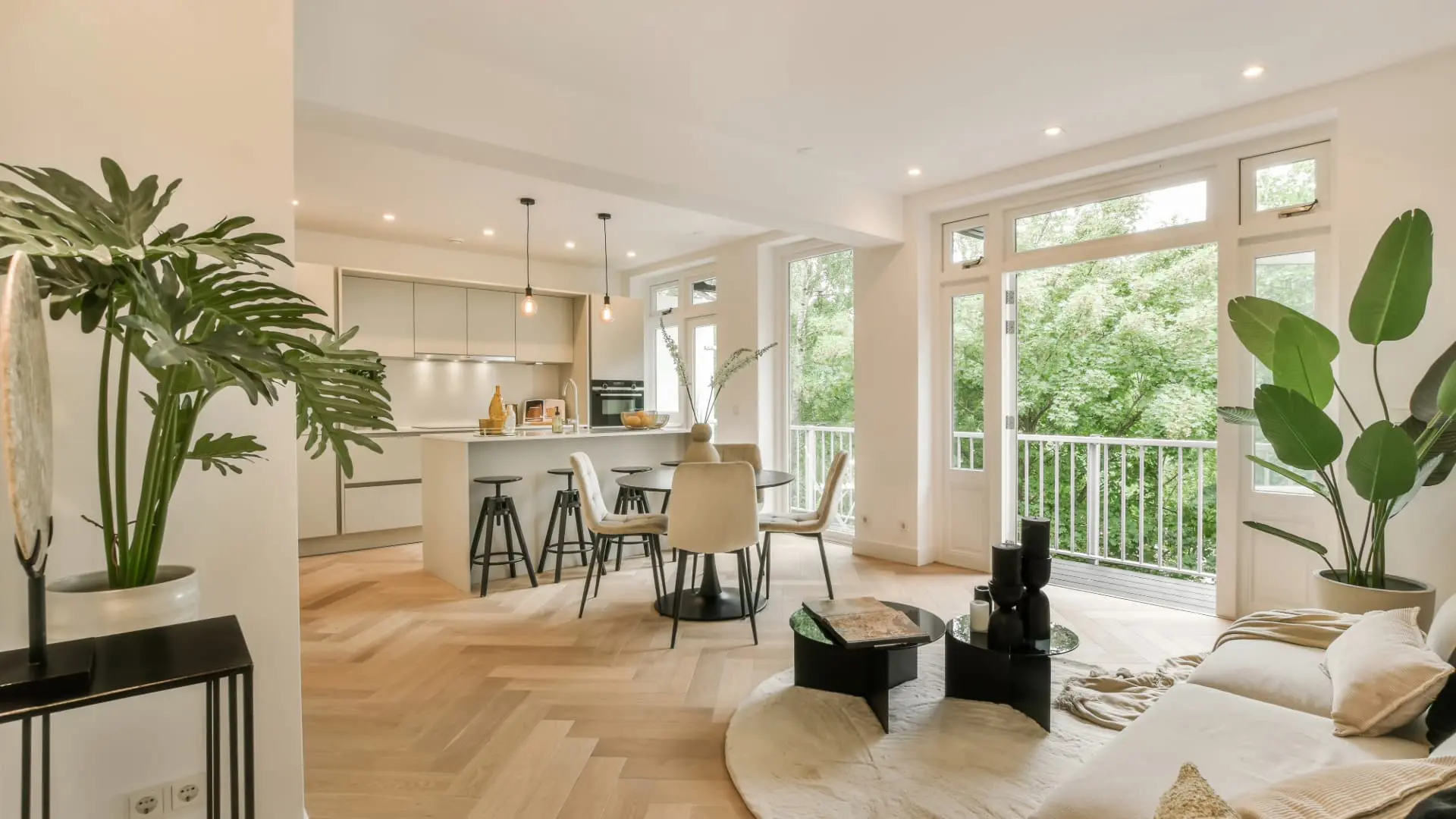
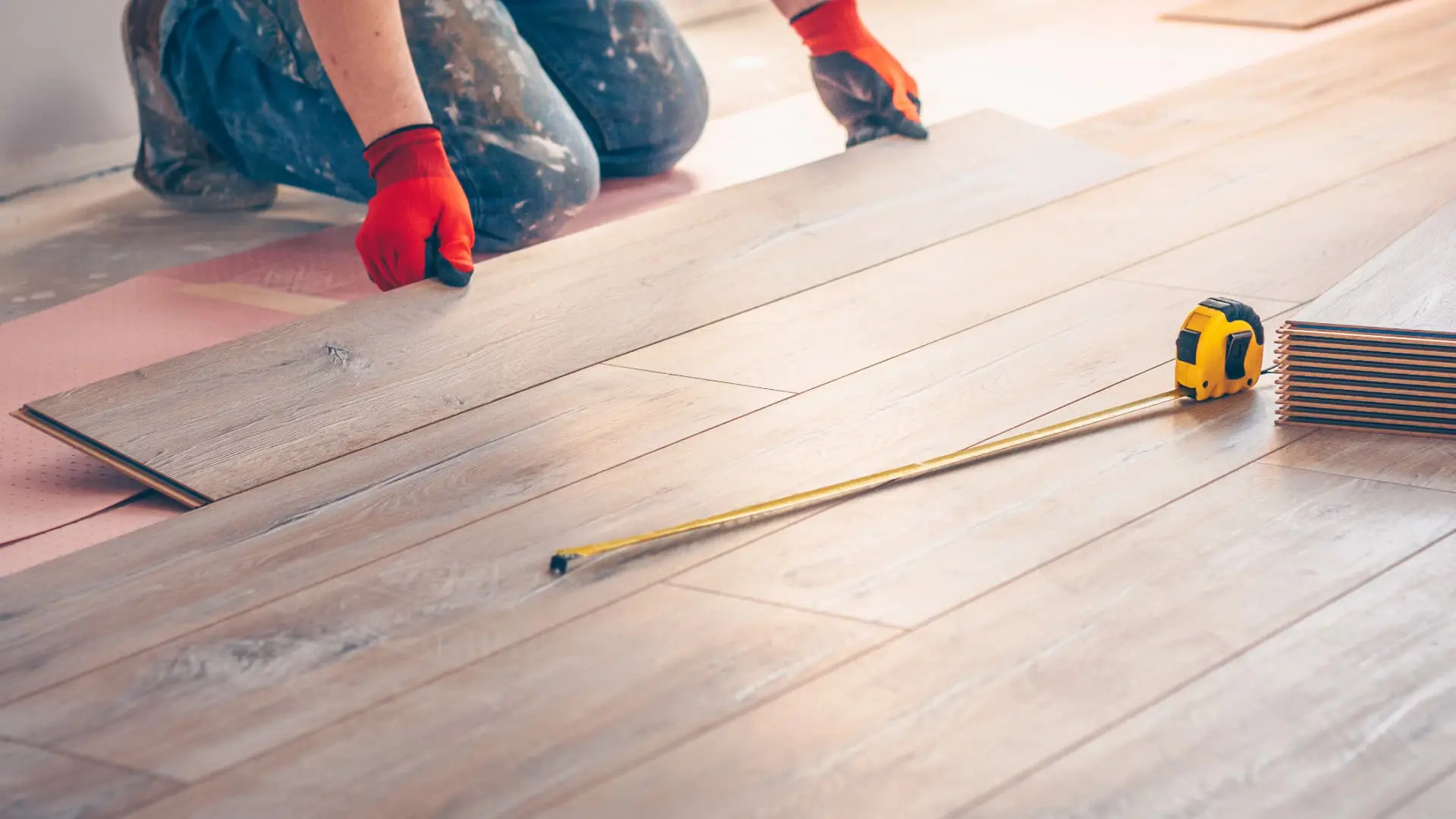
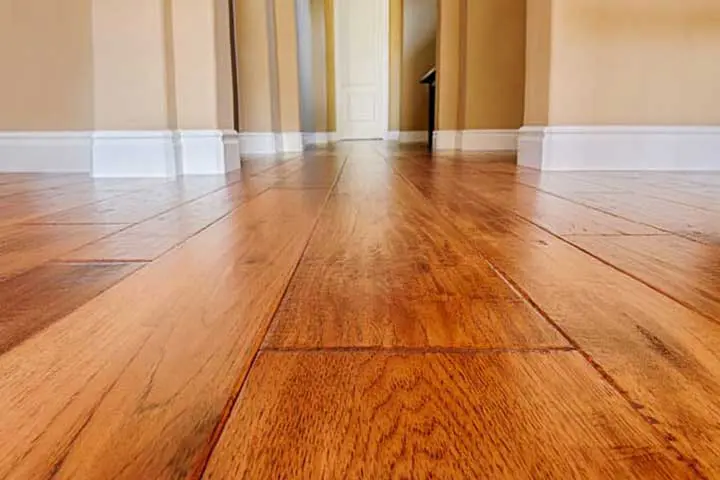
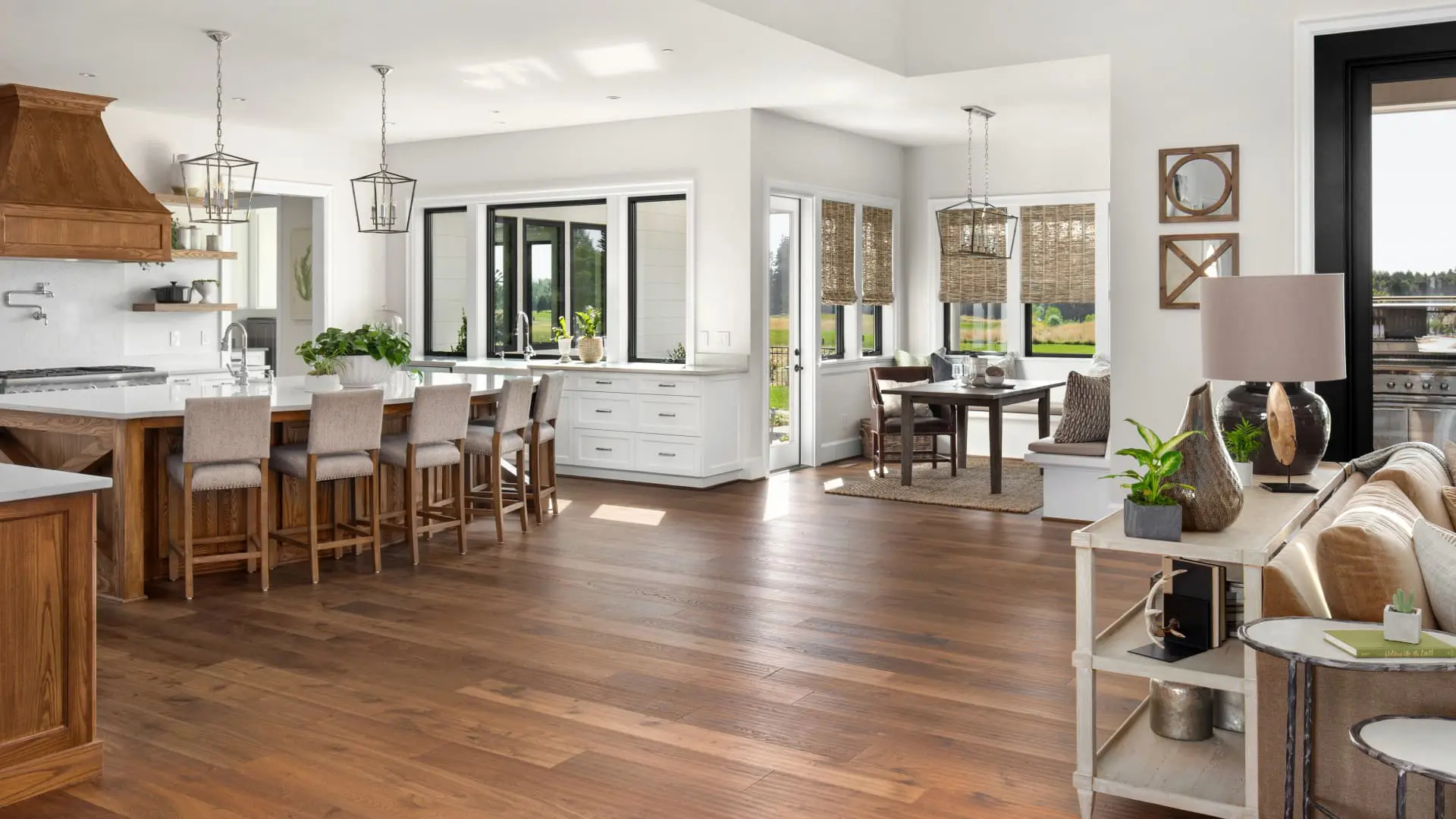
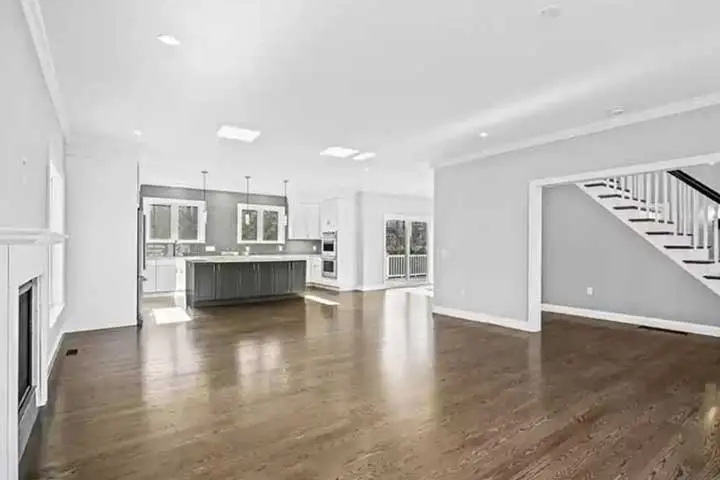
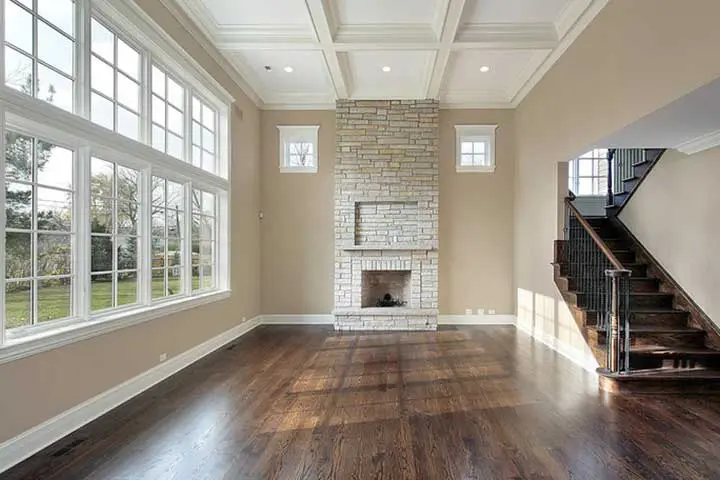
Staining jobs across a range of species, color directions, and home styles throughout Greater Boston and the North Shore. Captions note species, stain direction, and city where available.
Your Stain Color and Finish Are Backed by a 1-Year Workmanship Warranty
The stain Francisco applies penetrates the wood and the finish coats protect it. Both should perform correctly once the job closes. If the stain color is uneven in a way that traces to application, if the finish fails to adhere properly, or if any other workmanship issue with the staining or finishing process appears within the first year, it's covered by the 1-year conditional workmanship warranty on every Romero staining job. Normal color change from sun exposure over time and gradual finish wear from foot traffic are expected outcomes - not warranty conditions. Premature adhesion failure and application errors are not expected, and they get corrected.
Related Services
Related Services That Often Go Alongside a Staining Job
Hardwood Floor Refinishing & Restoration
Staining is part of the refinishing process - it happens after sanding and before the finish coats. If your floors need both a color change and a full refinish, those are handled as one scope of work, not two separate jobs.
Custom Hardwood Floor Installation
If you're installing new hardwood and want a custom stain color rather than a prefinished product, site-finishing with a custom stain is part of the installation scope. Custom patterns like herringbone and chevron are particularly striking with a well-chosen stain color.
Floor Maintenance & Care
After a staining job, the right maintenance practices extend the life of both the stain and the finish significantly. Periodic recoating every few years is the most impactful thing a homeowner can do to protect the color investment.
Hardwood Floor Installation
If the assessment during the staining estimate reveals the floors are too thin or too compromised to sand again, new installation may be the right direction - with a fresh start on stain color from the beginning.
Frequently Asked Questions
Frequently Asked Questions About Hardwood Floor Staining
Not quite. Stain color results depend on the species of wood being stained. Red oak has an open, pronounced grain that absorbs stain readily and shows color shifts dramatically - it's one of the most stain-responsive species. White oak takes stain beautifully but reads with a slightly different tone than red oak under the same stain. Maple is notoriously difficult to stain evenly - its tight grain resists penetration and often produces a blotchy result with standard staining approaches. Pine absorbs stain unpredictably due to grain density variation. Francisco will assess your specific species during the estimate and tell you honestly what's achievable before any color decisions are made.
Francisco applies stain test patches directly on your sanded floor - multiple colors, side by side - so you can see how each option actually looks in your space under your lighting conditions. This is the only reliable way to make a stain color decision. Online photos, showroom samples, and digital swatches all look different on real floors in real rooms. The test patch process is built into every Romero staining job.
Yes, with some important context. Going lighter requires sanding the floor down to bare wood and either applying a very light or natural stain, or using a whitewash or bleaching technique. The result depends on the species - some woods, like white oak and ash, take lighter treatments very well. Others, like walnut, have naturally darker heartwood that resists going truly light. Francisco will walk you through what's realistic for your specific floor during the estimate.
Yes. Low-VOC water-based stains and finishes have improved significantly over the past decade. Modern water-based products match or exceed the durability of oil-based alternatives in most residential applications. They cure faster, produce dramatically less odor, and don't amber over time the way oil-based products do - which means lighter and cooler stain colors stay truer longer. Francisco recommends water-based products as the default for most staining jobs.
A typical single-floor staining job - sanding, stain application, and two to three finish coats - takes 3-4 days including cure time between coats. Water-based finishes allow light foot traffic within 24 hours of the final coat; furniture return is typically recommended at 48-72 hours. Oil-based finishes take longer to cure. Francisco will give you a specific timeline for your job scope.
Not effectively. Applying new stain over an existing finished floor - without sanding down to bare wood - produces an inconsistent result because the new stain can't penetrate the existing finish layer. A proper staining job requires a full sand-down to bare wood so the new stain can penetrate the wood fiber directly. Screen and recoat is an option for refreshing the finish layer without changing the color, but it's a different service than staining.
Matching between rooms is achievable in most cases. If the floors in adjacent rooms are the same species and have similar age and condition, the same stain applied over both will produce a closely matched result. Variation in grain density, age-related color differences between rooms, or different species in different rooms will produce some variation - Francisco will walk you through expected results per room during the estimate.
Not necessarily, but doing both at the same time is typically more efficient and produces the best color match. If the stairs and floors are being stained the same color, doing them in the same session means the stain comes from the same batch - reducing color variation between surfaces. If timing or budget makes it necessary to stage the work, Francisco can match a stain color applied at a previous session, though some variation between sessions is possible.
Call (617) 913-0155 or submit the estimate request form. Francisco will schedule a free in-home visit, assess your wood species and current floor condition, and discuss color direction. The written estimate arrives within 24 hours of the visit.
Yes. Splotchy results, lap marks, and uneven color saturation happen when a contractor rushes the application or fails to sand the floor evenly. Francisco corrects this by completely sanding the floor back down to bare wood using a multi-pass dustless system to ensure uniform absorption, then meticulously re-applying the custom stain from scratch.
Testimonials
What Homeowners Are Saying
The Color Your Floors Should Be Is One Estimate Away
Francisco will come to your home, sand a test area, and show you what your specific floors look like in the stain colors you're considering - before any permanent decisions are made. Eco-friendly options. Custom color mixing. 20+ years of staining floors across Greater Boston and the North Shore.