
⭐⭐⭐⭐⭐ 130+ Google Reviews | MA HIC License 201133 | MA Construction Supervisor License CS115759
Hardwood Floor Refinishing and Restoration in Revere, MA
Most floors that look like they need to be replaced just need to be refinished. Dustless sanding. Professional finishing. The same floor - looking the way it should. Francisco Romero-Ibarra has been refinishing and restoring hardwood floors in Greater Boston homes since 2006. MA Licensed & Insured. Eco-friendly finish options. 1-year conditional workmanship warranty.
About the Service
The Core Refinishing Process
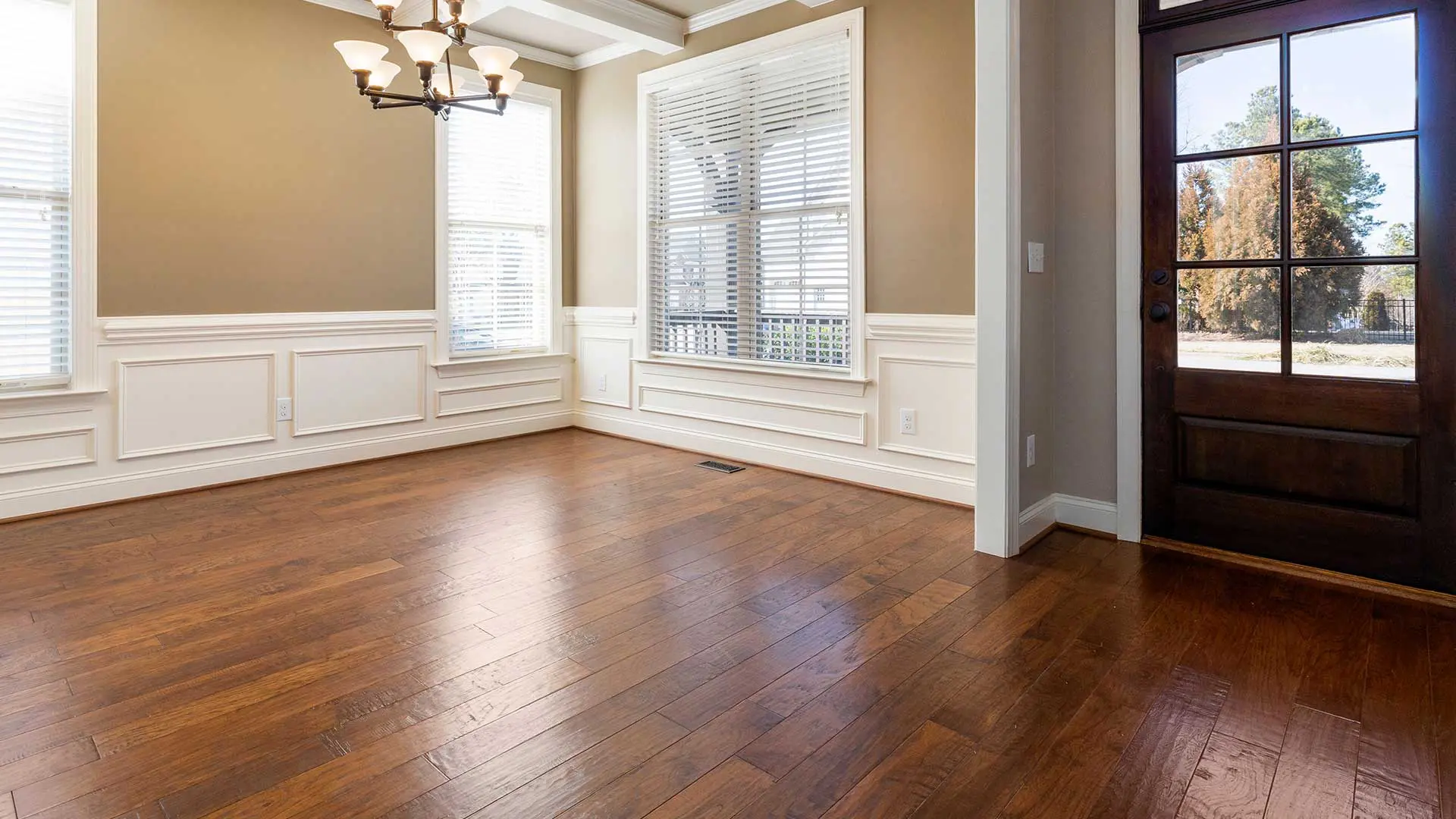
Hardwood floors wear. The finish dulls, scratches accumulate, high-traffic paths develop visible wear patterns, and eventually the floor that looked great ten or fifteen years ago just looks tired. Most homeowners assume replacement is the only answer. It usually isn't.
Refinishing is the process of sanding the existing floor down to bare wood - removing the old finish, the surface scratches, and the accumulated damage - and applying fresh stain (if a color change is desired) and new protective finish coats. A properly refinished floor looks the way it did the day it was installed. In many cases, it looks better than it did then, because the original installation may have used a lower-grade finish that improved products have since made obsolete.
Restoration & Clean Sanding
Deep Restoration and Advanced Dust Containment
Restoration goes further. It's the right approach for floors that have damage beyond surface wear - boards that have cupped or buckled from moisture, gaps that have opened between planks over decades of seasonal movement, antique floors with structural issues, or floors that have been covered by carpet for 30 years and have original finish still on them from the 1940s. Restoration combines targeted repair, structural correction, and refinishing into a single scope of work. The goal is a floor that functions and looks the way it should - not just a cosmetic improvement over a compromised structure.
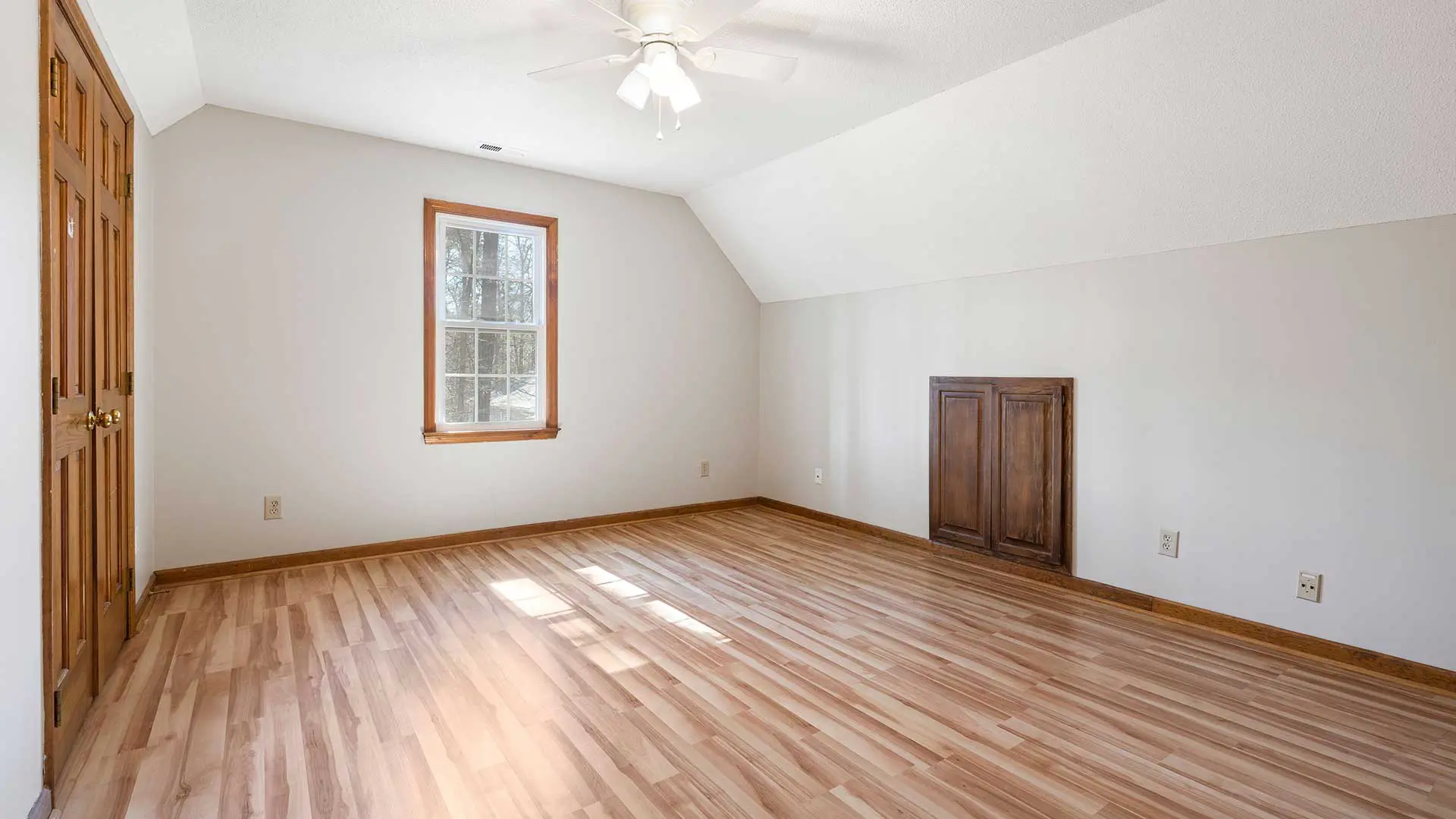
Romero Hardwood Floors handles both. Dustless sanding technology is used on every refinishing job - a critical distinction for homeowners who have lived through a traditional sanding job and spent a week cleaning fine hardwood dust off every surface in their home. The dustless system captures airborne particles at the source through a high-powered vacuum, keeping your home clean while the work gets done.
The Final Result
Delivering an Uncompromising Finished Look
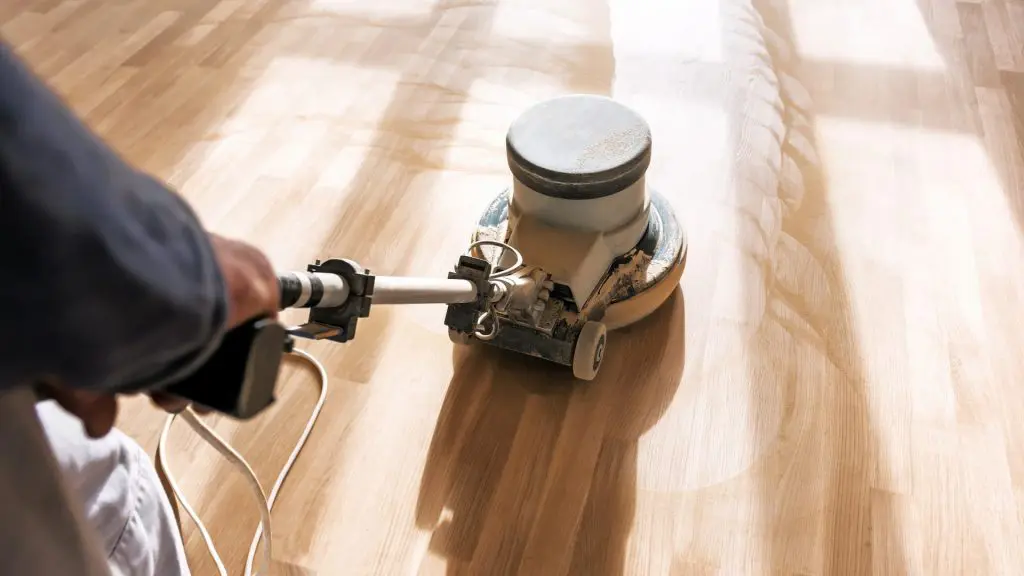
The result Francisco delivers isn't a floor that looks like it was refinished. It's a floor that looks like it was just installed - or, on a restoration job, a floor that looks like nothing went wrong in the first place.
What's Included
What's Included in a Romero Refinishing or Restoration Job
Full Dustless Sanding
The existing finish is sanded off using a drum sander and edge sander connected to high-powered dust containment equipment. Multiple passes at progressively finer grit levels produce a smooth, uniform surface ready for stain or finish. No dust cloud. No fouled HVAC filter. No residue on your furniture.
Stain Application (Optional)
If you want to change your floor's color - lighter, darker, warmer, cooler - stain is applied after sanding and before the finish coats. Francisco will bring stain samples and apply test patches on your actual floor so you can see exactly how each color reads on your specific species before committing.
Screen and Recoat
For floors that still have sound structural condition and finish integrity but have lost their sheen, a screen and recoat is a lighter-touch alternative to full sanding. The existing finish is lightly abraded, cleaned, and a fresh topcoat is applied. Less disruptive, lower cost, and appropriate for floors that don't yet need a full sand-down.
Finish Application - Multiple Coats with Cure Time
After staining, finish is applied in multiple coats with proper dry time between each coat. The final result depends on the finish type and sheen selected - matte, satin, or semi-gloss - and whether a water-based or oil-based product is used. Eco-friendly, low-VOC water-based options are available and recommended for households with children, pets, or occupants with chemical sensitivities.
Restoration-Specific Work
For restoration jobs: board replacement and blending, gap filling, cupping and buckling correction, antique floor repair, structural subfloor work where moisture or rot is involved, and color and grain matching to integrate repairs into the existing floor seamlessly.
Buffing and Polishing
For floors that need a surface refresh without a full sand, buffing and polishing renews the sheen of the existing finish without removing material. Appropriate for floors in good condition between refinishing cycles.
Final Clean and Site Walkthrough
Every job concludes with a thorough cleanup-removing all material scraps, sweeping the new floor clean, and vacuuming dust from the workspace. Francisco then walks the completed installation with you to review the perimeter cuts, transition pieces, and overall finish, ensuring you are completely satisfied with the result before we pack up.
Ready to get started? Contact us today.
Craftsmanship Behind Every Floor
There's a reason homeowners across Greater Boston and the North Shore have trusted Romero Hardwood Floors with their homes for nearly two decades. Watch Romero Hardwood Floors explain exactly what that means in practice - and what you can expect from the moment you call to the moment we finish.
MATERIALS & BRANDS
Finishes, Stains, and Products Used in Refinishing
Finish Types Available: Water-based polyurethane | Oil-based polyurethane | Low-VOC water-based finishes | Penetrating oil (hardwax oil) | Satin, semi-gloss, and matte sheen levels
Stain Options: A full range of stain colors - from light natural tones to deep ebony - with custom mixing available. Stain is tested on your actual floor species before application. The same stain reads differently on red oak, white oak, and maple - Francisco will show you the difference on your floor before committing.
Dustless Sanding Equipment: High-powered drum and edge sanders connected to centralized dust containment systems. The equipment used is commercial grade - not the consumer rental equipment available at hardware stores, which produces far more airborne dust and far less precise results.
Eco-Friendly Options: Low-VOC water-based finish products are standard recommendations for households with children, pets, or occupants with chemical sensitivities. They cure faster than oil-based products - typically allowing light foot traffic within 24 hours of the final coat - and produce significantly less odor during application.
COMMON PROBLEMS SOLVED
What Brings Homeowners to a Refinishing or Restoration Job
Years of foot traffic, surface scratches, and UV exposure can leave high-quality hardwood floors looking worn and dull. Francisco strips away decades of accumulated surface damage, revealing the beautiful, vibrant natural wood hidden underneath.
Hardwood finish oxidizes over time - the clear coat that once protected the wood yellows, clouds, or simply loses its protective capacity. A floor that looks permanently dirty no matter how often it's cleaned is usually a floor that needs its finish stripped and replaced, not a floor that needs a stronger cleaner.
Pet nails, furniture legs, dropped heavy objects, decades of foot traffic - these leave marks that exist in the wood itself, below the finish layer. Sanding removes those marks by bringing the surface back to a uniform level. The scratches that have been living in your floor for ten years are gone after a refinish.
Water damage creates cupping, staining, and finish failure in hardwood floors. In many cases, if the moisture source has been eliminated and the wood has had time to dry and stabilize, refinishing and targeted board replacement can restore the floor without full replacement. Francisco assesses whether the floor is a refinishing candidate or whether the damage is too structural for refinishing to address.
Greater Boston's older housing stock - triple-deckers, colonials, Victorians built between 1890 and 1950 - frequently has original hardwood floors under carpet that was installed in the 1970s or 80s. Pulling that carpet up often reveals solid red or white oak that has never been refinished and responds beautifully to a proper sanding and finish job. This is one of the most rewarding jobs Francisco does.
Uneven sanding that left swirl marks. Finish that bubbled or peeled within a year. Stain applied over a floor that wasn't properly cleaned first, resulting in blotchy color. These are fixable problems - a proper re-sand and refinish removes the evidence of a bad previous job and starts fresh.
Why Choose Us
Why Greater Boston Homeowners Trust Romero for Refinishing and Restoration
Flawless floor restoration demands deep technical precision and absolute honesty. From advanced dustless containment to transparent project assessments, Francisco delivers a refined refinishing experience built on decades of real-world expertise.
Ready for a free estimate? Contact us today.
Our Process
How a Hardwood Floor Refinishing Job Works - From First Visit to Final Coat
Francisco's multi-step refinishing and restoration process ensures your hardwood floors are thoroughly evaluated, meticulously prepped, and finished to lasting standards without disrupting your home.
Free In-Home Assessment
Francisco visits your home, inspects the floors, and determines whether full sanding, screen and recoat, or restoration is the right scope. The condition of the finish, the thickness of the wood above the tongue-and-groove, and the nature of any damage all factor into that assessment. You'll receive a written estimate within 24 hours.
Stain Selection (If Applicable)
If you want a color change, stain samples are applied to a small area of your actual floor - not a generic sample board - so you can see exactly how each option reads on your specific wood species before any work begins.
Room Preparation
Furniture is moved out of the work area. Doorways are sealed with plastic sheeting to contain any residual dust from the sanding process. HVAC vents in the work area are covered.
Dustless Sanding
The floor is sanded in progressive passes - coarse grit to remove the old finish, medium grit to level the surface, fine grit to prepare for finishing. Edges and corners are addressed with the edge sander. The entire process runs through the dustless containment system.
Stain Application and Drying
If stain is part of the job, it's applied evenly across the sanded floor and allowed to dry fully before any finish coats go down. Rushing this step is one of the most common causes of finish adhesion failure - Francisco doesn't rush it.
Finish Coats
Multiple finish coats are applied with proper dry time between each coat. The number of coats depends on the finish product and the level of protection desired. The final coat determines sheen level - matte, satin, or semi-gloss per your selection.
Final Walkthrough and Cure Guidance
Francisco walks the finished floor with you before closing the job. Cure time guidance is provided - typically 24 hours before light foot traffic on water-based finishes, longer for oil-based. Furniture return recommendations are given based on the specific products used.
Our Portfolio
Refinishing and Restoration Work Across Greater Boston and the North Shore
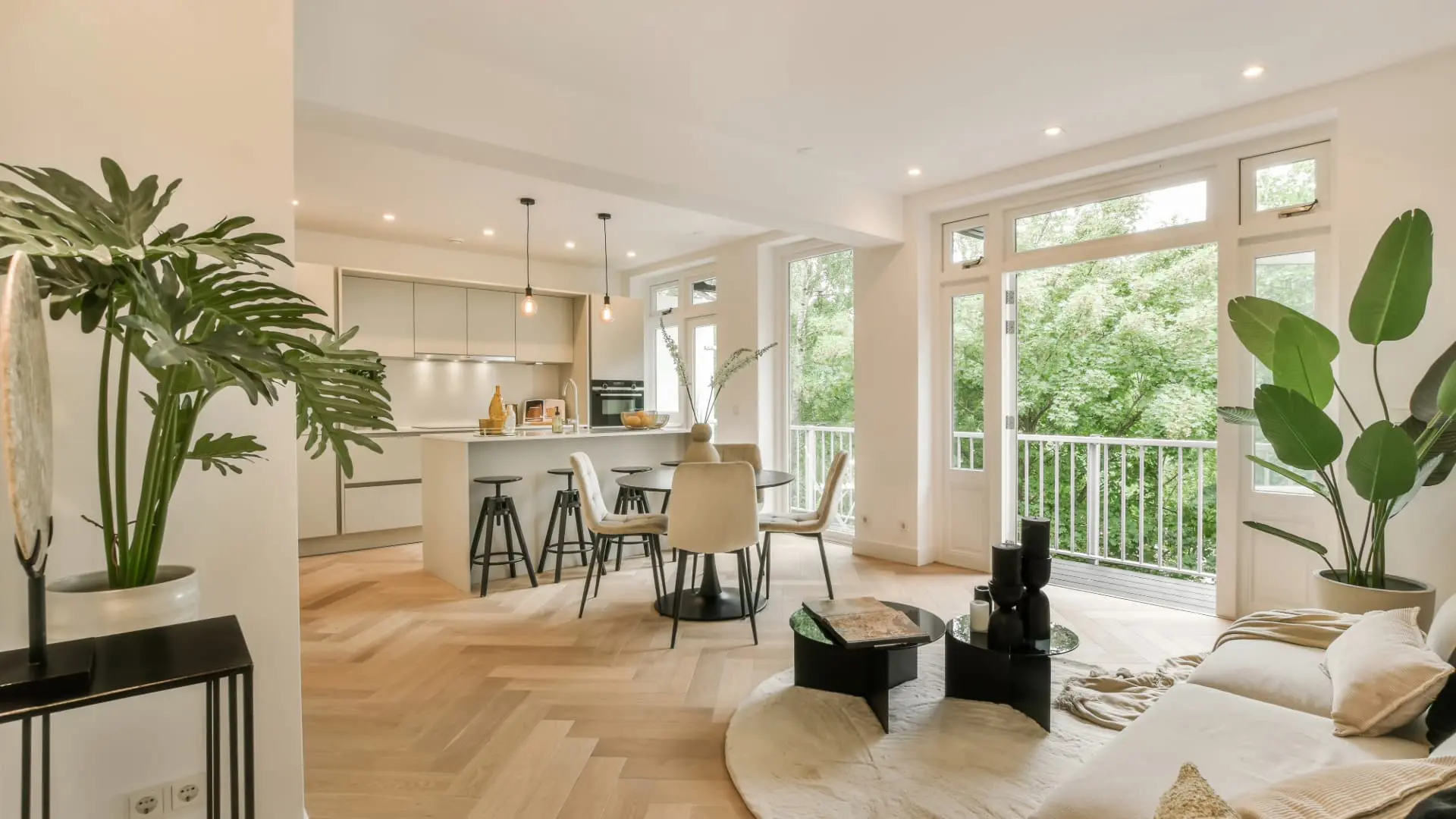
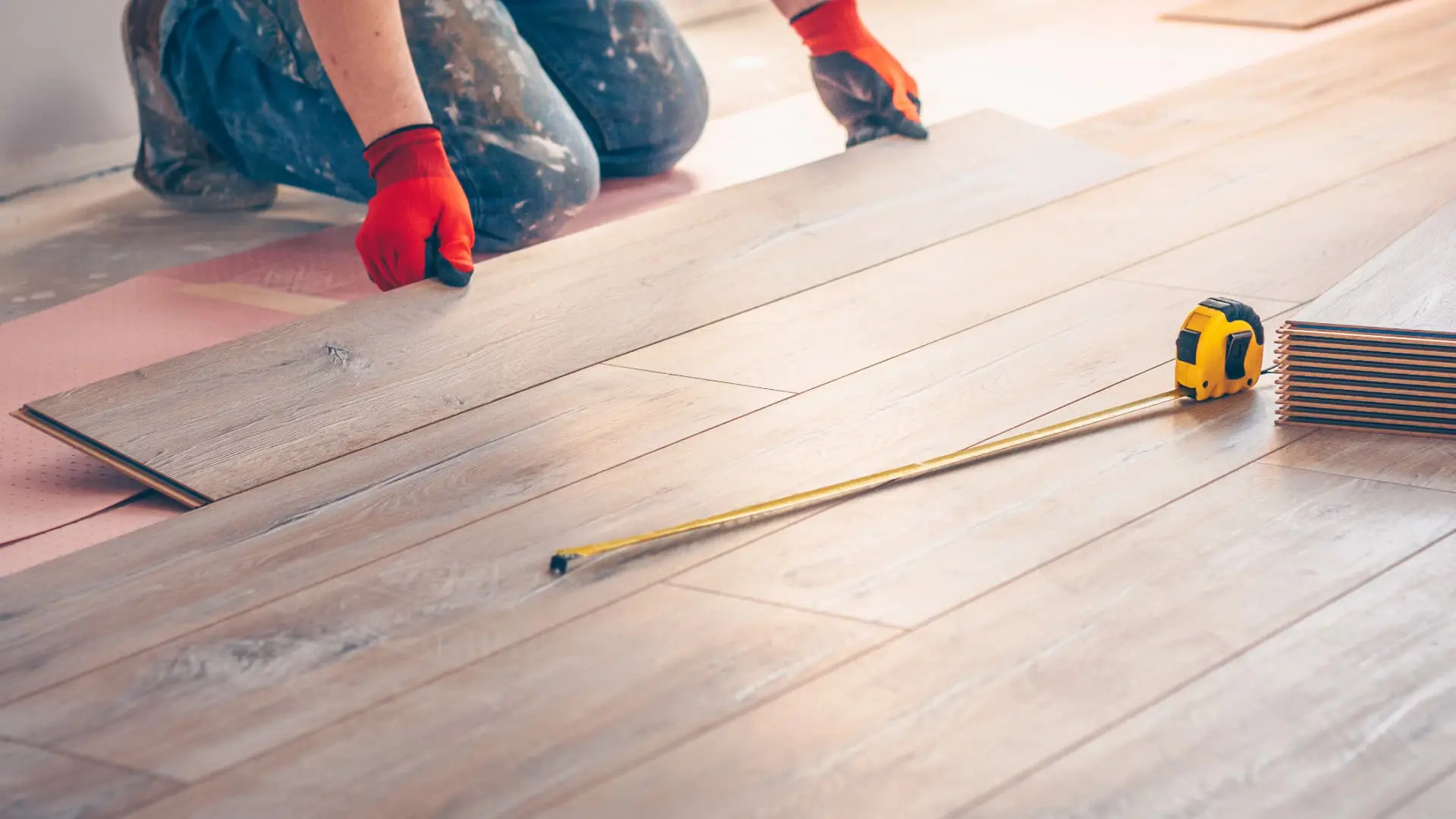
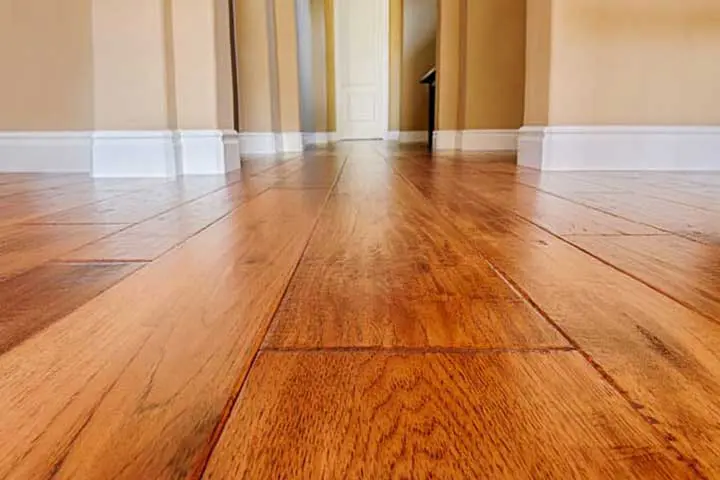
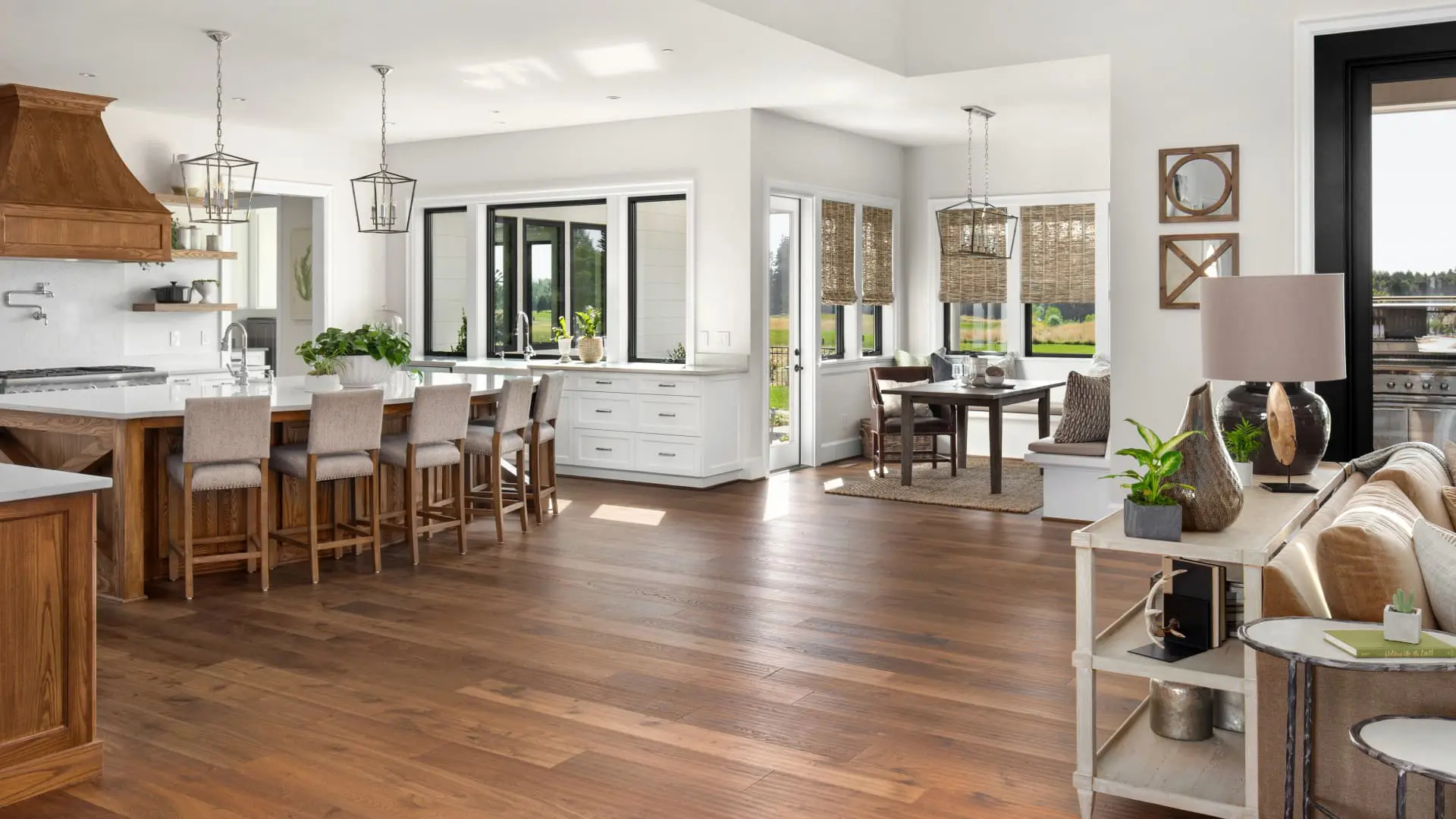
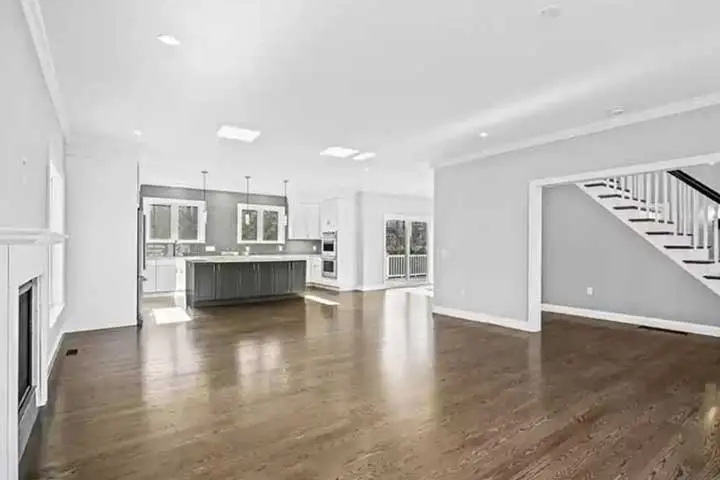
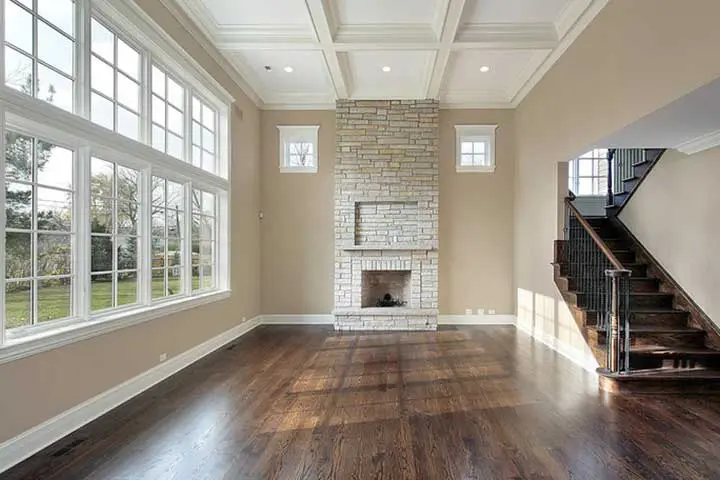
Refinished and restored floors across a range of home types and conditions throughout Greater Boston and the North Shore. Captions note the service type, wood species, and city where available.
Every Refinishing Job Is Backed by a 1-Year Workmanship Warranty
The finish Francisco applies to your floor should hold up for years, not months. If finish peeling, adhesion failure, uneven color, or any other workmanship issue appears within the first year, it's covered under the 1-year conditional workmanship warranty on every Romero refinishing and restoration job. Normal wear - the gradual dulling of finish from foot traffic over time - is expected and not a warranty condition. Workmanship issues are not expected, and they get corrected.
Related Services
Related Services You May Also Need
Floor Staining
Staining is part of the refinishing process when a color change is desired. If you're interested in a specific stain color - or want to understand what's achievable on your wood species - that conversation happens at the refinishing estimate.
Hardwood Floor Repair
If boards need to be replaced, structural damage needs to be corrected, or targeted repairs are needed before refinishing can begin, floor repair may be part of the overall scope. Francisco assesses this during the estimate visit.
Floor Maintenance & Care
After a refinishing job, periodic recoating extends the life of the new finish significantly. Screen and recoat every 3-5 years is the standard recommendation for most residential floors.
Hardwood Floor Installation
If the floor has been assessed as beyond refinishing - too thin from previous sandings, too structurally compromised - new hardwood installation may be the right next step.
Frequently Asked Questions
Frequently Asked Questions About Hardwood Floor Refinishing
The primary factor is wood thickness. Solid hardwood floors can typically be refinished 5-8 times over their lifetime, depending on how much wood remains above the tongue-and-groove after each sanding. A floor that has been refinished multiple times, or one where boards have been thinned significantly by cupping and moisture events, may have too little material left for another safe sand-down. Engineered hardwood can generally be refinished once or twice depending on the wear layer thickness. Francisco measures this during the estimate visit and gives you a straight answer about what's possible.
Dustless sanding uses commercial-grade drum and edge sanders connected to high-powered dust containment vacuums that capture the vast majority of sanding dust at the source rather than releasing it into the air. The result is dramatically less dust in your home - on surfaces, in your HVAC, and in the air - compared to traditional sanding. It's not perfect zero-dust, but the difference is significant. Homeowners who have had traditional sanding done in their home and then experienced dustless sanding almost always comment on it.
For a typical single-floor residential refinishing job - sanding, one stain coat, and two to three finish coats - the active work takes 2-3 days. Add the cure time before furniture return (24-48 hours for water-based finishes, up to a week for oil-based), and you're typically looking at 4-7 days from start to fully usable floor. Larger homes, restoration work, or multiple floors extend the timeline. Francisco will give you a specific estimate for your job.
Not necessarily. With water-based finishes, the odor during and after application is minimal - many homeowners stay in the home during a refinishing job, simply staying off the work area. With oil-based finishes, the fumes are more significant and some homeowners prefer to make arrangements to be out of the house during application and initial cure. Francisco will discuss what to expect for the specific products used on your job.
Refinishing a single room is entirely possible. The practical consideration is whether the newly refinished room will visually match adjacent areas - if the floors in your living room and dining room are open to each other, refinishing one and not the other will create a visible color difference. Francisco will walk through those considerations with you during the estimate so you can make an informed decision about scope.
The range is broad - from very light, barely-there natural tones to deep espresso and near-black ebony stains. Custom mixing is available for homeowners who want a specific color that doesn't exist in standard lines. More importantly, stain color is confirmed by testing on your actual floor before any work begins. The same stain looks different on red oak than on white oak, and both look different on a freshly sanded floor versus one with more oxidized grain. You'll see the actual result on your actual floor before committing.
A full refinish involves sanding the floor down to bare wood - removing the old finish completely and starting fresh. It corrects scratches, color unevenness, and finish failure that goes deeper than the surface. A screen and recoat is a lighter process: the existing finish is lightly scuffed (screened) to create adhesion, cleaned thoroughly, and a fresh topcoat is applied over the existing finish. Screen and recoat works well on floors whose finish is dulling but still structurally intact. It doesn't fix deep scratches, color issues, or finish that has failed at the adhesion level. Francisco will assess which approach is right for your floors during the estimate.
Felt pads under all furniture legs. A doormat at every entrance that people actually use. Sweep or vacuum regularly with a soft attachment - grit is the primary enemy of floor finish. Avoid wet mopping; use a barely damp mop with a pH-neutral hardwood floor cleaner when wet cleaning is needed. Area rugs in high-traffic zones. And periodic recoating - typically every 3-5 years depending on traffic - to refresh the protective layer before wear reaches the wood itself. That recoating service is available through Romero's [floor maintenance and care → /services/floor-maintenance-and-care/] offering.
Yes and yes. Low-VOC water-based finishes perform comparably to traditional oil-based products in terms of durability and appearance - in some respects better, because they don't amber over time the way oil-based finishes do. They cure faster, produce less odor, and are significantly safer for households with children, pets, or anyone with respiratory sensitivities. Francisco recommends them as the default for most residential jobs and will walk you through the specific options at the estimate.
Call (617) 913-0155 or submit the estimate request form. Francisco will schedule a free in-home visit, assess your floors, and give you a written estimate within 24 hours. No commitment required to get the estimate.
Testimonials
What Homeowners Are Saying
Your Floors Don't Need to Be Replaced - They Need to Be Refinished
Before you price out new floors, let Francisco look at what you have. The floors under your feet have probably held up better than you think. Dustless sanding. Professional finishing. Eco-friendly options. 1-year conditional warranty. Serving Greater Boston and the North Shore since 2006.