
Herringbone vs. Chevron Hardwood Floors: How to Choose the Right Pattern
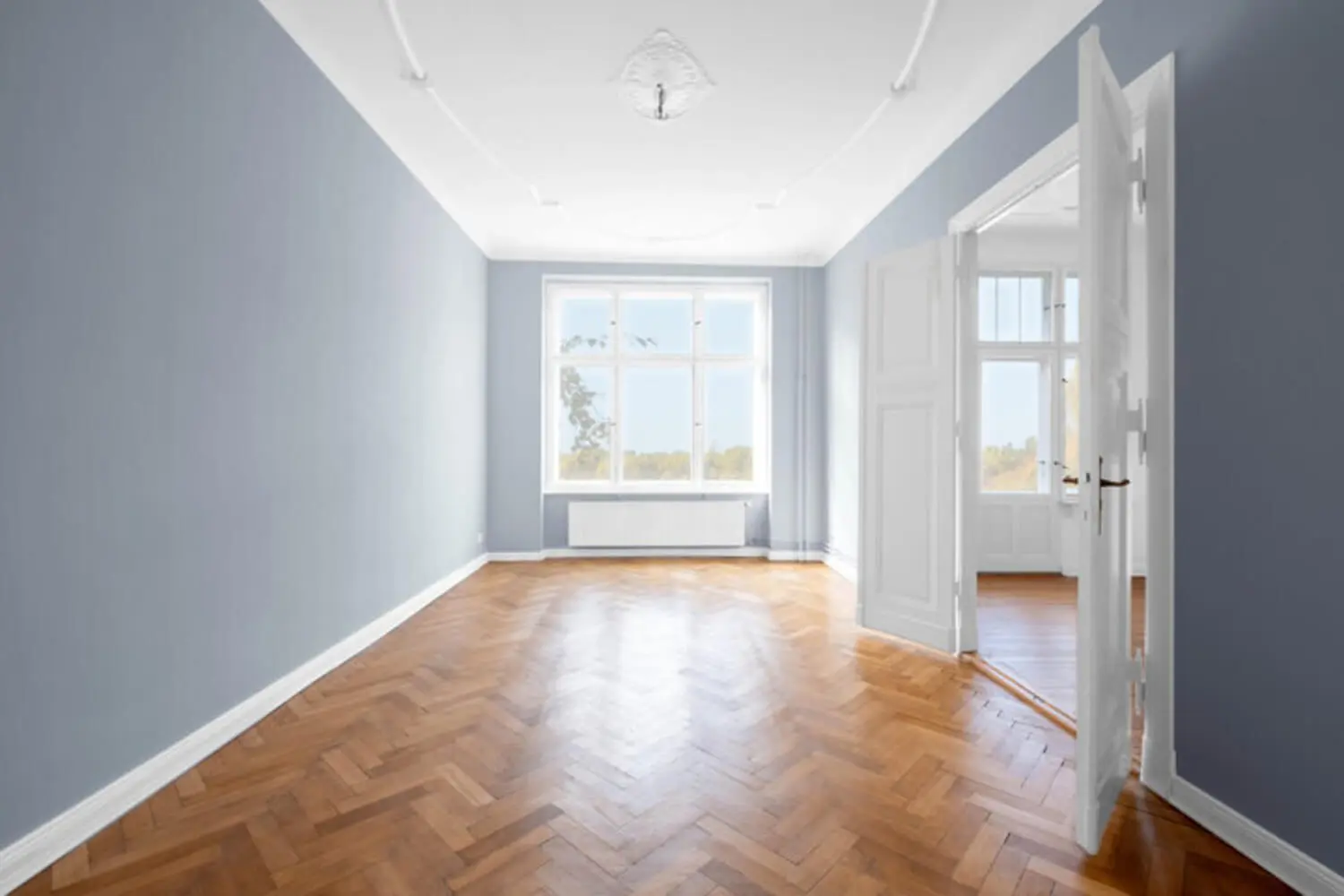
Herringbone vs chevron hardwood floor is the question many homeowners face once they choose a patterned floor. The two patterns look alike in photos. Both zigzag across the room. In person, the way the planks are cut and joined creates a different effect.
Choosing by name alone can leave you with a floor that does not suit your space. Brookline homeowners often treat a patterned floor as a centerpiece, so the choice deserves care. The right pattern depends on your room, your light, and your design goals. Neither pattern wins every time. A few clear checks will help you match the pattern to your home.
How Herringbone Flooring Is Constructed
Herringbone uses rectangular planks with square-cut ends. The installer lays each plank at a 90-degree angle to the one beside it. The end of one plank meets the side of the next.
The build has a few defining traits:
- The planks run shorter and narrower than standard boards
- Each joint steps across the floor instead of lining up
- The pattern reads as detailed and textured up close
- The look carries a long, traditional history
The result is a broken, staggered zigzag. The eye reads movement and rhythm instead of one clean line. That texture explains why herringbone feels at home in classic interiors. Because the pieces are small, the pattern repeats in short steps across the whole floor. Herringbone suits homeowners who want depth without a bold graphic statement.
How Chevron Flooring Is Constructed
Chevron uses planks cut at an angle on the ends, commonly 45 or 60 degrees. The angled ends meet at a point. Together they form a continuous V-shape.
The build has its own defining traits:
- The planks come made for this pattern and run shorter than standard boards
- The ends align exactly, so the lines run unbroken down the floor
- Each point must meet cleanly for the pattern to read correctly
- The V gives the floor a clean, directional flow
The result is a streamlined zigzag that pulls the eye along the floor. Where herringbone feels layered, chevron feels sleek. Chevron often reads as the bolder of the two. It suits homeowners who want a clear, graphic statement underfoot. Because the pattern depends on exact points, installers treat each cut with care.
Herringbone vs. Chevron Hardwood Floor: How to Tell the Difference at a Glance
Look at where the planks meet. That one check separates the two patterns on any photo or showroom sample.
- Herringbone: one plank’s end meets another’s side, so the line steps across the floor
- Chevron: the angled ends meet to form a continuous V, so the lines run straight and unbroken
In short, herringbone reads as textured and layered. Chevron reads as sleek and directional.
Try this check on a floor you see in a photo or a showroom. Trace one line with your eye. If the line steps and stops, you are looking at herringbone. If it runs straight and meets at a point, you are looking at chevron.
People often use the two terms interchangeably. Confirm the pattern by name and by look during your estimate. A quick sample or photo removes any doubt.
How Room Size, Layout, and Natural Light Affect the Choice
Your room sets the first limits. Consider these conditions:
- Room size: Chevron’s unbroken lines have space to read in larger rooms and long runs. Herringbone’s short repeating steps work across many room sizes.
- Layout: Chevron’s lines point in one direction, so they can guide the eye down a hallway or long room. Herringbone has less directional pull. It suits rooms with several focal points or irregular shapes.
- Natural light: Grain runs in different directions from plank to plank. Light from a window catches each plank differently, so both patterns shift through the day.
- Light direction: The angle of the pattern relative to the windows changes how the lines read. Settle this before the installer sets the layout.
Stand at the room’s entrance and picture the floor from the doorway. That view is the one you and your guests will see most. Patterns read differently from a doorway than from a few inches away. Ask to see a sample from that spot.
No pattern makes every room feel bigger or smaller. Room length, light, and layout drive the result.
Where Each Pattern Works Best in Brookline Entryways, Living Rooms, and Dining Rooms
Brookline’s colonials and Victorians often have defined formal spaces. An entry foyer, a formal living room, and a dining room invite a centerpiece floor. Homeowners here often invest in distinctive flooring.
- Entryways: Either pattern makes a statement here. Visitors see the floor first, so it sets the tone for the home.
- Formal living rooms: Herringbone’s textured, traditional character complements the architectural details of older homes. Chevron’s cleaner lines add a contemporary contrast inside a traditional shell.
- Dining rooms: A patterned floor can anchor the room. Consider how the table and chairs will cover the pattern. Think about which parts will stay visible.
Check how the pattern carries from room to room. A foyer floor often leads the eye into the next space. Both patterns suit established neighborhoods when the choice respects the home’s style instead of fighting it.
How Wood Species and Stain Color Change Each Pattern
Pattern and wood work together. Grain runs in different directions from plank to plank. Species with pronounced grain, such as oak, amplify the movement of the pattern. More even species read cleaner and quieter.
Stain color changes the look too:
- Lighter and mid-tone stains show the geometry of the pattern clearly
- Very dark stains can make the pattern read as more uniform
- The same stain can look different on herringbone than on chevron
Light changes this too. Strong window light brings out grain and pattern detail. Dim rooms soften both, especially with dark stain. Take time to learn how to choose the right stain color for your wood and light before you commit.
Both solid and engineered hardwood work for patterned floors. Engineered planks resist seasonal movement, which helps when planks run in alternating directions. The differences between solid and engineered hardwood affect where you can install and how often you can refinish.
An on-site sample on your actual wood is the best way to preview the result.
What Herringbone and Chevron Hardwood Floor Installation Demands
Both patterns demand more precision than standard plank layouts. Plan on a professional installation. Each step shapes the final result:
- Layout planning: The installer plans the pattern from a center line before laying the first plank. This keeps the pattern centered and ends it cleanly at the walls.
- Cut accuracy: Chevron relies on angled cuts that meet exactly at the point. Small errors show along the whole line. Herringbone relies on consistent alignment of the staggered joints.
- Subfloor flatness: Both patterns need a flat, clean subfloor. An uneven surface shows in the pattern.
- Material: Pattern layouts involve more cutting than straight plank, so the installer plans material to match.
Ask any installer how they plan the layout. A clear answer signals real experience with patterned floors. A vague answer is a reason to keep looking.
Converting from carpet? Choose your pattern early. The layout shapes the subfloor work in a carpet-to-hardwood conversion, so settle the design before that work begins.
Choosing Between Herringbone and Chevron for Your Space
Each factor narrows the field. Work through the choice in order:
- Start with the look. A textured, traditional feel points to herringbone. A sleek, directional feel points to chevron.
- Check the space. Consider room size, layout, light, and whether the floor sits in an entryway, living room, or dining room.
- Weigh the wood and stain. Both change how each pattern reads.
- Plan the installation. Both patterns need an experienced installer, and each has its own precision demands.
If you like the patterned look but want something different, parquet and inlays offer other custom options. Photos rarely tell the full story. A sample on your own floor shows how the pattern, wood, and stain behave in your light.
The Right Pattern Fits Your Space, Not Just the Name
Herringbone and chevron look alike at a glance. The way the planks are cut and joined gives each a different effect. The right choice depends on your room, your light, and your design goals, not the name. Neither pattern is better in every home.
Seeing the patterns in your own room, with your own wood and light, is the best way to decide. Romero Hardwood Floor installs custom patterns across Brookline and Greater Boston, including herringbone, chevron, parquet, and inlays. The team can walk your space and show you how each pattern would look.
Request an estimate and talk through custom pattern options for your home.