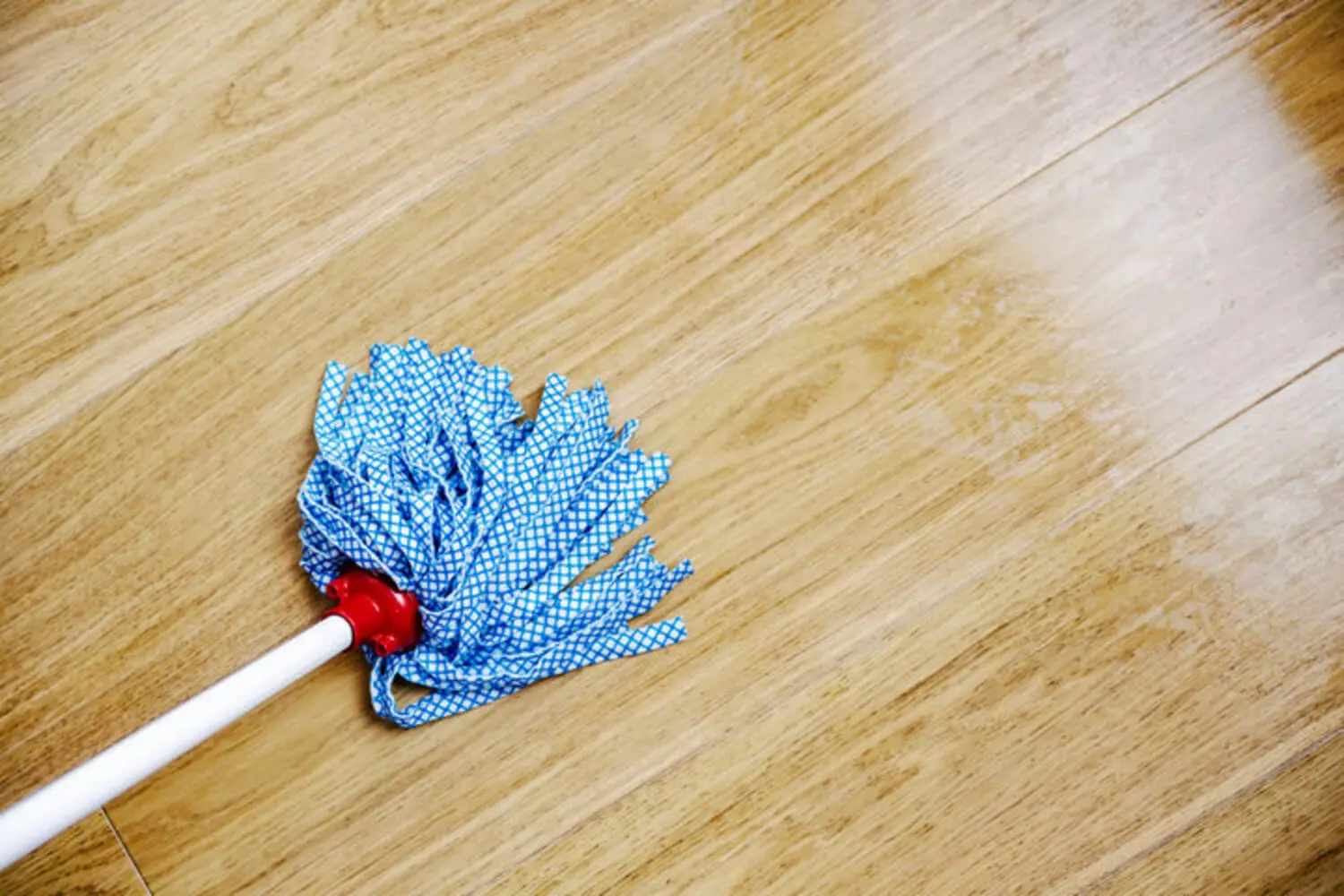
Laminate Wood Flooring: A Comprehensive Buying Guide
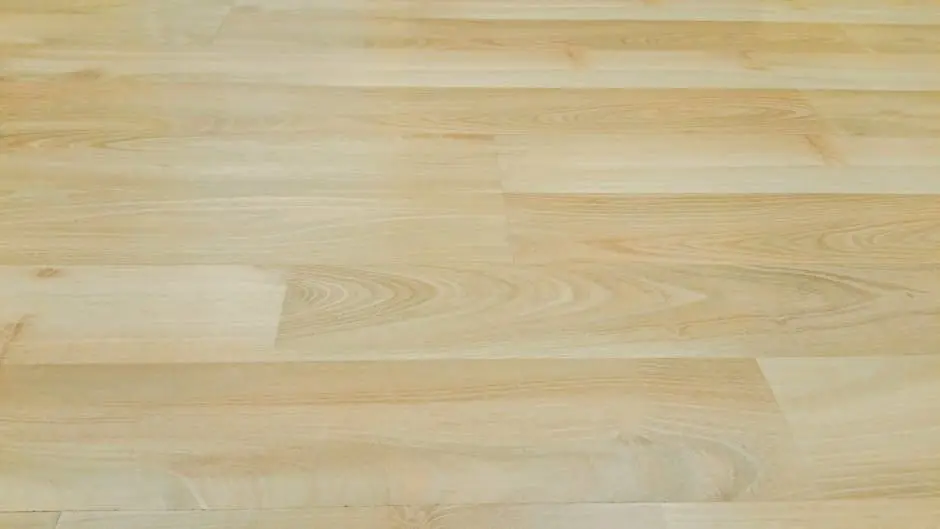
Laminate Wood Flooring: Top 10 Benefits & Drawbacks 2024
When it comes to flooring options, laminate wood flooring stands out as a cost-effective and versatile choice. If you’re in search of a durable, easy-to-maintain flooring option that closely mimics the appearance of hardwood, laminate wood flooring may be the perfect fit. Here’s a quick rundown of its benefits:
- Affordability: Typically more budget-friendly than hardwood.
- Durability: Resistant to scratches and dents, suitable for high-traffic areas.
- Variety: Available in numerous designs and colors to suit any décor.
- Easy Installation: Many models feature a simple click-lock system, ideal for DIY enthusiasts.
At Romero Hardwood Floors Inc., we understand the importance of choosing the right flooring for your space, whether residential or commercial. With over 15 years of expertise in flooring installation, I’m Francisco Romero, passionate about providing quality and long-lasting flooring solutions. Transitioning from classic hardwoods, we’ve acceptd the evolution into laminate, offering custom solutions for all tastes and budgets.

Simple laminate wood flooring word guide:
– residential flooring installation
– residential floor installers
– residential vinyl flooring installer
What is Laminate Wood Flooring?
Laminate wood flooring is a popular alternative to traditional hardwood. It’s designed to mimic the look of real wood while offering unique benefits. But what exactly is it made of, and how is it constructed?
Definition and Composition
Laminate wood flooring is a hybrid flooring material. It combines the beauty of wood with the resilience of modern technology. Unlike hardwood, it’s composed of several layers, each serving a specific purpose. These layers are pressed together at high temperatures to create a durable plank.
Layers of Laminate Wood Flooring
Laminate flooring consists of four main layers:
- Backing Layer: This is the bottom layer. It provides stability and protects against moisture, preventing damage to the subfloor.
- Core Layer: Made from high-density fiberboard (HDF), this layer gives the flooring its strength. It’s often water-resistant, making it suitable for areas with moderate moisture.
- Image Layer: This is where the magic happens. The image layer features a high-resolution photograph of wood or stone, giving laminate its realistic appearance. From hand-scraped textures to smooth finishes, the options are endless.
- Wear Layer: The topmost layer, it protects against scratches, dents, and stains. This layer is crucial for maintaining the floor’s appearance over time.
Manufacturing Process
The creation of laminate flooring involves advanced manufacturing techniques. Here’s a simplified breakdown:
- Layering: The different materials are stacked in the correct order, starting with the backing and ending with the wear layer.
- Pressing: Under high heat and pressure, these layers are fused together. This process ensures a tight bond, enhancing durability.
- Cutting: The large sheets are then cut into planks, ready for installation.
- Finishing: Some planks receive additional treatments, like embossing, to improve their texture and appearance.
Laminate wood flooring offers a practical and stylish solution for any home or business. With its multilayer construction, it’s designed to withstand daily wear and tear while maintaining a stunning appearance. Whether you choose embossed, hand-scraped, or smooth styles, laminate provides the look of real wood without the high cost or maintenance.
Advantages and Disadvantages of Laminate Wood Flooring
Laminate wood flooring is a favorite for many homeowners because of its unique benefits and a few downsides. Let’s explore the advantages and disadvantages of choosing this type of flooring.
Advantages
1. Cost-Effective
Laminate flooring is budget-friendly compared to traditional hardwood. You get the look of real wood without emptying your wallet. This makes it an appealing choice for anyone looking to renovate on a budget.
2. Easy Installation
One of the best things about laminate is its simple installation process. With a click-lock system, you can often handle it as a DIY project. It’s perfect for those who enjoy taking on home improvement tasks.
3. Variety of Styles
Laminate flooring offers a wide range of styles, from embossed to hand-scraped textures. You can find a design that suits any decor, whether you prefer a modern or rustic look.
4. Scratch Resistance
The wear layer on laminate flooring is tough. It helps protect against scratches and dents, making it a great option for homes with pets or children. This resilience extends the floor’s lifespan.
5. Low Maintenance
Keeping laminate floors clean is a breeze. Regular sweeping and occasional mopping are usually enough to maintain their appearance. There’s no need for special treatments or refinishing.
Disadvantages
1. Susceptible to Water Damage
While laminate is often water-resistant, it’s not completely waterproof. Excessive moisture can cause the planks to swell or warp. This makes it less ideal for bathrooms or basements without proper moisture barriers.
2. Cannot Be Refinished
Unlike hardwood, laminate cannot be sanded or refinished. Once the wear layer is damaged, the affected planks need to be replaced. This can be a drawback if you’re looking for a long-term flooring solution.
3. Shorter Lifespan
Laminate generally has a shorter lifespan compared to hardwood. While durable, it doesn’t last as long as some other flooring options. This is something to consider if you want a floor that will stand the test of time.
In summary, laminate wood flooring is a versatile and affordable choice, especially for those who prioritize style and convenience. However, it’s important to weigh these benefits against the potential downsides, such as its susceptibility to water damage and inability to be refinished. Understanding these factors will help you make the best decision for your flooring needs.
Types of Laminate Wood Flooring
Choosing the right type of laminate wood flooring can make a big difference in the look and feel of your space. Here are five popular types to consider:
Embossed
Embossed laminate flooring is designed to mimic the texture of real wood. The surface has a wood grain texture, giving it a more realistic look. This is a great option if you want your floors to feel as natural as they look.
Embossed In Register
For an even more authentic appearance, consider embossed in register laminate. This type aligns the grain patterns with the texture of the surface. It creates a highly realistic wood effect that can fool even the most discerning eye.
Smooth
Smooth laminate offers a classic finish with a consistent texture. It’s perfect if you prefer a more traditional look. This type of flooring is easy to clean and maintain, making it a practical choice for busy households.
Hand Scraped
Hand scraped laminate features unique planks that give a handcrafted look. The uneven surface adds character and a rustic charm to any room. This style is ideal for those who want their floors to have a bit of personality and history.
Distressed
Distressed laminate flooring provides an antique look, complete with wear and tear appearance. It’s perfect for creating a vintage vibe. This type of flooring adds warmth and depth to a room, making it feel cozy and inviting.
Each type of laminate wood flooring has its own unique appeal. Consider what style best suits your home and lifestyle to make the right choice.
How to Choose the Right Laminate Wood Flooring
Selecting the perfect laminate wood flooring involves considering several key factors. Here’s how to make the best choice for your space:
Room Type
Different rooms have different needs.
- Living Room & Bedroom: These areas usually have moderate foot traffic. Opt for laminate with a medium AC rating (like AC2 or AC3). Smooth or embossed styles work well here for a cozy and inviting atmosphere.
- Kitchen & Bathroom: These rooms are prone to moisture. Choose waterproof or water-resistant laminate options to prevent damage. Styles like embossed in register can add a touch of elegance while offering durability.
Traffic Level
The amount of foot traffic in a room impacts your flooring choice.
- Light Traffic: Bedrooms or home offices typically have light traffic. A thinner laminate (around 8mm) with an AC1 rating is usually sufficient.
- Medium Traffic: Living rooms and dining areas experience medium traffic. Look for laminate with an AC2 or AC3 rating for durability.
- Heavy Traffic: Entryways or commercial spaces require robust flooring. Choose a thicker laminate (10mm or more) with an AC4 or AC5 rating for added resilience.
Moisture Exposure
Consider how much moisture the floor will encounter.
- Waterproof Options: Ideal for kitchens and bathrooms, these laminates can handle spills and humidity without damage.
- Water-Resistant Options: Suitable for living areas that might see occasional spills. They offer some protection but should be cleaned quickly to avoid damage.
- No Water Protection: Use in areas like bedrooms where moisture is not a concern. These options are often less expensive but require careful maintenance to avoid water exposure.
By considering these factors, you can choose the right laminate wood flooring that meets your specific needs and improves your home’s beauty.
Installation Methods for Laminate Wood Flooring
When it comes to installing laminate wood flooring, there are several methods to consider. Each has its own benefits and best use cases, making it important to choose the right one for your project.
Click Lock
Click lock is one of the most popular installation methods for laminate flooring. This method is extremely DIY-friendly because it requires no glue or nails. The planks are designed to snap together like puzzle pieces, creating a seamless floating floor. This makes it easy to replace individual planks if needed. It’s perfect for those who want to tackle the installation themselves without professional help.
Adhesive
For a more permanent and strong bond, the adhesive method is a solid choice. This involves gluing the laminate planks directly to the subfloor. While this method provides a stable surface, it is best suited for professional installation. The adhesive method is ideal for areas where you want to reduce noise and create a more solid feel underfoot.
Floating
The floating installation method involves laying the flooring planks over the subfloor without attaching them directly. It is similar to the click lock method, but it offers more flexibility as the floor can expand and contract with changing humidity levels. This method is great for environments with minor subfloor imperfections and is often less invasive, making it a quick and convenient option.
Underlayment Options
Choosing the right underlayment is crucial for the success of your laminate flooring installation. Underlayment can provide sound absorption, making your flooring quieter to walk on. It also acts as a moisture barrier, protecting your laminate from any dampness that might come from the subfloor. There are various types of underlayment materials available, so select one that fits your specific needs, whether it’s for soundproofing or moisture protection.
By understanding these installation methods, you can choose the best one for your laminate wood flooring project, ensuring a beautiful and long-lasting finish.
Cost of Laminate Wood Flooring
When planning to install laminate wood flooring, understanding the costs involved is crucial. Let’s break it down into the price range, factors affecting these costs, and how laminate compares to other flooring options like hardwood.
Price Range
Laminate flooring is known for being a cost-effective option for both residential and commercial spaces. The cost typically ranges from $3 to $7 per square foot, which includes both the material and installation.
- Budget Options: These are usually thinner (around 6mm to 8mm) and may not offer as much durability. They are great for quick renovations or low-traffic areas.
- Premium Options: Thicker laminates (up to 14mm) with improved features like waterproofing or textured finishes fall into this category. They are ideal for high-traffic areas and can mimic the look and feel of real wood more closely.
Factors Affecting Cost
Several factors can influence the total cost of installing laminate flooring:
- Material Quality: Higher quality laminate offers better durability and aesthetic appeal. It often includes features like a thicker wear layer and more realistic textures.
- Brand: Different brands offer varying price points based on their reputation, quality, and warranty offerings.
- Installation Method: DIY-friendly methods like click lock can save on labor costs, whereas adhesive methods might require professional installation, increasing the overall expense.
Cost Comparison
When comparing laminate flooring to other types of flooring, it’s clear why it’s a popular choice:
- Laminate vs Hardwood: Hardwood flooring can range from $5 to $10 per square foot and often requires professional installation. While hardwood offers longevity and can be refinished, it’s significantly more expensive upfront.
In conclusion, laminate wood flooring offers a balance between cost, durability, and aesthetic appeal, making it a versatile choice for many homeowners. By understanding the price range, factors affecting cost, and how laminate stacks up against other flooring options, you can make an informed decision that aligns with your budget and needs.
Maintenance and Care for Laminate Wood Flooring
Proper care and maintenance are key to preserving the beauty and longevity of laminate wood flooring. Let’s explore some practical tips on cleaning, preventive measures, and repairs.
Cleaning Tips
Keeping your laminate floors clean is simple and doesn’t require harsh chemicals.
- Sweeping: Use a soft-bristle broom or a dry mop to remove daily dust and dirt. This prevents particles from scratching the surface.
- Mopping: For a deeper clean, use a damp mop every two months. Ensure it’s well-wrung to avoid excess moisture, which can damage the laminate. Some newer laminates even allow for steam mopping, but always check the manufacturer’s guidelines first.
- Avoiding Harsh Chemicals: Stick to cleaners specifically designed for laminate floors. Harsh chemicals can strip the protective layer and dull the finish.
Preventive Measures
By taking a few preventative steps, you can protect your laminate flooring from unnecessary wear and tear.
- Furniture Pads: Attach felt pads under furniture legs to prevent scratches when moving items around.
- Area Rugs: Place rugs in high-traffic areas to minimize direct wear. They also add a cozy touch to your space.
- Moisture Control: Use doormats to reduce moisture and dirt tracked into your home. In kitchens and bathrooms, consider waterproof laminate options for added protection.
Repair Tips
Even with the best care, accidents happen. Here’s how to handle common laminate floor issues.
- Replacing Damaged Planks: If a plank is too damaged, it can often be replaced individually. This is one of the benefits of laminate’s click-lock installation system.
- Fixing Scratches: Minor scratches can be treated with a laminate repair kit. These kits typically include a wax pencil or putty to fill in the scratches and blend them with the floor color.

By following these cleaning tips, preventive measures, and repair strategies, you can keep your laminate wood flooring looking its best for years to come. Let’s move on to answer some frequently asked questions about laminate flooring.
Frequently Asked Questions about Laminate Wood Flooring
When considering laminate wood flooring, you might have a few questions. Let’s address some common queries with expert insights.
What is the downside to laminate flooring?
Laminate flooring is a popular choice for many, but it does have its downsides. One of the main concerns is water damage. While many laminates are water-resistant, they are not waterproof. Prolonged exposure to moisture can lead to swelling and damage, especially if not addressed quickly.
Another downside is that laminate cannot be refinished. Unlike hardwood, which can be sanded and refinished multiple times, laminate must be replaced once it shows significant wear or damage. Its shorter lifespan compared to hardwood is something to consider if you’re looking for long-term flooring solutions.
How does laminate flooring compare to other flooring options?
Laminate flooring has its own set of advantages and considerations when compared to other flooring options.
- Durability: Laminate is durable and resistant to scratches and dents, making it suitable for high-traffic areas. However, it is not as moisture-resistant as some other options, so care should be taken in areas prone to water exposure.
- Installation: Laminate offers easy installation options, like click-lock systems, and is often preferred for DIY projects due to its ease of handling and cutting.
If you need a flooring solution for a dry area and are looking for an authentic wood look, laminate could be the way to go.
Are laminate floors better than hardwood floors?
This question often boils down to priorities: cost, lifespan, and refinishing.
- Cost: Laminate is more cost-effective upfront compared to hardwood, making it an attractive option for budget-conscious homeowners.
- Lifespan: Hardwood floors can last for decades if maintained properly, whereas laminate typically lasts 10-20 years. However, advancements in laminate technology are improving its longevity.
- Refinishing: Hardwood can be refinished multiple times, extending its life and refreshing its appearance. Laminate, once damaged or worn, needs replacing.
In summary, if you’re looking for a long-term investment and have the budget, hardwood might be preferable. However, for short-term affordability and ease of installation, laminate wood flooring is a strong contender.
These answers should help guide your decision-making process when choosing between laminate and hardwood flooring options. Let’s continue to explore more about laminate flooring in the next section.
Conclusion
Choosing the right laminate wood flooring can transform your home, offering style and functionality without breaking the bank. As we’ve explored, laminate flooring provides a cost-effective, durable, and visually appealing alternative to traditional hardwood. While it has some limitations, such as susceptibility to water damage and the inability to be refinished, its benefits often outweigh these drawbacks for many homeowners.
Laminate’s easy installation and diverse range of styles make it an attractive option for those looking to improve their living spaces quickly and affordably. With advancements in technology, laminate flooring now offers improved durability and water resistance, making it suitable for various rooms and traffic levels.
At Romero Hardwood Floors Inc, we pride ourselves on delivering top-notch flooring solutions custom to your needs. Our expertise in both residential and commercial flooring ensures that you’re not just getting a floor—you’re investing in quality, aesthetics, and longevity.
If you’re considering laminate for your next renovation, let us guide you through the selection and installation process. Our team is committed to providing exceptional service and craftsmanship, ensuring your new floors improve your home’s beauty and functionality for years to come.
Thank you for considering Romero Hardwood Floors Inc for your flooring needs. We look forward to helping you create a beautiful and lasting foundation in your home.